distributor = chafurnate, 9567227611, kingconix, 9193354047, 9202804671, piannabanana, 8773340460, tf79gg, 7372951758, skinsminkey, 18003594107, 7262167081, superdave112279, tickzel, ezy8140, 3129266906, 8703903171, 7272632096, 8323461895, auldtwork, instanetsol, 2019425209, 8885905962, 8436954265, 18444946060, mez56709146, 389039235, 8885847498, 9842631014, 9107564558, 18003887000, 5204672116, 5137076994, 3372055034, 4805503207, cymboxen, cannacbana, 4234273117, 4696063080, oxelotto, imagefañ, 9733483845, 2165620588, 4142076549, 9452185392, 2705139922, 7242732030, 7203725721, 2027688469, 6099782127, gracesandy08, 5716216254, 16463611389, 8882249645, 8572821800, 9047236300, 18552132382, chaturntae, 6062401130, 8323256456, 6627789116, 7027105520, 9787672641, 6163306246, 8633193801, 6317692145, 8332053164, 7063813435, 18002286855, mstina209, 5088944588, 8178065501, aznhkpm, 2042897313, 9783551609, 7866877020, 3368046099, 8177615469, 8002743932, 6317764262, 8333952329, 8669920307, 4033425c2, 3055062319, 3132933287, ilikeocmix, 8063753039, 6085094890, 4043691986, 9154404953, 7783316933, 18662552529, 2079223193, alitaxangelic, 4842283001, 6153223900, wagershack, 8338701889, 2092553045, wzggstats, 8442066155, 2028167451, 18008300286, mbm66698001, 8324817394, 9155445800, 6105255250, 8438832246, 19057716052, 4049960554, 8554062187, 4162978362, 9123426998, yorestudiomg, 8474268085, baceracted, 3234872622, troshilly, 7135666509, 8338950348, 8442211567, 18666201302, 1800076072, ửodle, 4049394970, 8163078906, mfznⅲ, 4089185125, 6198923514, 4808347546, 3850er3040c, 6102159968, 888.904.8461, globalzone53, 2153099122, 18009132411, 8443580642, 4805465503, 7657404036, 8436121015, 3462730012, 9854250920, 18336840593, wdf48650gsp, 611247392201, 8558562511, 6782015589, 904.207.2696, 8667866682, 6237776430, ezy3377, 18556148530, 8324262067, 5168821708, 6696225537, 5712268380, 9298103988, 9548893729, 4808416993, 4330564191, 2538442114, 4373403232, 9032057164, 2087193274, 8664872643, zawatinao, 18557905018, 8014123119, 7247650023, 9085048193, 6194641731, mypremierchart, ilorultcbs94r8v, 18779773879, 4808475341, 7059801767, lasrs.statres, boecsched, 4808472619, 8594295188, brazedotcom, 8566778008, 18005680344, 8642516223, 2766344760, 8178401646, 8664425030, 8045005635, 5013000112, 6144291561, caffine64, 5043993551, 8665110793, 5164655255, ezy6521, 8602936799, 18336902260, 18333110849, 7167454490, 3604835198, 7145099696, 8888570668, 8174963036, luxuryinteriorsorg, 6143332209, 8332420718, pippypipernpc, 9152554542, 18669516592, 9854414006, 7785895126, 7176786808, 18002228794, 2142831548, bitsylowhigh, 8669360316, recuburate, 4846353028, 5704918262, khanacademyorg, 18004684743, 7158988027, 18664487098, 3392109005, 6036638908, 5735344024, 7175316640, gabbysmol, drmaureenhamilton, 6047363925, meloplaycom, 8557199695, 8448440111, 8669503840, 8443765274, 18774014764, influencersgomewd, 8599631921, 2629487300, joyuicoltd, 4079466142, 2076077881, cherrybella808, 8037663919, 64.277.120.231, syromatch, oxolado, 36000522389, 8322347988, tulkotaks, allredismyteacher, 7203584046, brianchavez85, 18003921147, oplzlepredstavy, 5049497786, ezy2140, 7243139278, 2183167675, 8017375151, 8665301092, 8774315691, 8185875547, 8653815207, 6192467477, 8556833145, 2066918065, r6tradker, 481615428, 80720963038, 2678173729, 18002410172, 18007774001, freyarose77, clearskinstudy, mgp61942301, 5132972028, 18555959055, theflixee, 6313153145, nfl66ir, chsproviderdatavalidation, freakinthesleep, 5133221008, 7023597111, morancaresys, adultowrl, 5089486999, 5034367335, 7628001252, ezy3837, melinnderr13, 4184251145, 5173181159, sp11l87222, 7037770280, 9035930589, 8662284345, 18664188154, aselrod71, 18557876733, 18664613047, 4844522186, kiamfusa, 3606265636, integrityuc.webpay.md, 7784362314, 7783282169, 8662684346, 5597817242, 8007092893, 6156966912, bn6925167b, cktest9263, 18004726066, 9163883106, 3362525903, 18559694636, edwinalucypowe, 4057192096, 8558468376, 6133666485, badwolfemjay, 6615934042, 8446227085, 8663233462, 6157131410, 8475861480, 4256553258, 3054238938, myfoxatl, 18002386279, 8055851300, lizzybee1395, bill39nc, agamycapital, 4147718228, 6198330521, 9168975029, 9093759675, 18558382118, 7137999975, 9043641318, tdb2586, hollysafara21, 7048991392, 7252988333, 5152174532, 4014068198, 8705207565, 8008225626, 6087332770, 18004231000, 5044467788, 8122320564, 18006118472, 8337931057, 18.84x18.84, al2104197, dudelegence, 18009096467, 4084987586, 7146059251, 9133123219, 6316154582, 8772137258, mo1infiniteloo, 9592050377, 6024174900, 7047026509, 8302053160, 3658732800, 7634227200, 8448371861, dl329k1a, 3044434051, benefitboutiquedamen, 370036828, 5126715039, 2096890003, 8664482002, 5169865040, 18558437208, eliebaroud23, 5122540018, 76501165180, 8169559260, ezy8052, 2074303836, 2199474151, gen85898, 6309905600, 9452285426, 2512630572, 6036075559, 6098551244, bliķk, leeeanuvz, taylorbergman17, 18007920001, 2103010293, loŵes, 9377598636

Blog

  • Traditional Celebrations That Reveal Everyday Asian Culture in Meaningful Ways

    Traditional Celebrations That Reveal Everyday Asian Culture in Meaningful Ways

    I have always found that the most revealing travel moments happen when a celebration moves into ordinary homes, streets, and family gatherings. A festival can show how people greet elders, prepare food, welcome neighbors, mark a season, or teach children customs. Those details tell me more about a place than a landmark.

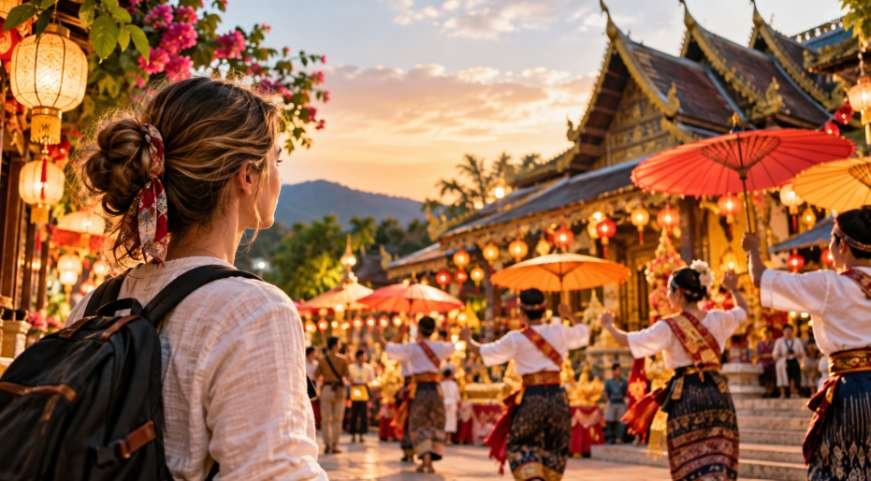
    I also notice how easy it is to see a major Asian celebration only through its public side. Water splashing during Songkran, lanterns glowing at night, or elaborate clothing can make wonderful memories, but the deeper story sits underneath. Traditional celebrations that reveal everyday Asian culture often do so through familiar habits: cleaning the house, sharing meals, visiting relatives, giving blessings, and making time for community.

    Why Celebrations Reveal Everyday Life

    A celebration is rarely a single event. It is a collection of routines bringing families, neighbors, religious communities, and generations together. Preparations can begin days before festivities, with homes cleaned, foods made, offerings prepared, and gifts selected.

    These routines reveal what a community considers important. Respect for elders, hospitality, devotion, seasonal change, and family responsibility become visible. Living traditions can offer a richer cultural experience than looking at historic buildings.

    Family Traditions Are at the Center
    Family Traditions Are at the Center

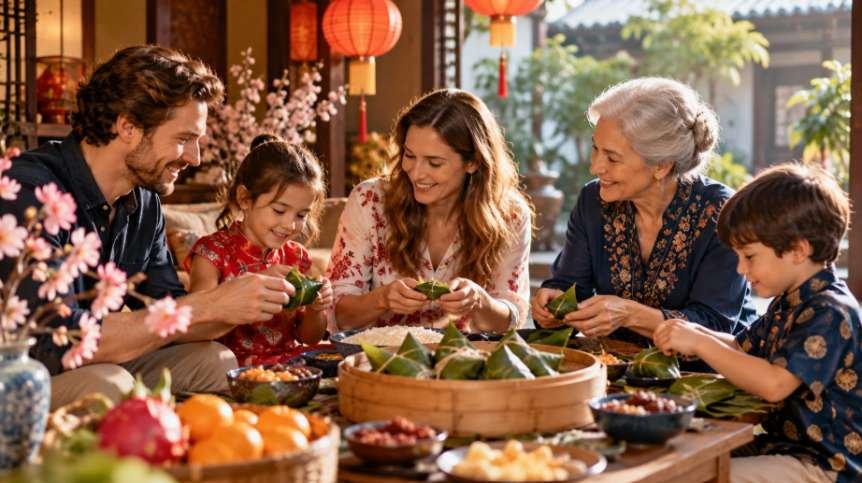
    Family is one of the clearest themes across Asian celebrations. During Lunar New Year, reunion meals and visits make family connection part of the celebration. Elders often occupy an important place in greetings and blessings, while younger members learn by participating.

    Deepavali offers another example. Cleaning homes, lighting lamps, preparing sweets, exchanging greetings, and gathering with relatives connect the festival to domestic life. Much of its meaning is created inside homes, where customs can adapt across generations.

    This intergenerational element matters because cultural knowledge is often learned through observation. A child helping prepare a dish or watching an older relative perform a ritual may absorb details that formal lessons cannot capture.

    Food Tells Its Own Cultural Story

    Festival food can reveal geography, agriculture, religion, and family history. Special dishes often reflect seasons, ingredients, or religious practices, while preparing them can bring generations into the same kitchen.

    Food also shows how hospitality works. A meal offered to relatives, neighbors, or guests can communicate generosity without an elaborate ceremony. Recipes may change between households, yet the reason for making them remains recognizable.

    For travelers, paying attention to these details can make a celebration more meaningful. Notice who cooks, who serves, who eats together, and when certain foods appear. Those observations reveal the relationships behind the festival.

    Community Roles Matter

    Public celebrations often depend on work visitors never see. Someone organizes the event, prepares spaces, cooks food, maintains rituals, performs music, teaches younger participants, or welcomes guests.

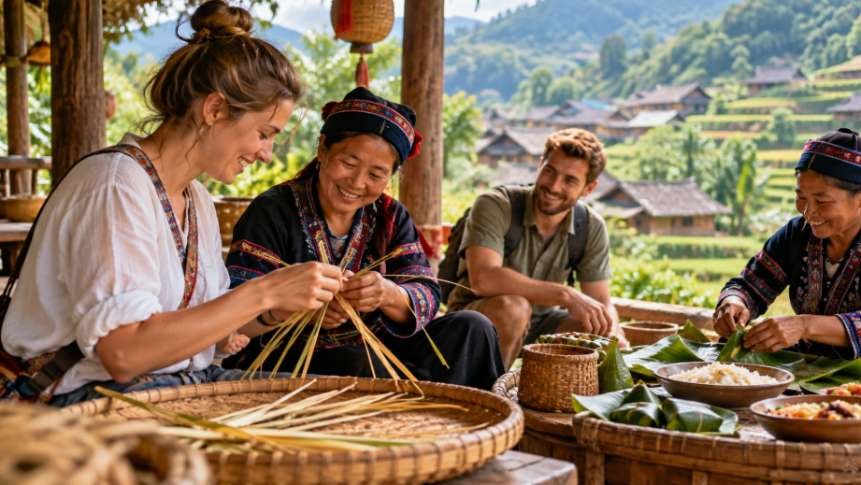
    Someone organizes the event, prepares spaces, cooks food, maintains rituals, performs music, teaches younger participants, or welcomes guests. These community roles can also include passing traditional skills between generations, making traditional craftsmanship experiences in Asia a meaningful way for travelers to understand how cultural knowledge remains part of everyday life.

    These responsibilities connect people who might otherwise have little reason to work together.

    Ramman, a religious festival and ritual theater tradition in Uttarakhand, illustrates this community dimension. Its performances combine storytelling, music, dance, ritual, and local participation. It expresses belief, local history, and social relationships.

    Water festivals provide another example. Songkran and related New Year traditions are associated with water throwing, but quieter practices carry meaning too. Pouring scented water over elders’ hands, seeking blessings, cleaning homes, and preparing for a new beginning connect celebration to respect, renewal, and family life.

    Look Beyond the Biggest Festivals

    The most famous festivals are not necessarily the best places to understand ordinary culture. Large events can attract crowds and commercial layers that distance visitors from local routines.

    Smaller village celebrations, seasonal rituals, neighborhood gatherings, and community ceremonies can sometimes offer a clearer view. These events may have fewer spectators and stronger resident participation.

    For travelers who want to go deeper, authentic community-based cultural experiences in Asia can provide opportunities to observe these connections without reducing them to performances. Approach local traditions as living community life rather than attractions.

    How to Participate Respectfully
    How to Participate Respectfully

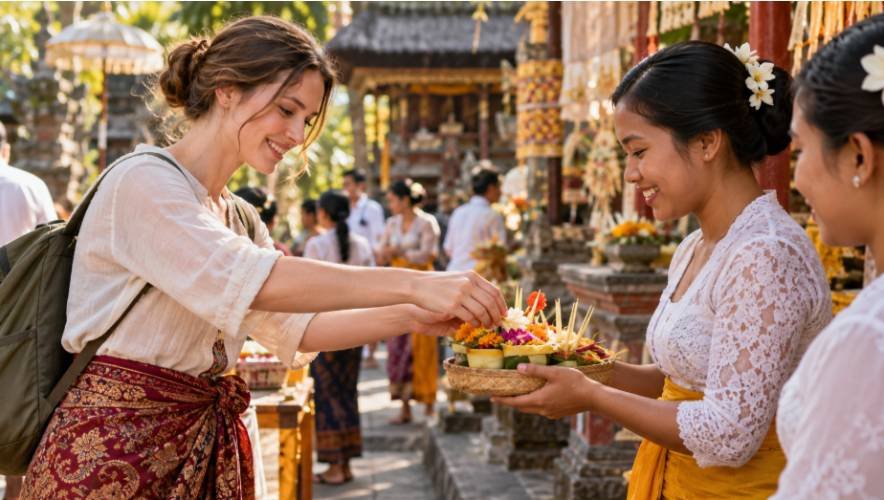
    Cultural curiosity is useful, but good intentions do not automatically make participation appropriate. Some rituals are private or reserved for community members. Visitors should watch first, follow local behavior, and ask before photographing people or entering restricted spaces.

    • Dress appropriately for religious or ceremonial settings and follow local instructions.
    • Avoid interrupting prayers, processions, family rituals, or performances with cameras or phones.

    Respect also means accepting that not every meaningful moment is available publicly. Sometimes the best approach is to observe quietly and let residents set the boundaries.

    Why Living Traditions Continue

    Traditional celebrations survive because people continue to use them, not because they remain frozen in the past. Families adjust recipes, younger generations bring ideas, and communities respond to change while retaining familiar symbols and practices.

    That flexibility makes cultural traditions valuable. They preserve memory while belonging to the present. Looking at lesser-known cultural heritage sites in Asia can complement this experience by showing places and landscapes connected to customs communities continue to practice.

    Frequently Asked Questions 

    1. What can travelers learn from traditional Asian celebrations?

    They can learn how families show respect, how communities cooperate, how food connects generations, and how beliefs shape ordinary routines. These details provide context that sightseeing alone cannot offer.

    2. Why are family traditions important during Asian festivals?

    Family participation passes customs between generations. Children learn recipes, greetings, rituals, stories, and social expectations by watching older relatives and joining preparations.

    3. Are smaller celebrations better for understanding local culture?

    Not always, but smaller gatherings can make community participation easier to observe. They may have fewer commercial influences and reveal routines that large festivals sometimes hide.

    4. How can visitors participate respectfully?

    Observe before joining, follow local etiquette, ask before taking photographs, and respect private or religious practices. Treat residents as participants in a living tradition, not performers.

    A Celebration Can Tell You How a Community Lives

    The deeper value of an Asian celebration is often found around the main event. Sweeping a home, preparing a dish, greeting an elder, sharing a meal, or helping a neighbor may seem ordinary, yet these actions reveal community values. Noticing those details changes the experience. A festival becomes less about photographs and more about understanding why people gather.

    Culture becomes most memorable when it feels lived rather than displayed. The celebration may last days, but the relationships behind it continue long after the decorations come down.


  • Small Towns With Great Food in America: 16 Flavor-Packed Escapes

    Small Towns With Great Food in America: 16 Flavor-Packed Escapes

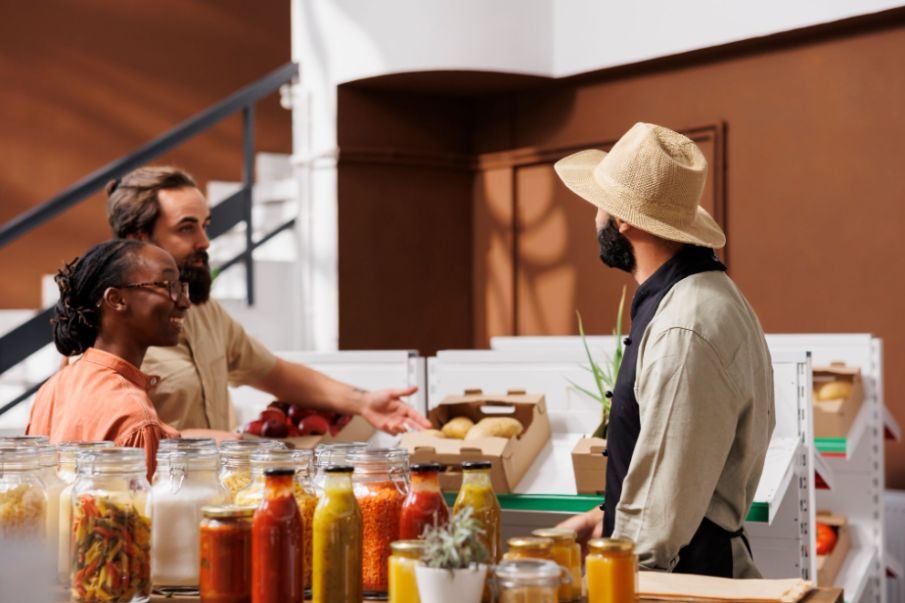
    I’ve learned that some of the most exciting meals in the country are found far beyond famous city dining rooms. In many small towns with great food in America, chefs build menus around nearby farms, fisheries, vineyards, bakeries, and long-standing regional traditions. That connection to local ingredients often makes the experience feel more personal, more distinctive, and far more memorable.

    What draws me to these places is the variety. One trip might lead to coastal oysters in New England, another to chile-rich New Mexican dishes, Southern comfort food, or a tasting menu surrounded by wine country. These towns prove that unforgettable food travel is often less about chasing big-city reservations and more about finding places where the cuisine truly reflects the community.

    Which Small Towns Are Best for a Food-Focused Getaway?

    Healdsburg, California

    Healdsburg is a heavyweight of wine-country dining. Three-Michelin-starred SingleThread combines farm-driven California cooking with Japanese influence, while Quail & Condor, Bravas Bar de Tapas, and The Matheson broaden the experience from pastries to tapas and seasonal dinners. Michelin describes SingleThread as farm-to-table, with much of its produce coming from its nearby farm.

    Hudson, New York

    Hudson pairs a walkable downtown with a dense independent food scene. Mel the Bakery works with regional grains, while Lil’ Deb’s Oasis adds tropical comfort food, cocktails, and natural wine. The city has hundreds of independently operated shops, bakeries, bars, restaurants, and other businesses packed into a remarkably small area.

    Bow-Edison, Washington

    Tiny Edison in the Skagit Valley proves a memorable food stop does not need a large downtown. Breadfarm specializes in naturally leavened bread and rustic pastry, while Terramar Brewstillery serves wood-fired pizza alongside locally minded beer, cider, and spirits made with ingredients connected to the surrounding valley.

    Traverse City, Michigan

    Traverse City, Michigan

    Traverse City blends Great Lakes scenery with tart cherries, orchards, vineyards, local wine, and farm-to-table cooking. Trattoria Stella is a notable dinner stop, while the wider region celebrates chefs, agricultural products, craft beverages, and distinctly northern Michigan flavors. Traverse City Tourism continues to promote the area as a major food-and-wine destination.

    Oxford, Mississippi

    Oxford mixes literary history with inventive Southern food. Chef Vishwesh Bhatt earned James Beard recognition for his work at Snackbar, where Southern ingredients meet South Asian influence, while City Grocery remains closely associated with refined regional cooking.

    Great Barrington, Massachusetts

    In the Berkshires, Great Barrington balances classic New England charm with creative food. No Comply Foods serves dishes such as sweet potato with labne, tahini, and chile crisp, while Rubiner’s attracts cheese lovers with artisan selections and specialty provisions.

    Where Can I Find Great Regional Food in Small US Towns?

    Mystic, Connecticut

    Mystic is a natural pick for a coastal weekend built around oysters, clams, lobster, fish, waterfront dining, and modern cocktail bars. I like how easily its restaurant scene fits alongside the town’s maritime atmosphere, making it ideal for travelers who want food and sightseeing in the same trip.

    Fredericksburg, Texas

    Fredericksburg combines German culinary heritage with Texas Hill Country wine, barbecue, peaches, sausage, and local produce. Nearly 100 wineries, vineyards, and tasting rooms surround the area, making it easy to pair a Main Street meal with an afternoon tasting.

    McMinnville, Oregon

    McMinnville sits at the center of Oregon wine country, where Pinot Noir shares the spotlight with Pacific Northwest produce and artisan food. Its annual Wine & Food Classic brings together dozens of wineries along with chefs, brewers, distillers, and makers.

    Mendocino, California

    Mendocino brings Pacific seafood, mushrooms, Northern California produce, and nearby wine country together against a dramatic coastline. I like it for slower food getaways where scenic drives, local ingredients, and relaxed coastal dinners matter as much as checking famous restaurants off a list.

    Taos, New Mexico

    Taos, New Mexico

    Taos has one of America’s most distinctive regional cuisines. Red and green chile, tamales, enchiladas, rellenos, sopaipillas, and seasonal produce reflect Pueblo, Spanish, Mexican, and Northern New Mexican influences. Late summer is especially memorable when the aroma of roasting green chile fills town.

    Saugatuck, Michigan

    Saugatuck combines Lake Michigan beaches and galleries with Great Lakes fish, seasonal produce, casual restaurants, and craft drinks. It works especially well for a summer food weekend because travelers can alternate waterfront meals with shopping, art, and time along the lake.

    Lewisburg, West Virginia

    Lewisburg delivers Appalachian character through Southern comfort food, bakeries, cafes, and locally minded restaurants around its historic center. Food feels like part of the town’s personality rather than a separate tourist attraction, which is exactly what I look for in a memorable road-trip stop.

    Galena, Illinois

    Galena’s preserved downtown is lined with restaurants, bakeries, wine bars, and American comfort-food stops. Nearby vineyards and scenic drives make it particularly appealing for couples planning an easy Midwest weekend getaway built around dining, history, shopping, and countryside views.

    Ketchum, Idaho

    Ketchum combines Sun Valley outdoor adventure with mountain dining, locally sourced meats, contemporary American cooking, and relaxed cafes. After hiking or skiing, the mix of casual spots and more polished restaurants gives visitors enough variety to make food part of the destination.

    Yountville, California

    Tiny Yountville carries enormous culinary influence. Michelin-starred restaurants, tasting rooms, bakeries, and Napa Valley wine sit close together, with The French Laundry helping anchor the town’s fine-dining reputation. The local tourism organization emphasizes that many of these experiences are within walking distance.

    How Should I Plan a Small-Town Food Road Trip?

    How Should I Plan a Small-Town Food Road Trip?

    I look beyond famous restaurants and search for a complete local food ecosystem: farmers markets, bakeries, producers, wineries, breweries, food festivals, and chefs who use regional ingredients. I also leave one meal unplanned because a roadside stand or neighborhood cafe can become the trip’s biggest surprise.

    If I were organizing small towns with great food in America into a road trip, I would group them geographically. Hudson and Great Barrington work well together in the Northeast, while Healdsburg, Mendocino, and Yountville can become a Northern California food-and-wine route.

    Frequently Asked Questions (FAQs)

    1. What are the best small towns with great food in America?

    Healdsburg, Oxford, Traverse City, Fredericksburg, Taos, Hudson, McMinnville, Mystic, Yountville, and Bow-Edison are strong choices. Your ideal destination depends on whether you prefer wine-country dining, seafood, Southern cuisine, New Mexican food, or farm-to-table cooking.

    2. Which small US towns are best for a weekend food trip?

    Mystic, Oxford, Fredericksburg, Hudson, Galena, and McMinnville combine interesting restaurants with compact districts and enough nearby attractions for an easy two- or three-day getaway.

    3. Which small towns are best for wine and food?

    Healdsburg, Yountville, McMinnville, Fredericksburg, and Traverse City stand out because vineyards, tasting rooms, regional agriculture, and chef-driven restaurants add several layers to the culinary experience.

    4. When is the best time for a small-town food trip?

    Spring through fall usually delivers the broadest mix of farmers’ markets, seasonal produce, patios, food festivals, and winery activity. Fall is especially rewarding in wine regions, while summer works well for coastal and Great Lakes towns.

    Final Takeaway

    I find small-town food trips most memorable when the destination has a clear sense of place. A meal means more when I understand the farm, fishery, vineyard, culture, or family tradition behind it. That connection is one of the reasons food road trips in the USA can feel so rewarding. These towns deserve attention not simply because they have excellent restaurants, but because their entire culinary scenes feel connected to the communities around them.

  • Authentic Community-Based Cultural Experiences in Asia Worth Seeking Out

    Authentic Community-Based Cultural Experiences in Asia Worth Seeking Out

    I’ve always found that memorable travel begins when a destination stops feeling like a checklist. A shared meal, conversation with a host, or a few hours learning a craft can reveal details that a quick photo stop misses. That is what makes community-based travel appealing: it centers on people and everyday life, not simply places.

    I’ve also noticed that “authentic” gets used loosely in travel marketing. A cultural activity can look traditional while offering little benefit to residents. More meaningful experiences give locals a real role, whether they welcome guests, teach a craft, explain farming, or decide what should remain private.

    What Makes a Cultural Experience Community-Based?

    Community-based tourism works best when residents have a meaningful stake in the experience. That can mean owning a homestay, running a cooperative, guiding visitors, producing crafts, or managing activities through a village organization. The goal is useful tourism.

    That matters. A locally operated homestay can put income directly into a household, while a craft workshop can create demand for skills that might otherwise become harder to sustain. Strong programs consider visitor limits, environmental pressures, and local control.

    Experiences That Bring Travelers Closer to Local Life

    Experiences That Bring Travelers Closer to Local Life

    Homestays are among the clearest examples. In northern Thailand, Karen communities offer stays in mountain villages, sustainable farming lessons, and traditional backstrap loom weaving. Around Sapa in northern Vietnam, homestays can introduce travelers to Hmong and Dao households, terraced agriculture, local foods, and rural routines.

    Food provides another natural entry point. A cooking session in a family home can reveal why ingredients matter, how seasonal produce is used, and how recipes pass between generations. It becomes less about eating a famous dish and more about understanding its setting.

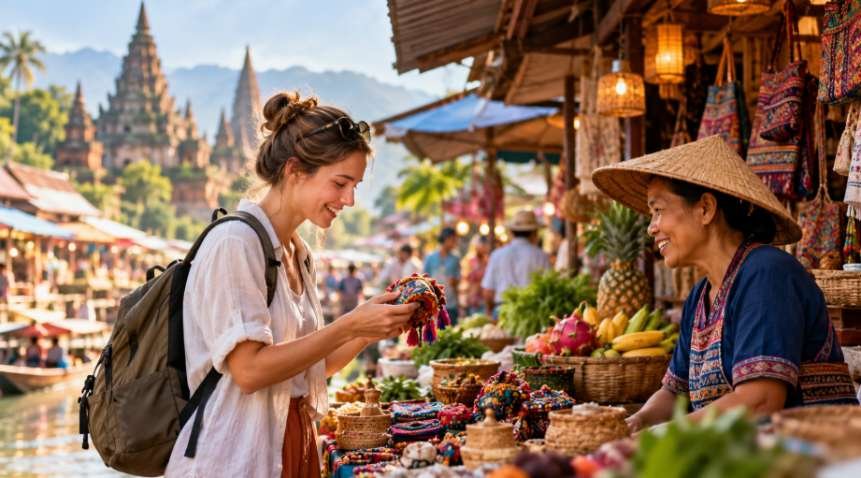
    Crafts can be equally revealing. Weaving, pottery, woodwork, basketry, and metalwork often carry stories about place and identity. Paying for a workshop or buying directly from an artisan connects cultural appreciation with local income.

    Agricultural experiences add another layer. In rural Bali, visitors can learn about subak, the traditional cooperative irrigation system, while seeing how farming connects with community organization and religious life. Other experiences can include tea cultivation, rice farming, or harvests.

    Before joining a community-based activity, practical preparation can also make the experience more comfortable. Knowing what to pack for different climates in Asia helps travelers adapt to rural conditions, seasonal weather, and activity-specific needs without overpacking or overlooking useful essentials.

    Where Community Experiences Stand Out

    Strong opportunities appear away from major tourist centers. Near Siem Reap, Cambodia, community-led agricultural projects and artisan cooperatives offer a different perspective on Khmer culture than a visit focused only on monumental ruins. Travelers can see craft skills and farming alongside a famous destination.

    Laos offers another example. Around Luang Prabang, activities can include textile workshops, craft learning, and village-led ecotourism. Morning alms-giving is especially sensitive because it is a religious practice, not a tourist performance. Observing quietly, dressing appropriately, and keeping distance are essential.

    For travelers interested in communities whose traditions continue to change, how Asian traditions are adapting to modern life provides useful context. A living culture is not a museum. Younger residents may combine inherited skills with new businesses, digital tools, education, and contemporary design while maintaining connections to older practices.

    How to Choose an Experience That Actually Helps Locals

    Research before booking helps. Look for clear information about who runs the experience, where the money goes, and how residents participate in decisions. Community ownership helps, but transparency matters.

    Useful questions include:

    • Is the experience locally owned or operated?
    • Are hosts and artisans paid fairly?
    • Does the activity respect cultural or religious boundaries?
    • Does it encourage small-group interaction rather than mass tourism?

    Be cautious when an experience promises access to private ceremonies, sacred spaces, or vulnerable communities as entertainment. Authenticity should never remove a community’s right to refuse.

    Respect Matters as Much as the Experience

    Respect Matters as Much as the Experience

    Good cultural travel requires curiosity. Ask before photographing people, homes, religious objects, or ceremonies. Follow local dress expectations, especially around temples and sacred sites. If a host does not want something photographed, respect that boundary.

    Learning a few local words helps, but genuine respect goes further. Listen when a host explains a custom instead of comparing it with something familiar. Avoid assuming one community represents an entire region.

    Travelers can also look beyond famous monuments when planning an itinerary. Exploring lesser-known cultural heritage sites in Asia can spread visitor spending more widely and create opportunities to encounter living traditions without putting excessive pressure on a single landmark.

    Why Community-Based Travel Can Keep Culture Living

    Tourism cannot preserve every tradition, and it should not freeze cultures in the past. It can create conditions in which skills, stories, foods, and practices remain economically and socially meaningful.

    When younger generations earn from crafts, guiding, farming, hospitality, or cultural education, traditional knowledge can remain part of contemporary life rather than a demonstration. Strong projects connect heritage with livelihoods while letting residents decide what should be shared.

    What Makes These Experiences Worth Remembering

    The appeal of community-based travel is simple. Instead of collecting sights, travelers gain a better sense of how people live, work, celebrate, create, and adapt. It may involve a meal, weaving lesson, farm path, or evening conversation rather than a spectacular attraction. Those ordinary moments can provide a richer understanding of place.

    When tourism gives communities a fair voice and share of the benefits, cultural exchange becomes more balanced. Travelers leave with memories, while hosts gain income and greater control over how heritage is represented.

    Frequently Asked Questions 

    1. What is community-based cultural tourism?

    It is tourism planned, owned, or meaningfully managed by local residents, allowing visitors to experience traditions while contributing to community livelihoods.

    2. Are homestays a good way to experience local culture?

    Yes, when locally operated and respectful. They can provide insight into food, routines, family life, and traditions that organized sightseeing may not reveal.

    3. How can travelers avoid cultural exploitation?

    Choose transparent, locally led experiences, ask permission before taking photos, respect religious customs, and avoid activities that treat people or ceremonies as attractions.

    4. Does community tourism always benefit local residents?

    Not automatically. Benefits depend on ownership, fair payment, local decisions, visitor management, and revenue sharing.

    A More Thoughtful Way to Travel

    Community-based experiences encourage travelers to slow down and notice the people behind a destination’s familiar images. They make room for conversations, practical learning, and everyday encounters, giving hosts more control over how their culture is shared. That can make a trip feel more personal without turning local life into a performance.

    The best experience is not always spectacular. Often, it leaves both sides with something worthwhile.

  • Historic Food Markets in the USA Where America Still Eats Its History

    Historic Food Markets in the USA Where America Still Eats Its History

    A city’s food history rarely stays silent. It survives in the clang of market stalls opening at dawn, in recipes handed down behind family counters, and in old halls where locals have shopped for generations. 

    That is what makes historic food markets in the USA so compelling to me. They are not frozen relics from another era. They are active places where architecture, immigrant traditions, regional ingredients, and everyday American life still meet across the same counters.

    What interests me most is how different each market feels. Lancaster carries Pennsylvania Dutch traditions, New Orleans reflects centuries of cultural exchange, Cleveland showcases immigrant food heritage, and Los Angeles turns historic market spaces into energetic modern food destinations. 

    Exploring them is one of the easiest ways to understand how American cities developed their own culinary identities.

    Why Is Lancaster Central Market So Historically Important?

    Lancaster Central Market is the natural place to begin. Established in 1730, it is America’s oldest continuously operating public market. The striking red-brick Market House visitors see today opened in 1889 and remains one of downtown Lancaster’s defining landmarks.

    I would arrive hungry for Pennsylvania Dutch flavors. Scrapple, chowchow, baked goods, meats, dairy, and seasonal produce connect the market to Lancaster County’s agricultural traditions while long-established vendors keep the historic market-hall experience alive.

    What Makes Old Town Farmers’ Market Unique?

    Alexandria’s Old Town Farmers’ Market is described by the city as the country’s oldest farmers’ market held continuously at the same site. George Washington even sent produce from Mount Vernon to be sold there.

    Today, visitors can shop for Mid-Atlantic produce, meats, dairy products, fresh-baked goods, flowers, and specialty foods. For travelers exploring Northern Virginia or Washington, D.C., it offers an unusually easy combination of early American history and local food culture.

    Why Is the French Market Part of New Orleans Food History?

    Why Is the French Market Part of New Orleans Food History

    New Orleans tells a very different market story. The French Market has operated as a formal institution since 1791, while trading at the site stretches back to Indigenous commerce before European colonization.

    Its position along the Mississippi helped create a crossroads of Native, French, Spanish, African, Caribbean, and immigrant influences. Today, pralines, spices, hot sauces, produce, Creole dishes, and other Louisiana specialties make the market a sensory introduction to New Orleans.

    For travelers who want to continue exploring Louisiana’s regional food traditions beyond the city, a Louisiana Cajun food road trip offers another way to experience local specialties, family-run food stops, and the culinary heritage of Cajun Country.

    What Should You Eat at Reading Terminal Market?

    Reading Terminal Market opened in 1893 beneath Philadelphia’s new railroad terminal and remains one of America’s best-known indoor public markets.

    The enormous historic hall combines produce, meats, seafood, bakeries, prepared foods, and international cuisines. Pennsylvania Dutch and Amish food traditions remain especially prominent, so I would leave room for fresh-baked goods, traditional meats, and hearty regional dishes before exploring the market’s wider global food selection.

    Why Visit Findlay Market in Cincinnati?

    Findlay Market was constructed in 1852 and opened several years later. It is Ohio’s oldest surviving municipal market house and the last survivor of Cincinnati’s once-extensive public market system.

    Traditional butchers, bakers, produce merchants, specialty shops, and prepared-food vendors continue the market’s working character. I would also look for goetta, a Cincinnati specialty associated with the city’s German-American culinary heritage.

    What Makes Cleveland’s West Side Market Famous?

    What Makes Clevelands West Side Market Famous

    Cleveland’s West Side Market developed from an earlier open-air marketplace operating on the site by 1840. The present landmark opened in 1912 and is instantly recognizable by its 137-foot clock tower and monumental indoor hall.

    Family-owned meat counters, bakeries, produce stalls, and specialty-food merchants reflect generations of European immigrant influence. For me, the combination of food, architecture, and neighborhood history makes it one of America’s most visually impressive public markets.

    Is Grand Central Market Still Worth Visiting in Los Angeles?

    Grand Central Market opened in downtown Los Angeles in 1917 inside the Homer Laughlin Building. What began as a major public market has evolved into a lively food hall where legacy businesses operate beside newer restaurants.

    That mixture captures Los Angeles particularly well. California ingredients, immigrant food traditions, historic stalls, and contemporary cooking all compete for attention under the same roof.

    For travelers who want to experience a similarly strong connection between regional food culture and place, a Pacific Northwest seafood road trip offers a different culinary perspective, linking historic coastal communities, working waterfronts, and local seafood traditions along Washington and Oregon.

    How Did the Original Farmers Market in Los Angeles Begin?

    The Original Farmers Market at Third and Fairfax began in 1934 when local farmers started selling produce from their trucks on a vacant lot. The experiment succeeded and gradually developed into a permanent Los Angeles landmark.

    Today, restaurants, grocers, butcher shops, candy counters, specialty stores, and multi-generational family businesses give it a distinctly nostalgic atmosphere. It feels very different from Grand Central Market, which is precisely why I think food-focused visitors should experience both.

    Is Chelsea Market Really a Historic Food Market?

    Chelsea Market needs slightly different framing. It is not a centuries-old public market institution like Lancaster or Findlay. Instead, it occupies the former National Biscuit Company complex in Manhattan’s Meatpacking District, where the first Oreo was produced in 1912.

    The industrial brick complex now contains fishmongers, butchers, bakeries, restaurants, and artisanal grocers. It represents a different chapter of American food history: historic food-production architecture successfully adapted into a modern culinary marketplace.

    Which Other Historic American Markets Are Worth Visiting?

    Which Other Historic American Markets Are Worth Visiting

    A broader journey through historic food markets in the USA should include Soulard Farmers Market in St. Louis, Lexington Market in Baltimore, Charleston City Market, Eastern Market in Washington, D.C., and Seattle’s Pike Place Market.

    Lexington Market traces its beginnings to merchant gatherings in 1782. Charleston’s market land was dedicated to public use in the late 18th century, with historic sheds later serving meat, vegetable, and fish sellers. Eastern Market opened in 1873 and continues its original public-market role on Capitol Hill. Pike Place opened in 1907 as a way for Seattle farmers to sell more directly to consumers and remains one of America’s most recognizable market districts.

    Soulard adds another longstanding neighborhood market tradition to the American story, connecting St. Louis food culture with one of the city’s oldest communities.

    Why Are Historic American Food Markets Worth Visiting?

    Historic public markets reveal much more than what Americans used to eat. They show how transportation, immigration, farming, architecture, commerce, and neighborhood life shaped regional cuisines.

    Many also remain active community spaces rather than attractions preserved purely for tourists. For travelers interested in experiencing local food traditions in a more festive setting, small-town food festivals in America offer another way to discover regional specialties, community customs, and the culinary identity of places beyond major cities.

    Frequently Asked Questions 

    1. What is the oldest continuously operated public market in America?

    Lancaster Central Market dates to 1730 and identifies itself as America’s oldest continuously operated public market. Other markets use different “oldest” distinctions based on continuous operation, location, or municipal-market history.

    2. Which historic market is good for Pennsylvania Dutch food?

    Lancaster Central Market and Reading Terminal Market are both excellent choices. Lancaster connects closely with Lancaster County agriculture, while Reading Terminal combines Pennsylvania Dutch traditions with Philadelphia’s broader multicultural food scene.

    3. Which historic food market should I visit in Los Angeles?

    Grand Central Market is a strong choice for downtown history and a mix of legacy and contemporary vendors. The Original Farmers Market offers a more nostalgic experience rooted in its 1934 beginnings.

    4. Are historic food markets in the USA still used by locals?

    Yes. Many remain active places for residents to buy produce, meats, seafood, baked goods, prepared meals, and specialty foods. That everyday community role is one reason these markets remain more interesting than landmarks preserved solely for tourism.

    A Final Bite of America’s Market History

    What I enjoy most about historic markets is that their history is still active. I can walk into an old market hall, buy food from an established family business, and watch a city’s past and present operate side by side.

    For travelers interested in regional cuisine, architectural heritage, and genuine local culture, these markets offer one of the most enjoyable ways to understand America’s story through food.

  • Traditional Markets and Everyday Culture in Asia: What Travelers Notice First

    Traditional Markets and Everyday Culture in Asia: What Travelers Notice First

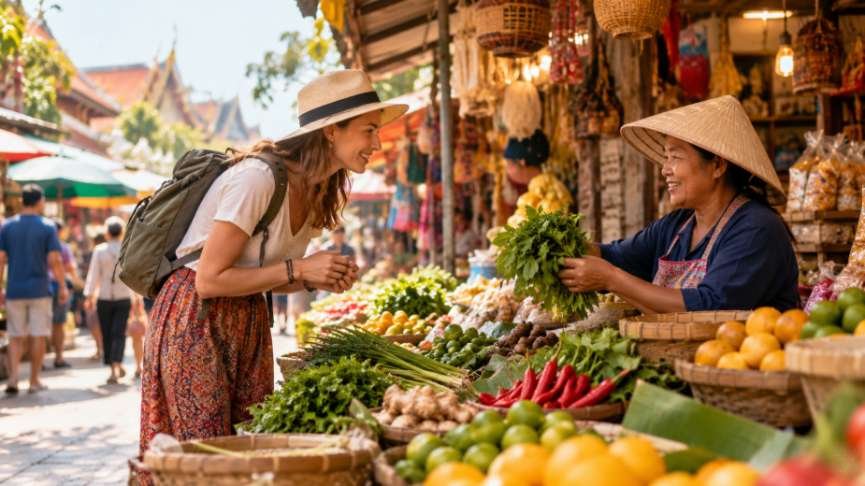
    I still remember the first time I walked through a traditional market in Asia. I expected rows of food and handmade goods, but what caught me off guard was how quickly the place felt alive. Vendors called to regular customers, knives struck cutting boards, scooters squeezed through narrow lanes, and unfamiliar aromas changed every few steps. It felt less like a shopping area and more like someone’s everyday routine.

    I also noticed that the most interesting moments were rarely obvious. A grandmother choosing vegetables, a vendor preparing breakfast, or a shopkeeper chatting with a neighbor told me more about local life than a polished attraction sometimes could. That changed how I look at traditional markets and everyday culture in Asia. They can be crowded, noisy, and ordinary.

    Why Traditional Markets Reveal Everyday Culture

    A traditional market is usually a practical place before it becomes a cultural experience. People come to buy ingredients, flowers, clothing, or breakfast. That purpose gives travelers a glimpse into neighborhood life.

    Morning hours can be revealing. Fresh produce arrives, breakfast stalls get busy, and regular customers make familiar stops. These routines show what families cook and how commerce works.

    Markets also operate as social spaces. A vendor may know customers by name or pause for conversation between transactions. Tea, gossip, quick meals, and bargaining can become part of the routine. The market can be a familiar neighborhood meeting point.

    The market can be a familiar neighborhood meeting point. Travelers interested in seeing this community life beyond commercial attractions can also explore local festivals beyond Asia’s tourist hotspots, where regional traditions and local participation offer another window into everyday culture.

    Food Offers a Direct Window Into Local Life

    Food Offers a Direct Window Into Local Life

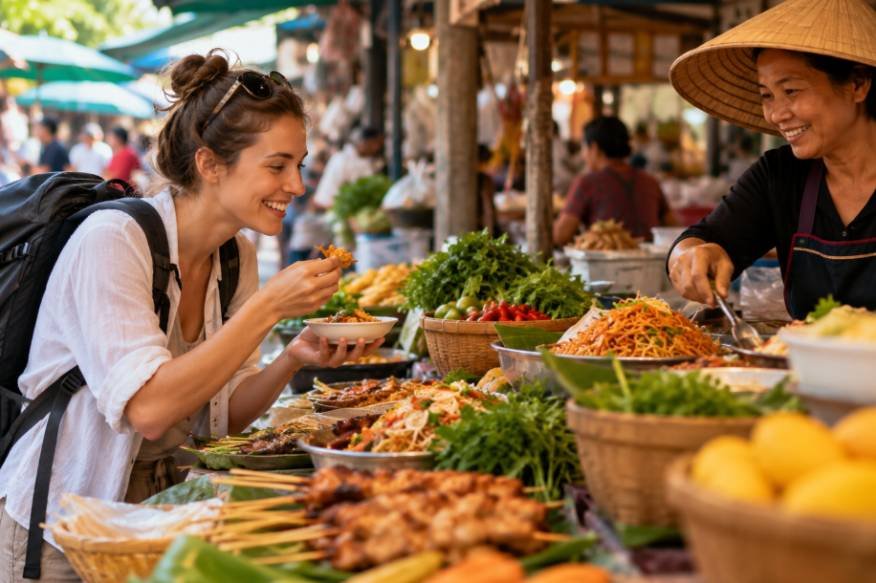
    Food is usually the easiest cultural clue. Stalls may display herbs, chilies, fruit, noodles, fish, meat, spices, sweets, and unfamiliar ingredients. These products reveal what is seasonal or commonly cooked locally.

    Travelers do not need to recognize every ingredient. Notice what shoppers choose and how vendors clean, cut, wrap, grill, steam, or season food. Breakfast can reveal everyday regional habits.

    Wet markets add another layer. The term generally refers to markets where water is used for cleaning floors, produce, or food areas. Travelers may encounter open displays of seafood, meat, and fresh produce rather than chilled supermarket aisles. It shows how food moves from seller to household.

    Crafts and Skills Tell Another Story

    Traditional markets can reveal practical skills that are difficult to encounter elsewhere. Textiles, baskets, ceramics, jewelry, and handmade kitchen tools may sit beside mass-produced goods.

    Look beyond the finished product. The cultural story can be in techniques passed between generations, weaving patterns, local materials, or methods adapted to conditions. When these skills remain part of commerce, heritage stays connected to working life.

    Here, indigenous traditions and cultural experiences in Asia can add another layer to a trip.

    Travelers can encounter knowledge tied to land, materials, food, craft, and community rather than treating culture as a performance created solely for visitors.

    UNESCO also recognizes traditional craftsmanship as a form of intangible heritage where skills and knowledge are passed through communities.

    Every Region Has Its Own Market Rhythm

    Asia does not have one traditional market experience. Southeast Asian markets may feature floating boats, evening food stalls, narrow lanes, and dense street activity. Thailand and Vietnam show how food preparation and shopping can share compact spaces. Recent coverage of Asian floating markets also highlights early-morning trading, fresh produce, prepared food, and local routines.

    East Asian markets often have a structured rhythm, with covered stalls, organized food sections, prepared dishes, and modern conveniences. Taiwan and South Korea show how older habits adapt to urban life.

    South Asian markets can feel broader and more visually layered. Outdoor bazaars may bring together spices, flowers, textiles, produce, cookware, and street food. In India, the mix is striking, yet people are still buying, selling, eating, and meeting.

    Tourism Is Changing Traditional Markets

    Tourism changes some markets. Popular stalls may sell souvenirs, menus may add English, and spaces once used mostly by residents can become attractions.

    Modernization adds pressure through supermarkets, delivery services, digital payments, rising rents, and redevelopment. Some markets adapt by combining old businesses with newer formats. A market can change and still have cultural value. A stall accepting digital payments can reflect local life.

    The distinction matters because authenticity does not mean freezing a community in the past. Markets evolve alongside the people who use them. What travelers see today can be a mixture of inherited habits and newer realities.

    How to Experience a Market Respectfully

    How to Experience a Market Respectfully

    Enter with curiosity rather than expectations. Exploring local festivals beyond Asia’s tourist hotspots can also offer another perspective on community traditions. Observe first. If you want to photograph a vendor or someone’s close-up portrait, ask permission. Avoid blocking walkways, touching products unnecessarily, or disrupting workers.

    A few habits make the experience easier:

    • Visit during normal local hours and buy something when appropriate.
    • Learn a few polite local phrases.

    The most memorable moments are small: watching breakfast prepared with practiced speed, seeing flowers arranged for an offering, or noticing neighbors greet one another.

    Why Ordinary Market Life Stays With You

    The appeal of traditional markets and everyday culture in Asia is not that every market is exotic. These places are valuable because they reveal ordinary life while it is happening. Food is prepared for today’s customers, vegetables are chosen for tonight’s meal, and crafts support livelihoods. Those small details give travel a sense of place that polished attractions cannot always provide.

    A good market visit leaves you noticing more than what is for sale. You notice people, routines, skills, and relationships. That shift can turn a stop into a human part of a trip.

    Frequently Asked Questions 

    1. What is the best time to visit an Asian traditional market?

    Morning is often ideal for seeing residents shop for fresh ingredients and watching vendors begin the day’s work. Night markets offer a different social atmosphere when families and workers gather after dark. Both reveal distinct routines.

    2. Are traditional markets safe for travelers?

    Most established markets are accessible to visitors, but crowded areas require normal precautions. Keep valuables secure and follow local food and hygiene practices. Use extra care with unfamiliar foods if you have allergies or dietary restrictions.

    3. Should travelers bargain at traditional markets?

    It depends on the location. Bargaining is customary in some markets but inappropriate in others. Watch how local shoppers behave before negotiating.

    4. Can I photograph vendors and shoppers?

    Ask before taking close-up portraits. Wide market scenes are usually less intrusive, but respecting privacy should always come first. In busy spaces, step aside before stopping for a photograph.

    What Travelers Carry Home

    A traditional market can change how a traveler understands a place. Instead of remembering only landmarks, you may remember a particular smell, a vendor’s routine, a breakfast stall, or the sound of a busy morning. Those ordinary details often become the memories that make a place feel real.

    The best souvenir may be understanding local life.

  • Farm to Table Travel Destinations USA: Taste the Land, Not Just the Menu

    Farm to Table Travel Destinations USA: Taste the Land, Not Just the Menu

    For me, the most memorable food trips begin where the ingredients are actually grown. A great farm-to-table getaway is not just about booking a restaurant with a seasonal menu—it is about walking through orchards, meeting growers, exploring working farms, tasting food close to the source, and seeing how regional landscapes shape what ends up on the plate.

    That is what makes farm-to-table travel destinations in the USA such a rewarding way to explore the country. From lavender fields in New Mexico and tropical farms in Maui to dairy country in Vermont and orchard-lined estates in Tennessee, these trips combine agritourism, local food, farm stays, regenerative agriculture, and hands-on culinary experiences into one unforgettable journey.

    Where Can You Find the Best Farm-to-Table Getaways in the USA?

    The strongest farm-to-fork vacations combine memorable food with genuine access to the land. Some destinations center on luxury accommodations, while others invite travelers to walk fields, tour greenhouses, collect eggs, learn about regenerative farming, or eat ingredients harvested only hours earlier.

    Los Poblanos, New Mexico: Historic change the intro and title; I want a unique one with the exact keyword Farm Luxury in the Rio Grande Valley

    Los Poblanos Historic Inn & Organic Farm near Albuquerque combines Southwestern history, agriculture, and refined hospitality on 25 acres in the Rio Grande Valley. The estate grows lavender, herbs, fruits, vegetables, botanicals, and other seasonal crops using organic and regenerative practices. Its Campo restaurant builds its Rio Grande Valley cuisine around ingredients from the farm and neighboring New Mexico farmers and ranchers.

    I would consider Los Poblanos especially attractive for travelers who want farm-to-table dining without sacrificing boutique-hotel comfort. Historic architecture, gardens, farm walks, botanical products, and field-to-fork meals make the agricultural landscape part of the entire stay.

    O’o Farm, Maui: Tropical Agriculture From Seed to Cup

    O'o Farm, Maui: Tropical Agriculture From Seed to Cup

    Upcountry Maui offers a completely different agritourism experience. O’o Farm sits on the slopes of Haleakalā near Kula and focuses on culinary farming and regenerative agriculture.

    Visitors can book a seed-to-cup coffee experience that explores the coffee orchard before brunch or choose a farm-to-table tour through vegetable fields, edible flowers, and fruit orchards followed by a seasonal multi-course lunch. Menus change according to what is being harvested.

    For travelers who usually associate Hawaii only with beaches, this is a compelling way to discover the islands through coffee, tropical produce, farming, and food.

    Which Tennessee Farmstays Offer Luxury Seed-to-Table Experiences?

    Tennessee has two particularly strong options for travelers who want agriculture combined with upscale accommodations.

    Southall Farm & Inn, Franklin

    Just outside Nashville, Southall Farm & Inn treats its working farm as the center of the guest experience. Hillside orchards, kitchen gardens, apiaries, propagation facilities, and a large hydroponic greenhouse support its seed-to-table philosophy.

    The property combines traditional growing practices with hydroponic and aquaculture technology. Its orchard contains thousands of apple trees, while its greenhouses and gardens supply ingredients that influence the culinary program.

    It is particularly appealing if you want modern luxury while still seeing how ingredients move from seed to kitchen.

    Blackberry Farm, Great Smoky Mountains

    Blackberry Farm has helped define luxury culinary travel in Tennessee. Set in the foothills of the Great Smoky Mountains, the estate is known for integrating Appalachian food traditions with gardens, artisan food production, farm experiences, and an extensive culinary program.

    For a fall getaway, the surrounding mountain landscape adds another dimension to a food-focused trip, especially for travelers interested in Appalachian ingredients and seasonal cooking.

    Where Can You Experience a Traditional Vermont Farmstay?

    Liberty Hill Farm: Dairy Farming and New England Hospitality

    Liberty Hill Farm: Dairy Farming and New England Hospitality

    Liberty Hill Farm & Inn offers a more traditional interpretation of agritourism. The Vermont property has welcomed overnight visitors since 1984 and combines lodging, home-cooked meals, sustainable hospitality, and an immersive working-farm environment. It is also Vermont’s first certified Green Agritourism Enterprise.

    Instead of separating guests from everyday agricultural life, a Vermont farmstay can bring them closer to the rhythms of dairy farming and rural New England.

    The wider state also rewards food travelers with artisan cheese, maple products, farmers’ markets, apples, and seasonal produce. Late spring through fall works particularly well for travelers who want to combine farm activities with Vermont’s scenic countryside.

    Where Can You Try Off-Grid Agritourism in Oregon?

    Willow-Witt Ranch, Southern Oregon

    Travelers looking for a less polished and more hands-on farm experience should consider Willow-Witt Ranch near Ashland.

    This working organic farm combines off-grid lodging with regenerative agriculture, farm tours, hiking, birding, camping, and livestock experiences. Guests can watch dairy goat milking, help collect chicken eggs, interact with goats, and shop for organic goat milk, eggs, vegetables, and other local products at the farm store.

    The ranch demonstrates how sustainable travel can extend beyond the restaurant table and into conservation, animal care, food production, and the surrounding landscape.

    Willamette Valley: Farms, Markets, and Wine Country

    Farther north, Oregon’s Willamette Valley offers a broader culinary road-trip experience. Hundreds of farms contribute to the region’s agricultural identity, while farm stands and farmers markets sell seasonal crops, meat, cheese, honey, and other locally produced foods. Several farms also offer tours and visitor experiences.

    This makes the valley particularly appealing if you want to combine vineyard visits with farm-to-table dining and local-food exploration.

    What Other US Regions Are Worth Adding to a Farm-to-Table Trip?

    Sacramento deserves attention because its tourism identity strongly connects the city’s chefs with surrounding farmers, ranchers, vintners, and food producers. Its annual Farm-to-Fork events include locally sourced dining and regional tastings, making the California capital an excellent urban base for culinary travelers.

    Sonoma County works well for visitors who want vineyards, orchards, artisan producers, and seasonal California cuisine in one trip. The Hudson Valley provides a similarly rich experience on the East Coast, particularly for travelers combining New York City with orchards, cider, farms, and countryside restaurants.

    These broader regions complement farmstay properties because they let visitors build complete food itineraries instead of remaining at a single resort.

    When Is the Best Time to Plan a Farm-to-Table Vacation?

    When Is the Best Time to Plan a Farm-to-Table Vacation?

    I recommend planning around what you actually want to taste or see being harvested. Summer brings abundant produce across much of the country, while early fall can mean apples in Vermont, wine harvests in California and Oregon, and chile season in New Mexico.

    Maui’s climate makes agricultural experiences possible throughout much of the year, while mountain properties can be more seasonal.

    Farm inns and small-group experiences often have limited capacity, so reserving accommodations, farm dinners, and tours early is sensible during popular harvest periods. Midweek travel may also provide a quieter experience, although prices and availability vary by property.

    Even at luxury resorts, remember that you are visiting working agricultural environments. I would pack comfortable closed-toe shoes that can handle gardens, uneven paths, fields, orchards, and barns.

    Frequently Asked Questions (FAQs)

    1. What are the best farm-to-table travel destinations in the USA for first-time visitors?

    New Mexico, Maui, Tennessee, Vermont, Oregon, California, and New York’s Hudson Valley all provide distinctive experiences. Choose Los Poblanos or Southall for upscale lodging, Liberty Hill for traditional farm life, O’o Farm for tropical agriculture, or Willow-Witt for an ecological working-farm experience.

    2. Are farm-to-table vacations only about restaurants?

    No. The most immersive trips can include farm stays, farm tours, farmers’ markets, orchards, coffee farms, vineyards, dairy operations, regenerative agriculture demonstrations, cooking experiences, and harvest-focused meals.

    3. What is the difference between agritourism and farm-to-table travel?

    Agritourism involves visiting agricultural operations for recreation, education, lodging, or hands-on experiences. Farm-to-table travel focuses more specifically on connecting local agriculture with food and dining. Many of the strongest destinations combine both.

    4. Are farmstays suitable for families?

    Many are, but activities and accommodation styles vary. A traditional farmstay may be particularly engaging for children interested in animals and agriculture, while luxury properties may cater more heavily to couples and culinary travelers.

    A More Meaningful Way to Taste America

    When I plan a food-focused vacation, I want more than a reservation at a famous restaurant. I want to understand the farms, climate, people, and traditions that created the meal. The most memorable farm-to-table travel destinations in the USA make that possible by connecting lodging, agriculture, local producers, and seasonal food into one experience. They can also pair naturally with visits to ethnic food neighborhoods, where immigrant and cultural communities add another layer to the country’s culinary story.

    Whether that means drinking coffee beside a Maui orchard, exploring lavender fields in New Mexico, staying on a Vermont dairy farm, or tasting Oregon produce near where it was grown, these trips transform food from something you consume into a reason to travel.

  • Food Road Trips in the USA: 7 Culinary Routes Worth the Drive

    Food Road Trips in the USA: 7 Culinary Routes Worth the Drive

    Whenever I want to understand a destination beyond its landmarks, I start with its food. Food road trips in the USA make that especially rewarding because crossing one state line can completely change what appears on the plate. 

    Smoky Memphis ribs give way to Mississippi Delta tamales, while coastal South Carolina brings rice and seafood traditions that feel entirely different from Texas barbecue or New England lobster.

    Instead of building a trip around random restaurants, I prefer routes where each stop reveals something about local history, agriculture, immigration, or regional cooking. These seven American culinary road trips combine memorable drives with foods worth planning a vacation around.

    1. Where Should You Drive for a Delta and Soul Food Road Trip?

    The route from Memphis to New Orleans is one of the most flavorful journeys in the South. I would follow Memphis → Clarksdale → Vicksburg → New Orleans, tracing the Mississippi River toward Cajun and Creole country.

    Memphis is the place to begin with barbecue. Central BBQ is associated with Memphis-style smoked meats, while Charlie Vergos’ Rendezvous has built its reputation around seasoned ribs cooked over charcoal.

    In Clarksdale, switch from barbecue to Mississippi Delta hot tamales. Hick’s Famous Hot Tamales has served the local specialty for decades, continuing a regional tradition of seasoned meat wrapped in cornmeal and husks.

    Continue to Vicksburg for Southern comfort food and homemade dessert at Walnut Hills, then finish in New Orleans with shrimp po’boys, crawfish étouffée, pralines, and powdered-sugar beignets at Café du Monde. Walnut Hills highlights Southern cooking and pies, while Café du Monde remains closely associated with beignets and café au lait.

    2. What Is the Best Route for Hot Chicken and Southern Barbecue?

    What Is the Best Route for Hot Chicken and Southern Barbecue?

    For fiery fried chicken, biscuits, barbecue, and soul food, I would drive Nashville → Huntsville → Birmingham → Atlanta.

    Nashville should begin with the city’s signature hot chicken. Prince’s describes itself as Nashville’s original hot chicken restaurant, while the Loveless Cafe has been serving scratch-made biscuits and Southern favorites since 1951.

    Moving into Alabama introduces one of the South’s most distinctive barbecue traditions: white barbecue sauce. Big Bob Gibson Bar-B-Q traces its tangy, peppery white sauce back to 1925 and traditionally pairs it with smoked poultry and pork.

    Atlanta makes a natural finish. I would look for a classic meat-and-three meal—one protein accompanied by Southern sides such as collard greens, macaroni and cheese, fried okra, or field peas—before exploring the city’s newer interpretations of soul food.

    3. Where Can You Experience Lowcountry and Gullah-Geechee Food?

    The Charleston → Beaufort → Savannah route combines coastal scenery with one of America’s most distinctive regional food traditions.

    Charleston is where I would look for red rice, fried chicken, shrimp and grits, she-crab soup, oysters, and other dishes shaped by Lowcountry and Gullah-Geechee influences. Bertha’s Kitchen remains known for soul-food dishes including red rice, fried chicken, seafood, and traditional sides.

    In Beaufort, a Lowcountry boil fits the setting perfectly: shrimp, sausage, corn, and potatoes cooked together and served communally.

    Then continue beneath the Spanish moss into Savannah. Mrs. Wilkes’ Dining Room still serves Southern home cooking family-style at communal tables, with dishes that can include fried chicken, sweet potato soufflé, black-eyed peas, collard greens, okra, and cornbread.

    4. Which Texas Route Is Best for Serious Barbecue Fans?

    No list of food road trips in the USA feels complete without Central Texas.

    I would connect Austin, Lockhart, Luling, and Taylor, allowing two or three days rather than attempting several heavy barbecue meals in one afternoon.

    Brisket should be the centerpiece, but smoked sausage, pork ribs, beef ribs, turkey, pickles, onions, and simple sides are part of the experience. What makes this trip memorable is how individual pitmasters treat smoke, seasoning, wood, and cooking time differently.

    Lockhart is particularly useful as a road-trip stop because several established barbecue businesses sit within a relatively compact area.

    5. Where Should Chile Lovers Road-Trip in New Mexico?

    Where Should Chile Lovers Road-Trip in New Mexico?

    For Southwestern flavors, drive Albuquerque → Santa Fe → Hatch → Las Cruces.

    Along this route, I would look for green and red chile, stacked enchiladas, breakfast burritos, sopaipillas, and dishes shaped by Native American, Spanish, and Mexican influences.

    Hatch gives the journey a clear agricultural connection because the surrounding region is closely associated with chile production. In restaurants across New Mexico, travelers may also encounter the familiar question of red or green chile; asking for “Christmas” usually means getting both.

    This route works particularly well for travelers who want regional cuisine without separating food from landscape and local history.

    6. What Is a Great Midwest Food Road Trip?

    Wisconsin provides a very different culinary experience.

    Start in Milwaukee with bratwurst, cheese curds, frozen custard, and tavern food before heading toward Madison and nearby dairy country. From there, I would continue to Door County for cherry products, fish boils, waterfront dining, bakeries, and supper clubs.

    The supper-club experience is an important part of this route because it turns dinner into a local social tradition rather than simply another restaurant reservation.

    7. What Food Road Trip Combines Seafood and Coastal Scenery?

    For seafood, I would choose either the California coast or New England depending on the season.

    California allows travelers to move from San Francisco through Monterey, the Central Coast, and Santa Barbara while sampling sourdough, seafood, farmers-market produce, wine-country cooking, artichokes, strawberries, and Mexican-American flavors.

    New England offers a completely different coastal trip. A Boston-to-Maine journey can revolve around lobster rolls, clam chowder, fried clams, oysters, scallops, and small harbor seafood shacks.

    How Do You Plan a Food-Focused Road Trip Without Overdoing It?

    How Do You Plan a Food-Focused Road Trip Without Overdoing It?

    The biggest mistake I avoid is scheduling three destination restaurants in a single day. One major meal is usually enough. I fill the remaining time with bakeries, farmers markets, roadside stands, coffee shops, or smaller regional snacks.

    I also check opening days before driving. Some long-running restaurants operate limited hours, close on particular weekdays, or sell out of signature dishes. Current hours can change, so confirming directly before departure is essential.

    Seasonality matters too. Crawfish, lobster, oysters, cherries, farmers markets, and regional food festivals can transform the experience.

    Frequently Asked Questions (FAQs)

    1. What are the best food road trips in the USA?

    Some of the most memorable routes include the Mississippi Delta and New Orleans, Nashville to Atlanta for hot chicken and barbecue, the Lowcountry coast from Charleston to Savannah, Central Texas barbecue country, New Mexico’s chile route, Wisconsin’s cheese and supper club trail, and coastal seafood routes in New England and California.

    2. How many days should I plan for a food road trip?

    Most regional food road trips work well over two to five days. Shorter routes such as Charleston to Savannah can fit into a long weekend, while longer California or New England itineraries may need a week.

    3. What should I eat on a Southern food road trip?

    Look for regional specialties such as Memphis ribs, Delta hot tamales, Nashville hot chicken, Alabama white barbecue sauce, shrimp and grits, Lowcountry boil, po’boys, gumbo, crawfish étouffée, and traditional meat-and-three meals.

    4. How do I plan food road trips in the USA without eating too much?

    I recommend planning one major restaurant meal per day and using the rest of the schedule for bakeries, markets, food stands, coffee shops, and smaller regional specialties. This makes the trip more comfortable and gives you more variety.

    Final Thoughts

    What I enjoy most about food road trips in the USA is that the meals explain the places. Delta tamales tell a different story from Alabama white barbecue sauce, just as Lowcountry rice dishes differ from Wisconsin supper-club cooking or New Mexico chile. That variety is exactly what makes culinary road trips in the USA such a rewarding way to explore the country.

    When I slow down enough to connect the drive, the community, and the food, I get much more than a collection of restaurants. I get a flavorful map of how different parts of America developed their own culinary identity.

  • Lesser-Known Food Destinations in America for Curious Travelers

    Lesser-Known Food Destinations in America for Curious Travelers

    A city can reveal itself through a single bite long before you understand its streets. A smoky piece of brisket in a tiny Texas town, a Basque pintxo in downtown Boise, or a Sonoran hot dog in Tucson can explain generations of migration, agriculture, and local tradition faster than a typical sightseeing itinerary.

    That is what makes lesser-known food destinations in America so rewarding to explore. These places are not trying to compete with New York, Los Angeles, or New Orleans. Instead, they offer something more intimate: regional flavors that still feel closely tied to the communities, landscapes, and people who shaped them.

    Why Is Tucson, Arizona, a Must-Visit City for Sonoran Food?

    Tucson is the clearest example of an underrated American food city with a powerful sense of place. It became the first U.S. UNESCO City of Gastronomy in 2015, and its food culture reflects Indigenous, Mexican, and Sonoran traditions.

    Desert-adapted ingredients such as mesquite, prickly pear, heritage wheat, chiles, and corn give local cooking a distinctive identity. I would start with a bacon-wrapped Sonoran hot dog, fresh flour tortillas, street tacos, tamales, or foods featuring mesquite and prickly pear.

    Tucson works because its cuisine is not simply trendy; it grows from a long regional food story.

    Why Does Boise, Idaho, Have Such a Distinctive Food Culture?

    Why Does Boise, Idaho, Have Such a Distinctive Food Culture?

    Boise deserves attention for a completely different reason. The city has the largest Basque population per capita in the United States, while its downtown Basque Block brings that heritage together through restaurants, cultural organizations, and historic landmarks. It also stands out among America’s ethnic food neighborhoods because its food culture reflects a distinct European heritage in an unexpected Western setting.

    Pintxos, croquetas, chorizo, and paella introduce travelers to Basque and Northern Spanish culinary traditions in an unexpected corner of the American West.

    For me, that cultural concentration is exactly what makes Boise one of America’s most interesting hidden culinary gems.

    What Makes Birmingham, Alabama, an Underrated Southern Food City?

    Birmingham has quietly built a national reputation around modern Southern cooking. James Beard-recognized chefs, including Chris Hastings and Frank Stitt, helped demonstrate how Alabama ingredients, local sourcing, and Southern traditions can support ambitious restaurants without abandoning comfort food.

    I would look for refined meat-and-three plates, Gulf seafood, field peas, okra, barbecue, and wood-fired breads or flatbreads using regional grains.

    Birmingham’s appeal lies in the way talented chefs reinterpret familiar Southern flavors while staying connected to the agricultural abundance of the Gulf South.

    Is Grand Rapids, Michigan, More Than a Craft Beer Destination?

    Absolutely. Grand Rapids is widely associated with craft beer, but its food story goes much further.

    West Michigan’s agricultural landscape supports restaurants that emphasize seasonal produce and ingredients from nearby growers. Grand Rapids tourism also highlights the city’s large craft beverage scene and its strong farm-to-table culture.

    Visitors can pair local beer or hard cider with locally foraged mushroom dishes, artisan cheeses, Polish-influenced pierogies, and seasonal menus sourced from regional farms.

    That combination of agriculture, craft beverages, and Midwestern food traditions makes Grand Rapids an excellent stop for travelers who like eating with the seasons.

    Why Should Barbecue Lovers Visit Brenham, Texas?

    Why Should Barbecue Lovers Visit Brenham, Texas?

    Brenham proves that a serious food destination does not need a huge population. U.S. Census Bureau estimates put the Texas town at just under 20,000 residents in 2025.

    Despite its size, Brenham punches well above its weight when smoked meat enters the conversation. The local tourism organization specifically highlights award-winning barbecue, including restaurants serving brisket, ribs, turkey, pulled pork, and classic sides.

    If I were building a road trip around lesser-known food destinations in America, Brenham would earn a place for delivering the kind of small-town smoked-meat experience many travelers hope to find in Texas.

    What Food Should You Try in Sioux Falls, South Dakota?

    Sioux Falls gives Midwest food travelers something very specific to chase: chislic.

    South Dakota’s regional specialty traditionally consists of cubes of lamb that are fried and seasoned with garlic salt, although beef versions are also common.

    That simple dish immediately connects visitors with local food culture. Pair it with the city’s growing independent restaurant scene, and Sioux Falls becomes far more interesting than travelers who simply pass through South Dakota might expect.

    I always find a destination more memorable when one particular dish feels inseparable from the place.

    Why Is Mystic, Connecticut, Great for a New England Food Trip?

    Mystic offers an appealing alternative for travelers who want New England seafood without building the entire vacation around Boston.

    Connecticut tourism highlights the town’s oysters, lobster rolls, locally sourced seafood, waterfront restaurants, and farm-to-table dining.

    The combination of maritime history, shellfish, waterfront views, and a compact historic center allows the food to become part of the travel experience rather than simply another restaurant reservation.

    I would arrive hungry enough for oysters first and a lobster roll later.

    Why Should Food Travelers Add Saugatuck, Michigan, to Their List?

    Why Should Food Travelers Add Saugatuck, Michigan, to Their List?

    Saugatuck offers another side of Michigan’s regional food culture.

    The surrounding area promotes its agricultural diversity, fresh seasonal cooking, farm-to-table dishes, wines, ciders, and other craft beverages.

    In harvest season especially, orchards, local produce, smoked meats, fruit preserves, cider, and regional wines can shape an entire weekend itinerary.

    Saugatuck works particularly well for travelers who want a relaxed lakeside getaway where the menu changes with the landscape and seasons rather than revolving around one famous restaurant.

    What Makes These Hidden Culinary Destinations Worth the Trip?

    What connects these places is not celebrity dining. It is specificity.

    Tucson tastes like the Sonoran Desert. Boise reflects generations of Basque influence. Birmingham reworks Southern staples for modern diners. Grand Rapids and Saugatuck draw strength from Michigan agriculture. Sioux Falls has chislic, Mystic has New England seafood, and Brenham has Texas smoke.

    When I plan food trips, I usually start with the regional specialty and build outward. I check public markets, independent bakeries, neighborhood restaurants, farms, and seasonal food events before chasing the most photographed dining room.

    That approach often reveals the regional American cuisine that makes underrated food cities genuinely worth visiting.

    Frequently Asked Questions (FAQs)

    1. What Are Some Lesser-Known Food Destinations in America?

    Some of the strongest choices include Tucson, Boise, Birmingham, Grand Rapids, Brenham, Sioux Falls, Mystic, and Saugatuck. Each has a recognizable food identity tied to regional ingredients, agriculture, immigration, or local culinary traditions.

    2. Which Underrated US Food City Is Best for Regional Cuisine?

    It depends on what you want to taste. Tucson stands out for Sonoran and borderlands food, Boise for Basque traditions, Birmingham for contemporary Southern cuisine, Mystic for New England seafood, and Brenham for Texas barbecue.

    3. How Do I Find Authentic Local Food While Traveling?

    I start by identifying dishes associated with the destination. From there, I look for farmers markets, long-running independent restaurants, neighborhood bakeries, locally owned cafes, food halls, and seasonal festivals rather than relying entirely on heavily promoted tourist restaurants.

    A Final Taste of America’s Underrated Food Scene

    The appeal of lesser-known food destinations in America is simple: they give travelers a chance to taste a place rather than merely eat in it.

    For me, that is what makes culinary travel memorable. A Sonoran meal in Tucson, Basque food in Boise, chislic in South Dakota, fresh seafood in Mystic, or slow-smoked brisket in Brenham reveals something about the history and people behind the destination.

    For a US road trip built around regional cuisine, these smaller food cities and hidden towns prove that some of America’s most memorable meals can be found far beyond the country’s famous culinary capitals.

  • Best Places to Visit in Kyushu Japan: An Insider Travel Guide

    Best Places to Visit in Kyushu Japan: An Insider Travel Guide

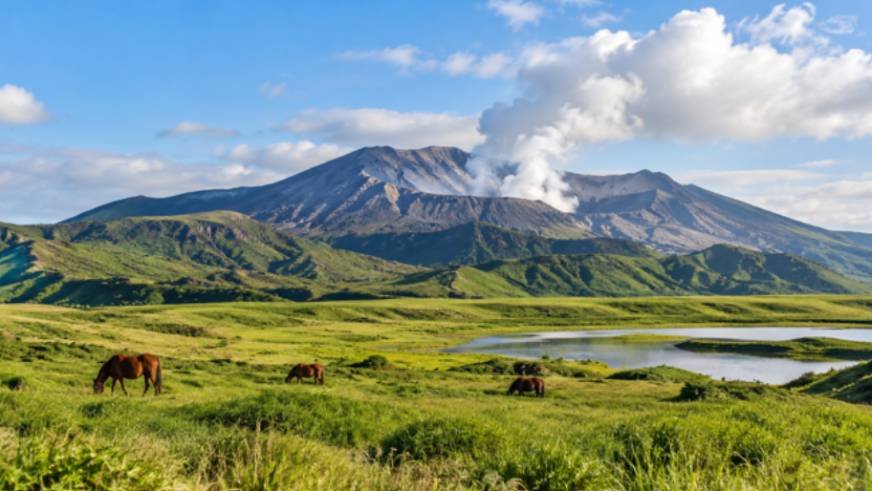
    Standing on the grassy rim of Mount Aso as sulfurous steam rolled across the plains, I realized how few international travelers ever make it south of Osaka. My two-week trek across Japan’s third-largest island proved that skipping this southwestern paradise leaves the best part of the country unexplored. If you are scouting the best places to visit in Kyushu Japan, you will encounter active volcanoes, ancient cedar forests, riverside hot-spring towns, and world-class culinary hubs untouched by massive tour buses.

    Kyushu feels untamed compared to Honshu. Navigating its terrain requires knowing where to slow down, where to board a high-speed bullet train, and where to grab car keys to navigate the misty central highlands.

    The Thermal Heart: Kurokawa Onsen and Beppu’s Geothermal Wonders

    The Thermal Heart Kurokawa Onsen and Beppu’s Geothermal Wonders

    Kyushu sits squarely on the Pacific Ring of Fire. This geology fuels the highest concentration of geothermal hot springs in Japan, creating two very different hot spring cultures just an hour apart.

    Steeping in Edo-Era Seclusion at Kurokawa Onsen

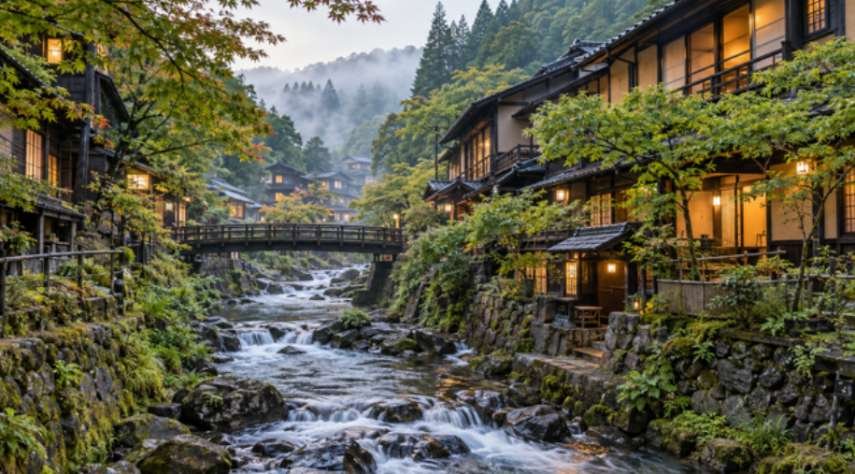
    Kurokawa Onsen tucked into the verdant mountains of Kumamoto Prefecture remains my favorite retreat in East Asia. The town banned concrete high-rises, bright neon signs, and loud commercial billboards decades ago. Instead, dirt paths, earthen plaster walls, and rushing mountain streams frame every ryokan.

    I bought a wooden nyuto tegata (onsen pass) from the visitor center for about $10 USD. This wooden medallion grants access to outdoor baths (rotenburo) across three different inns. Soaking in an open-air cedar tub along the Tanohara River while bamboo leaves rustle overhead delivers instant calm.

    Decoding the Seven Hells of Beppu

    Over on the eastern coast, Beppu approaches geothermal water with theatrical energy. Plumes of steam billow continuously between city apartment complexes. The town’s claim to fame rests on the “Seven Hells” (Jigoku), a collection of boiling mineral pools designed for viewing rather than bathing.

    Umi Jigoku shines a striking cobalt blue despite simmering at 208°F (98°C), while Chinoike Jigoku bubbles with iron-rich red clay. The regional guide from the Japan National Tourism Organization (JNTO) tracks walking loops through these thermal springs, where local vendors sell eggs hard-boiled directly inside the mineral waters.

    Primordial Nature: Mount Aso Caldera and Takachiho Gorge

    Primordial Nature Mount Aso Caldera and Takachiho Gorge

    Central Kyushu hosts landscapes that look lifted from prehistoric times.

    Travelers drawn to dramatic volcanic landscapes, deep gorges, and expansive mountain scenery can also explore the top scenic destinations in eastern Taiwan, where rugged terrain and coastal vistas offer a similarly immersive experience.

    Ancient caldera collapses and deep basalt gorges make this the most striking terrain in the Japanese archipelago.

    Standing on the Rim of Mount Aso’s Nakadake Crater

    Mount Aso is one of the largest active volcanic calderas on Earth, measuring roughly 15 miles across. Driving up the winding Aso Panorama Line brings you through the lush grasslands of Kusasenri, where semi-wild horses graze against the backdrop of smoking Nakadake Crater.

    Volcanic activity shifts quickly here. Before driving up the mountain, monitor real-time gas alerts and safety notices via the Japan Meteorological Agency (JMA) Volcanic Warnings. When alert levels permit approach, standing on the rim looking down into the boiling turquoise acid lake feels like visiting another planet.

    Rowing Through Shinto Mythology at Takachiho Gorge

    A ninety-minute drive south brings you to Takachiho Gorge in northern Miyazaki Prefecture. The Gokase River sliced through columnar basalt sheets created by ancient Aso lava flows, forming vertical 300-foot volcanic walls.

    Renting a wooden rowboat allows you to glide directly beneath Manai Falls, where mountain runoff showers into the teal river below. Legend names Takachiho as the earthly site where the sun goddess Amaterasu emerged from hiding in the Amano Iwato cave, returning sunlight to the world. Walking the paved cliffside trails early in the morning lets you experience the canyon mist before tour groups arrive.

    Urban Energy and Harbor Heritage: Fukuoka to Nagasaki

    Urban Energy and Harbor Heritage Fukuoka to Nagasaki

    Kyushu balances its volcanic interior with dynamic, historic coastal ports that shaped Japan’s contact with the outside world.

    Travelers exploring East Asia may also benefit from comparing Jeju Island vs. Busan, which to visit, as each destination presents a distinctive blend of coastal scenery, cultural heritage, and urban experiences.

    For travelers interested in how history has shaped cities across East Asia, exploring historic cities to visit in South Korea offers another perspective on the region’s cultural heritage, architecture, and maritime connections.

    Hakata Ramen and Riverside Yatai Culture in Fukuoka

    Fukuoka serves as Kyushu’s northern economic anchor. Its culinary scene centers on Hakata tonkotsu ramen—a rich broth simmered from pork bones for over sixteen hours, served with thin, firm noodles.

    Nightfall brings the famous yatai (open-air street stalls) along the riverbanks of Nakasu Island. Each cart seats around eight to ten patrons shoulder-to-shoulder. Squeezing onto a wooden bench over steaming bowls of ramen, grilled pork belly skewers, and cold beer remains one of the warmest social dining experiences in urban Japan.

    Nagasaki’s Layered History and Mount Inasa Views

    Nagasaki sits along a dramatic, mountain-ringed harbor. For over two centuries of national isolation (sakoku), the man-made island of Dejima in Nagasaki harbor stood as Japan’s single window to Western trade through Dutch merchants.

    The Nagasaki Peace Park and Atomic Bomb Museum offer powerful historical education. In the late afternoon, take the ropeway up Mount Inasa. The summit provides a panoramic night view ranked among the top three in Japan, looking across the glittering harbor bowl.

    Kyushu Travel Logistics: Rail Pass vs. Rental Car Cost Reality

    Choosing transit across Kyushu depends heavily on group size and your chosen route:

    • Solo Travelers and Couples: A regional pass from Kyushu Railway Company (JR Kyushu) offers unbeatable convenience along the coastal perimeter. High-speed Shinkansen trains run from Fukuoka to Kagoshima in just 80 minutes, easily beating highway traffic.
    • Groups and Mountain Explorers: For groups of three or four heading to Kurokawa Onsen, Mount Aso, and Takachiho, renting a car in Kumamoto or Fukuoka cuts costs substantially. A standard vehicle rental runs roughly $50 to $70 USD per day.
    • Tolls and Electronic Passes: Highway tolls across central Japan add up quickly. Request an Electronic Toll Collection (ETC) card from your rental agency to access flat-rate express passes and automatic weekend discounts.

    Stop Dreaming and Head South

    Kyushu provides an authentic travel experience that major tourist golden routes cannot match. You can spend the morning staring into an active volcanic crater, the afternoon paddling beneath ancient basalt waterfalls, and the evening eating handmade noodles at a streetside food stall.

    Skip the crowded tourist buses in Kyoto and Tokyo. Book a bullet train south to Hakata, map out a loop through the central mountains, and uncover Japan’s geothermal frontier for yourself.

    Frequently Asked Questions

    1. How many days are ideal to visit Kyushu?

    A 7 to 10-day itinerary allows you to balance major cities like Fukuoka and Nagasaki with the central mountain highlights around Mount Aso.

    2. Is it easy to get around Kyushu without a car?

    High-speed trains connect major cities easily, but reaching rural highlights like Kurokawa Onsen and Takachiho Gorge requires buses or a rental car.

    3. When is the best time of year to visit Kyushu?

    Spring (late March through May) and autumn (October through November) deliver mild temperatures, clear skies for hiking, and vibrant seasonal foliage.

    4. Can tourists drive safely in Kyushu?

    Rural roads are well-maintained with clear English signage, though drivers need an International Driving Permit (IDP) before arriving in Japan.

  • How to Prepare for Your First Solo Trip to Asia Without Arrival-Day Panic

    How to Prepare for Your First Solo Trip to Asia Without Arrival-Day Panic

    The moment I would plan most carefully isn’t the photograph beside a famous temple. It’s standing outside an unfamiliar airport, tired, carrying luggage, and deciding where to go. That ordinary moment explains why learning how to prepare for your first solo trip to Asia matters. 

    I’d rather settle those first decisions at home and leave room for discoveries afterward. A manageable route, reliable accommodation, working phone, and backup money can make the beginning feel much easier.

    1. Choose a Route You Can Comfortably Manage

    Start with your available time, budget, and comfort with unfamiliar surroundings. Compare destinations by transport, language support, accommodation options, and the activities you actually enjoy.

    A city-based trip and an island-hopping adventure in Croatia require different preparation. Islands introduce ferry schedules and weather-dependent transfers, while large cities require careful neighborhood choices.

    For a short first trip, consider one country and a few bases. Count travel days honestly, including packing, transfers, waiting, and checking in. Leave breathing room before your flight home.

    Match Your Destination to the Season

    Research weather for each stop during your exact travel month. Asia does not share one rainy season. Check coastal conditions, mountain temperatures, major holidays, and potential transport disruption before committing.

    2. Check Documents, Health, and Insurance Early

    2 Check Documents, Health, and Insurance Early

    Read official entry instructions for your passport nationality and every country on your route. Check passport validity, visas, permitted stay, arrival forms, and any onward-travel requirements. Transit stops may need separate checks.

    Save your passport, bookings, insurance details, and entry approvals securely offline. Carry paper copies separately from the originals.

    Arrange Destination-Specific Health Advice

    Book a travel-health appointment around four to six weeks before departure when possible. Discuss your route, medical history, accommodation, and planned activities so recommendations fit your circumstances.

    Check medication import rules, including permit requirements. Keep prescriptions and medicines in their original packaging.

    Choose insurance that covers your destinations and activities. Read medical, evacuation, cancellation, and exclusion terms rather than judging a policy only by price.

    3. Build a Budget With Backup Money

    Include accommodation, meals, transport, entry fees, mobile data, laundry, and activities. Add international flights, insurance, visas, and luggage charges separately so your daily allowance remains realistic.

    Keep an emergency reserve accessible for an extra hotel night or unexpected transfer.

    Research cash and card acceptance along your route. Carry a backup card separately, check withdrawal charges, and understand your bank’s overseas authentication process.

    Research how to manage cash and card payments while traveling in Asia before departure. Carry a backup card separately, check withdrawal charges, and understand your bank’s overseas authentication process.

    Never assume a local QR payment system accepts foreign visitors. Confirm eligibility before relying on it, and keep another payment method available.

    4. Book Your Arrival Before Everything Else

    4 Book Your Arrival Before Everything Else

    When considering how to prepare for your first solo trip to asia, give your arrival more attention than your sightseeing list.

    Book your first two or three nights, then check recent reviews mentioning cleanliness, noise, location, and solo stays. Confirm reception hours and late check-in arrangements.

    Choose accommodation near useful transport and somewhere you can comfortably return after dinner. A social hostel may suit meeting people; a private room may better support sleep after a long journey.

    Choose accommodation near public transport in Asia and somewhere you can comfortably return after dinner. A social hostel may suit meeting people; a private room may better support sleep after a long journey.

    Plan the Airport-to-Room Journey

    Save the address in the local language, a map pin, contact number, and booking confirmation. Identify the correct airport terminal, official transport options, approximate journey time, and a backup transfer.

    Keep your first day light: check in, eat, rest, and explore nearby.

    5. Prepare Your Phone and Offline Backups

    Check whether your phone is unlocked and supports your chosen SIM or eSIM. If you are visiting several countries, learn how to choose a travel eSIM for multiple Asian countries and compare coverage, activation timing, data limits, and hotspot rules before departure.

    Install locally useful transport and navigation apps before departure. Download offline maps and translation packs where available.

    Make important information accessible without mobile data. Save accommodation details, tickets, emergency contacts, and insurance assistance instructions.

    Carry a suitable charger and power bank. Learn how to block cards and access essential accounts if your phone disappears, without depending entirely on that device.

    6. Pack for Your Actual Journey

    6 Pack for Your Actual Journey

    Choose luggage you can lift and manage alone. Check baggage limits for every flight, including whether personal items count toward the weight allowance.

    Pack comfortable shoes, repeatable outfits, weather protection, and clothing appropriate for planned religious sites. Check individual dress codes instead of assuming one rule applies everywhere.

    Carry essential medication and documents in your cabin bag. A compact health kit, adapter, and hostel-locker padlock may help, depending on your itinerary. Practice carrying your packed luggage. Remove items that add weight without serving a clear purpose.

    7. Prepare for Safety and Solitude

    Share your itinerary with someone you trust and agree on check-in times. Save local emergency numbers and understand common destination-specific scams. Use verifiable transport, protect your drinks, and avoid broadcasting your live location publicly. Leave situations that feel uncomfortable.

    Plan low-pressure ways to meet people, such as a walking tour, cooking class, or shared accommodation activity. Meeting others does not require abandoning your boundaries. Expect occasional loneliness or decision fatigue. Schedule rest and allow yourself an easy meal or quiet afternoon.

    Frequently Asked Questions

    1.What matters most when learning how to prepare for your first solo trip to Asia?

    Prioritize entry documents, suitable insurance, arrival accommodation, reliable connectivity, and backup money. These preparations help you manage unfamiliar surroundings and unexpected changes.

    2. Should I book the whole trip beforehand?

    Book your first few nights and any essential transport or activities with limited availability. Keep other plans flexible, but check whether holidays or peak demand make advance reservations necessary.

    3. How can I meet people while traveling alone?

    Join walking tours, cooking classes, or activities organized by your accommodation. These offer relaxed opportunities to connect with other travelers while choosing how much you want to socialize.

    4. What should I do if my phone stops working abroad?

    Keep printed accommodation details, emergency contacts, and essential booking information accessible. Carry a backup payment method and ask accommodation staff or an official information desk for help with directions or communication.

    Leave With a Plan You Can Trust

    I’d judge my preparation by whether I could handle a delayed arrival, unavailable data, or a declined card. Keeping backup money, offline directions, and accommodation details ready would help me manage those setbacks calmly.

    I’d also leave room for rest, unexpected discoveries, and plans that change along the way. With those basics covered, I could enjoy the trip without scripting every hour. My goal would be to feel prepared enough to explore at my own pace.