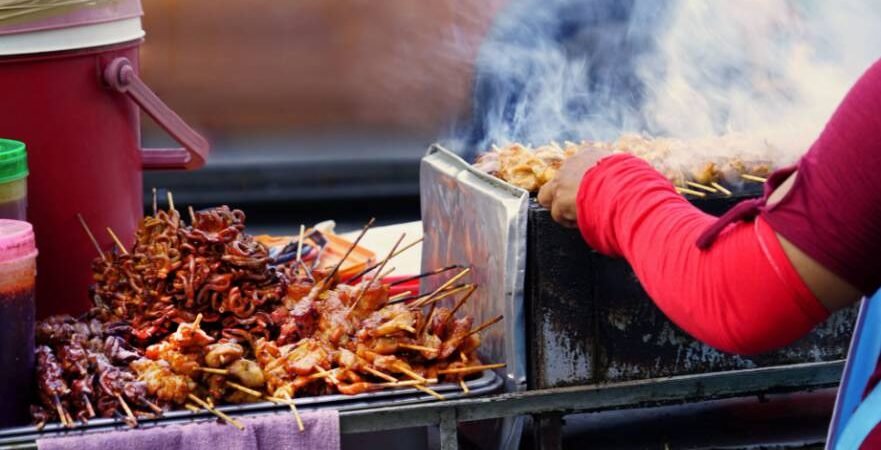
The first clue that this trip will be different comes from the roadside, not the skyline. Smoke drifts from old meat markets, handwritten lunch specials appear in small-town windows, and coolers start filling with sausage long before you reach Lafayette. A Louisiana Cajun food road trip is less about chasing one famous restaurant and more about following the food traditions that change from parish to parish.
I would begin in New Orleans, then drive west through the River Parishes, across the Atchafalaya Basin, and into the heart of Cajun Country. Along the way, the route shifts from pecan-smoked andouille to crawfish étouffée, hot boudin, cracklins, plate lunches, and butcher-shop specialties that rarely feel the same once they are taken out of Louisiana.
For US travelers who want a food trip with real regional character, this is one of the most flavorful drives in the South.
Where Should You Start a Cajun Food Road Trip From New Orleans?
I would start in New Orleans, but I would resist spending the entire trip there. The city offers an excellent introduction to Louisiana cuisine through gumbo, jambalaya, po’boys, fried seafood, and dishes influenced by both Cajun and Creole traditions.
Cajun and Creole cooking overlap, but they grew from different histories. New Orleans Creole food reflects a broad mix of European, African, Caribbean, and local influences, while Cajun cuisine developed largely among Acadian communities across rural South Louisiana.
Once I have had that introduction, I would point the car west toward Louisiana’s River Parishes.
Why Should You Follow the Andouille Trail Through the River Parishes?
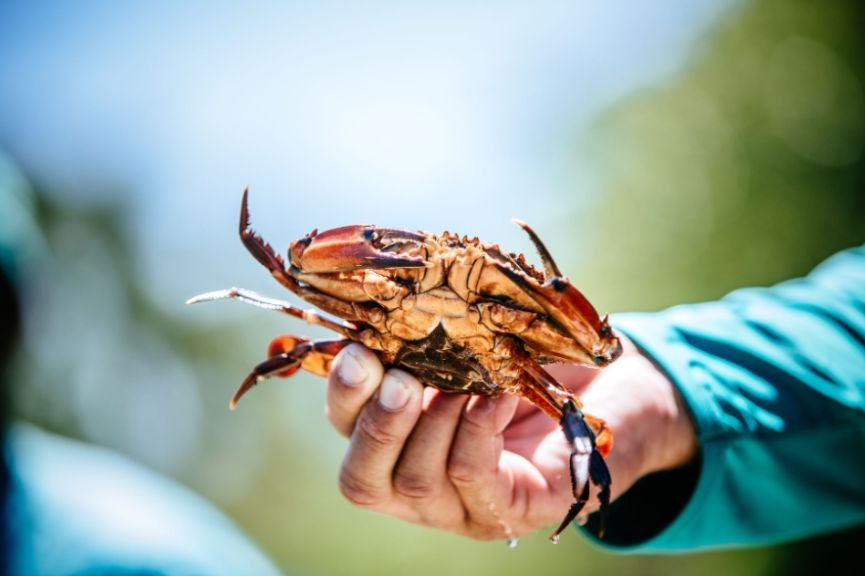
The River Parishes are where the road trip begins to feel distinctly regional. Louisiana’s official Andouille Trail connects businesses that continue the area’s long tradition of producing smoked andouille.
Traditional River Parishes andouille is very different from the mild sausage many shoppers find in supermarkets. Local versions are generally coarse-textured, heavily seasoned, and slowly smoked, with individual smokehouses relying on recipes and methods passed through generations.
I would look beyond conventional restaurants here. Roadside smokehouses, country grocery stores, and meat processors can be some of the most interesting stops because they sell links directly over the counter.
This is also where I would begin filling a cooler. Frozen andouille, smoked tasso, specialty meats, and regional seasonings are much easier to bring home safely when you have plenty of ice and insulated storage.
What Makes the Atchafalaya Basin Drive Part of the Experience?
Continuing west on Interstate 10 takes you across the Atchafalaya Basin Bridge, a roughly 18-mile crossing through one of Louisiana’s defining wetland landscapes.
For me, this stretch matters because the landscape explains the food. Wetlands, waterways, rice fields, fishing communities, and crawfish production all influence the cuisine of Acadiana.
Once the bridge is behind you, Breaux Bridge makes a natural next stop.
What Should You Eat in Breaux Bridge, Louisiana?
Breaux Bridge was officially designated the Crawfish Capital of the World by the Louisiana Legislature in 1959, and its local history is closely tied to crawfish cooking and farming.
I would arrive hungry enough for crawfish étouffée, crawfish jambalaya, or boiled crawfish when they are available. Fried alligator, gumbo, fried seafood, and local plate lunches can also be worth trying.
For travelers who enjoy planning trips around distinctive regional cuisines, knowing how to choose which Asian countries to visit can help when comparing destinations based on food traditions, cultural experiences, and the type of culinary journey they offer.
Some of the most memorable meals may not come from polished dining rooms. Open-air seafood markets, grocery stores, and convenience stores with hot lunch counters often serve the kind of daily food locals actually eat.
When Is the Best Time to Eat Crawfish in Louisiana?
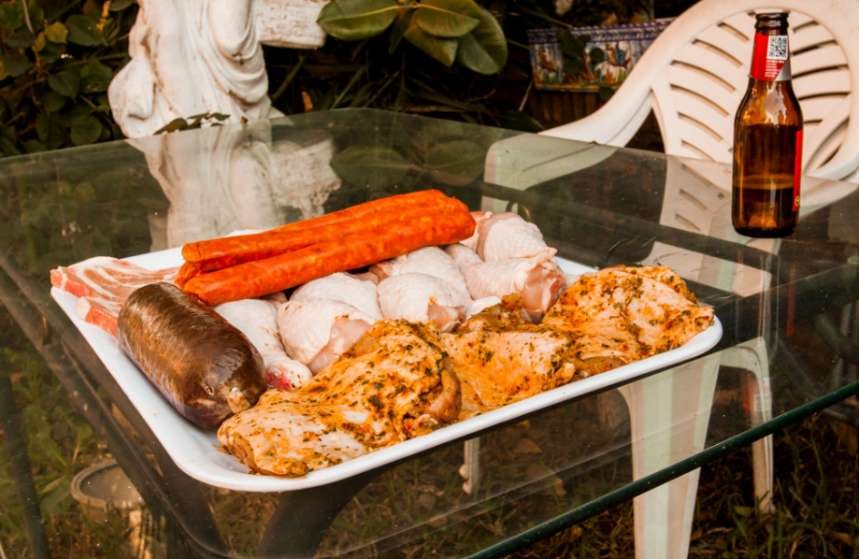
If fresh boiled crawfish are the main reason for the trip, spring is the safest target.
Live crawfish availability changes with weather and environmental conditions. Louisiana Crawfish Company describes a typical live season running roughly December through July, with April and May usually representing the peak period.
For travelers, mid-February through May is a practical window to aim for, but I would always check current availability before building an entire itinerary around a crawfish boil.
Outside crawfish season, there is still plenty to eat. Gumbo, boudin, smoked sausage, rice-and-gravy dishes, étouffée, and plate lunches make this a year-round food destination.
Why Is Lafayette a Must for Cajun Food Lovers?
Lafayette is where I would slow down instead of treating every stop like a checkpoint.
The city sits in the heart of Acadiana and offers an easy introduction to everyday Cajun cooking. I would look for dark-roux gumbo, crawfish or shrimp étouffée, fried catfish, stuffed meats, rice dishes, and traditional plate lunches.
Plate lunches deserve special attention because they reveal a different side of Cajun food than festival dishes. A typical meal may combine meat, gravy, rice, vegetables, beans, or another hearty side.
A successful Louisiana Cajun food road trip should leave enough room for unplanned meals like these. The restaurant you never intended to visit can sometimes become the stop you remember most.
Why Is Scott Called the Boudin Capital of the World?
Scott sits next to Lafayette and was officially designated the Boudin Capital of the World in 2012.
Boudin traditionally combines cooked pork, rice, onions, seasonings, and other aromatics inside a sausage casing. Modern versions can be smoked, fried, stuffed with cheese, or transformed into boudin balls and other variations. The Scott Boudin Festival notes that local versions also include fillings such as crawfish, shrimp, deer, and chicken.
I would try a traditional link first, then move on to pepper jack-stuffed boudin balls and fresh cracklins.
Cracklins bring another level of richness. These crisp pieces of fried pork skin, fat, and meat are salty, crunchy, and almost impossible to eat slowly.
The fun of Scott is moving between butcher shops, specialty meat markets, country supermarkets, and drive-thru boudin windows rather than sitting down for one enormous meal.
For travelers who enjoy discovering regional flavors beyond major cities, exploring small towns with great food in America can reveal similarly distinctive local dishes, family-run eateries, and long-standing culinary traditions.
How Many Days Do You Need for This Cajun Food Route?
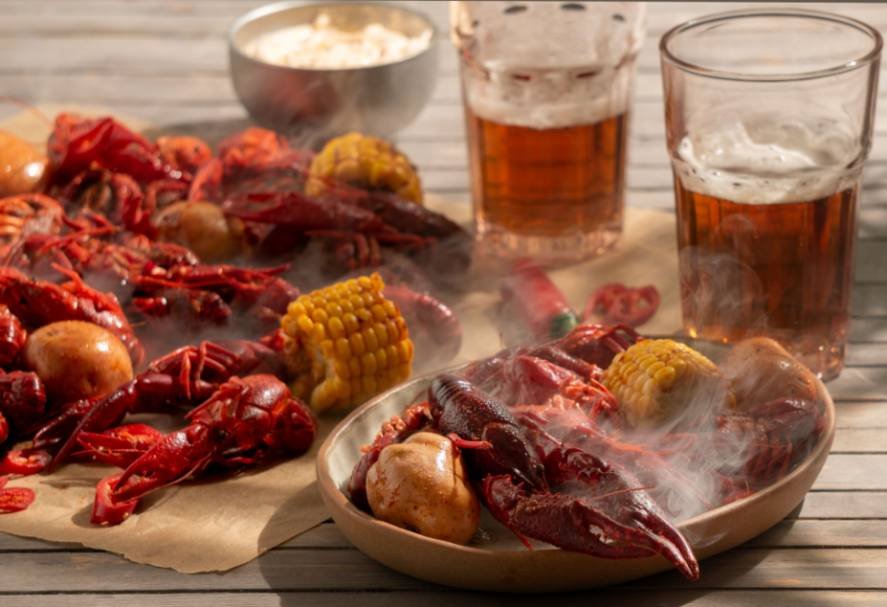
Three days is enough for a focused trip.
I would use the first day for New Orleans and the River Parishes, continuing toward Lafayette. The second day could cover Breaux Bridge and Lafayette. The third could concentrate on Scott, additional boudin stops, and any Cajun Country restaurants missed earlier.
Travelers with four or five days can add swamp experiences, live Cajun or zydeco music, Avery Island, smaller Bayou Teche communities, and additional Louisiana food trails.
If you are interested in exploring similar culinary journeys beyond Louisiana, this guide to food road trips in the USA offers more regional routes built around local specialties and food-focused stops.
What Should You Bring on a Cajun Food Road Trip?
The one item I would not leave behind is a cooler.
Many of the best places on this route are meat markets and specialty grocery stores rather than conventional restaurants. A cooler makes it practical to bring home frozen boudin, smoked andouille, tasso ham, specialty sausages, and other Louisiana products.
I would also avoid scheduling every meal in advance. Leave enough space between stops to follow handwritten specials, unexpected smokehouses, and roadside recommendations.
Frequently Asked Questions
1. What foods should I try in Cajun Country?
Start with gumbo, boudin, cracklins, crawfish étouffée, jambalaya, andouille sausage, boiled crawfish, fried seafood, and a traditional plate lunch.
2. Is Lafayette or New Orleans better for Cajun food?
They offer different experiences. New Orleans provides a broader mix of Creole, Cajun, seafood, and international influences, while Lafayette puts travelers closer to the heart of Acadiana and everyday Cajun cooking.
3. Is Breaux Bridge worth visiting for food?
Yes. Breaux Bridge has a long association with crawfish culture and makes an especially appealing stop during crawfish season.
4. Can you bring boudin home from Louisiana?
Many specialty meat shops sell refrigerated or frozen products suitable for transporting. I would use an insulated cooler and follow the seller’s storage instructions, especially on longer drives or flights.
Bringing the Cajun Country Drive Together
What makes this trip memorable for me is not one legendary dish. It is watching Louisiana’s food change mile by mile.
The final stretch of a Louisiana Cajun food road trip might include smoke curling from a River Parishes smokehouse, crawfish étouffée near Bayou Teche, a plate lunch in Lafayette, and warm boudin eaten minutes after leaving a Scott meat market.
That is why I would never rush this route. Cajun Country rewards travelers who pull off the highway, walk into the small grocery store, ask what is fresh, and leave enough room in the cooler for one more stop.