
For me, the most memorable food trips begin where the ingredients are actually grown. A great farm-to-table getaway is not just about booking a restaurant with a seasonal menu—it is about walking through orchards, meeting growers, exploring working farms, tasting food close to the source, and seeing how regional landscapes shape what ends up on the plate.
That is what makes farm-to-table travel destinations in the USA such a rewarding way to explore the country. From lavender fields in New Mexico and tropical farms in Maui to dairy country in Vermont and orchard-lined estates in Tennessee, these trips combine agritourism, local food, farm stays, regenerative agriculture, and hands-on culinary experiences into one unforgettable journey.
Where Can You Find the Best Farm-to-Table Getaways in the USA?
The strongest farm-to-fork vacations combine memorable food with genuine access to the land. Some destinations center on luxury accommodations, while others invite travelers to walk fields, tour greenhouses, collect eggs, learn about regenerative farming, or eat ingredients harvested only hours earlier.
Los Poblanos, New Mexico: Historic change the intro and title; I want a unique one with the exact keyword Farm Luxury in the Rio Grande Valley
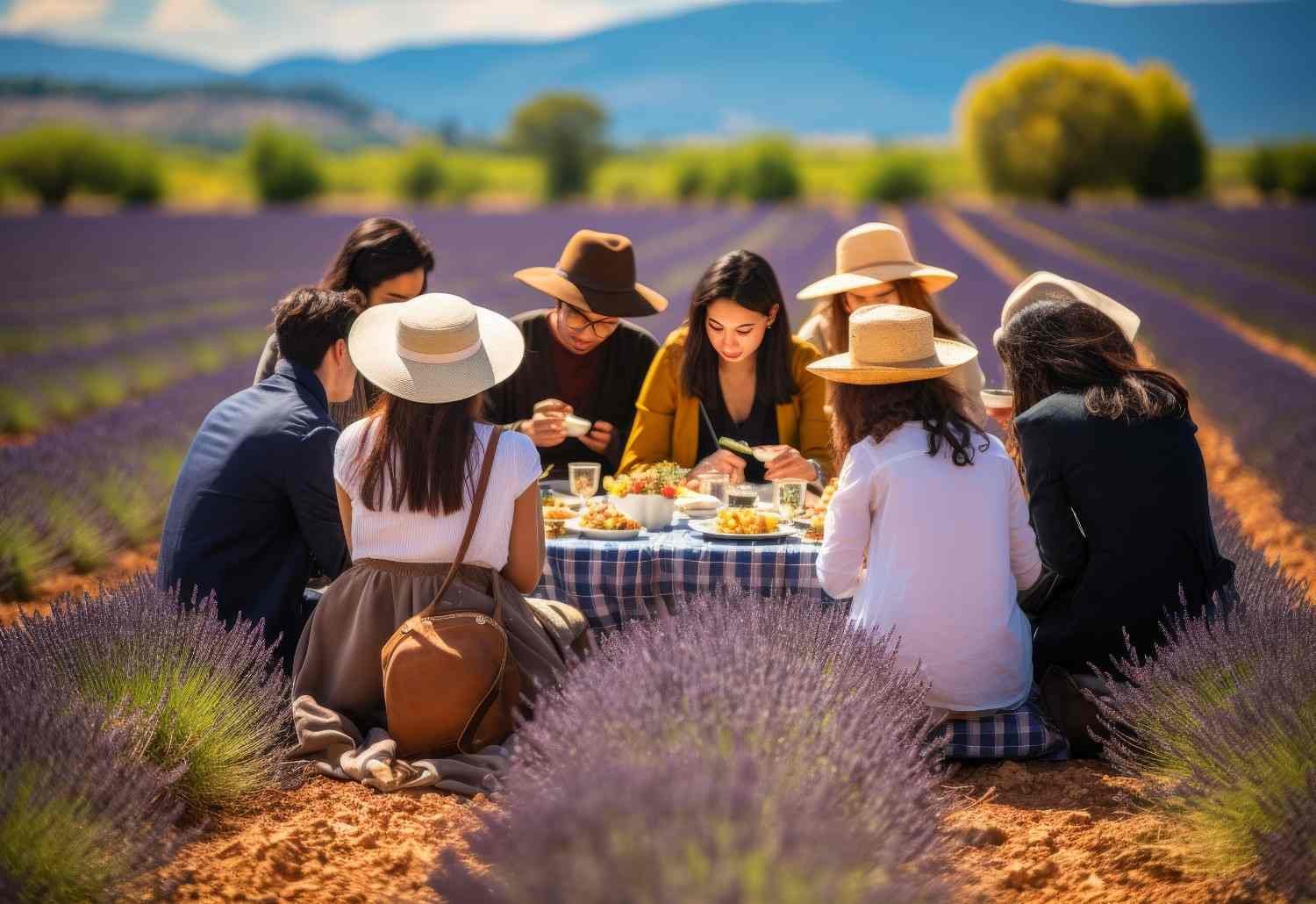
Los Poblanos Historic Inn & Organic Farm near Albuquerque combines Southwestern history, agriculture, and refined hospitality on 25 acres in the Rio Grande Valley. The estate grows lavender, herbs, fruits, vegetables, botanicals, and other seasonal crops using organic and regenerative practices. Its Campo restaurant builds its Rio Grande Valley cuisine around ingredients from the farm and neighboring New Mexico farmers and ranchers.
I would consider Los Poblanos especially attractive for travelers who want farm-to-table dining without sacrificing boutique-hotel comfort. Historic architecture, gardens, farm walks, botanical products, and field-to-fork meals make the agricultural landscape part of the entire stay.
O’o Farm, Maui: Tropical Agriculture From Seed to Cup
Upcountry Maui offers a completely different agritourism experience. O’o Farm sits on the slopes of Haleakalā near Kula and focuses on culinary farming and regenerative agriculture.
Visitors can book a seed-to-cup coffee experience that explores the coffee orchard before brunch or choose a farm-to-table tour through vegetable fields, edible flowers, and fruit orchards followed by a seasonal multi-course lunch. Menus change according to what is being harvested.
For travelers who usually associate Hawaii only with beaches, this is a compelling way to discover the islands through coffee, tropical produce, farming, and food.
Which Tennessee Farmstays Offer Luxury Seed-to-Table Experiences?
Tennessee has two particularly strong options for travelers who want agriculture combined with upscale accommodations.
Southall Farm & Inn, Franklin
Just outside Nashville, Southall Farm & Inn treats its working farm as the center of the guest experience. Hillside orchards, kitchen gardens, apiaries, propagation facilities, and a large hydroponic greenhouse support its seed-to-table philosophy.
The property combines traditional growing practices with hydroponic and aquaculture technology. Its orchard contains thousands of apple trees, while its greenhouses and gardens supply ingredients that influence the culinary program.
It is particularly appealing if you want modern luxury while still seeing how ingredients move from seed to kitchen.
Blackberry Farm, Great Smoky Mountains
Blackberry Farm has helped define luxury culinary travel in Tennessee. Set in the foothills of the Great Smoky Mountains, the estate is known for integrating Appalachian food traditions with gardens, artisan food production, farm experiences, and an extensive culinary program.
For a fall getaway, the surrounding mountain landscape adds another dimension to a food-focused trip, especially for travelers interested in Appalachian ingredients and seasonal cooking.
Where Can You Experience a Traditional Vermont Farmstay?
Liberty Hill Farm: Dairy Farming and New England Hospitality

Liberty Hill Farm & Inn offers a more traditional interpretation of agritourism. The Vermont property has welcomed overnight visitors since 1984 and combines lodging, home-cooked meals, sustainable hospitality, and an immersive working-farm environment. It is also Vermont’s first certified Green Agritourism Enterprise.
Instead of separating guests from everyday agricultural life, a Vermont farmstay can bring them closer to the rhythms of dairy farming and rural New England.
The wider state also rewards food travelers with artisan cheese, maple products, farmers’ markets, apples, and seasonal produce. Late spring through fall works particularly well for travelers who want to combine farm activities with Vermont’s scenic countryside.
Where Can You Try Off-Grid Agritourism in Oregon?
Willow-Witt Ranch, Southern Oregon
Travelers looking for a less polished and more hands-on farm experience should consider Willow-Witt Ranch near Ashland.
This working organic farm combines off-grid lodging with regenerative agriculture, farm tours, hiking, birding, camping, and livestock experiences. Guests can watch dairy goat milking, help collect chicken eggs, interact with goats, and shop for organic goat milk, eggs, vegetables, and other local products at the farm store.
The ranch demonstrates how sustainable travel can extend beyond the restaurant table and into conservation, animal care, food production, and the surrounding landscape.
Willamette Valley: Farms, Markets, and Wine Country
Farther north, Oregon’s Willamette Valley offers a broader culinary road-trip experience. Hundreds of farms contribute to the region’s agricultural identity, while farm stands and farmers markets sell seasonal crops, meat, cheese, honey, and other locally produced foods. Several farms also offer tours and visitor experiences.
This makes the valley particularly appealing if you want to combine vineyard visits with farm-to-table dining and local-food exploration.
What Other US Regions Are Worth Adding to a Farm-to-Table Trip?
Sacramento deserves attention because its tourism identity strongly connects the city’s chefs with surrounding farmers, ranchers, vintners, and food producers. Its annual Farm-to-Fork events include locally sourced dining and regional tastings, making the California capital an excellent urban base for culinary travelers.
Sonoma County works well for visitors who want vineyards, orchards, artisan producers, and seasonal California cuisine in one trip. The Hudson Valley provides a similarly rich experience on the East Coast, particularly for travelers combining New York City with orchards, cider, farms, and countryside restaurants.
These broader regions complement farmstay properties because they let visitors build complete food itineraries instead of remaining at a single resort.
When Is the Best Time to Plan a Farm-to-Table Vacation?

I recommend planning around what you actually want to taste or see being harvested. Summer brings abundant produce across much of the country, while early fall can mean apples in Vermont, wine harvests in California and Oregon, and chile season in New Mexico.
Maui’s climate makes agricultural experiences possible throughout much of the year, while mountain properties can be more seasonal.
Farm inns and small-group experiences often have limited capacity, so reserving accommodations, farm dinners, and tours early is sensible during popular harvest periods. Midweek travel may also provide a quieter experience, although prices and availability vary by property.
Even at luxury resorts, remember that you are visiting working agricultural environments. I would pack comfortable closed-toe shoes that can handle gardens, uneven paths, fields, orchards, and barns.
Frequently Asked Questions (FAQs)
1. What are the best farm-to-table travel destinations in the USA for first-time visitors?
New Mexico, Maui, Tennessee, Vermont, Oregon, California, and New York’s Hudson Valley all provide distinctive experiences. Choose Los Poblanos or Southall for upscale lodging, Liberty Hill for traditional farm life, O’o Farm for tropical agriculture, or Willow-Witt for an ecological working-farm experience.
2. Are farm-to-table vacations only about restaurants?
No. The most immersive trips can include farm stays, farm tours, farmers’ markets, orchards, coffee farms, vineyards, dairy operations, regenerative agriculture demonstrations, cooking experiences, and harvest-focused meals.
3. What is the difference between agritourism and farm-to-table travel?
Agritourism involves visiting agricultural operations for recreation, education, lodging, or hands-on experiences. Farm-to-table travel focuses more specifically on connecting local agriculture with food and dining. Many of the strongest destinations combine both.
4. Are farmstays suitable for families?
Many are, but activities and accommodation styles vary. A traditional farmstay may be particularly engaging for children interested in animals and agriculture, while luxury properties may cater more heavily to couples and culinary travelers.
A More Meaningful Way to Taste America
When I plan a food-focused vacation, I want more than a reservation at a famous restaurant. I want to understand the farms, climate, people, and traditions that created the meal. The most memorable farm-to-table travel destinations in the USA make that possible by connecting lodging, agriculture, local producers, and seasonal food into one experience. They can also pair naturally with visits to ethnic food neighborhoods, where immigrant and cultural communities add another layer to the country’s culinary story.
Whether that means drinking coffee beside a Maui orchard, exploring lavender fields in New Mexico, staying on a Vermont dairy farm, or tasting Oregon produce near where it was grown, these trips transform food from something you consume into a reason to travel.