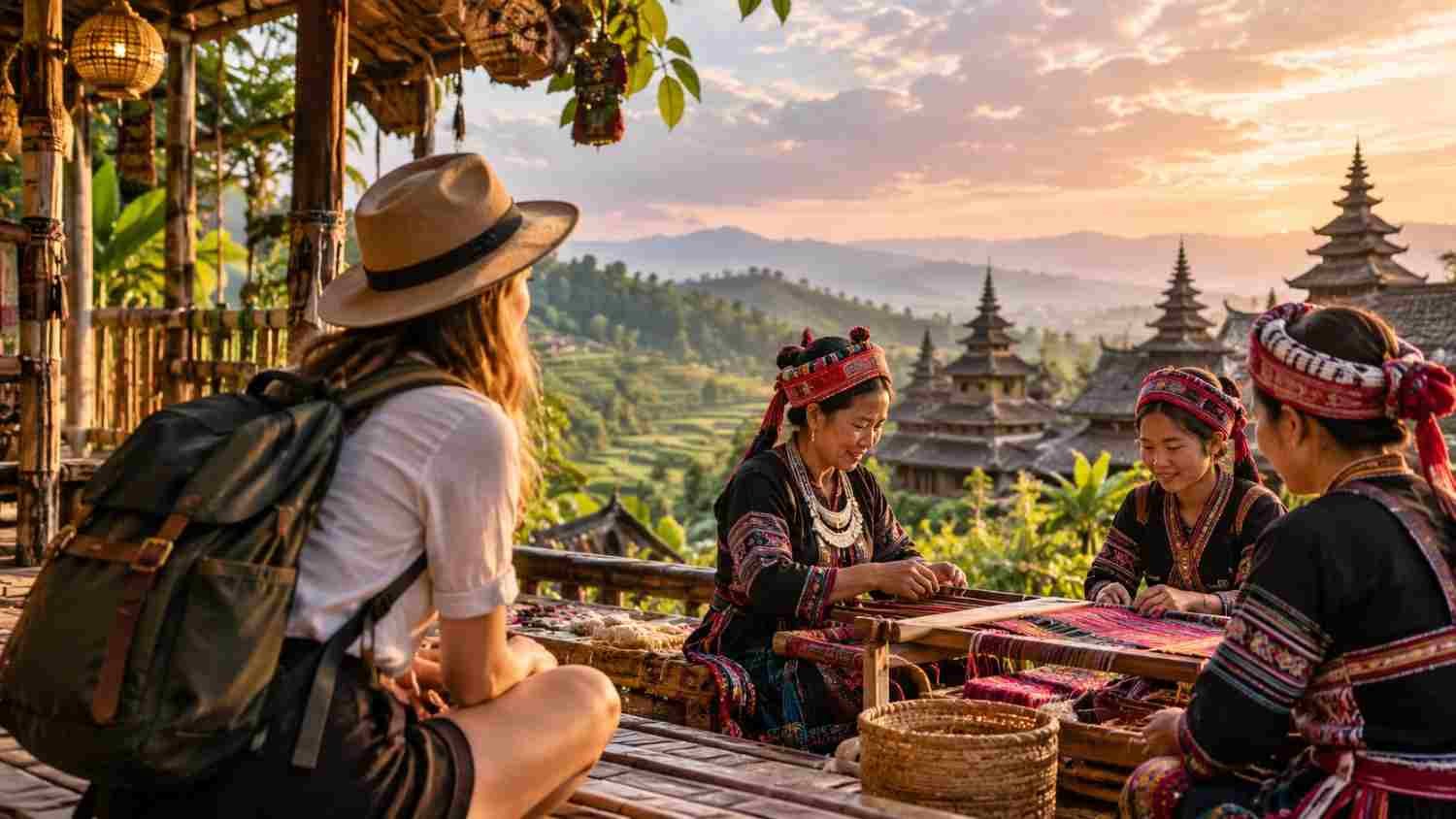
I’ve always found that travel becomes more meaningful when I look beyond famous landmarks and spend time learning how people live. Across Asia, traditional homes, family ceremonies, handmade crafts, and everyday customs reveal stories that architecture and guidebooks alone cannot tell. These experiences offer a closer connection to the people who keep cultural heritage alive.
I’ve also noticed that the most memorable cultural encounters often require patience rather than a packed itinerary. Sharing a meal with a host family or listening to an artisan explain a centuries-old technique can change how a destination feels. Across Asia, Indigenous communities and ethnic groups preserve distinctive knowledge, beliefs, and traditions that deserve attention, curiosity, and respect.
What Makes Indigenous Cultural Experiences Meaningful?
Cultural traditions are more than performances for visitors. They connect families to their ancestors, express spiritual beliefs, and pass practical knowledge between generations. These living traditions may include agricultural practices, weaving, oral storytelling, seasonal celebrations, and ceremonies marking important stages of life.
Asia is extraordinarily diverse, so Indigenous identity should never be treated as one shared culture. Communities have their own languages, histories, and customs, and some prefer limited contact with tourism. Choosing experiences led by local people allows visitors to learn directly from those who understand the meaning behind their traditions.
Indigenous Traditions Worth Discovering Across Asia
Tana Toraja Rituals in Indonesia
In the highlands of South Sulawesi, the Toraja people are known for elaborate funeral ceremonies, distinctive ancestral houses, and cliffside burial sites. Traditional Tongkonan houses feature dramatic, boat-shaped roofs and intricate decorations that reflect family identity and social history.
Funeral ceremonies, including Rambu Solo, can involve extensive preparations and bring relatives together to honor someone who has died. Carved wooden figures called tau-tau may stand near burial sites, representing deceased family members and maintaining a symbolic connection between the living and the dead.
Visitors can explore traditional villages such as Ke’te Kesu and learn about Toraja architecture and craftsmanship. However, funerals are family and community events, not staged attractions. Attend only when invited or clearly permitted, follow local guidance, and ask before photographing people or burial areas.
Hmong and Red Dao Homestays in Vietnam
Northern Vietnam’s Sapa region offers another perspective on living cultural heritage. Hmong and Red Dao communities maintain distinctive textile traditions, agricultural knowledge, clothing styles, and local food customs among the region’s terraced mountains.
A locally guided trek can lead through rice fields and villages, while a family homestay provides time to share meals and hear stories about everyday life. Travelers may also learn about indigo dyeing, embroidery, traditional weaving, and the work involved in farming steep mountain slopes.
Look for community-led experiences where local guides and host families receive fair payment. A homestay should offer a genuine exchange, not an opportunity to treat someone’s home as a display. Ask permission before taking photographs, especially of children, and respect household routines.
Kazakh Eagle Hunting in Kazakhstan
On Kazakhstan’s wide-open steppes, berkutchi, or traditional eagle hunters, maintain a practice rooted in Kazakh cultural heritage. Hunters train golden eagles to work alongside them, drawing on knowledge of animal behavior, horsemanship, and the landscape.
The tradition reflects a close relationship between people, animals, and the environment. It is also a skill that requires years of learning, rather than a spectacle that can be understood through a brief photograph.
Travelers can seek demonstrations or cultural events led by experienced practitioners. Ask how the birds are cared for and trained, and choose hosts who explain the tradition in their own words. Respectful questions can make the experience more informative than simply watching an eagle take flight.
Morning Alms Giving in Luang Prabang, Laos
In Luang Prabang, the Buddhist practice known as Sai Bat takes place early each morning. Monks and novices walk quietly through the streets while residents offer food, often sticky rice, as part of a longstanding religious tradition.
The ceremony is rooted in Buddhist practice and the relationship between monastic communities and local residents. Visitors can observe, but participation should not be treated as a travel photo opportunity.
Dress modestly, remain quiet, keep a respectful distance, and avoid flash photography. If you wish to make an offering, learn the proper method beforehand and follow local guidance. Otherwise, observe without interrupting the procession or blocking residents who have come to take part.
Meeting Japan’s Ama Divers
Along Japan’s Ise-Shima coastline, ama, or traditional female free divers, harvest seafood without breathing apparatus. Their knowledge includes breath control, local marine conditions, and techniques passed between generations. The practice is closely connected to coastal livelihoods and the sea.
At an ama hut experience, visitors may share a meal, hear divers describe their work, and learn about local seafood traditions. These conversations offer insight into a demanding occupation and the knowledge required to continue it. Booking directly through established local experiences can help support the women who preserve this heritage.
Discover Cultural Experiences Beyond the Usual Tourist Trail
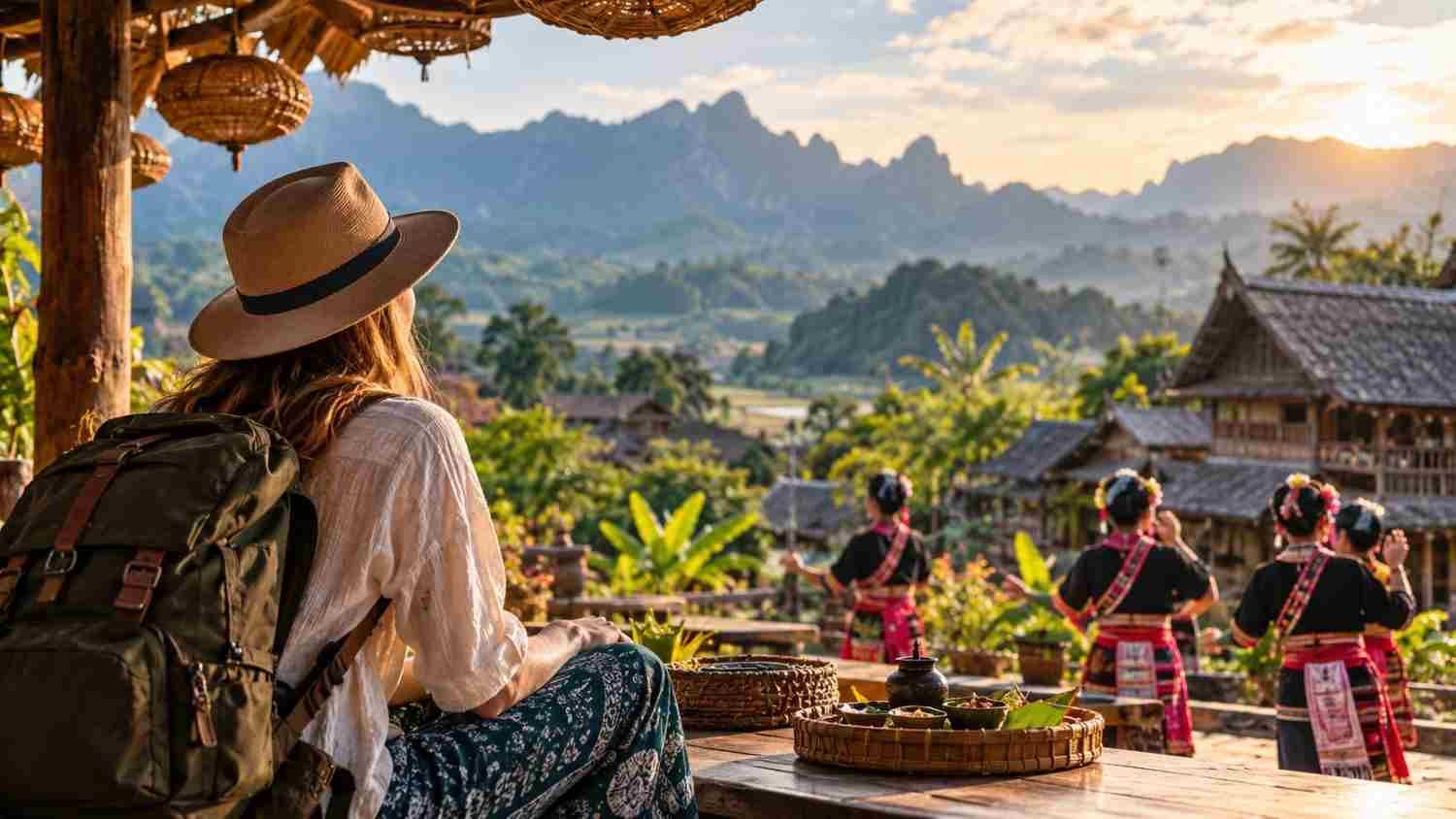
Some of Asia’s most meaningful encounters happen away from major attractions. Smaller village markets, craft workshops, locally organized walks, and seasonal celebrations can introduce travelers to traditions that remain part of ordinary life. Exploring local festivals beyond Asia’s tourist hotspots can also reveal regional music, food, dance, and community customs that receive less international attention.
Plan around the community’s calendar rather than expecting a ceremony to happen for visitors. Ask local guides which events welcome guests, and be prepared to change plans when a gathering is private. Spending money on locally made crafts, meals, and guiding services can help cultural tourism benefit the people sharing their knowledge.
How Modern Cities Keep Ancient Traditions Alive
Cultural heritage does not disappear when people move to cities. Traditional crafts, religious observances, regional cuisines, and community celebrations continue in urban neighborhoods, sometimes adapting to new ways of living. Exploring modern cities preserving ancient traditions helps travelers see how heritage changes while remaining meaningful.
Look for cultural centers, artisan cooperatives, neighborhood temples, and workshops where practitioners explain their work. These places can reveal how younger generations learn inherited skills while balancing education, employment, and modern life. Tradition is not frozen in the past; communities decide what to preserve and how to carry it forward.
How to Experience Local Traditions Respectfully
Before booking, find out who organizes the experience and who receives the payment. Prefer local guides, family-run homestays, and community-owned businesses when possible. Read cultural guidelines in advance, dress appropriately, and ask before photographing people, homes, ceremonies, or sacred objects.
Avoid buying artifacts made from protected wildlife or cultural objects that may have been removed from heritage sites. Most importantly, accept that some traditions are not open to outsiders. Respecting a boundary is part of understanding a culture, not a missed travel opportunity.
FAQs: Indigenous Traditions and Cultural Experiences in Asia Worth Discovering
1. What are some meaningful cultural experiences in Asia?
Consider a Toraja heritage visit, a Hmong homestay in Vietnam, Kazakh eagle hunting demonstrations, Luang Prabang’s morning alms ceremony, or an ama diver experience in Japan.
2. How can travelers support Indigenous communities?
Book locally led tours, stay with host families, purchase crafts directly from artisans, and follow community guidelines.
3. Can visitors participate in traditional ceremonies?
Sometimes, but permission varies by community and event. Ask a local host and never assume a sacred ceremony is open to tourists.
4. When should I plan a cultural trip?
Check local festival calendars and seasonal conditions before booking. Some ceremonies follow religious or community schedules that change annually.
Why Living Traditions Deserve to Be Experienced With Care
The value of cultural travel lies in understanding that every tradition belongs to people with their own priorities, beliefs, and changing lives. A thoughtful visit creates space to listen, ask questions respectfully, and appreciate the knowledge behind a ceremony, craft, or meal. When communities guide the experience, tourism can support livelihoods while giving visitors a richer understanding of Asia’s cultural diversity.
Travel with curiosity, but leave room for humility. The most meaningful memories often come from listening well and knowing when to step back.
Leave a Reply