Centuries of royal power, sacred Buddhist art, and preserved fortress walls define the best historic cities to visit in South Korea. When I stepped out into Gyeongju under the silhouettes of millennium-old royal burial mounds, modern high-rises felt thousands of miles away. Traveling across this country rewards anyone willing to step past the neon glow of futuristic city centers to find living imperial heritage.
You can map ancient dynastic routes by high-speed rail with remarkable ease. Five destinations show you how different rulers, scholars, and architects left their mark on the peninsula.
The Core Dynastic Split: Silla Antiquity vs. Joseon Royalty
South Korea’s historic destinations divide neatly across two main cultural eras: the Silla Kingdom (57 BCE–935 CE) and the Joseon Dynasty (1392–1910). Understanding this timeline changes how you see each site.
Silla culture centered around deep Buddhist devotion, gold crowns, and massive earth-mound tombs. Joseon culture shifted power toward strict Neo-Confucian governance, balanced timber palaces, and defensive stone ramparts. Experiencing both sides gives you a balanced look at the nation’s past.
1. Gyeongju: The Open-Air Relic of the Silla Kingdom
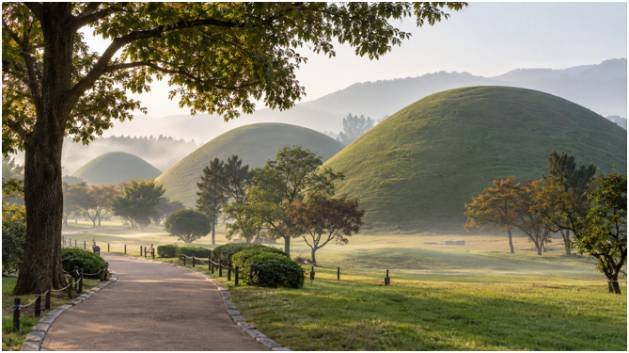
Gyeongju served as the capital of the Silla Kingdom for nearly 1,000 years. The entire downtown functions like an archaeological park, documented as a premier UNESCO World Heritage Site.
Walking Among Ancient Tumuli at Daereungwon
The tumuli at Daereungwon rise directly out of manicured green lawns. These towering mounds conceal the resting places of ancient kings and queens. You can enter Cheonmachong Tomb to view excavated gold crowns, decorative saddles, and jade ornaments.
Rent a bicycle near Hwangridan-gil street to ride past Cheomseongdae, the oldest surviving astronomical observatory in East Asia. Visit Donggung Palace and Wolji Pond around dusk. The lighting reflects ancient wooden pavilions across black water, showing off the royal villa at its best.
Sacred Stone Architecture: Bulguksa and Seokguram
Bulguksa Temple sits along the cedar-forested slopes of Mount Toham. The stone terraces, staircases, and twin pagodas (Dabotap and Seokgatap) reveal high-level eighth-century stonemasonry. Higher up the ridge lies Seokguram Grotto, housing a granite Buddha gazing out toward the East Sea.
Gyeongju Pro Tip:
Take express bus 10 or 11 from the city center to reach Bulguksa in 35 minutes. Arrive at 9:00 AM before tour coaches pull up.
2. Seoul: Imperial Power Centers of the Joseon Dynasty
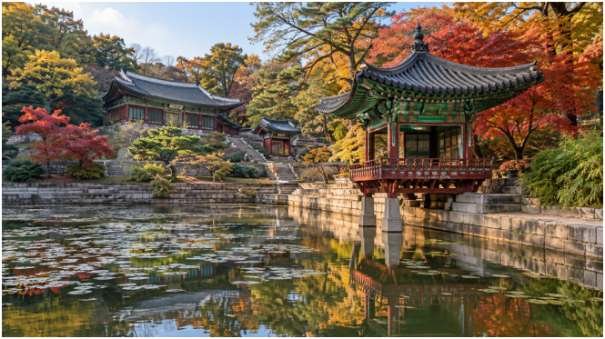
Seoul became the capital in 1392 under King Taejo. The city still preserves five grand royal palace complexes right in its downtown district.
Beyond Gyeongbokgung: The Secret Garden of Changdeokgung
Gyeongbokgung draws big crowds for its colorful royal guard ceremonies. My personal favorite, however, is Changdeokgung. Joseon rulers favored this palace because its architecture adapts to the natural mountain contours rather than imposing a rigid grid.
You must book a guided ticket for Huwon, the Secret Garden behind the palace. Centuries-old lotus ponds, secluded pavilions, and forested ravines provided privacy for kings studying poetry away from royal court pressures.
Steps away from Changdeokgung, Bukchon Hanok Village preserves narrow alleys of residential timber homes. Keep voices low here; local families still live in these traditional houses.
3. Andong: The Living Confucian Heartland
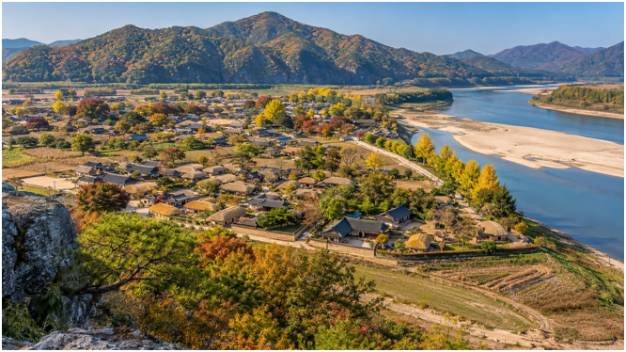
Andong sits nestled in the Nakdong River valley as the spiritual heart of Korean Neo-Confucian philosophy. It holds some of the deepest clan traditions in East Asia.
Staying Overnight in Hahoe Folk Village
The Ryu clan established Hahoe Folk Village during the early Joseon period. Descendants still live in these aristocratic tile-roofed residences (giwa) and straw-thatched cottages (choga).
Jeonju vs. Andong Hanok Stays:
– Jeonju Hanok Village: Boutique hotels, en-suite western bathrooms, vibrant café culture, busy night markets.
– Andong Hahoe Village: Pure rural quiet, centuries-old homes, shared facilities, absolute stillness after 5:00 PM.
I spent an autumn night sleeping on a traditional heated floor (ondol) at a Hahoe homestay. The absolute quiet after day-trippers left was unforgettable.
Catch the satirical Hahoe Mask Dance (Byeolsingut Talnori) on weekend afternoons. Afterward, hire a wooden flat-bottomed boat across the river to climb Buyongdae Cliff for sweeping panoramic views of the entire river bend.
4. Jeonju: Dynastic Culinary Traditions and Urban Hanoks
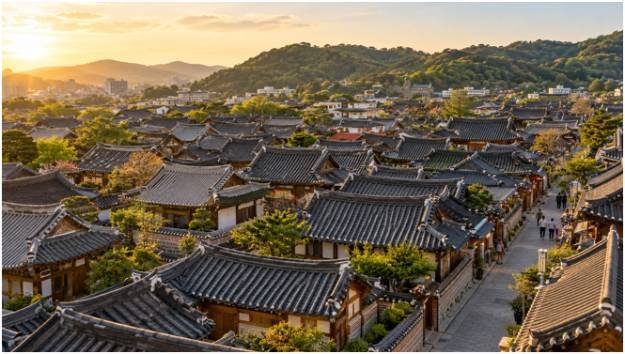
Jeonju was the ancestral hometown of the Joseon royal lineage and now stands as an official UNESCO City of Gastronomy. It holds over 700 hanoks packed neatly into an urban village core.
Gyeonggijeon Shrine sits at the entrance of the village. It houses the surviving portrait of King Taejo, painted with intricate royal pigments. Jeonju is also the birthplace of bibimbap. The local version layers warm rice cooked in beef broth with fresh vegetables, soybean sprouts, raw beef tartare (yukhoe), and fermented chili paste in a heated brass bowl.
If you plan to visit coastal resorts like jeju island for beaches and volcanic hiking, pairing it with Jeonju creates a rewarding balance between cultural history and island scenery.
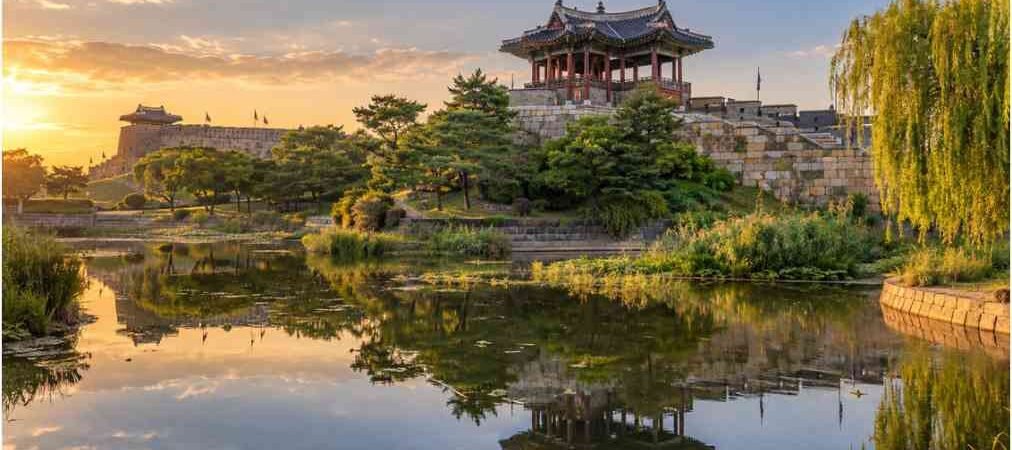
5. Suwon: 18th-Century Bastions and King Jeongjo’s Fortress
Located just 45 minutes south of central Seoul by subway Line 1, Suwon showcases late Joseon military defense architecture.
King Jeongjo constructed Hwaseong Fortress in the late 1700s to house his father’s tomb and protect trade routes. The 3.5-mile stone wall snakes across hilly terrain, incorporating observation towers, secret sally ports, floodgates, and artillery bastions.
Walk along the parapets from Paldalmun Gate up to the western command post. Detailed restoration standards overseen by the Cultural Heritage Administration of Korea make Suwon one of the most accessible historic day trips in the capital region.
Essential High-Speed Rail Logistics Across South Korea
South Korea’s modern train system makes traveling between historic hubs fast and reliable.
Sample 6-Day Rail Route:
– Day 1–2: Seoul (Royal Palaces & Bukchon)
– Day 3: Suwon Fortress (45-min subway from Seoul), then evening train to Andong
– Day 4: Andong (Hahoe Folk Village)
– Day 5–6: Gyeongju (Daereungwon & Bulguksa via KTX)
Book your rail seats through Korail up to 30 days before departure. The KTX bullet train connects Seoul to Gyeongju in two hours, while the KTX-Eum train reaches Andong Station in two hours from Cheongnyangni Station. Use a rechargeable T-Money transit card to pay for local buses and subways across all five cities.
Frequently Asked Questions About Historic Cities in South Korea
1. What is the most historic city in South Korea?
Gyeongju holds the title of South Korea’s most historic city due to its vast concentration of ancient Silla Kingdom royal tombs, temples, and open-air monuments.
2. How do I travel between historic cities without renting a car?
High-speed KTX trains and local express buses connect Seoul, Suwon, Andong, and Gyeongju directly without requiring a car rental.
3. How many days are needed to explore Gyeongju’s main sites?
Two full days provide enough time to visit Daereungwon, Bulguksa Temple, Seokguram Grotto, and the night grounds at Donggung Palace.
4. Which Korean city offers the most authentic hanok stay?
Andong Hahoe Village provides the most authentic, rustic hanok stay, whereas Jeonju provides modern boutique amenities in a livelier setting.
Pack Your Bags: Time Travel Done Right
Skip the crowded tourist buses and build your itinerary around early mornings and late afternoons. Exploring Bulguksa when morning mist still hangs over Mount Toham or walking through Hahoe Village after tour groups head home will stay with you forever. Book your rail tickets early, pick a traditional guesthouse, and step right into Korea’s living past.