
A city’s food history rarely stays silent. It survives in the clang of market stalls opening at dawn, in recipes handed down behind family counters, and in old halls where locals have shopped for generations.
That is what makes historic food markets in the USA so compelling to me. They are not frozen relics from another era. They are active places where architecture, immigrant traditions, regional ingredients, and everyday American life still meet across the same counters.
What interests me most is how different each market feels. Lancaster carries Pennsylvania Dutch traditions, New Orleans reflects centuries of cultural exchange, Cleveland showcases immigrant food heritage, and Los Angeles turns historic market spaces into energetic modern food destinations.
Exploring them is one of the easiest ways to understand how American cities developed their own culinary identities.
Why Is Lancaster Central Market So Historically Important?
Lancaster Central Market is the natural place to begin. Established in 1730, it is America’s oldest continuously operating public market. The striking red-brick Market House visitors see today opened in 1889 and remains one of downtown Lancaster’s defining landmarks.
I would arrive hungry for Pennsylvania Dutch flavors. Scrapple, chowchow, baked goods, meats, dairy, and seasonal produce connect the market to Lancaster County’s agricultural traditions while long-established vendors keep the historic market-hall experience alive.
What Makes Old Town Farmers’ Market Unique?
Alexandria’s Old Town Farmers’ Market is described by the city as the country’s oldest farmers’ market held continuously at the same site. George Washington even sent produce from Mount Vernon to be sold there.
Today, visitors can shop for Mid-Atlantic produce, meats, dairy products, fresh-baked goods, flowers, and specialty foods. For travelers exploring Northern Virginia or Washington, D.C., it offers an unusually easy combination of early American history and local food culture.
Why Is the French Market Part of New Orleans Food History?
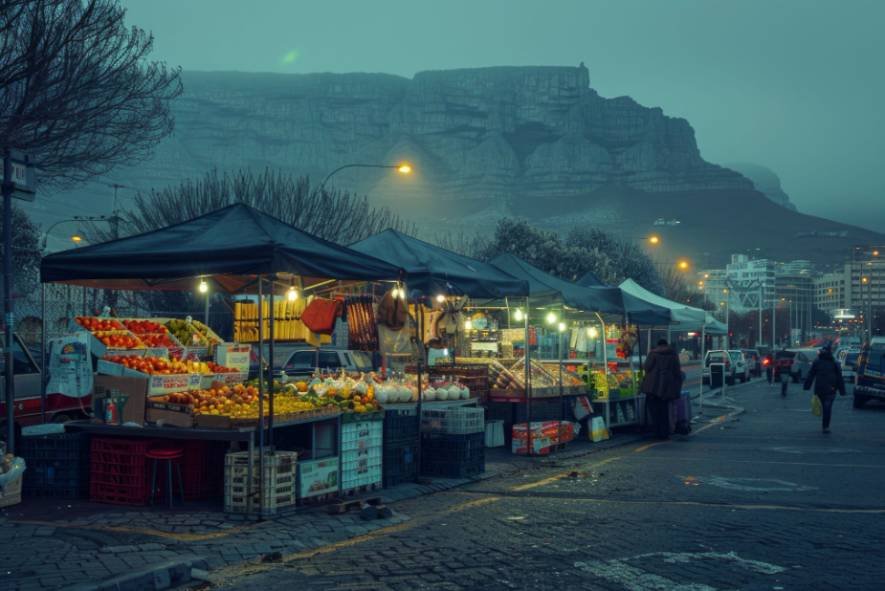
New Orleans tells a very different market story. The French Market has operated as a formal institution since 1791, while trading at the site stretches back to Indigenous commerce before European colonization.
Its position along the Mississippi helped create a crossroads of Native, French, Spanish, African, Caribbean, and immigrant influences. Today, pralines, spices, hot sauces, produce, Creole dishes, and other Louisiana specialties make the market a sensory introduction to New Orleans.
For travelers who want to continue exploring Louisiana’s regional food traditions beyond the city, a Louisiana Cajun food road trip offers another way to experience local specialties, family-run food stops, and the culinary heritage of Cajun Country.
What Should You Eat at Reading Terminal Market?
Reading Terminal Market opened in 1893 beneath Philadelphia’s new railroad terminal and remains one of America’s best-known indoor public markets.
The enormous historic hall combines produce, meats, seafood, bakeries, prepared foods, and international cuisines. Pennsylvania Dutch and Amish food traditions remain especially prominent, so I would leave room for fresh-baked goods, traditional meats, and hearty regional dishes before exploring the market’s wider global food selection.
Why Visit Findlay Market in Cincinnati?
Findlay Market was constructed in 1852 and opened several years later. It is Ohio’s oldest surviving municipal market house and the last survivor of Cincinnati’s once-extensive public market system.
Traditional butchers, bakers, produce merchants, specialty shops, and prepared-food vendors continue the market’s working character. I would also look for goetta, a Cincinnati specialty associated with the city’s German-American culinary heritage.
What Makes Cleveland’s West Side Market Famous?
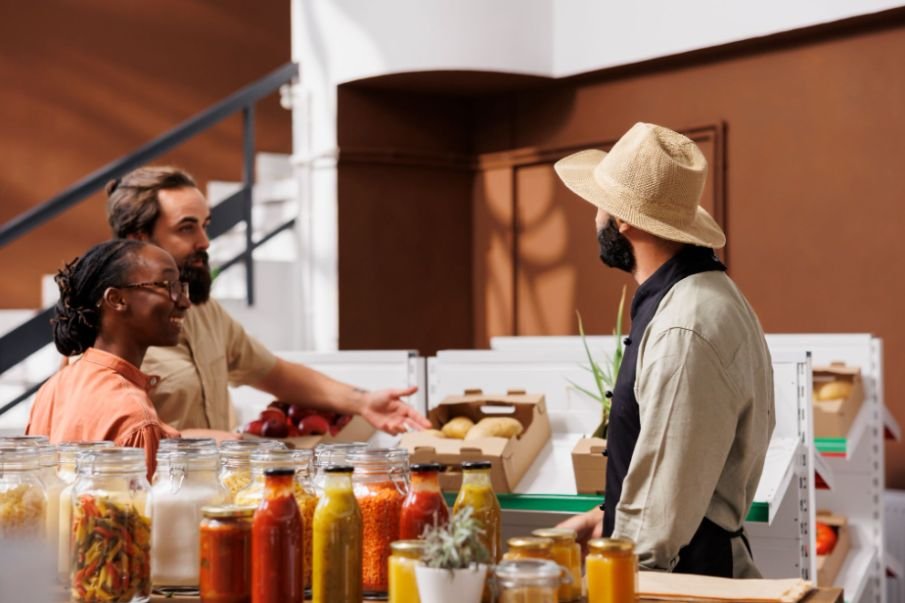
Cleveland’s West Side Market developed from an earlier open-air marketplace operating on the site by 1840. The present landmark opened in 1912 and is instantly recognizable by its 137-foot clock tower and monumental indoor hall.
Family-owned meat counters, bakeries, produce stalls, and specialty-food merchants reflect generations of European immigrant influence. For me, the combination of food, architecture, and neighborhood history makes it one of America’s most visually impressive public markets.
Is Grand Central Market Still Worth Visiting in Los Angeles?
Grand Central Market opened in downtown Los Angeles in 1917 inside the Homer Laughlin Building. What began as a major public market has evolved into a lively food hall where legacy businesses operate beside newer restaurants.
That mixture captures Los Angeles particularly well. California ingredients, immigrant food traditions, historic stalls, and contemporary cooking all compete for attention under the same roof.
For travelers who want to experience a similarly strong connection between regional food culture and place, a Pacific Northwest seafood road trip offers a different culinary perspective, linking historic coastal communities, working waterfronts, and local seafood traditions along Washington and Oregon.
How Did the Original Farmers Market in Los Angeles Begin?
The Original Farmers Market at Third and Fairfax began in 1934 when local farmers started selling produce from their trucks on a vacant lot. The experiment succeeded and gradually developed into a permanent Los Angeles landmark.
Today, restaurants, grocers, butcher shops, candy counters, specialty stores, and multi-generational family businesses give it a distinctly nostalgic atmosphere. It feels very different from Grand Central Market, which is precisely why I think food-focused visitors should experience both.
Is Chelsea Market Really a Historic Food Market?
Chelsea Market needs slightly different framing. It is not a centuries-old public market institution like Lancaster or Findlay. Instead, it occupies the former National Biscuit Company complex in Manhattan’s Meatpacking District, where the first Oreo was produced in 1912.
The industrial brick complex now contains fishmongers, butchers, bakeries, restaurants, and artisanal grocers. It represents a different chapter of American food history: historic food-production architecture successfully adapted into a modern culinary marketplace.
Which Other Historic American Markets Are Worth Visiting?
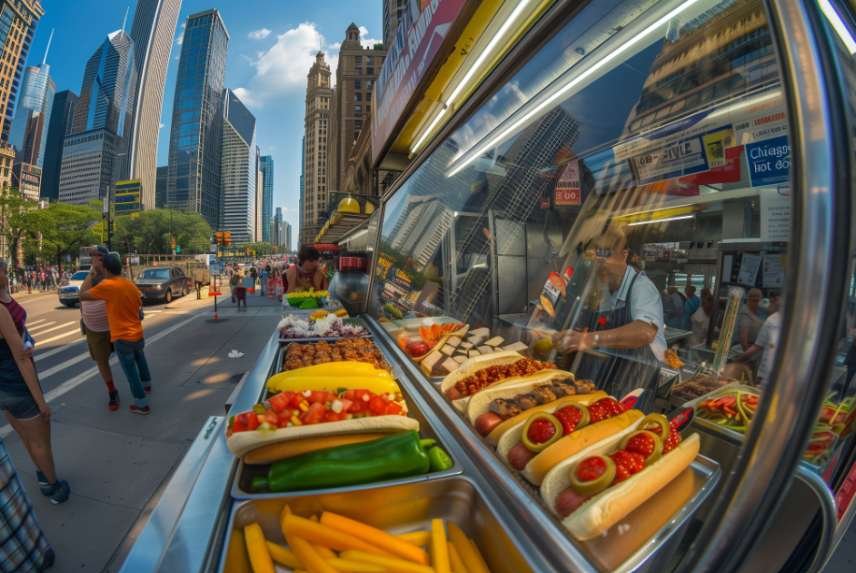
A broader journey through historic food markets in the USA should include Soulard Farmers Market in St. Louis, Lexington Market in Baltimore, Charleston City Market, Eastern Market in Washington, D.C., and Seattle’s Pike Place Market.
Lexington Market traces its beginnings to merchant gatherings in 1782. Charleston’s market land was dedicated to public use in the late 18th century, with historic sheds later serving meat, vegetable, and fish sellers. Eastern Market opened in 1873 and continues its original public-market role on Capitol Hill. Pike Place opened in 1907 as a way for Seattle farmers to sell more directly to consumers and remains one of America’s most recognizable market districts.
Soulard adds another longstanding neighborhood market tradition to the American story, connecting St. Louis food culture with one of the city’s oldest communities.
Why Are Historic American Food Markets Worth Visiting?
Historic public markets reveal much more than what Americans used to eat. They show how transportation, immigration, farming, architecture, commerce, and neighborhood life shaped regional cuisines.
Many also remain active community spaces rather than attractions preserved purely for tourists. For travelers interested in experiencing local food traditions in a more festive setting, small-town food festivals in America offer another way to discover regional specialties, community customs, and the culinary identity of places beyond major cities.
Frequently Asked Questions
1. What is the oldest continuously operated public market in America?
Lancaster Central Market dates to 1730 and identifies itself as America’s oldest continuously operated public market. Other markets use different “oldest” distinctions based on continuous operation, location, or municipal-market history.
2. Which historic market is good for Pennsylvania Dutch food?
Lancaster Central Market and Reading Terminal Market are both excellent choices. Lancaster connects closely with Lancaster County agriculture, while Reading Terminal combines Pennsylvania Dutch traditions with Philadelphia’s broader multicultural food scene.
3. Which historic food market should I visit in Los Angeles?
Grand Central Market is a strong choice for downtown history and a mix of legacy and contemporary vendors. The Original Farmers Market offers a more nostalgic experience rooted in its 1934 beginnings.
4. Are historic food markets in the USA still used by locals?
Yes. Many remain active places for residents to buy produce, meats, seafood, baked goods, prepared meals, and specialty foods. That everyday community role is one reason these markets remain more interesting than landmarks preserved solely for tourism.
A Final Bite of America’s Market History
What I enjoy most about historic markets is that their history is still active. I can walk into an old market hall, buy food from an established family business, and watch a city’s past and present operate side by side.
For travelers interested in regional cuisine, architectural heritage, and genuine local culture, these markets offer one of the most enjoyable ways to understand America’s story through food.