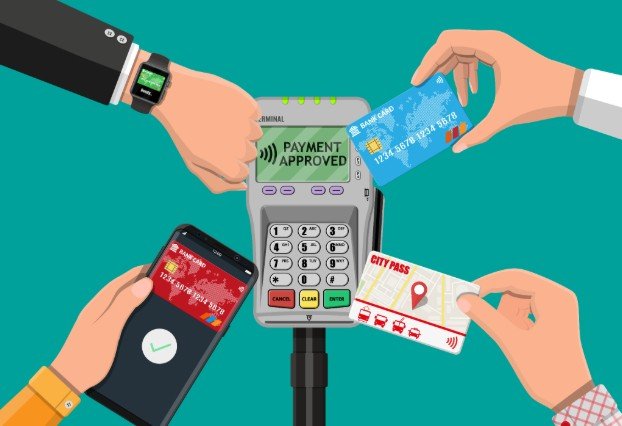
I plan travel money around the moments when paying becomes awkward: a small restaurant, a remote transfer, or a hotel deposit. Knowing how to manage cash and card payments while traveling in asia means preparing for those situations before departure. My approach is to carry local cash, suitable cards, and a backup that works without my phone. That combination leaves more room to enjoy the journey.
Build Your Payment Plan Before Departure
Check your debit and credit card terms for foreign transaction charges, overseas withdrawal fees, daily limits, and international access. A card advertised as having no foreign transaction fee may still charge for cash withdrawals.
Carry two physical cards, preferably from different issuers, and store them separately. Confirm your numeric PIN and check whether your bank requires a travel notice. Save its international support number somewhere accessible without logging into your banking app.
Give Each Payment Method a Job
Use a suitable debit card for withdrawals and a credit card for purchases where accepted. Check hotel deposit policies because holds can temporarily reduce available funds. Credit card cash withdrawals may attract cash advance fees and immediate interest, making them an expensive routine choice.
Adjust Your Setup for Each Destination
Asia has no universal payment pattern. Singapore offers widespread card and contactless options, while smaller businesses elsewhere may depend on cash or domestic payment systems.
In Japan, overseas cards work at many businesses, but cash remains a useful alternative when terminals fail or merchants do not accept cards. Japan Post Bank and Seven Bank provide options for withdrawing cash with supported international cards.
In China, visitors can link supported international cards to Alipay and WeChat Pay. Registration, identity verification, card compatibility, and transaction restrictions still deserve attention before relying on either app.
For Thailand, Vietnam, Indonesia, and other destinations, check your actual route. A city hotel, island guesthouse, and roadside food stall can require different payment methods.
Estimate Cash From Upcoming Expenses
Avoid choosing a fixed cash percentage for every trip. Estimate the expenses you expect to pay in cash before your next reliable withdrawal opportunity.
Include meals, local transport, market purchases, admission charges, and accommodation balances. If those costs total the equivalent of $30 daily and you expect three days without dependable ATM access, around $90 plus a modest emergency reserve provides a starting estimate.
Keep daily spending money separate from emergency cash. Obtain small denominations when possible; a vendor may struggle to change a large note for a snack.
Compare Exchange Options Carefully
As you budget for your trip and choose travel eSIM for multiple Asian countries, compare how much local currency you receive after every fee, rather than judging an exchange counter by its advertised rate alone. Use licensed providers and count your notes before leaving.
If arrival transport requires cash, arrange enough for that immediate expense. Convenience can justify a small arrival exchange even when another location offers better value.
Avoid ATM and Conversion Surprises
Withdrawal costs can include your bank’s fee, the ATM operator’s charge, and currency conversion costs. Check the screen before confirming, and cancel if the charges are unclear.
Fewer withdrawals can reduce repeated fixed fees, but balance those savings against carrying too much cash. Prefer machines at staffed bank branches when practical. Inspect the machine, shield your PIN, and decline unsolicited help.
At payment terminals and ATMs, distinguish the withdrawal or purchase from optional currency conversion. Choosing local currency avoids the provider’s dynamic currency conversion markup, although your own issuer may still charge fees.
Check QR Access Before Depending on It
A merchant displaying a QR code does not automatically accept your existing wallet. Domestic systems may require a compatible app, supported account, phone number, or identity check.
When planning to manage cash and card payments while traveling in Asia, check visitor eligibility, funding methods, transaction limits, and whether unused wallet balances can be refunded. Install and verify supported apps early, then test a small payment before loading substantial funds.
A card stored in a mobile wallet also does not guarantee access to local QR networks. Keep physical cards and cash available.
Prepare for Failed Payments and Border Days
Keep your phone charged and arrange reliable connectivity for banking authentication and payment apps. Check how you will receive verification messages abroad. Save essential contact details offline.
If a card fails, confirm the accepted payment method and try your backup. Check bank alerts before repeatedly retrying. For a pending transaction, establish whether payment succeeded before paying again.
Before crossing a border, estimate remaining expenses in the old currency and arrival expenses in the next. Avoid unnecessary last-minute withdrawals. Track spending by country, including fees, and check customs cash-declaration rules for your route.
Frequently Asked Questions
1. How can I manage cash and card payments while traveling in asia safely?
Carry local cash and two cards stored separately. Check fees, retain emergency funds, and prepare another way to pay if your phone becomes unavailable.
2. Can I rely entirely on cards?
Acceptance varies by destination and merchant. Keep cash for businesses that cannot process your card, especially during remote travel.
3. Should I load a large mobile wallet balance?
Check refund rules first. Start small until you understand acceptance, charges, and account limits.
My Final Take
I would rather spend a few minutes checking payment access before departure than resolve it while transport is waiting. A flexible setup helps me control fees, handle everyday purchases, and recover when something fails. The right mix follows the itinerary.