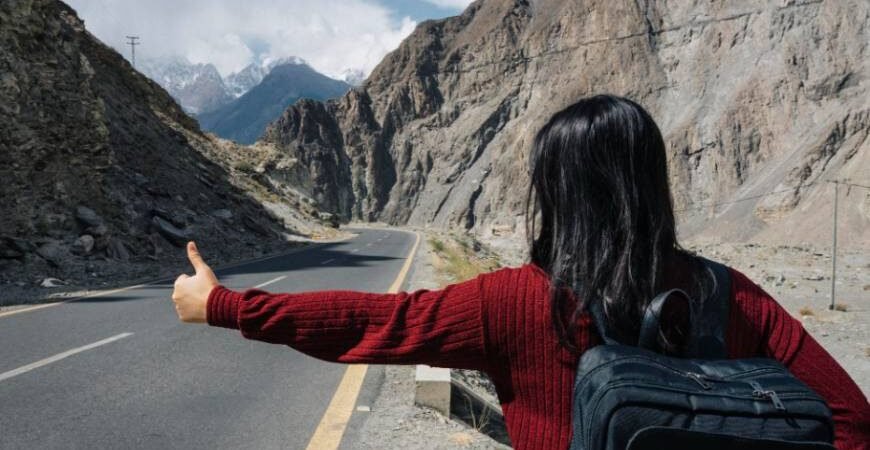
The moment I would plan most carefully isn’t the photograph beside a famous temple. It’s standing outside an unfamiliar airport, tired, carrying luggage, and deciding where to go. That ordinary moment explains why learning how to prepare for your first solo trip to Asia matters.
I’d rather settle those first decisions at home and leave room for discoveries afterward. A manageable route, reliable accommodation, working phone, and backup money can make the beginning feel much easier.
1. Choose a Route You Can Comfortably Manage
Start with your available time, budget, and comfort with unfamiliar surroundings. Compare destinations by transport, language support, accommodation options, and the activities you actually enjoy.
A city-based trip and an island-hopping adventure in Croatia require different preparation. Islands introduce ferry schedules and weather-dependent transfers, while large cities require careful neighborhood choices.
For a short first trip, consider one country and a few bases. Count travel days honestly, including packing, transfers, waiting, and checking in. Leave breathing room before your flight home.
Match Your Destination to the Season
Research weather for each stop during your exact travel month. Asia does not share one rainy season. Check coastal conditions, mountain temperatures, major holidays, and potential transport disruption before committing.
2. Check Documents, Health, and Insurance Early

Read official entry instructions for your passport nationality and every country on your route. Check passport validity, visas, permitted stay, arrival forms, and any onward-travel requirements. Transit stops may need separate checks.
Save your passport, bookings, insurance details, and entry approvals securely offline. Carry paper copies separately from the originals.
Arrange Destination-Specific Health Advice
Book a travel-health appointment around four to six weeks before departure when possible. Discuss your route, medical history, accommodation, and planned activities so recommendations fit your circumstances.
Check medication import rules, including permit requirements. Keep prescriptions and medicines in their original packaging.
Choose insurance that covers your destinations and activities. Read medical, evacuation, cancellation, and exclusion terms rather than judging a policy only by price.
3. Build a Budget With Backup Money
Include accommodation, meals, transport, entry fees, mobile data, laundry, and activities. Add international flights, insurance, visas, and luggage charges separately so your daily allowance remains realistic.
Keep an emergency reserve accessible for an extra hotel night or unexpected transfer.
Research cash and card acceptance along your route. Carry a backup card separately, check withdrawal charges, and understand your bank’s overseas authentication process.
Research how to manage cash and card payments while traveling in Asia before departure. Carry a backup card separately, check withdrawal charges, and understand your bank’s overseas authentication process.
Never assume a local QR payment system accepts foreign visitors. Confirm eligibility before relying on it, and keep another payment method available.
4. Book Your Arrival Before Everything Else

When considering how to prepare for your first solo trip to asia, give your arrival more attention than your sightseeing list.
Book your first two or three nights, then check recent reviews mentioning cleanliness, noise, location, and solo stays. Confirm reception hours and late check-in arrangements.
Choose accommodation near useful transport and somewhere you can comfortably return after dinner. A social hostel may suit meeting people; a private room may better support sleep after a long journey.
Choose accommodation near public transport in Asia and somewhere you can comfortably return after dinner. A social hostel may suit meeting people; a private room may better support sleep after a long journey.
Plan the Airport-to-Room Journey
Save the address in the local language, a map pin, contact number, and booking confirmation. Identify the correct airport terminal, official transport options, approximate journey time, and a backup transfer.
Keep your first day light: check in, eat, rest, and explore nearby.
5. Prepare Your Phone and Offline Backups
Check whether your phone is unlocked and supports your chosen SIM or eSIM. If you are visiting several countries, learn how to choose a travel eSIM for multiple Asian countries and compare coverage, activation timing, data limits, and hotspot rules before departure.
Install locally useful transport and navigation apps before departure. Download offline maps and translation packs where available.
Make important information accessible without mobile data. Save accommodation details, tickets, emergency contacts, and insurance assistance instructions.
Carry a suitable charger and power bank. Learn how to block cards and access essential accounts if your phone disappears, without depending entirely on that device.
6. Pack for Your Actual Journey
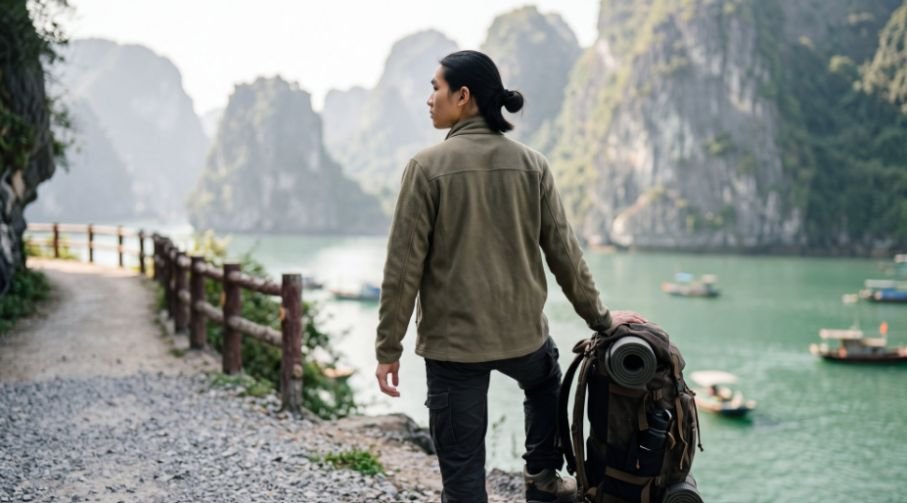
Choose luggage you can lift and manage alone. Check baggage limits for every flight, including whether personal items count toward the weight allowance.
Pack comfortable shoes, repeatable outfits, weather protection, and clothing appropriate for planned religious sites. Check individual dress codes instead of assuming one rule applies everywhere.
Carry essential medication and documents in your cabin bag. A compact health kit, adapter, and hostel-locker padlock may help, depending on your itinerary. Practice carrying your packed luggage. Remove items that add weight without serving a clear purpose.
7. Prepare for Safety and Solitude
Share your itinerary with someone you trust and agree on check-in times. Save local emergency numbers and understand common destination-specific scams. Use verifiable transport, protect your drinks, and avoid broadcasting your live location publicly. Leave situations that feel uncomfortable.
Plan low-pressure ways to meet people, such as a walking tour, cooking class, or shared accommodation activity. Meeting others does not require abandoning your boundaries. Expect occasional loneliness or decision fatigue. Schedule rest and allow yourself an easy meal or quiet afternoon.
Frequently Asked Questions
1.What matters most when learning how to prepare for your first solo trip to Asia?
Prioritize entry documents, suitable insurance, arrival accommodation, reliable connectivity, and backup money. These preparations help you manage unfamiliar surroundings and unexpected changes.
2. Should I book the whole trip beforehand?
Book your first few nights and any essential transport or activities with limited availability. Keep other plans flexible, but check whether holidays or peak demand make advance reservations necessary.
3. How can I meet people while traveling alone?
Join walking tours, cooking classes, or activities organized by your accommodation. These offer relaxed opportunities to connect with other travelers while choosing how much you want to socialize.
4. What should I do if my phone stops working abroad?
Keep printed accommodation details, emergency contacts, and essential booking information accessible. Carry a backup payment method and ask accommodation staff or an official information desk for help with directions or communication.
Leave With a Plan You Can Trust
I’d judge my preparation by whether I could handle a delayed arrival, unavailable data, or a declined card. Keeping backup money, offline directions, and accommodation details ready would help me manage those setbacks calmly.
I’d also leave room for rest, unexpected discoveries, and plans that change along the way. With those basics covered, I could enjoy the trip without scripting every hour. My goal would be to feel prepared enough to explore at my own pace.