distributor = chafurnate, 9567227611, kingconix, 9193354047, 9202804671, piannabanana, 8773340460, tf79gg, 7372951758, skinsminkey, 18003594107, 7262167081, superdave112279, tickzel, ezy8140, 3129266906, 8703903171, 7272632096, 8323461895, auldtwork, instanetsol, 2019425209, 8885905962, 8436954265, 18444946060, mez56709146, 389039235, 8885847498, 9842631014, 9107564558, 18003887000, 5204672116, 5137076994, 3372055034, 4805503207, cymboxen, cannacbana, 4234273117, 4696063080, oxelotto, imagefañ, 9733483845, 2165620588, 4142076549, 9452185392, 2705139922, 7242732030, 7203725721, 2027688469, 6099782127, gracesandy08, 5716216254, 16463611389, 8882249645, 8572821800, 9047236300, 18552132382, chaturntae, 6062401130, 8323256456, 6627789116, 7027105520, 9787672641, 6163306246, 8633193801, 6317692145, 8332053164, 7063813435, 18002286855, mstina209, 5088944588, 8178065501, aznhkpm, 2042897313, 9783551609, 7866877020, 3368046099, 8177615469, 8002743932, 6317764262, 8333952329, 8669920307, 4033425c2, 3055062319, 3132933287, ilikeocmix, 8063753039, 6085094890, 4043691986, 9154404953, 7783316933, 18662552529, 2079223193, alitaxangelic, 4842283001, 6153223900, wagershack, 8338701889, 2092553045, wzggstats, 8442066155, 2028167451, 18008300286, mbm66698001, 8324817394, 9155445800, 6105255250, 8438832246, 19057716052, 4049960554, 8554062187, 4162978362, 9123426998, yorestudiomg, 8474268085, baceracted, 3234872622, troshilly, 7135666509, 8338950348, 8442211567, 18666201302, 1800076072, ửodle, 4049394970, 8163078906, mfznⅲ, 4089185125, 6198923514, 4808347546, 3850er3040c, 6102159968, 888.904.8461, globalzone53, 2153099122, 18009132411, 8443580642, 4805465503, 7657404036, 8436121015, 3462730012, 9854250920, 18336840593, wdf48650gsp, 611247392201, 8558562511, 6782015589, 904.207.2696, 8667866682, 6237776430, ezy3377, 18556148530, 8324262067, 5168821708, 6696225537, 5712268380, 9298103988, 9548893729, 4808416993, 4330564191, 2538442114, 4373403232, 9032057164, 2087193274, 8664872643, zawatinao, 18557905018, 8014123119, 7247650023, 9085048193, 6194641731, mypremierchart, ilorultcbs94r8v, 18779773879, 4808475341, 7059801767, lasrs.statres, boecsched, 4808472619, 8594295188, brazedotcom, 8566778008, 18005680344, 8642516223, 2766344760, 8178401646, 8664425030, 8045005635, 5013000112, 6144291561, caffine64, 5043993551, 8665110793, 5164655255, ezy6521, 8602936799, 18336902260, 18333110849, 7167454490, 3604835198, 7145099696, 8888570668, 8174963036, luxuryinteriorsorg, 6143332209, 8332420718, pippypipernpc, 9152554542, 18669516592, 9854414006, 7785895126, 7176786808, 18002228794, 2142831548, bitsylowhigh, 8669360316, recuburate, 4846353028, 5704918262, khanacademyorg, 18004684743, 7158988027, 18664487098, 3392109005, 6036638908, 5735344024, 7175316640, gabbysmol, drmaureenhamilton, 6047363925, meloplaycom, 8557199695, 8448440111, 8669503840, 8443765274, 18774014764, influencersgomewd, 8599631921, 2629487300, joyuicoltd, 4079466142, 2076077881, cherrybella808, 8037663919, 64.277.120.231, syromatch, oxolado, 36000522389, 8322347988, tulkotaks, allredismyteacher, 7203584046, brianchavez85, 18003921147, oplzlepredstavy, 5049497786, ezy2140, 7243139278, 2183167675, 8017375151, 8665301092, 8774315691, 8185875547, 8653815207, 6192467477, 8556833145, 2066918065, r6tradker, 481615428, 80720963038, 2678173729, 18002410172, 18007774001, freyarose77, clearskinstudy, mgp61942301, 5132972028, 18555959055, theflixee, 6313153145, nfl66ir, chsproviderdatavalidation, freakinthesleep, 5133221008, 7023597111, morancaresys, adultowrl, 5089486999, 5034367335, 7628001252, ezy3837, melinnderr13, 4184251145, 5173181159, sp11l87222, 7037770280, 9035930589, 8662284345, 18664188154, aselrod71, 18557876733, 18664613047, 4844522186, kiamfusa, 3606265636, integrityuc.webpay.md, 7784362314, 7783282169, 8662684346, 5597817242, 8007092893, 6156966912, bn6925167b, cktest9263, 18004726066, 9163883106, 3362525903, 18559694636, edwinalucypowe, 4057192096, 8558468376, 6133666485, badwolfemjay, 6615934042, 8446227085, 8663233462, 6157131410, 8475861480, 4256553258, 3054238938, myfoxatl, 18002386279, 8055851300, lizzybee1395, bill39nc, agamycapital, 4147718228, 6198330521, 9168975029, 9093759675, 18558382118, 7137999975, 9043641318, tdb2586, hollysafara21, 7048991392, 7252988333, 5152174532, 4014068198, 8705207565, 8008225626, 6087332770, 18004231000, 5044467788, 8122320564, 18006118472, 8337931057, 18.84x18.84, al2104197, dudelegence, 18009096467, 4084987586, 7146059251, 9133123219, 6316154582, 8772137258, mo1infiniteloo, 9592050377, 6024174900, 7047026509, 8302053160, 3658732800, 7634227200, 8448371861, dl329k1a, 3044434051, benefitboutiquedamen, 370036828, 5126715039, 2096890003, 8664482002, 5169865040, 18558437208, eliebaroud23, 5122540018, 76501165180, 8169559260, ezy8052, 2074303836, 2199474151, gen85898, 6309905600, 9452285426, 2512630572, 6036075559, 6098551244, bliķk, leeeanuvz, taylorbergman17, 18007920001, 2103010293, loŵes, 9377598636

Blog

  • Historic Cities to Visit in South Korea: 5 Epic Dynastic Hubs

    Historic Cities to Visit in South Korea: 5 Epic Dynastic Hubs

    Centuries of royal power, sacred Buddhist art, and preserved fortress walls define the best historic cities to visit in South Korea. When I stepped out into Gyeongju under the silhouettes of millennium-old royal burial mounds, modern high-rises felt thousands of miles away. Traveling across this country rewards anyone willing to step past the neon glow of futuristic city centers to find living imperial heritage.

    You can map ancient dynastic routes by high-speed rail with remarkable ease. Five destinations show you how different rulers, scholars, and architects left their mark on the peninsula.

    The Core Dynastic Split: Silla Antiquity vs. Joseon Royalty

    South Korea’s historic destinations divide neatly across two main cultural eras: the Silla Kingdom (57 BCE–935 CE) and the Joseon Dynasty (1392–1910). Understanding this timeline changes how you see each site.

    Silla culture centered around deep Buddhist devotion, gold crowns, and massive earth-mound tombs. Joseon culture shifted power toward strict Neo-Confucian governance, balanced timber palaces, and defensive stone ramparts. Experiencing both sides gives you a balanced look at the nation’s past.

    1. Gyeongju: The Open-Air Relic of the Silla Kingdom

    Gyeongju: The Open-Air Relic of the Silla Kingdom

    Gyeongju served as the capital of the Silla Kingdom for nearly 1,000 years. The entire downtown functions like an archaeological park, documented as a premier UNESCO World Heritage Site.

    Walking Among Ancient Tumuli at Daereungwon

    The tumuli at Daereungwon rise directly out of manicured green lawns. These towering mounds conceal the resting places of ancient kings and queens. You can enter Cheonmachong Tomb to view excavated gold crowns, decorative saddles, and jade ornaments.

    Rent a bicycle near Hwangridan-gil street to ride past Cheomseongdae, the oldest surviving astronomical observatory in East Asia. Visit Donggung Palace and Wolji Pond around dusk. The lighting reflects ancient wooden pavilions across black water, showing off the royal villa at its best.

    Sacred Stone Architecture: Bulguksa and Seokguram

    Bulguksa Temple sits along the cedar-forested slopes of Mount Toham. The stone terraces, staircases, and twin pagodas (Dabotap and Seokgatap) reveal high-level eighth-century stonemasonry. Higher up the ridge lies Seokguram Grotto, housing a granite Buddha gazing out toward the East Sea.

    Gyeongju Pro Tip: 

    Take express bus 10 or 11 from the city center to reach Bulguksa in 35 minutes. Arrive at 9:00 AM before tour coaches pull up.

    2. Seoul: Imperial Power Centers of the Joseon Dynasty
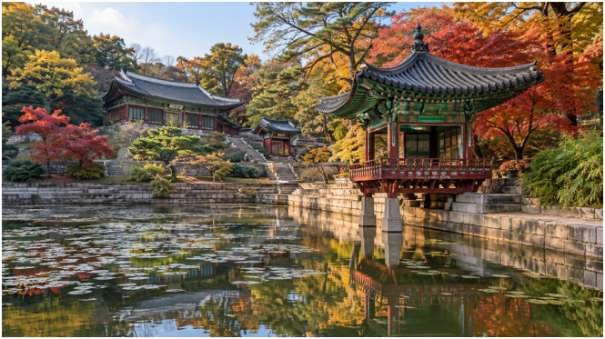
    Seoul: Imperial Power Centers of the Joseon Dynasty

    Seoul became the capital in 1392 under King Taejo. The city still preserves five grand royal palace complexes right in its downtown district.

    Beyond Gyeongbokgung: The Secret Garden of Changdeokgung

    Gyeongbokgung draws big crowds for its colorful royal guard ceremonies. My personal favorite, however, is Changdeokgung. Joseon rulers favored this palace because its architecture adapts to the natural mountain contours rather than imposing a rigid grid.

    You must book a guided ticket for Huwon, the Secret Garden behind the palace. Centuries-old lotus ponds, secluded pavilions, and forested ravines provided privacy for kings studying poetry away from royal court pressures.

    Steps away from Changdeokgung, Bukchon Hanok Village preserves narrow alleys of residential timber homes. Keep voices low here; local families still live in these traditional houses.

    3. Andong: The Living Confucian Heartland
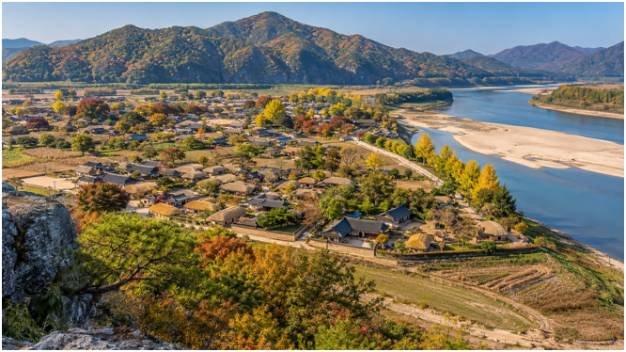
    Hahoe Folk Village

    Andong sits nestled in the Nakdong River valley as the spiritual heart of Korean Neo-Confucian philosophy. It holds some of the deepest clan traditions in East Asia.

    Staying Overnight in Hahoe Folk Village

    The Ryu clan established Hahoe Folk Village during the early Joseon period. Descendants still live in these aristocratic tile-roofed residences (giwa) and straw-thatched cottages (choga).

    Jeonju vs. Andong Hanok Stays:

    – Jeonju Hanok Village: Boutique hotels, en-suite western bathrooms, vibrant café culture, busy night markets.

    – Andong Hahoe Village: Pure rural quiet, centuries-old homes, shared facilities, absolute stillness after 5:00 PM.

    I spent an autumn night sleeping on a traditional heated floor (ondol) at a Hahoe homestay. The absolute quiet after day-trippers left was unforgettable.

    Catch the satirical Hahoe Mask Dance (Byeolsingut Talnori) on weekend afternoons. Afterward, hire a wooden flat-bottomed boat across the river to climb Buyongdae Cliff for sweeping panoramic views of the entire river bend.

    4. Jeonju: Dynastic Culinary Traditions and Urban Hanoks

    Jeonju: Dynastic Culinary Traditions and Urban Hanoks

    Jeonju was the ancestral hometown of the Joseon royal lineage and now stands as an official UNESCO City of Gastronomy. It holds over 700 hanoks packed neatly into an urban village core.

    Gyeonggijeon Shrine sits at the entrance of the village. It houses the surviving portrait of King Taejo, painted with intricate royal pigments. Jeonju is also the birthplace of bibimbap. The local version layers warm rice cooked in beef broth with fresh vegetables, soybean sprouts, raw beef tartare (yukhoe), and fermented chili paste in a heated brass bowl.

    If you plan to visit coastal resorts like jeju island for beaches and volcanic hiking, pairing it with Jeonju creates a rewarding balance between cultural history and island scenery.

    5. Suwon: 18th-Century Bastions and King Jeongjo’s Fortress

    Located just 45 minutes south of central Seoul by subway Line 1, Suwon showcases late Joseon military defense architecture.

    King Jeongjo constructed Hwaseong Fortress in the late 1700s to house his father’s tomb and protect trade routes. The 3.5-mile stone wall snakes across hilly terrain, incorporating observation towers, secret sally ports, floodgates, and artillery bastions.

    Walk along the parapets from Paldalmun Gate up to the western command post. Detailed restoration standards overseen by the Cultural Heritage Administration of Korea make Suwon one of the most accessible historic day trips in the capital region.

    Essential High-Speed Rail Logistics Across South Korea

    South Korea’s modern train system makes traveling between historic hubs fast and reliable.

    Sample 6-Day Rail Route:

    – Day 1–2: Seoul (Royal Palaces & Bukchon)

    – Day 3: Suwon Fortress (45-min subway from Seoul), then evening train to Andong

    – Day 4: Andong (Hahoe Folk Village)

    – Day 5–6: Gyeongju (Daereungwon & Bulguksa via KTX)

    Book your rail seats through Korail up to 30 days before departure. The KTX bullet train connects Seoul to Gyeongju in two hours, while the KTX-Eum train reaches Andong Station in two hours from Cheongnyangni Station. Use a rechargeable T-Money transit card to pay for local buses and subways across all five cities.

    Frequently Asked Questions About Historic Cities in South Korea

    1. What is the most historic city in South Korea?

    Gyeongju holds the title of South Korea’s most historic city due to its vast concentration of ancient Silla Kingdom royal tombs, temples, and open-air monuments.

    2. How do I travel between historic cities without renting a car?

    High-speed KTX trains and local express buses connect Seoul, Suwon, Andong, and Gyeongju directly without requiring a car rental.

    3. How many days are needed to explore Gyeongju’s main sites?

    Two full days provide enough time to visit Daereungwon, Bulguksa Temple, Seokguram Grotto, and the night grounds at Donggung Palace.

    4. Which Korean city offers the most authentic hanok stay?

    Andong Hahoe Village provides the most authentic, rustic hanok stay, whereas Jeonju provides modern boutique amenities in a livelier setting.

    Pack Your Bags: Time Travel Done Right

    Skip the crowded tourist buses and build your itinerary around early mornings and late afternoons. Exploring Bulguksa when morning mist still hangs over Mount Toham or walking through Hahoe Village after tour groups head home will stay with you forever. Book your rail tickets early, pick a traditional guesthouse, and step right into Korea’s living past.


  • Quiet Islands to Visit in Malaysia: 5 Peaceful Escapes

    Quiet Islands to Visit in Malaysia: 5 Peaceful Escapes

    An empty beach loses its charm when your room faces a humming generator or a busy boat landing. When choosing quiet islands to visit in malaysia, I would check the room location as carefully as the island itself.

    Lang Tengah, Kapas, Perhentian Besar, Rawa, and Pangkor offer different versions of a slower vacation. Some suit barefoot simplicity; others make meals and transfers easier. None guarantees an empty shoreline every day.

    My shortlist focuses on Peninsular Malaysia. That keeps the choices manageable without adding separate flights to Malaysian Borneo.

    My shortlist concentrates on Peninsular Malaysia, keeping the itinerary focused without requiring an additional flight to Malaysian Borneo. If you are still weighing destinations across the region, this broader guide on how to choose which Asian countries to visit can help you evaluate your options before settling on a Malaysian island.

    Which Malaysian Island Matches Your Kind of Quiet?

    I would start with the compromise you can happily accept. Fewer facilities can mean more peace, but also fewer dining choices and less flexibility.

    Island My suggested fit Main trade-off
    Lang Tengah A compact resort stay with beach downtime Limited independent dining and transport
    Pulau Kapas A simple beach break with a short crossing Comfort varies substantially by property
    Perhentian Besar Snorkeling with a choice of resort accommodation Popular swimming areas attract visitors
    Rawa A small island with coordinated resort logistics Family groups can make shared spaces lively
    Pangkor Local food, sightseeing, and west coast flexibility Roads, villages, and busy beach strips

    These are editorial recommendations, not measured crowd rankings. For me, the useful question is where noise comes from: boats, communal dining, traffic, or neighboring rooms.

    When Should You Visit Malaysia’s Peaceful Islands?

    For the east coast, roughly March through October is a starting window, not a promise of good conditions. Confirm each property’s opening dates and boat operations, especially near either end.

    The Malaysian Meteorological Department identifies November through March as the northeast monsoon. Exposed east coast areas experience heavy rain, and strong winds can produce rough seas. 

    Rawa sits off Johor’s east coast and also needs weather-aware planning. Its southern location does not remove monsoon exposure.

    Pangkor is a more practical west coast alternative during that period. Rain still occurs, so I would keep beach plans flexible rather than call it weatherproof.

    When comparing quiet islands to visit in malaysia, check Malaysian public holidays and school breaks alongside the forecast. Ask your accommodation whether your dates coincide with group bookings.

    East Coast Islands for Secluded Beaches and Snorkeling

    Lang Tengah: A Compact Resort Escape

    Lang Tengah A Compact Resort Escape

    Lang Tengah lies between Redang and the Perhentians. Its small scale makes it appealing if your ideal day needs little beyond a beach, meals, and snorkeling.

    Mainland transfers use the Merang area, but the exact departure point depends on your resort. Summer Bay lists an approximately 40-minute crossing and identifies its own Mangkuk jetty. Follow your booking instructions carefully. 

    I would ask for a room away from the jetty, activity desk, and evening entertainment. Limited development does not mean every resort runs a silent schedule.

    Plan kayaking or reef visits with local guidance. Wind, access restrictions, and sea conditions matter more than photographs of calm water.

    Pulau Kapas: Simple Stays and a Short Crossing

    Pulau Kapas Simple Stays and a Short Crossing

    Kapas suits travelers who value beach time over a long facilities list. The short crossing also reduces the effort needed for a brief stay.

    Boats leave from Marang, not Merang. Kapas Turtle Valley gives a crossing time of about 15 minutes. Those similar place names are an easy booking mistake. 

    I would confirm air-conditioning, bathroom arrangements, electricity availability, and meal service before paying. “Rustic” tells you little about what a particular room includes.

    For more beach time without transfer pressure, stay overnight rather than fitting everything between boats. Ask your host which stretches receive day visitors and when they tend to arrive.

    Perhentian Besar: Comfort Without the Backpacker Buzz

    Perhentian Besar Comfort Without the Backpacker Buzz

    Perhentian Besar generally suits travelers seeking a resort-oriented stay. Kecil’s better-known backpacker areas draw a more social crowd, though quiet accommodation also exists there.

    The mainland gateway is Kuala Besut. Tourism Malaysia identifies Turtle Beach on Besar as a more secluded beach, but access and wildlife rules still need checking.

    Choose your property by its bay, swimming access, and room position. Water taxis can add convenience, cost, and engine noise.

    Turtles and reef sharks are possible sightings, never guaranteed attractions. Avoid chasing animals, feeding fish, or standing on coral. Book snorkeling around safe conditions rather than a promised wildlife checklist.

    Rawa Island: A Small Escape With Resort Convenience

    Rawa Island A Small Escape With Resort Convenience

    Rawa appeals when you want a small setting with fewer logistical decisions. Johor’s tourism authority identifies Alang’s Rawa as one of two resorts on the island.

    Rawa Island Resort advertises an approximately 20-minute speedboat trip from Mersing. Its FAQ currently states a two-night minimum stay. Check the policy for your chosen property and dates.

    Two resorts do not guarantee hushed evenings. Families, celebrations, and organized activities can make a small shared beach feel busy.

    I would request a room away from communal areas and ask about the guest mix. For couples seeking quiet, that conversation matters more than an “exclusive island” label.

    Pangkor Island: A West Coast Alternative With Local Life

    Pangkor offers a different rhythm: beach time mixed with villages, meals out, and sightseeing. It is inhabited and has roads and motor traffic.

    Tourism Malaysia describes its pink taxi vans and highlights the Masjid Al-Badr Seribu Selawat, often called the floating mosque. Pangkor Island and neighboring Pangkor Laut are separate destinations.

    I would choose accommodation away from busy beachfront businesses and ask about weekend demand. Use a taxi for sightseeing if you lack experience riding scooters.

    Think of Pangkor as a flexible coastal break rather than a remote reef retreat. Clear-water snorkeling should not be the sole reason to choose it.

    How I Would Plan a Restful Island Stay

    My planning rule has three checks: beach activity, bedroom noise, and transfer pressure. An island can score well on one and poorly on another.

    For example, I would plan three Kapas nights with the crossing confirmed first, one guided water activity, and an unscheduled day. That is a sample itinerary, not a tested trip report.

    For travelers flying from the United States, I would avoid a tight connection between an international arrival and the final island boat. A mainland overnight can absorb delays and fatigue.

    If you are weighing different regional routes before finalizing your itinerary, this guide to finding affordable flights between Asian countries can help you compare airfare options and structure a more efficient travel plan.

    Compare the total stay cost: room, meals, transfers, equipment, applicable fees, and taxes. Request a quote in Malaysian ringgit; exchange rates change.

    Carry cash, sun protection, insect repellent, and a dry bag. Confirm drinking-water arrangements and tell the property about dietary requirements before arrival.

    When building a longer trip, compare nearby top coastal destinations before adding another boat transfer. Pairing one island with historic cities to visit can provide variety without constant repacking.

    Your Inbox Can Wait—Choose the Beach First

    My choice among quiet islands to visit in malaysia would depend on the month and the room, not the prettiest aerial photograph. Kapas suggests simplicity; Lang Tengah suggests a compact resort escape; Pangkor offers more mainland-style flexibility.

    Before booking, send one message asking about operating dates, the exact jetty, room noise, and group reservations. Then leave space in the itinerary for doing very little.

    Frequently Asked Questions

    1. Which quiet islands to visit in malaysia suit a short trip?

    Kapas and Rawa have short advertised crossings, but mainland travel time and boat schedules determine the easiest option.

    2. Which Malaysian island suits a quiet snorkeling vacation?

    Lang Tengah and Perhentian Besar are strong candidates; choose the bay and property carefully, and check sea conditions.

    3. Can I visit Malaysia’s east coast islands in December?

    December falls within the northeast monsoon; verify resort openings and transfers rather than assuming normal operations.

    4. Is Pangkor Island car-free?

    No; Pangkor has roads and motor traffic, including the pink taxi vans described by Tourism Malaysia.

  • Taste the Land: Native American Food Experiences in the USA

    Taste the Land: Native American Food Experiences in the USA

    Food is one of my favorite ways to understand a destination. Across America, Indigenous foodways connect meals with land, water, seasons, agriculture, and community. The most rewarding native american food experiences in the USA therefore go far beyond ordering a dish at a restaurant. 

    Travelers can visit Native-owned eateries, tribal cultural centers, educational markets, community gatherings, farms, and food-sovereignty projects that explain where Indigenous ingredients come from and why they matter.

    There is no single Native American cuisine. Anishinaabe foodways around the Great Lakes differ dramatically from Pueblo traditions in New Mexico or Coast Salish foodways in the Pacific Northwest. For travelers, that regional diversity makes an Indigenous culinary trip much more interesting.

    Where Can You Experience Indigenous Food Traditions in the United States?

    Great Lakes and Upper Midwest: Manoomin, Maple, Fish, and Game

    In the Great Lakes region, Manoomin, often called wild rice in English, carries deep cultural significance for Anishinaabe communities. Traditional harvesting involves moving through rice beds by canoe and gently knocking ripe grains into the boat with smooth wooden sticks. The method is designed to harvest the grain while limiting damage to the plants.

    Regional foodways also draw from maple products, berries, freshwater fish, venison, and other foods tied to northern forests and lakes.

    Minneapolis offers a contemporary introduction to these traditions. Indígena by Owamni, founded by chef Sean Sherman and operated by NATIFS, highlights foods Indigenous to the Americas while prioritizing purchases from Indigenous producers. 

    NATIFS also operates the Indigenous Food Lab Market, where visitors can discover Native-made foods and products while learning about Indigenous food sovereignty.

    Where Can Travelers Explore Southwestern Indigenous Food?

    Where Can Travelers Explore Southwestern Indigenous Food?

    The Southwest reveals how Indigenous agriculture adapted to demanding desert environments. Pueblo, Hopi, Navajo, Tohono O’odham, and other Native communities developed food systems around crops such as corn, beans, squash, chiles, and desert-adapted varieties including tepary beans.

    Albuquerque is particularly useful for travelers who want food and cultural education together. Indian Pueblo Kitchen, located at the Indian Pueblo Cultural Center, is owned and operated by New Mexico’s 19 Pueblos. Its dishes draw on Pueblo traditions and ingredients including blue corn, red and green chile, local produce, breads, sauces, and stews. The surrounding cultural center adds exhibitions, Pueblo art, and educational programs.

    Phoenix offers another perspective through Fry Bread House, established by Tohono O’odham founder Cecelia Miller. The restaurant grew from her desire to create a gathering place where Native people living in Phoenix could enjoy familiar food and community.

    Why Is Salmon Central to Pacific Northwest Indigenous Foodways?

    In the Pacific Northwest, Indigenous food traditions are inseparable from waterways, adding important cultural depth to discussions of ethnic food neighborhoods across the country. NOAA describes salmon as both a major food source and a ceremonial and spiritual resource for Puget Sound tribal communities. Smithsonian educational materials similarly emphasize salmon’s connection to Native cultures, communities, and identities throughout the region.

    Traditional preparations can include salmon roasted or smoked over open fires using cedar skewers. Depending on the nation and ecosystem, other foods may include shellfish, berries, roots, sea plants, and locally gathered botanicals.

    In Seattle, Off the Rez operates a cafe at the Burke Museum as well as a traveling food truck, creating an accessible contemporary introduction to Native-inspired food.

    What Native Food Experiences Go Beyond Restaurants?

    What Native Food Experiences Go Beyond Restaurants?

    Some of the most meaningful native american food experiences in the USA happen away from conventional dining rooms.

    Public powwows and tribal cultural events may bring together food, dance, art, storytelling, and community traditions. Because every gathering is different, I recommend checking the host nation’s visitor guidance before attending rather than assuming every event follows the same customs.

    Indigenous agritourism can also reveal how ancestral knowledge continues in modern food production. Depending on the region, tribal farms, bison operations, seed-saving programs, fisheries, and agricultural collectives may focus on restoring native grasses, preserving heritage seeds, strengthening traditional ecological knowledge, or rebuilding local food systems.

    Educational kitchens and markets add another layer. NATIFS’ Indigenous Food Lab Market connects culinary education with Native-made products and entrepreneurship. Tocabe in Denver has expanded beyond restaurant dining into a Native producer network and marketplace sourcing foods from Indigenous growers, ranchers, and fisheries.

    Which Indigenous Ingredients and Techniques Should Travelers Know?

    The Three Sisters—corn, beans, and squash—represent one of North America’s best-known Indigenous agricultural systems. When grown together, corn can provide support for climbing beans, beans help add nitrogen to the growing system, and squash leaves provide ground cover that retains moisture and suppresses weeds. The USDA notes that this system carried cultural as well as agricultural importance.

    Nixtamalization is another important Indigenous technique. Developed in Mesoamerica, the process cooks and soaks dried corn in an alkaline solution before rinsing and processing it. It changes the grain’s texture, improves nutritional availability, and forms the basis of foods such as tortillas and tamales.

    Foraged foods also vary significantly by location and nation. Berries, roots, herbs, teas, and other botanicals may play important roles in particular food traditions, but travelers should avoid assuming culturally significant plants such as cedar or sweetgrass are universal culinary ingredients.

    How Can Travelers Experience Indigenous Food Respectfully?

    How Can Travelers Experience Indigenous Food Respectfully?

    I look first for Native-led experiences: Native-owned restaurants, tribal museums, cultural centers, producers, markets, and educational programs. I also try to identify the specific tribal nation connected with a dish rather than treating Native American cuisine as one interchangeable food tradition.

    Contemporary Indigenous cuisine is not frozen in the past. Restaurants and food projects such as Indígena by Owamni and Tocabe combine traditional ingredients with modern businesses, producer partnerships, education, and food sovereignty.

    Frequently Asked Questions (FAQs)

    1. Where can I try Indigenous food in the United States?

    Minneapolis, Albuquerque, Phoenix, Denver, Seattle, and Washington, D.C. are useful starting points because they offer Native restaurants, cultural institutions, food programs, or Indigenous culinary experiences.

    2. What traditional Native American foods might travelers encounter?

    Depending on the region, foods can include wild rice, bison, salmon, corn, beans, squash, blue corn, hominy, berries, game, chiles, and desert-adapted crops.

    3. Are powwows good places to learn about Native food?

    Public powwows can offer opportunities to encounter contemporary Native foods and community traditions, but visitors should follow the host organization’s rules and remember that customs vary between nations and events.

    4. What is Indigenous food sovereignty?

    Indigenous food sovereignty generally refers to Native communities strengthening control over their food systems, including production, traditional knowledge, sourcing, education, access, and economic opportunity.

    Why Indigenous Culinary Travel Is Worth Planning

    For me, the best native american food experiences in the USA make geography understandable through food. Manoomin reflects Great Lakes wetlands, corn and tepary beans reveal generations of Southwestern agricultural knowledge, and salmon demonstrates the importance of Pacific Northwest waterways.

    When travelers combine meals with markets, museums, farms, cultural centers, and community events, Indigenous food tourism becomes far more than a list of dishes. It offers a more thoughtful way to encounter living traditions, contemporary Native businesses, and the extraordinary diversity of tribal nations across the United States.

  • Jeju Island vs Busan: Which to Visit on Your South Korea Trip

    Jeju Island vs Busan: Which to Visit on Your South Korea Trip

    Choosing between a coastal metropolis and a volcanic island often stalls an otherwise smooth South Korea itinerary. When travelers ask me about Jeju Island vs Busan: which to visit, my answer rests on how you handle logistical friction. 

    Busan gives you effortless public transit, dense street-food culture, and bustling beaches framed by skyscrapers. Jeju Island demands car rentals and open highways to reach dramatic waterfalls, volcanic craters, and quiet ocean roads.

    If you prefer navigating cities through dense train maps, Busan wins immediately. 

    The Core Trade-Off: High-Speed Metro vs. Open-Road Driving

    The fundamental distinction between these destinations lies in your daily transportation. Busan operates as a high-density urban corridor linked by an immaculate subway network. Jeju functions as an expansive island where key attractions sit an hour apart.

          SEOUL

          /     \

         /       \

      (KTX)    (Flight)

      ~2.5h     ~1.2h (+2.5h airport buffer)

       v           v

     BUSAN       JEJU

    [Subway]    [Rental Car]

    Getting to Busan: The Frictionless KTX Corridor

    Getting to Busan: The Frictionless KTX Corridor

    Boarding the high-speed KTX from Seoul Station directly into Busan Station eliminates almost all transit anxiety. You walk onto the train ten minutes before departure, settle into comfortable seats with reliable Wi-Fi, and step straight into Busan’s city center 2 hours and 15 minutes later.

    Standard one-way tickets on the official Korail KTX Booking Portal cost roughly ₩59,800 ($45 USD). There are no liquid limits, no domestic security lines, and no baggage drop bottlenecks. Once you exit the platform, Busan Metro Line 1 sits right below your feet.

    Getting to Jeju: Flights, Rental Depots, and Driving Logistics

    Reaching Jeju Island requires an air-travel buffer. While the actual airborne flight from Seoul’s Gimpo Airport (GMP) to Jeju International Airport (CJU) takes only 70 minutes, your door-to-door time quickly swells to four or five hours once you factor in airport transit, domestic security screening, and shuttle buses to off-site rental agencies.

    Driving on Jeju is straightforward, but it requires two critical items:

    Public buses run across Jeju, but express routes between coastal points operate on limited timetables. Relying exclusively on buses turns a single sightseeing afternoon into hours waiting at rural roadside shelters.

    Transit Feature Busan Jeju Island
    Main Transport from Seoul KTX / SRT high-speed train Domestic flight from Gimpo (GMP)
    True Door-to-Door Time 2.5 to 3 hours 4 to 5 hours
    Local Getting Around Metro Lines 1–4, city buses, taxis Rental car (IDP mandatory), private driver
    Navigation Ease Simple (T-Money card + Subway app) Moderate (Requires Naver/Kakao driving GPS)
    Weather Reliability Operates in rain, snow, and wind Flight delays during summer typhoon season

    Atmosphere and Scenery: Neon Skylines vs. Volcanic Shores

    Both destinations front the sea, yet their visual character could not be more polarized. Busan builds upward against steep mountains; Jeju sprawls outward around an ancient shield volcano.

    What Busan Does Best

    What Busan Does Best

    Busan merges coastal relaxation with classic Korean urban life. You can spend your morning walking through the narrow hillside alleys of Gamcheon Culture Village, your afternoon browsing fresh seafood tanks at Jagalchi Market, and your evening watching the Gwangan Diamond Bridge light up while eating grilled clams on Gwangalli Beach.

    The city thrives at night. Stalls along BIFF Square stay hot with brown-sugar sunflower seed pancakes (ssiat hotteok), and traditional spas like Spa Land inside Shinsegae Centum City remain open late for full-body recovery. Busan offers high energy without the exhausting scale of Seoul.

    What Jeju Island Does Best

    What Jeju Island Does Best

    Jeju shifts your travel clock to match daylight. The island centers on Mount Hallasan, South Korea’s highest peak, flanked by hundreds of parasitic volcanic cones known locally as oreums.

    The eastern coast features the UNESCO-designated Jeju Volcanic Island and Lava Tubes, including the dramatic sunrise peak at Seongsan Ilchulbong. The southern coast exposes black basalt cliffs plunging into turquoise bays around Seogwipo. 

    Coastal roads weave past citrus orchards growing sweet Hallabong tangerines and seaside eateries serving prized Jeju black pork belly over charcoal fires. Beyond a few late-night spots in Jeju City, the island goes dark early, leaving you with quiet ocean breezes and clear night skies.

    Travel Dimension Busan Jeju Island
    Primary Visuals Skyscrapers, ocean suspension bridges, harbor markets Volcanic cones (oreums), lava tubes, citrus farms
    Evening Vibe Bustling night markets, beach pubs, illuminated bridges Dark-sky coastal drives, quiet village cafes
    Signature Cuisine Dwaeji gukbap (pork rice soup), raw seafood, ssiat hotteok Grilled black pork belly, abalone porridge, Hallabong citrus
    Signature Cultural Site Haedong Yonggungsa (cliffside temple) Haenyeo museum and dive shows (female free-divers)

    Real Travel Budgets: Three-Day Expense Breakdown

    Real Travel Budgets: Three-Day Expense Breakdown

    Busan consistently proves more economical for solo travelers and pairs thanks to cheap subway travel and budget-friendly guesthouses. Jeju’s baseline costs rise rapidly once you add rental car insurance, fuel, and flights, though it offers exceptional value for groups sharing vehicle expenses.

    Expense Category (Per Person) Busan (3 Days / 2 Nights) Jeju Island (3 Days / 2 Nights)
    Round-Trip Travel from Seoul ₩119,600 (Fixed KTX fare) ₩70,000–₩180,000 (Airfare variance)
    Local Transportation ₩20,000–₩30,000 (T-Money card) ₩90,000–₩150,000 (Car rental, fuel, tolls)
    Mid-Range Accommodation ₩180,000–₩260,000 (Haeundae/Seomyeon) ₩220,000–₩340,000 (Seogwipo/Aewol)
    Food & Dining ₩90,000–₩140,000 ₩120,000–₩190,000
    Sightseeing & Entry Tickets ₩25,000–₩40,000 ₩30,000–₩50,000
    Estimated Total (USD) ~$325 – $440 USD ~$390 – $675 USD

    How Many Days Do You Actually Need?

    Time constraints should heavily guide your final itinerary.

    • Busan fits neatly into 48 to 72 hours. Because trains run directly into downtown, you can arrive by 10:00 AM on a Friday and check off the major coastal sights, markets, and temples before catching an evening train back on Sunday.
    • Jeju Island demands at least 4 full days. Distances between the East Coast (Seongsan), West Coast (Aewol), and South Coast (Seogwipo) turn a two-day trip into an exhausting blur of driving. Shorter visits often leave travelers stuck in airport transfers rather than enjoying the coastline.

    For additional seasonal events and local festivals across both regions, verify current schedules directly with the Korea Tourism Organization.

    Skip the Coin Toss: Pick Your Travel Style

    Stop weighing abstract pros and cons and look directly at your transit appetite.

    Book Busan if you have three days or fewer, want to step off a high-speed train straight into the action, love energetic seafood markets, and want your evenings filled with neon skylines and easy subway hops.

    Book Jeju Island if you have four or more days, hold a valid International Driving Permit, crave volcanic nature trails, and want slow coastal road trips ending with charcoal-grilled black pork.

    Your next step: check your home country’s auto club for an IDP appointment this week if Jeju is your pick; otherwise, open Korail’s reservation window to secure your preferred morning KTX seats into Busan Station.If your idea of unwinding mirrors scenic road trips through destinations in eastern taiwan or the wide-open spaces of hokkaido summer travel destinations, Jeju justifies the extra flight.

    Frequently Asked Questions

    1. Can I visit Jeju Island without renting a car?

    Yes, but relying on regional buses significantly slows your pace, while private taxis or guided bus tours add substantial daily costs.

    2. Is Busan or Jeju better for a first-time visitor to South Korea?

    Busan is better for first-timers because the KTX connects directly from Seoul and the English-friendly subway system makes navigation effortless.

    3. Can you do both Busan and Jeju in one one-week trip?

    Yes, you can take the KTX from Seoul to Busan for two days, fly directly from Busan’s Gimhae Airport to Jeju for three days, and fly back to Seoul.

    4. Which destination is cheaper to visit?

    Busan is noticeably cheaper due to fixed train fares, dense budget accommodations, and minimal local transportation expenses on the subway.

  • Hidden Village Traditions in Asia Every Curious Traveler Should Know

    Hidden Village Traditions in Asia Every Curious Traveler Should Know

    I used to think the most memorable cultural experiences happened at famous temples or crowded festivals. The more I read about village life across Asia, though, the more I noticed how much heritage survives in ordinary places: a bridge grown from tree roots, a family ceremony, or a skill taught patiently to a child.

    I also realized that traditions make more sense when visitors learn what they mean to the people who keep them alive. These customs are not performances waiting for an audience. They carry family memory and community identity.

    Why Village Traditions Reveal Another Side of Asia

    Village traditions grow from relationships with land, work, and family. Mountain communities develop ways to cross rivers or protect forests, while pastoral skills can become markers of identity. Ceremonies help families remember ancestors and bring neighbors together.

    “Hidden” means these customs receive less attention, not that villages are untouched by modern life.

    Traditions That Carry Generations of Knowledge

    Traditions That Carry Generations of Knowledge

    Toraja Funeral Customs in Indonesia

    In the highlands of South Sulawesi, Toraja funeral traditions show how remembrance can shape family life. A ceremony known as Rambu Solo may take considerable preparation, partly because relatives need time to gather resources and bring family members together. Buffalo offerings and shared meals can make the event a major family and community gathering, with costs and responsibilities distributed among relatives. While they wait, a deceased relative may be kept in the family home and treated symbolically as someone who is ill rather than fully departed.

    In Ma’nene, practiced by some Toraja families, ancestral remains are brought out for care and dressed in fresh clothing. Practices vary, and visitors should never assume they may watch. These customs honor ancestors; they are not staged for photographs. They are among the forgotten traditions still alive in Asia, sustained through family belief rather than visitor interest.

    Living Root Bridges in Meghalaya, India

    In the Khasi and Jaintia hills of Meghalaya, villagers guide the aerial roots of rubber fig trees, Ficus elastica, across streams and ravines. Over many years, the roots intertwine and strengthen, creating living bridges that help people reach neighboring settlements through steep, rain-soaked terrain.

    A bridge may take 15 to 25 years to become functional and can last for centuries with care. This inherited ecological knowledge works with a tree’s growth rather than imposing a quick fix. Community maintenance makes the bridges both infrastructure and living heritage.

    Kazakh Eagle Hunting in Western Mongolia

    In Mongolia’s Bayan-Ölgii Province, Kazakh eagle hunters, known as berkutchi, train golden eagles to hunt on horseback. Knowledge is passed through family and community teaching, although the people who practice it and the ways they do so continue to change.

    The annual Golden Eagle Festival introduces visitors to the tradition, but it represents only one part of a wider culture. Ask local guides about training, family meaning, and bird care. Methods vary, and a demonstration cannot represent every hunter’s daily life.

    Konyak Tattoo Traditions in Nagaland, India

    In Nagaland’s Mon district, including the area around Longwa, tattoos worn by some older Konyak people preserve memories of a very different past. Historically, distinctive tattoos could mark status, identity, and achievements associated with headhunting. The practice has largely ended, and the surviving elders who carry these markings are living links to a period that younger generations encounter differently.

    These tattoos are not decoration or permission to photograph someone without consent. Listen to the person’s own account and learn how Konyak identity continues today. No single elder represents every community experience.

    How to Experience Local Customs Respectfully

    How to Experience Local Customs Respectfully

    Arrange a local guide or community-run experience when possible. Guides explain etiquette and which places are open to visitors. Ask before photographing people, homes, sacred spaces, or rituals, and accept refusals.

    Customs differ between villages, so follow your guide’s advice. If a ceremony is private, choose another way to learn, such as visiting a local craft workshop or cultural center.

    • Dress according to local guidance, especially at religious or ceremonial sites.
    • Ask before joining a ritual, touching objects, or entering a home.
    • Support local makers by buying crafts directly and paying a fair price.
    • Avoid giving money or gifts to children without guidance from community hosts.

    Learning about Asian cultural rituals travelers can experience can help with planning, but local wishes should guide every visit. Do not expect people to perform customs on demand or enter private ceremonies because they appear online.

    Why Traditions Change and Still Matter

    Preservation does not require a village to remain unchanged. Young people may adapt crafts, use digital tools to teach a language, or reject past practices. Tourism can create income, but it can also pressure sacred spaces and turn customs into spectacles.

    Ask whether a community still finds meaning in a tradition, who can share it, and whether visitors support its future. Community-led tourism, fair purchases, and patient listening can help without treating culture as a product.

    FAQs: Hidden Village Traditions in Asia Every Curious Traveler Should Know

    1. Where can I see traditional village customs in Asia?

    Meghalaya in India, Toraja in Indonesia, and western Mongolia offer examples of living cultural traditions. Access depends on local customs, timing, and community permission. Check seasonal conditions before traveling.

    2. Can travelers attend Toraja ceremonies?

    Some ceremonies may be open to visitors, but dates and access vary. Arrange a local guide and ask the family or community for permission before attending or taking photographs. Some events are family occasions rather than public attractions.

    3. How long do living root bridges take to grow?

    Many take around 15 to 25 years to become functional. They need ongoing care, and their development varies with conditions and local methods. Visitors should stay on designated paths.

    4. What is the best way to support village communities?

    Use local guides, buy crafts directly from makers, follow community rules, and pay fairly. Ask hosts what kind of support is genuinely useful. Community-led businesses are a good starting point.

    Let Curiosity Begin with Respect

    These traditions matter not simply because they are old, but because of the knowledge and relationships sustaining them. A bridge connects households as well as riverbanks; a ceremony brings relatives together; a hunter’s skills carry stories of place and identity.

    Travelers need not witness every ritual to appreciate it. Listening carefully, asking thoughtful questions, and leaving daily life undisturbed can be meaningful experiences.

  • East Coast Oyster Trails: Where the Coast Tastes Different

    East Coast Oyster Trails: Where the Coast Tastes Different

    I love food trips that explain a landscape, and oysters do that better than almost anything else. The best oyster trails on the East Coast connect working farms, seafood markets, raw bars, historic estuaries, and coastal communities where shellfish culture still shapes everyday life. 

    From Maine’s cold rivers to the salt marshes of the Carolinas, every stop reveals a different expression of Atlantic Coast oysters—and a different side of sustainable aquaculture.

    Where Should You Start an East Coast Oyster Road Trip?

    Maine: Damariscotta River Oysters and Ancient Shell History

    Maine is my natural starting point because the Damariscotta River is one of the country’s best-known oyster-growing areas. Glidden Point Oyster Farms raises cold-water oysters with firm meat, bright brine, and a sweet finish, while Mook Sea Farm combines oyster cultivation with hatchery science and supplies seed to growers along much of the East Coast.

    The wider Maine Oyster Trail makes it easy to combine farm shops, coastal restaurants, river experiences, and working-waterfront culture. Glidden Point operates a farm store, and the Damariscotta area is also home to the Whaleback Shell Midden, where ancient oyster-shell deposits left by Indigenous communities show that the region’s relationship with oysters stretches back roughly 2,500 years.

    Is Connecticut’s Oyster Trail Worth the Stop?

    Is Connecticut’s Oyster Trail Worth the Stop?

    Absolutely. The official Connecticut Oyster Trail follows farms and businesses around Long Island Sound, blending modern aquaculture with generations of maritime tradition. Current stops include Mystic Oysters in Noank, Stratford Point Oysters in Bridgeport, and Niantic Bay Oysters in Niantic.

    For travelers building a New England oyster road trip, Connecticut works especially well because farm stands, shellfish growers, markets, and shoreline towns are concentrated around the coast.

    Why Does Virginia Stand Out for Oyster Travelers?

    Virginia turns oyster tourism into a full coastal experience. The Virginia Oyster Trail links growers, restaurants, raw bars, breweries, cruises, and waterfront towns, while the state recognizes eight distinct oyster regions. Those flavors range from boldly briny Seaside oysters to sweeter, creamier western Chesapeake styles and lightly mineral Rappahannock oysters.

    This regional variation reflects oyster “merroir,” the marine equivalent of terroir. Salinity, freshwater influence, tides, nutrients, and local growing conditions can noticeably change an oyster’s flavor.

    For a particularly immersive experience, Pleasure House Oysters in Virginia Beach has offered a Chef’s Table tour with an in-water dining table in the Lynnhaven River. Virginia oyster itineraries also pair local shellfish with craft beer, wine, waterfront restaurants, and Chesapeake Bay outings.

    What Makes the North Carolina Oyster Trail Different?

    North Carolina places strong emphasis on mariculture, education, and sustainable coastal tourism. The NC Oyster Trail connects working shellfish farms, restaurants, seafood markets, and tour operators, with more than a dozen opportunities to see how oysters are raised. 

    Visitors can join boat-based farm tours, learn about oyster life cycles and shell recycling, and taste shellfish close to where they grew.

    The trail also celebrates a “homegrown oyster rainbow” of salty, sweet, and buttery flavor profiles. Farmed oysters are available year-round in North Carolina, making the state especially useful for travelers planning an oyster-focused vacation outside the traditional fall season.

    Which Historic Coastal Trails Add More Than Food?

    Which Historic Coastal Trails Add More Than Food?

    Some of the most interesting oyster stops are walks rather than restaurants.

    At Crowes Pasture Conservation Area in East Dennis, Massachusetts, beach access leads toward Cape Cod Bay tidal flats where commercial oyster farming has taken place. At low tide, visitors can see parts of the working aquaculture landscape associated with the area’s oyster industry.

    On Virginia’s Eastern Shore, the Oyster Village Horse Island Trail near Oyster, Virginia, follows a roughly 0.7-mile one-way route. Its shell-covered path runs beside salt marsh and coastal water, offering a quieter look at Eastern Shore maritime scenery.

    Farther south, the Sewee Shell Ring Interpretive Trail near Awendaw, South Carolina, leads to a prehistoric oyster-shell ring dating back about 4,000 years. It is a striking reminder that oyster harvesting along the Atlantic coast predates today’s farms, restaurants, and raw bars by millennia.

    How Do Oyster Flavors Change From Maine to the Carolinas?

    Following oyster trails on the east coast makes merroir easy to taste. Maine oysters can deliver pronounced brine and firm texture, while oysters from Chesapeake waters change noticeably depending on the balance of saltwater and freshwater. Farther south, North Carolina oysters can range from salty to buttery and naturally sweet.

    That variety is why I prefer comparing growing waters instead of searching for one supposedly perfect oyster. Each estuary produces its own personality.

    When Is the Best Time to Plan an Oyster Trail Trip?

    When Is the Best Time to Plan an Oyster Trail Trip?

    Fall is especially appealing because coastal temperatures become comfortable and oyster festivals and seafood events often appear on regional calendars. However, modern shellfish aquaculture means farm-raised oysters can now be available throughout much or all of the year.

    Farm tours, cruises, and outdoor experiences may still depend on tides, weather, harvest schedules, and seasonal operations. I recommend confirming hours and reservations directly with farms before building an itinerary around one specific stop.

    For trip length, I would combine Maine and Connecticut for a New England route, focus on Virginia and the Chesapeake for a Mid-Atlantic getaway, or pair Virginia and North Carolina for a longer southern journey. That last option also works especially well for travelers planning southern food road trips built around regional seafood, barbecue, and historic food traditions.

    Travelers with ten days or more can connect oyster trails on the East Coast into a larger culinary road trip through working waterfronts, oyster farms, coastal shacks, shell middens, and seafood towns.

    FAQs About East Coast Oyster Trails

    1. Can You Visit Working Oyster Farms?

    Yes. Maine, Virginia, and North Carolina offer several farm-based oyster experiences. Some require reservations, while others focus on farm stores, scheduled tours, tastings, or boat excursions.

    2. What Is Oyster Merroir?

    Merroir describes how local water conditions influence an oyster’s flavor. Salinity, temperature, tides, nutrients, and freshwater input can all affect taste, texture, and finish.

    3. Are Oyster Trails Worth Visiting If I Do Not Eat Raw Oysters?

    Absolutely. Many destinations serve grilled, roasted, baked, or fried oysters. These routes also include maritime history, boat trips, coastal walks, shellfish farms, nature sites, and waterfront communities.

    Final Thoughts

    What makes this journey memorable is the way food, geography, history, and conservation overlap. I can start beside Maine’s Damariscotta River, follow Long Island Sound growers through Connecticut, taste my way across Virginia’s eight oyster regions, learn about modern mariculture in North Carolina, and still make room for archaeological shell sites in Maine and South Carolina.

    That combination turns an oyster road trip into much more than a seafood crawl. Every estuary adds a different flavor, and every stop reveals another chapter of America’s Atlantic coastal story.

  • Local Foods to Try in South Carolina: 15 Iconic Local Eats

    Local Foods to Try in South Carolina: 15 Iconic Local Eats

    South Carolina rewards travelers who eat beyond the obvious Southern classics. For me, the most memorable local foods to try in South Carolina are the ones tied to a place: shrimp and grits in Charleston, chicken bog in the Pee Dee, mustard barbecue in the Midlands, and boiled peanuts from a roadside stand. 

    The state’s food story is especially rich in the Lowcountry, where Gullah Geechee traditions, coastal seafood, Carolina Gold rice, benne, okra, and peanuts helped shape a distinctive cuisine.

    What Food Is South Carolina Best Known For?

    Shrimp and Grits

    Shrimp and grits may be South Carolina’s best-known plate. What began as a practical coastal meal evolved into a restaurant staple built around local shrimp and creamy, stone-ground grits. Modern versions often add bacon or andouille sausage, peppers, scallions, and savory sauce. In Charleston, Poogan’s Porch remains a recognizable place to order it and continues to feature shrimp and grits.

    She-Crab Soup

    She-crab soup sits between a bisque and a chowder: rich, creamy, crab-forward, and traditionally finished with sherry. Crab roe was historically part of the dish, although modern recipes vary. Charleston is the natural place to seek it out, and 82 Queen currently lists its award-winning version on the menu.

    Frogmore Stew, or Lowcountry Boil

    Despite the name, Frogmore stew contains no frogs. This communal Lowcountry favorite combines shrimp, smoked sausage, corn, and potatoes with bold seasoning. It is associated with the Frogmore area of St. Helena Island and is often served family-style. Bowens Island Restaurant near Charleston is a well-known coastal stop for rustic seafood.

    Which South Carolina Foods Go Beyond Charleston?

    Which South Carolina Foods Go Beyond Charleston?

    Chicken Bog

    Chicken bog deserves more national attention. Popular in the Pee Dee and Grand Strand, it combines chicken, smoked sausage, rice, and seasoning in a moist one-pot dish. The annual Loris Bog-Off Festival celebrates the tradition and gives fall travelers a chance to experience one of South Carolina’s most distinctive regional meals.

    South Carolina Barbecue, Hash, and Carolina Gold Sauce

    Barbecue changes as you cross South Carolina. The state is especially known for yellow mustard-based Carolina Gold sauce, while other areas favor vinegar- or tomato-influenced styles. Barbecue hash also matters: this slow-cooked meat preparation is traditionally served over rice.

    Ordering pork with hash and rice gives you a fuller picture of South Carolina barbecue than pulled pork alone. Food & Wine also identifies barbecue hash and mustard-based sauce among foods tied closely to the state’s culinary traditions.

    What Lowcountry Foods Reflect Gullah Geechee Heritage?

    Carolina Gold Rice, Gullah Red Rice, and Hoppin’ John

    Rice is central to Lowcountry food history. Carolina Gold became a defining crop, and the knowledge and labor of enslaved Africans were fundamental to South Carolina’s historic rice economy.

    That legacy survives in Gullah red rice, often cooked with tomatoes, aromatics, and smoked meat, and Hoppin’ John, a combination of rice and field peas or black-eyed peas traditionally eaten around New Year’s Day. Gullah Geechee foodways also helped establish ingredients such as benne, peanuts, and okra as enduring parts of the regional table.

    For travelers interested in the deeper story behind local foods to try in South Carolina, these rice dishes matter as much as the famous seafood plates. They connect today’s menus to Gullah Geechee foodways and Lowcountry agricultural history.

    Which South Carolina Snacks and Sides Should You Try?

    Which South Carolina Snacks and Sides Should You Try?

    Boiled Peanuts

    South Carolina designated boiled peanuts as the official state snack. Green peanuts simmer in salted water until they become soft and briny, and Cajun-seasoned versions are also common.

    Four Oaks Farm in Lexington is associated with the snack, but I would still choose a warm cup from a roadside stand when the opportunity appears. There is something especially South Carolinian about cracking open salty boiled peanuts during a road trip rather than eating them from a formal restaurant plate.

    Pimento Cheese

    Pimento cheese blends cheddar, mayonnaise, and pimento peppers into a creamy spread served on crackers, sandwiches, biscuits, burgers, and appetizers. South Carolinians have embraced it so thoroughly that it regularly appears on restaurant menus in everything from appetizers to sandwiches.

    Duke’s Mayonnaise has South Carolina roots, while Palmetto Cheese traces its story to Pawleys Island. House-made versions are worth trying because texture, sharpness, and heat vary widely.

    What Desserts and Drinks Feel Especially South Carolinian?

    Benne Wafers and Huguenot Torte

    Benne wafers are crisp sesame cookies closely linked to Charleston and the Lowcountry. Benne, an older term for sesame, reflects West African influence on regional cooking.

    Huguenot torte is another Charleston specialty. Despite the name, it is closer to a baked apple-and-pecan dessert than a European-style torte, with a crisp exterior and softer fruit-filled center. It is one of the lesser-known desserts worth seeking out if you want something more regional than a standard Southern pie.

    South Carolina Peaches and Sweet Tea

    South Carolina Peaches and Sweet Tea

    Do not overlook South Carolina peaches. In season, they appear at farm stands, farmers’ markets, cobblers, pies, and restaurant desserts throughout the state. They also make an easy seasonal addition to southern food road trips focused on regional specialties and local food traditions.

    Pair peach cobbler with sweet tea, brewed strong, chilled over ice, and sweetened while hot. Sweet tea may be found across the South, but it remains deeply embedded in South Carolina dining culture.

    FAQs About South Carolina Food

    1. What Is the Most Famous Food in South Carolina?

    Shrimp and grits is probably the state’s most recognizable dish nationally, especially because of its connection to Charleston and Lowcountry cuisine. She-crab soup, chicken bog, mustard barbecue, and Lowcountry boil are also strongly associated with South Carolina.

    2. What Food Should I Try in Charleston?

    Start with shrimp and grits, she-crab soup, Gullah red rice, Carolina Gold rice dishes, oysters, benne wafers, and Huguenot torte. These foods provide a much stronger sense of Charleston’s culinary identity than generic Southern dishes alone.

    3. What Makes South Carolina Barbecue Different?

    South Carolina is especially known for mustard-based Carolina Gold sauce, but the state also has vinegar- and tomato-influenced regional styles. Hash served over rice is another traditional part of many barbecue meals.

    4. Are Boiled Peanuts Really a South Carolina Food?

    Yes. Boiled peanuts have deep roots in Southern food culture and are officially recognized as South Carolina’s state snack. Their soft, salty texture makes them completely different from roasted peanuts.

    Where Should You Eat Around South Carolina?

    Charleston and the Lowcountry are ideal for shrimp and grits, she-crab soup, oysters, Gullah red rice, benne wafers, and seafood-and-rice dishes. The Pee Dee and Grand Strand are where chicken bog makes the most regional sense. Columbia and the Midlands are especially useful for mustard barbecue and hash over rice, while the Upstate adds its own mix of Southern comfort food and modern Carolina cooking.

    When I narrow down local foods to try in South Carolina, I look for dishes that tell me where I am. Chicken bog says something different from she-crab soup, and mustard barbecue tells a different story from a Lowcountry rice dish. That regional variety is what makes eating through South Carolina so rewarding.

  • Best Things to Do in Hanoi for Solo Travellers Who Want to Explore Like a Local 

    Best Things to Do in Hanoi for Solo Travellers Who Want to Explore Like a Local 

    Hanoi grabbed my attention almost immediately because it feels chaotic and calm at the same time. Motorbikes stream through narrow streets, tiny restaurants spill onto sidewalks, and vendors work beside centuries-old buildings. Yet a few minutes away, I can sit beside a peaceful lake or disappear into a quiet temple courtyard.

    For Americans traveling through Vietnam alone, the best things to do in Hanoi for solo travellers are not simply famous attractions. The real appeal comes from combining independent sightseeing with easy opportunities to meet people. Hanoi lets me wander alone all morning, join strangers for street food in the afternoon, and finish the evening somewhere social without needing a travel companion.

    Is Hanoi Good for Solo Travellers?

    I find Hanoi particularly well suited to solo travel because so much of the city rewards slow exploration. The historic Old Quarter covers a compact area where traditional commercial streets, cafés, temples, restaurants, and local businesses sit close together. Hoan Kiem Lake also gives me an easy landmark whenever the streets begin to feel overwhelming.

    American visitors may need a little time to adjust to the traffic, sidewalk culture, and pace of daily life. Once I stop expecting Hanoi to operate like a US city, however, navigating it becomes much easier.

    What Should Solo Travellers Do in Hanoi’s Old Quarter?

    Wander the Old Quarter Without a Strict Route

    I would resist planning every Old Quarter street. Historically, many streets became associated with particular trades and crafts, and that commercial identity still contributes to the neighborhood’s character today.

    Walking alone works especially well because I can stop whenever something catches my attention. I might spend ten minutes photographing an old storefront, try a snack I cannot identify, or take an unexpected alley simply because it looks interesting.

    On weekend evenings, pedestrian areas around the Old Quarter and Hoan Kiem district become especially lively, with vehicle restrictions creating more space for walking, performances, community activities, food, and shopping.

    Slow Down Around Hoan Kiem Lake

    Slow Down Around Hoan Kiem Lake

    When the Old Quarter becomes too intense, I head toward Hoan Kiem Lake.

    Locals use the lakeside paths for exercise and socializing, making it one of my favorite places for people-watching. Early morning feels particularly rewarding because the city is active without yet reaching its daytime intensity.

    For a solo traveler, the lake also works as a natural reset point between attractions, meals, and café stops.

    Where Can Solo Travellers Meet People in Hanoi?

    Experience Ta Hien Beer Street

    When I want company without arranging a formal activity, Ta Hien Street is one of the most obvious places to experience Hanoi’s backpacker nightlife.

    The atmosphere revolves around small restaurants, casual drinking, and the city’s famous bia hơi culture. I would come for the social experience rather than expecting a quiet evening. Shared tables and tightly packed seating make conversation much easier than at a formal bar.

    For American travelers accustomed to larger pubs and breweries, the tiny stools and street-side setting feel completely different, which is exactly why the experience is memorable.

    Join a Small-Group Hanoi Street Food Tour

    A food tour is one of the easiest ways I have found to combine sightseeing with socializing.

    Instead of trying to understand every menu alone, I can join other travelers while tasting dishes such as phở, bún chả, spring rolls, or regional snacks. Hanoi’s food scene is deeply connected to its streets and neighborhoods, so walking between stops also becomes part of the experience.

    For a first-time visitor, I would schedule the tour early in the trip. It gives me more confidence when ordering independently later.

    Try a Motorbike or Jeep Excursion

    Hanoi’s traffic can look intimidating if I am used to driving in the United States. Rather than renting a scooter immediately, I prefer joining an excursion with an experienced local driver.

    Motorbike and Jeep tours can reach neighborhoods, markets, river areas, and residential streets that I might not explore during a typical Old Quarter walk. They also provide a social experience without requiring a large tour group.

    Look for Student-Led Walking Experiences

    Look for Student-Led Walking Experiences

    Student-led tours can provide a more personal introduction to Hanoi. Some university students participate in tours partly to practice English while introducing visitors to local history and daily life.

    I like this format because the conversation can feel less scripted than a large sightseeing tour. Availability changes, so I would check current reviews and organizers before booking.

    What Are the Best Quiet Places to Visit Alone in Hanoi?

    Understand Hanoi’s History at Hoa Lo Prison

    Hoa Lo Prison is one attraction I would rather explore slowly than rush through with a large group.

    The site covers different periods of Vietnamese history and later became widely known to Americans through its connection with US prisoners of war during the Vietnam War. For American visitors, that makes it particularly thought-provoking.

    I would allow enough time to read the exhibits and use any available interpretive material rather than treating it as another quick photo stop.

    Visit the Temple of Literature

    The Temple of Literature gives me the opposite feeling from Hanoi’s busiest streets.

    Built in 1070 in honor of Confucius and later associated with Quốc Tử Giám, often described as Vietnam’s first university, the complex contains traditional courtyards, historic architecture, and stone stelae honoring scholars.

    It is an excellent place to slow down, journal, take photographs, or simply sit quietly between busier attractions.

    Solo travelers interested in Vietnamese culture can also explore Vietnam’s disappearing craft traditions and artisan villages to see how traditional skills and local craftsmanship continue beyond Hanoi’s main attractions.

    Watch the Sunset Near Tran Quoc Pagoda

    Tran Quoc Pagoda beside West Lake adds another peaceful stop to a solo itinerary. I would combine it with an afternoon around West Lake and stay in the area toward sunset.

    Because it is an active Buddhist site rather than just a photo attraction, I would dress respectfully, keeping shoulders and knees covered.

    Where Can Solo Travellers Enjoy Hanoi’s Cafe Culture?

    Hanoi cafés are perfect when I need a break without returning to my hotel.

    Hidden Gem Cafe in the Old Quarter is especially distinctive because its interior uses recycled and repurposed materials across several levels. Current visitor information also highlights Vietnamese coffee drinks, including egg coffee, and its tucked-away alley entrance.

    I enjoy cafés like this because sitting alone never feels unusual. I can write, plan the next part of my day, work on my laptop, or simply watch Hanoi move around me.

    Where Should Solo Travellers Stay in Hanoi?

    For my first visit, I would stay inside the Old Quarter or close to Hoan Kiem Lake.

    That location keeps restaurants, cafés, attractions, and nightlife within relatively easy reach. It also reduces the number of late-night transportation decisions I need to make alone.

    If I want to extend my trip beyond Hanoi, the top coastal destinations in Central Vietnam can add beaches and a more relaxed change of scenery to the itinerary.

    Travelers who prefer quieter evenings can consider areas around West Lake, but I would prioritize central convenience if sightseeing is the main goal.

    How Can Solo Travellers Get Around Hanoi Safely?

    How Can Solo Travellers Get Around Hanoi Safely

    Ride-hailing apps are useful when a destination is too far to walk. Grab is widely used across Southeast Asia, and app-based booking reduces the need to negotiate a fare with a driver on the street.

    I would be more cautious about using motorbike rides until I feel comfortable with Hanoi traffic.

    Crossing the street is another adjustment for American visitors. I avoid sudden movements and try to walk at a steady, predictable pace while remaining aware of approaching traffic. I never assume vehicles will stop simply because I have entered a crosswalk.

    How Many Days Should a Solo Traveller Spend in Hanoi?

    I would allow at least three days.

    The first can focus on Hoan Kiem Lake, the Old Quarter, cafés, and evening street life. The second can cover Hoa Lo Prison, the Temple of Literature, and other cultural sites. A third day leaves time for a food tour, West Lake, Tran Quoc Pagoda, or a guided neighborhood experience.

    If I have extra time in northern Vietnam, I can also explore where to go in Northern Vietnam beyond Hanoi for a broader itinerary that includes destinations outside the capital.

    Four or five days gives me enough breathing room to add a day trip without rushing Hanoi itself.

    Frequently Asked Questions 

    1. What are the best things to do in Hanoi for solo travellers on a first visit?

    I would combine the Old Quarter, Hoan Kiem Lake, Hoa Lo Prison, the Temple of Literature, Tran Quoc Pagoda, Hanoi’s café culture, and one social experience such as a food tour or guided motorbike excursion.

    2 . Is Hanoi safe for Americans traveling alone?

    Hanoi is widely visited by independent travelers, but I still use normal big-city precautions. I protect my phone and wallet, use reliable transportation, stay aware around traffic, and keep my hotel address available offline.

    3. Is it easy to meet other travelers in Hanoi?

    Yes. Food tours, social hostels, cooking experiences, Ta Hien Street, guided excursions, and walking tours make it relatively easy to meet people without committing to traveling together.

    4. Can I eat alone in Hanoi?

    Absolutely. Casual restaurants, street-food stalls, cafés, and shared-table settings make solo dining feel normal. In fact, eating alone often gives me more freedom to try several small meals throughout the day.

    Why Hanoi Works So Well for Solo Travel

    What stays with me most about Hanoi is the balance between independence and connection. I can spend hours walking alone through old streets, reflecting inside a historic site, or drinking coffee without feeling isolated.

    Then, whenever I want company, I can join a food tour, share a table, head toward Ta Hien Street, or book a small-group experience.

    That flexibility is what makes Hanoi such a rewarding city to explore alone. I do not have to choose between solitude and social travel. I can have both, often within the same afternoon.

  • Vietnam’s Disappearing Craft Traditions and Artisan Villages You Should Know About

    Vietnam’s Disappearing Craft Traditions and Artisan Villages You Should Know About

    I started noticing how handmade objects tell stories that mass-produced goods cannot. A ceramic bowl may carry the marks of a potter’s fingers, while a silk scarf reflects techniques passed between generations. In Vietnam, such details remain part of daily life in craft villages, where work, family history, and local identity are closely connected.

    I also realized that a craft can look healthy to a visitor while the knowledge behind it is fading. Busy workshops and souvenir shops do not necessarily mean young people are learning the hardest skills. Across Vietnam, artisans are adapting, but some traditions face shrinking demand, pollution, and too few apprentices.

    Why Vietnam’s craft villages matter

    Traditional craft villages are more than places to buy ceramics, textiles, paper, or metalwork. They are communities built around shared skills, local materials, and routines shaped over generations. Techniques live in practical knowledge, such as judging clay or preparing a glaze.

    That knowledge rarely transfers through written instructions alone. It develops through watching, mistakes, and practice beside experienced makers. When a workshop closes, a village can lose tools, suppliers, and the relationships that sustained the craft. A museum object cannot replace a living tradition. This connection also appears in Indonesia’s village rituals and living cultural heritage, where skills and customs survive through continued community practice.

    Craft Traditions Under Pressure

    Craft Traditions Under Pressure

    Bát Tràng pottery

    Near Hanoi, Bát Tràng is known for ceramics, from everyday bowls to decorative pieces with detailed glazes. Its active workshops show how a historic craft can respond to modern demand, though makers still face pressure to keep prices competitive. Handmade work takes time, while factory-made ceramics can be cheaper.

    Vạn Phúc silk weaving

    Vạn Phúc, also near Hanoi, is associated with silk weaving and traditional looms. Artisans need reliable materials, appreciative customers, and enough income to justify learning the skill. When synthetic fabrics and machine-made textiles cost less, the value of handwoven silk can be harder to explain.

    Yên Thái paper and Dong Xam silverwork

    Yên Thái was historically linked to Dó paper, used in traditional Vietnamese printing and painting. Its decline shows how a craft can disappear when its market changes. Restarting production requires materials, tools, training, and buyers.

    Dong Xam, in Thai Binh province, is known for intricate silver carving and metalwork. This detailed work depends on long practice. If young people see limited earnings and few routes to a stable career, apprentices become harder to find. The loss can be gradual, until few people remain who can teach the full process.

    Coconut crafts in the Mekong Delta

    In Ben Tre and nearby communities, coconut shells, wood, and fibers become household goods, ornaments, and gifts. These crafts use local materials, but artisans compete with cheap plastic and standardized souvenirs. Fresh designs and reliable customers help, provided makers are paid fairly.

    Why Traditions are Disappearing

    Economic pressure is central. A craftsperson may spend years mastering a technique but earn less than someone taking a factory job or moving to a city. Young residents also need education, housing, and financial security. Asking them to preserve a tradition without offering a realistic livelihood is unlikely to work.

    Pollution and access to materials create further obstacles in some areas. Pottery, dyeing, and other processes can generate waste or require resources that are harder to obtain. Small businesses may lack money for cleaner methods.

    Mass production adds another strain. Machine-made goods can copy traditional patterns at lower prices, making skilled work harder to distinguish from cheap imitations. Clear labels can help buyers recognize skilled work.

    How Artisans are Adapting

    How Artisans are Adapting

    Preservation does not mean freezing a craft in the past. Some workshops work with contemporary designers, create products for modern homes, and use online stores to reach customers beyond their region. Traditional weaving may appear in a modern accessory; a familiar ceramic form may be redesigned for everyday use. Innovation works best when it keeps the knowledge and methods that give the craft its identity.

    Community-based tourism can provide income. Visitors may take a pottery class, watch a demonstration, or meet the maker. These experiences work best when artisans lead them and receive a fair share of the revenue.

    Education matters. Apprenticeships, school workshops, and design partnerships can introduce traditional skills to younger generations. Digital archives can document patterns and techniques, but records should support active practice rather than replace it.

    How Visitors Can Support Living Crafts

    A thoughtful purchase can make a practical difference. Ask who made an item, how it was produced, and whether the workshop sells its own work. Choose quality over quantity, pay a fair price, and consider a class instead of buying several inexpensive souvenirs. Not every product sold in a craft village is handmade locally, so respectful questions can help identify genuine work.

    Travelers can seek smaller workshops beyond busy shopping streets. This connects with India’s regional traditions beyond major tourist cities, where local knowledge often remains strongest in communities receiving less attention. Ask before photographing artisans or workspaces, and avoid treating people as attractions. The goal is to support their livelihood, not demand a performance.

    FAQs: Vietnam’s Disappearing Craft Traditions and Artisan Villages You Should Know About

    1. Which Vietnamese craft villages are worth learning about?

    Bát Tràng is known for pottery, Vạn Phúc for silk, Dong Xam for silverwork, and communities in Ben Tre for coconut crafts. Each reflects different materials and skills.

    2. Why are traditional crafts disappearing?

    Low earnings, mass-produced alternatives, pollution, changing markets, and younger people moving to cities can make craft work difficult to sustain.

    3. Can tourism help preserve traditional crafts?

    Yes, when visitors buy directly from artisans, pay fair prices, and join workshops led by local makers. Poorly managed tourism may bring little benefit to craftspeople.

    4. How can travelers identify authentic handmade products?

    Ask about the maker, materials, and production process. Look for local workshops that explain their techniques, and be cautious of identical items sold in bulk.

    Keeping the Knowledge in Living Hands

    The future of Vietnam’s craft villages depends on more than celebrating their past. Artisans need a stable income, access to materials, apprentices, and room to adapt without losing the techniques that make their work distinctive. Preservation becomes meaningful when a young person can choose to become a potter, weaver, printer, or metalworker and see a future in that choice, then teach these skills onward.

    A handmade object matters most when the knowledge behind it is still alive.

  • Asia’s Disappearing Cultural Traditions Worth Preserving for Future Generations

    Asia’s Disappearing Cultural Traditions Worth Preserving for Future Generations

    I have noticed that the cultural details I remember most are often the ordinary ones: a pattern on a piece of cloth, a song an older relative knows by heart, or a handmade object brought out for a festival.

    I also find it striking how quickly a tradition can become difficult to practice when the materials cost more, the work pays less, or families move away from home. Across Asia, many cultural practices still survive, but some are losing practitioners and everyday relevance.

    Why Asia’s Cultural Traditions Are at Risk

    Traditions rarely disappear for one reason. Urbanization and migration can separate younger generations from elders who hold specialist knowledge. Factory-made goods often cost less than handmade alternatives, while long training periods make traditional crafts hard to turn into a stable career. In some communities, younger people may also feel pressure to choose work that seems more secure or modern.

    Language loss adds another challenge. A story, chant, or ritual phrase may carry meanings that are difficult to translate. When a language is used less often at home, the cultural knowledge embedded in its expressions can fade with it. Recording a performance helps, but a recording cannot replace the relationships and shared context through which people learn what a tradition means.

    Traditions That Need Greater Attention

    Traditions That Need Greater Attention

    Mabal Tabih weaving in the Philippines

    Among the Blaan people of South Cotabato, Mabal Tabih weaving uses abaca fibers, natural dyes, and an intricate ikat process. Making it requires patience and knowledge of materials, patterns, and techniques passed between generations. When fewer young weavers learn the process, both the craft and the stories carried by its designs are at risk.

    Traditional brass bell making in Japan

    Japanese bellmaking includes specialist techniques refined over centuries. Large standing bells have roles in Buddhist temples and meditation, and their sound is shaped by careful decisions about casting, metal, and form. Such work depends on experienced craftspeople and lengthy apprenticeships. Modern production methods, changing demand, and an aging workforce can make it harder for workshops to sustain these skills.

    Wayang kulit in Malaysia

    Wayang kulit uses flat, intricately cut leather puppets to create shadow performances accompanied by music and storytelling. The tradition brings together visual art, performance, language, and local narratives. In Malaysia, practitioners face the challenge of keeping audiences interested as entertainment habits change. Youth workshops, school programs, and thoughtful contemporary adaptations can help new audiences connect with the form while respecting its cultural roots.

    Damarkurung lanterns in Indonesia

    In Gresik, East Java, damarkurung lanterns are decorated with scenes that tell stories through images. Their handmade character is part of their appeal, but cheaper mass-produced substitutes can undercut the time and skill needed to make them. When a craft becomes less financially viable, fewer makers may continue it.

    Oral traditions in Yunnan, China

    In parts of Yunnan, elders from communities including the Pumi, Nu, and De’ang preserve songs, stories, and ancestral knowledge in their own languages. If younger speakers no longer understand the language, the stories become harder to pass on. Community-led recordings, language classes, and occasions for elders and young people to share stories can support transmission without taking ownership away from the communities.

    What Communities Lose When Traditions Fade

    What Communities Lose When Traditions Fade

    The loss is not limited to an old technique or a performance. Traditions can hold a community’s history, values, humor, and ways of understanding the world. A woven pattern may connect a family to its ancestors; a song may preserve a place name or a memory absent from written records. When a practice disappears, people can lose a source of belonging as well as practical knowledge.

    The question is whether communities can guide cultural changes themselves, keep the knowledge accessible, and decide what should be carried forward.

    How Travelers Can Help Preserve Cultural Heritage

    Visitors can support living traditions by learning directly from local practitioners, attending performances where guests are welcome, and buying work from makers at a fair price. Ask before photographing people or sacred activities, and follow local guidance about what should remain private.

    Travelers interested in hidden village traditions in Asia can seek community-led experiences that explain a practice in its local context. For traditional craftsmanship experiences in Asia, choose workshops where artisans demonstrate their skills, explain the time involved, and receive fair compensation. Avoid treating handmade goods as souvenirs without considering the labor and cultural knowledge they represent.

    FAQs: Asia’s Disappearing Cultural Traditions Worth Preserving for Future Generations

    1. Why are some Asian cultural traditions disappearing?

    Economic pressure, migration, changing lifestyles, language loss, and declining demand can make traditions harder to practice and pass on. Often, several pressures occur together.

    2. Which traditions are at risk?

    The risks vary by community. Examples include specialist weaving, traditional performance, handmade lantern production, metalworking, and oral storytelling in endangered languages.

    3. How can young people help preserve traditions?

    Young people can learn from elders and skilled practitioners, use heritage languages, join workshops, document family stories with permission, and adapt traditions respectfully for new audiences.

    4. Can tourism help keep traditions alive?

    Yes, when it is community-led and fairly paid. Visitors should respect local rules, avoid intrusive photography, and support practitioners rather than expecting free demonstrations.

    Keeping Cultural Heritage Alive for the Next Generation

    The future of a tradition depends on more than public recognition. It needs time for apprentices to learn, customers willing to pay for skilled work, spaces where languages and stories can be shared, and communities with the freedom to decide how their heritage develops. Practitioners should remain central to decisions about representation and preservation.

    A tradition stays alive when people have reasons and opportunities to practice it. Supporting those conditions helps cultural knowledge remain part of everyday life, ready to be passed on and reshaped by the next generation.