distributor = chafurnate, 9567227611, kingconix, 9193354047, 9202804671, piannabanana, 8773340460, tf79gg, 7372951758, skinsminkey, 18003594107, 7262167081, superdave112279, tickzel, ezy8140, 3129266906, 8703903171, 7272632096, 8323461895, auldtwork, instanetsol, 2019425209, 8885905962, 8436954265, 18444946060, mez56709146, 389039235, 8885847498, 9842631014, 9107564558, 18003887000, 5204672116, 5137076994, 3372055034, 4805503207, cymboxen, cannacbana, 4234273117, 4696063080, oxelotto, imagefañ, 9733483845, 2165620588, 4142076549, 9452185392, 2705139922, 7242732030, 7203725721, 2027688469, 6099782127, gracesandy08, 5716216254, 16463611389, 8882249645, 8572821800, 9047236300, 18552132382, chaturntae, 6062401130, 8323256456, 6627789116, 7027105520, 9787672641, 6163306246, 8633193801, 6317692145, 8332053164, 7063813435, 18002286855, mstina209, 5088944588, 8178065501, aznhkpm, 2042897313, 9783551609, 7866877020, 3368046099, 8177615469, 8002743932, 6317764262, 8333952329, 8669920307, 4033425c2, 3055062319, 3132933287, ilikeocmix, 8063753039, 6085094890, 4043691986, 9154404953, 7783316933, 18662552529, 2079223193, alitaxangelic, 4842283001, 6153223900, wagershack, 8338701889, 2092553045, wzggstats, 8442066155, 2028167451, 18008300286, mbm66698001, 8324817394, 9155445800, 6105255250, 8438832246, 19057716052, 4049960554, 8554062187, 4162978362, 9123426998, yorestudiomg, 8474268085, baceracted, 3234872622, troshilly, 7135666509, 8338950348, 8442211567, 18666201302, 1800076072, ửodle, 4049394970, 8163078906, mfznⅲ, 4089185125, 6198923514, 4808347546, 3850er3040c, 6102159968, 888.904.8461, globalzone53, 2153099122, 18009132411, 8443580642, 4805465503, 7657404036, 8436121015, 3462730012, 9854250920, 18336840593, wdf48650gsp, 611247392201, 8558562511, 6782015589, 904.207.2696, 8667866682, 6237776430, ezy3377, 18556148530, 8324262067, 5168821708, 6696225537, 5712268380, 9298103988, 9548893729, 4808416993, 4330564191, 2538442114, 4373403232, 9032057164, 2087193274, 8664872643, zawatinao, 18557905018, 8014123119, 7247650023, 9085048193, 6194641731, mypremierchart, ilorultcbs94r8v, 18779773879, 4808475341, 7059801767, lasrs.statres, boecsched, 4808472619, 8594295188, brazedotcom, 8566778008, 18005680344, 8642516223, 2766344760, 8178401646, 8664425030, 8045005635, 5013000112, 6144291561, caffine64, 5043993551, 8665110793, 5164655255, ezy6521, 8602936799, 18336902260, 18333110849, 7167454490, 3604835198, 7145099696, 8888570668, 8174963036, luxuryinteriorsorg, 6143332209, 8332420718, pippypipernpc, 9152554542, 18669516592, 9854414006, 7785895126, 7176786808, 18002228794, 2142831548, bitsylowhigh, 8669360316, recuburate, 4846353028, 5704918262, khanacademyorg, 18004684743, 7158988027, 18664487098, 3392109005, 6036638908, 5735344024, 7175316640, gabbysmol, drmaureenhamilton, 6047363925, meloplaycom, 8557199695, 8448440111, 8669503840, 8443765274, 18774014764, influencersgomewd, 8599631921, 2629487300, joyuicoltd, 4079466142, 2076077881, cherrybella808, 8037663919, 64.277.120.231, syromatch, oxolado, 36000522389, 8322347988, tulkotaks, allredismyteacher, 7203584046, brianchavez85, 18003921147, oplzlepredstavy, 5049497786, ezy2140, 7243139278, 2183167675, 8017375151, 8665301092, 8774315691, 8185875547, 8653815207, 6192467477, 8556833145, 2066918065, r6tradker, 481615428, 80720963038, 2678173729, 18002410172, 18007774001, freyarose77, clearskinstudy, mgp61942301, 5132972028, 18555959055, theflixee, 6313153145, nfl66ir, chsproviderdatavalidation, freakinthesleep, 5133221008, 7023597111, morancaresys, adultowrl, 5089486999, 5034367335, 7628001252, ezy3837, melinnderr13, 4184251145, 5173181159, sp11l87222, 7037770280, 9035930589, 8662284345, 18664188154, aselrod71, 18557876733, 18664613047, 4844522186, kiamfusa, 3606265636, integrityuc.webpay.md, 7784362314, 7783282169, 8662684346, 5597817242, 8007092893, 6156966912, bn6925167b, cktest9263, 18004726066, 9163883106, 3362525903, 18559694636, edwinalucypowe, 4057192096, 8558468376, 6133666485, badwolfemjay, 6615934042, 8446227085, 8663233462, 6157131410, 8475861480, 4256553258, 3054238938, myfoxatl, 18002386279, 8055851300, lizzybee1395, bill39nc, agamycapital, 4147718228, 6198330521, 9168975029, 9093759675, 18558382118, 7137999975, 9043641318, tdb2586, hollysafara21, 7048991392, 7252988333, 5152174532, 4014068198, 8705207565, 8008225626, 6087332770, 18004231000, 5044467788, 8122320564, 18006118472, 8337931057, 18.84x18.84, al2104197, dudelegence, 18009096467, 4084987586, 7146059251, 9133123219, 6316154582, 8772137258, mo1infiniteloo, 9592050377, 6024174900, 7047026509, 8302053160, 3658732800, 7634227200, 8448371861, dl329k1a, 3044434051, benefitboutiquedamen, 370036828, 5126715039, 2096890003, 8664482002, 5169865040, 18558437208, eliebaroud23, 5122540018, 76501165180, 8169559260, ezy8052, 2074303836, 2199474151, gen85898, 6309905600, 9452285426, 2512630572, 6036075559, 6098551244, bliķk, leeeanuvz, taylorbergman17, 18007920001, 2103010293, loŵes, 9377598636

Blog

  • Top Things to Do in Hokkaido in Autumn: The Ultimate Fall Foliage & Food Guide

    Top Things to Do in Hokkaido in Autumn: The Ultimate Fall Foliage & Food Guide

    When late September rolls in, mainland Japan remains wrapped in summer heat, but Hokkaido ignites in crimson and amber. Finding the top things to do in Hokkaido in autumn means catching Japan’s very first autumn foliage (kōyō) weeks before Kyoto or Tokyo even hint at gold. I have watched alpine tundra freeze overnight while steaming volcanic vents warmed my boots below.

    From mist-shrouded river valleys to seaside crab markets, fall is Hokkaido’s most rewarding season. 

    Tracking Japan’s Earliest Fall Foliage (Kōyō)
    Tracking Japan’s Earliest Fall Foliage (Kōyō)

    Foliage in Hokkaido does not advance south; it travels downhill. The color shift starts at the volcanic summits of central Hokkaido in early September, dropping down into lowland river basins by late October.

    Alpine Transitions in Daisetsuzan National Park

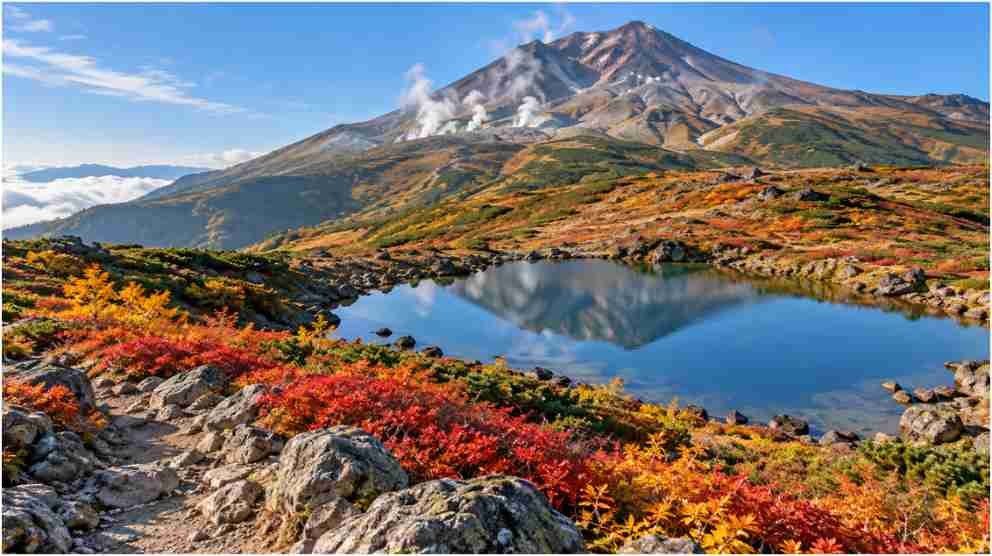
    Daisetsuzan National Park covers over 226,000 hectares of rugged terrain, earning its Indigenous Ainu name Kamui Mintara (“Playground of the Gods”). Mt. Asahi and Mt. Kurodake ignite with mountain ash and golden birch as early as mid-September.

    Taking the Asahidake Ropeway delivers you straight into alpine tundra. The 1-hour Sugatami Pond loop trail lets you view active fumaroles spewing sulfurous steam against blazing yellow groundcover. Pack a windproof thermal shell; temperatures at 1,600 meters plunge below freezing even on sunny afternoons.

    Chasing Waterfalls Through Sounkyo Gorge

    On the eastern face of the Daisetsuzan range, Sounkyo Gorge features sheer 200-meter basalt cliffs lined with turning maples. In early October, the Ginga and Ryusei twin waterfalls pour down cliff faces draped in vibrant red foliage. Walking the gorge trail early in the morning lets you photograph the canyon walls without tour buses blocking the viewpoints.

    The Golden Tunnel of Hokkaido University’s Ginkgo Avenue

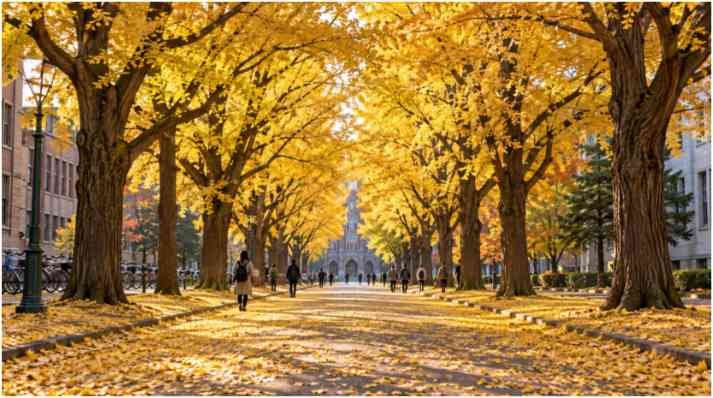
    If your travels fall in late October or early November, central Sapporo hosts the season’s grand finale. The Ginkgo Avenue (Icho Namiki) at Hokkaido University stretches 380 meters across campus.

    Over 70 mature ginkgo trees interlock overhead, dropping a carpet of golden leaves across the pavement. The university hosts its annual weekend Golden Leaf Festival here, illuminating the canopy under evening floodlights.

    Soaking in Steamy Thermal Springs: Scenic Onsen Towns
    Soaking in Steamy Thermal Springs: Scenic Onsen Towns

    Crisp autumn air pairs naturally with outdoor thermal soaking (rotenburo).

    River Views and Reservoir Reflections in Jozankei Onsen

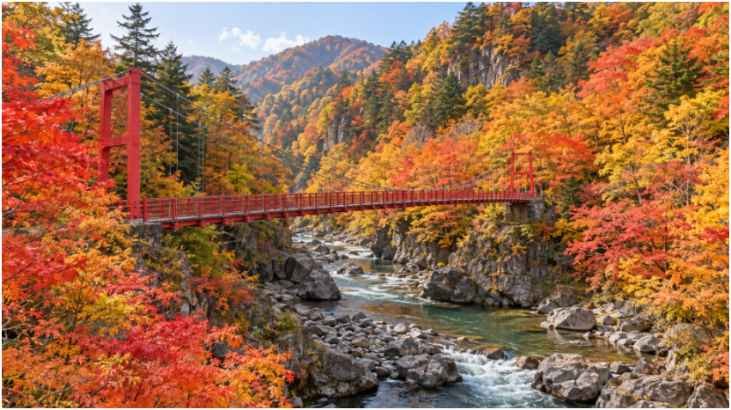
    Located just an hour’s drive south of downtown Sapporo, Jozankei Onsen lines the Toyohira River gorge. The red Futami Suspension Bridge offers panoramic views across forest-lined riverbanks.

    Take the local eco-bus from the onsen district up into Hoheikyo Dam. The reservoir cliffs reflect fiery hillside colors directly across the glassy emerald water. Afterwards, book a day-use bath at a riverside inn to soak in mineral-rich water while maple leaves drift past.

    Volcanic Steam and Forest Footbaths in Noboribetsu Hell Valley

    Further south, Noboribetsu provides a raw geothermal landscape. Wooden boardwalks guide you through Jigokudani (Hell Valley), where sulfur vents billow white steam against dark volcanic rock and bright yellow foliage.

    Follow the unpaved trail into the surrounding birch forest toward the Oyunuma River Natural Footbath. Sitting on a wooden log with your feet submerged in a hot thermal stream running through crisp autumn woods is one of Hokkaido’s signature experiences.

    Experiencing Aki no Mikaku: Hokkaido’s Autumn Harvest & Food Festivals
    Experiencing Aki no Mikaku: Hokkaido’s Autumn Harvest & Food Festivals

    In Japan, autumn is known as Aki no Mikaku—the season of harvest flavor. Hokkaido supplies a large portion of the nation’s fresh produce and coastal seafood, making autumn a culinary paradise.

    Graze Across the Island at Sapporo Autumn Fest

    Held annually throughout September in Odori Park, this massive open-air festival aggregates regional specialties from every corner of Hokkaido. Food stalls serve:

    • Butter-roasted seasonal sweet corn
    • Charcoal-grilled Pacific saury (sanma) and Tokachi wagyu beef
    • Steaming bowls of miso ramen crowned with scallops
    • Local microbrews from regional craft breweries

    The festival provides an easy way to sample hyper-local dishes from remote towns without hours of extra driving. For more regional culinary contrasts across the Japanese archipelago, explore places to visit in kyushu japan.

    Historic Canals and Seasonal Seafood Bowls in Otaru

    A 45-minute drive west of Sapporo brings you to the port city of Otaru. Strolling along the brick warehouse-lined Otaru Canal as gas lamps flicker on at twilight feels timeless.

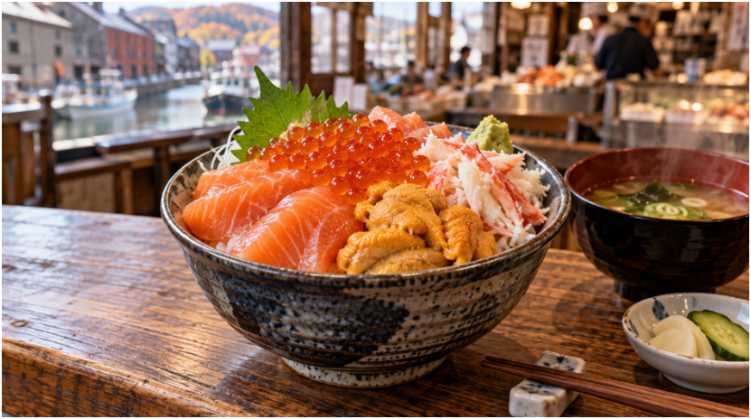
    Autumn marks the peak season for fresh salmon and glistening salmon roe (ikura). Stop by a local market eatery to order a seasonal kaisendon (seafood rice bowl) packed with sweet sea urchin, king crab, and house-cured roe.

    Postcard Vistas: Lakes, Nightscapes, and Historic Bastions

    Clear autumn high-pressure systems create exceptional visibility across Hokkaido’s southern vantage points.

    Cruising Lake Toya and Night Skies

    The caldera waters of Lake Toya remain ice-free year-round. Autumn sightseeing boats cruise past Nakajima Island, which lights up in red and copper during October. Through late October, nightly fireworks launch directly over the water, reflecting bursts of light against the darkened crater rim.

    Mount Moiwa Summit & Hakodate’s Geometric Fortress

    For elevated city views, ride the Mount Moiwa Ropeway just outside Sapporo at sunset. The forested slopes show patchwork fall color that yields to Sapporo’s illuminated street grid after dusk.

    Further south, Hakodate’s Fort Goryokaku offers an aerial perspective on history. This 19th-century star-shaped citadel turns reddish-gold as thousands of cherry and maple trees shift colors along its moats. Ascend the observation deck at the 107-meter Goryokaku Tower to view the symmetrical fortress outlined against the autumn landscape.

    Strategic Logistics: How to Navigate Hokkaido’s Autumn Descent

    Hokkaido covers vast distances, and public transit schedules thin out quickly once you leave major rail corridors. To maximize your time, implement these logistical practices:

    • Rent a Car with ETC: Public buses to alpine trailheads run infrequently outside peak summer. Rent a 4WD vehicle equipped with an Electronic Toll Collection (ETC) card from New Chitose Airport to bypass manual toll lanes.
    • Monitor the Vertical Foliage Window: The color line drops roughly 50 to 100 meters per day. If Daisetsuzan peaks in mid-September, lowland gorges like Sounkyo peak 10 to 14 days later, followed by Jozankei and Sapporo in mid-to-late October.
    • Watch for “Black Ice” Alerts: High mountain passes, including the Mikuni and Sekihoku passes, experience early freeze cycles and light snow flurries starting in mid-October. Check daily highway updates via the Japan National Tourism Organization (JNTO) before crossing passes in early morning hours.

    Beyond the Red Leaves: Pack Your Bags and Drive

    Hokkaido in the fall is brisk, flavorful, and fleeting. Watching the sunrise over the steamy caldera of Mt. Asahi before heading down into an onsen town for bowls of fresh salmon roe captures travel at its finest. Skip the crowded spring cherry blossom rush and point your compass north for Japan’s most dramatic seasonal transformation. While many flock here for snowy slopes or vibrant hokkaido summer travel destinations, autumn offers crisp mountain air without peak summer crowds.

    Frequently Asked Questions About Autumn in Hokkaido

    1. When is the best time to see autumn foliage in Hokkaido?

    Peak autumn colors begin in the high alpine zones of Daisetsuzan in mid-September and reach lowland parks and cities like Sapporo by late October.

    2. Do I need to rent a car to visit Hokkaido in autumn?

    While major cities like Sapporo, Otaru, and Hakodate connect easily by train, exploring remote national parks, gorges, and scenic passes requires a rental car.

    3. What should I wear for autumn travel in Hokkaido?

    Pack versatile thermal layers, a windproof and water-resistant shell, and sturdy boots, as mountain temperatures often hover near 32°F (0°C) even when lower valleys stay mild.

    4. Is the Sapporo Autumn Fest worth visiting?

    The Sapporo Autumn Fest in Odori Park is Hokkaido’s premier culinary event, letting you sample seafood, wagyu, ramen, and seasonal produce from across the entire prefecture in one central location.
  • Things to Do in Busan in Winter: Sea Views Worth Braving the Cold

    Things to Do in Busan in Winter: Sea Views Worth Braving the Cold

    I would build a winter trip to Busan around one simple pleasure: stepping out into salty coastal air, then finding somewhere warm before the chill takes over. Researching things to do in Busan in winter reveals a city that offers much more than beaches. 

    Seaside temples, colorful neighborhoods, steaming market snacks, and Korean bathhouses make the colder months surprisingly appealing. The secret is choosing manageable outdoor stops and pairing them with indoor breaks, rather than treating every day like a summer sightseeing marathon.

    What Is Busan Like in Winter?

    Winter generally stretches from late November through February. Snow is rare, but that does not make the city warm. Coastal wind can make beach promenades and exposed viewpoints feel considerably colder than sheltered streets.

    Pack a windproof coat, warm layers, gloves, and comfortable shoes with reliable grip. Check the forecast each morning and leave room to change plans. December brings festive atmosphere, while January and February require equally thoughtful preparation for cold days.

    Coastal Experiences That Suit the Season

    Coastal Experiences That Suit the Season

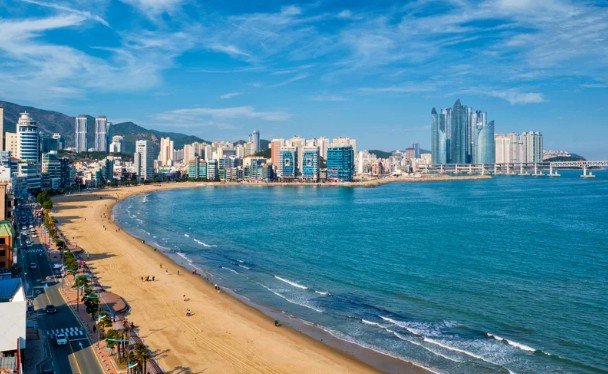
    Walk Haeundae Beach, Then Warm Up Nearby

    Haeundae remains worthwhile when swimming leaves the itinerary. Walk the promenade, photograph the shoreline, and enjoy the open coastal setting without committing to hours outside.

    Follow your walk with a café or Haeundae Market stop. Fishcake broth and spicy rice cakes turn a simple sightseeing break into part of the experience. Allow roughly an hour for the waterfront, extending your visit only when conditions feel comfortable.

    Ride Along the Coast at Blueline Park

    Haeundae Blueline Park offers coastal scenery through its Beach Train and Sky Capsule experiences. These are different services, so compare routes, departure points, and ticket arrangements before booking.

    Reserve ahead when a particular departure matters. Winter does not guarantee availability at popular times. Check operating notices and avoid making this the only important activity on a day with uncertain weather.

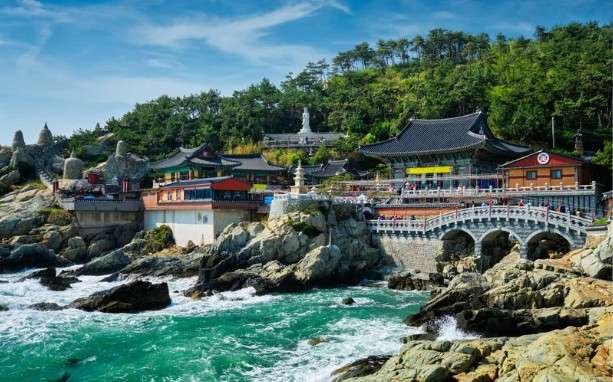
    Visit Haedong Yonggungsa Temple

    Haedong Yonggungsa stands beside the sea, making it a memorable contrast to mountain temples. Choose a calmer weather window and take your time on the steps.

    An early visit can provide attractive light, but sunrise requires warmer clothing and advance transport planning. Avoid combining the temple with several distant attractions. Its location deserves a deliberate place in your itinerary.

    Culture, Markets, and Warming Meals

    Culture Markets and Warming Meals

    Explore Gamcheon Culture Village

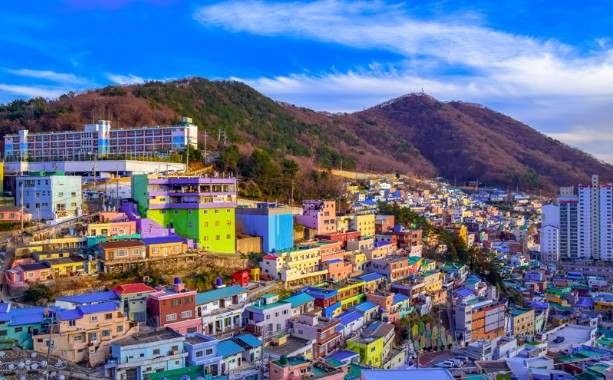
    Gamcheon rewards visitors with colorful buildings, hillside viewpoints, small shops, and cafés. Winter sightseeing here works best as a focused walk rather than an attempt to explore every staircase.

    Use transport to reach the upper area, then choose a manageable route. Wear supportive shoes, respect residential spaces, and pause indoors when needed. Travelers with mobility concerns should investigate access before committing to the steep lanes.

    Eat Your Way Around Nampo

    Nampo makes an effective base for market browsing and warming meals. Combine BIFF Square with Gukje Market and Jagalchi, selecting nearby stops instead of repeatedly crossing the city.

    Try ssiat hotteok, fishcakes, or a bowl of dwaeji gukbap. At seafood restaurants, confirm the total price and any preparation charges before ordering. Market areas vary in shelter, so do not assume every browsing stop will provide warmth.

    Indoor Escapes and Winter Evenings

    Indoor Escapes and Winter Evenings

    Choose a Spa or Aquarium Break

    A Korean bathhouse can become the centerpiece of a cold afternoon. Spa Land in Centum City is a useful option to investigate, while Dongnae offers hot-spring experiences. If your itinerary also includes Singapore, balance these paid experiences with free things to do in Singapore for budget travellers.

    Check admission rules, age restrictions, and bathing etiquette beforehand. Communal bathing areas generally involve bathing without swimwear. For travelers who prefer another indoor activity, the aquarium at Haeundae offers an alternative.

    Enjoy Gwangalli After Dark

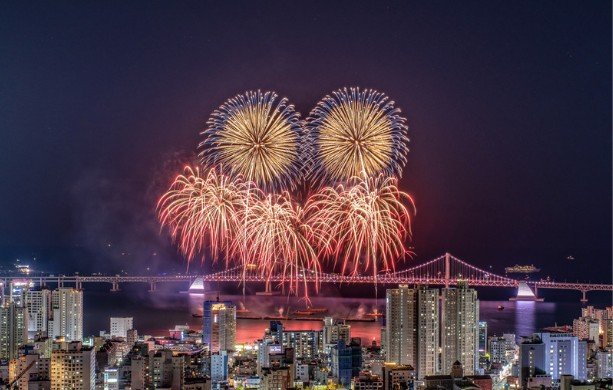
    Gwangalli offers evening views toward the illuminated Gwangan Bridge. Take a short waterfront walk, then settle into a restaurant or café with a view.

    Winter light displays elsewhere can also enrich your evening. Verify current festival dates and lighting hours rather than relying on previous seasons. Keep exposed nighttime outings flexible.

    Discover Eulsukdo’s Winter Birdlife

    Eulsukdo and the Nakdonggang Estuary offer different seasonal experience: watching migratory birds. Bring binoculars, keep your distance, and avoid disturbing wildlife.

    Choose this outing when you want nature rather than another busy shopping district. Check visitor facilities and transport before leaving.

    How to Plan Two Comfortable Days

    For the first day, group Gamcheon with Nampo’s markets and a warming lunch. Add Busan Tower or another nearby indoor stop if conditions suit.

    Spend the second day around Haeundae, combining the promenade with Blueline Park and an aquarium or café break. Treat Gwangalli as an optional evening outing. Give Yonggungsa or Eulsukdo additional time instead of squeezing everything into two days.

    Frequently Asked Questions

    1. What are the best things to do in busan in winter?

    Combine coastal sightseeing with markets, bathhouses, cafés, and cultural stops. Haeundae, Gamcheon, Nampo, and Gwangalli provide varied experiences.

    2. Does Busan get heavy snow?

    Heavy snowfall is unusual. Prepare primarily for cold weather and coastal wind, while checking forecasts for your travel dates.

    3. Is winter sightseeing suitable for families?

    Yes, with shorter outdoor visits and indoor alternatives. Check attraction age rules and consider stroller access on steep routes.

    4. Should I book activities ahead?

    Book limited-capacity experiences when timing matters, particularly around weekends and holidays. Check cancellation terms.

    Make the Season Work for You

    I would approach Busan with a flexible schedule, warm clothing, and fewer daily commitments. That leaves space to enjoy the sea, linger over lunch, and change direction when the wind rises. A thoughtful winter itinerary makes comfort part of the adventure.

  • Free Things to Do in Singapore for Budget Travellers: Beyond the Pricey Postcards

    Free Things to Do in Singapore for Budget Travellers: Beyond the Pricey Postcards

    I would rather leave Singapore with memories of glowing waterfronts and lively neighborhoods than a collection of expensive admission tickets. When planning a visit, I start by separating experiences worth paying for from places that welcome everyone. 

    Finding free things to do in Singapore for budget travellers becomes easier once you realize that gardens, heritage streets, and evening entertainment can fill a rewarding itinerary. The key is understanding what admission includes, grouping nearby stops, and leaving room for tropical weather.

    Understand What “Free” Actually Includes

    Free admission does not mean your entire day costs nothing. Public transport, meals, refreshments, and optional upgrades still need a budget. An attraction may also offer free grounds alongside ticketed exhibitions or viewing platforms.

    Check visitor eligibility before adding museums to your itinerary. Some concessions apply only to citizens, permanent residents, or specific groups. Likewise, a walking tour advertised as free may expect tips. Self-guided routes offer clearer control over spending.

    Enjoy Marina Bay Without Buying Attraction Tickets

    Enjoy Marina Bay Without Buying Attraction Tickets

    Walk the Waterfront and Visit Merlion Park

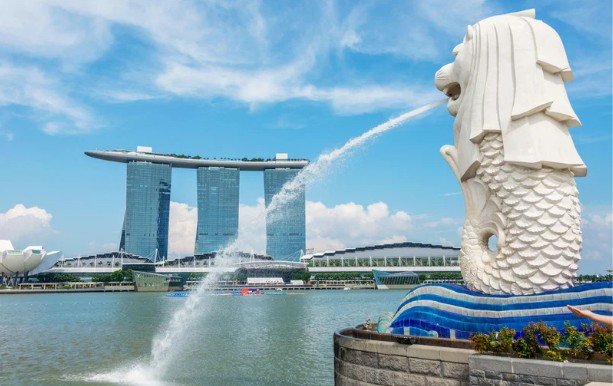
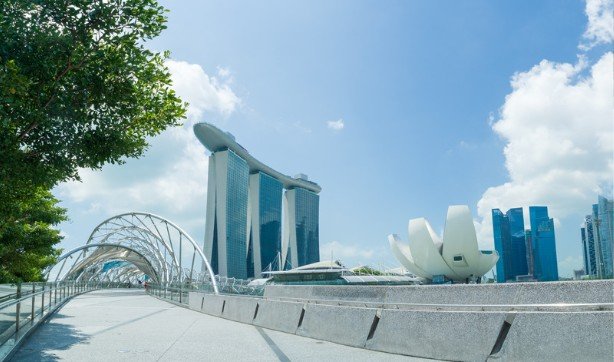
    Marina Bay delivers recognizable city views without requiring an observation deck ticket. Walk between Merlion Park, the waterfront promenade, and the Helix Bridge, stopping wherever the skyline catches your attention.

    Raffles Place and Bayfront MRT stations provide useful starting points for different sections. Allow around an hour for a relaxed waterfront stretch, longer for photographs. Late afternoon lets you watch the city change from daylight to illuminated evening scenery.

    Explore Gardens by the Bay’s Free Outdoor Areas

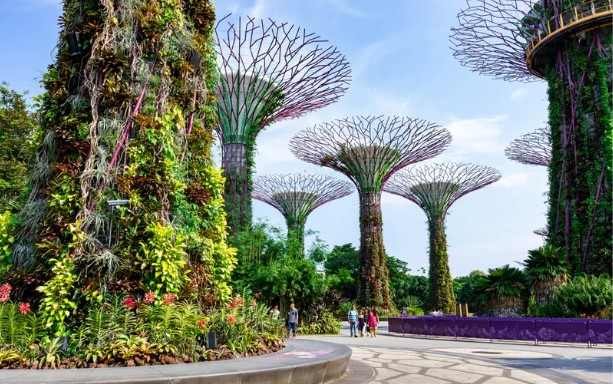
    You can enjoy the Supertree Grove, Heritage Gardens, and lakeside surroundings without booking the conservatories. Flower Dome, Cloud Forest, and elevated attractions involve separate admission, so distinguish them from your outdoor walk.

    Bayfront MRT is a convenient arrival point. Give the outdoor gardens at least an hour rather than rushing straight toward the Supertrees. Comfortable shoes help because distances between individual areas can feel substantial in humid weather.

    Watch Garden Rhapsody and Spectra

    Garden Rhapsody brings music and changing lights to the Supertree Grove. The regular schedule lists performances at 7:45 p.m. and 8:45 p.m., although special arrangements can change access or timings.

    Spectra is a separate, free, 15-minute light and water show at Marina Bay Sands’ Event Plaza. Check its current schedule before planning your evening. Choose one show as your priority, then assess whether you can comfortably reach the other without rushing.

    Discover Heritage Neighborhoods on Foot

    Discover Heritage Neighborhoods on Foot

    Explore Chinatown’s Streets and Shophouses

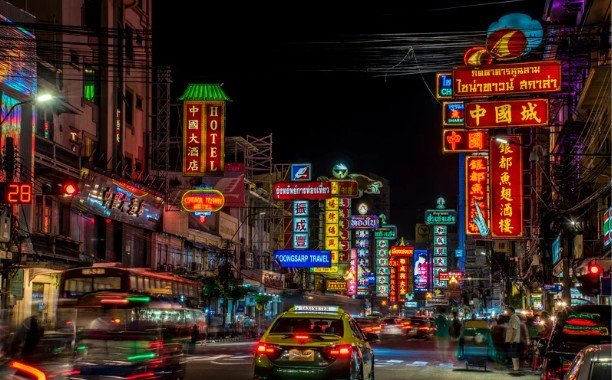
    Chinatown rewards slow observation: tiled facades, traditional businesses, temple exteriors, and busy food streets create an experience beyond souvenir shopping. As you plan a family trip to Asia with young children, keep the walk flexible and allow time for breaks. Start near Chinatown MRT and spend roughly an hour exploring adjacent streets.

    Entering religious buildings requires attention to visiting hours, dress expectations, and worshippers. Keep shopping and meals optional rather than treating them as essential parts of the neighborhood experience.

    Find Color in Little India and Kampong Glam

    Around Little India, look for garland stalls, detailed architecture, and streets that reveal everyday neighborhood life. Little India MRT makes a straightforward starting point.

    Kampong Glam offers another atmosphere, with Sultan Mosque’s exterior, historic shophouses, and murals around Haji Lane. Begin near Bugis MRT. Explore both districts separately if midday heat makes a longer walk uncomfortable; each deserves time beyond a quick photo stop.

    Choose a Garden Morning or Outdoor Escape

    Choose a Garden Morning or Outdoor Escape

    Singapore Botanic Gardens offers free general admission, with separate entry requirements for the National Orchid Garden. Lakes, shaded paths, and planted landscapes make the main grounds worthwhile without that upgrade. Start early, using Botanic Gardens MRT, and allow roughly two hours.

    For another outdoor session, consider a manageable section of the Southern Ridges or a reservoir walk. Check current trail notices first. Choose the route length around your energy, available daylight, and transport connections rather than assuming every linked park fits into one outing.

    Find Free Entertainment and Rainy-Day Alternatives

    Esplanade’s program includes free performances alongside ticketed productions. Browse the listings for your dates and select events explicitly marked free. This gives an evening cultural stop a clearer purpose than simply visiting the building.

    During showers, consider public library spaces or sheltered browsing areas. Confirm opening hours and any exhibition requirements. A covered break nearby usually makes more sense than crossing the city solely to escape rain.

    Build a Day With No Attraction Fees

    Begin in one heritage neighborhood, allowing time to explore without purchasing anything. After a separately budgeted lunch, take public transport toward Marina Bay.

    Spend late afternoon on the waterfront, then walk through Gardens by the Bay’s outdoor spaces before your chosen evening show. Keep the Botanic Gardens for another morning instead of squeezing every landmark into one exhausting day.

    Frequently Asked Questions

    1. What are the best free things to do in Singapore for budget travelers?

    Start with Marina Bay’s waterfront, outdoor gardens, heritage neighborhoods, and free evening shows. Choose nearby experiences to limit additional transport spending.

    2. Is Gardens by the Bay completely free?

    No. Selected outdoor areas are free, while conservatories and elevated attractions require separate tickets.

    3. Can foreign visitors enter museums for free?

    Eligibility varies. Check admission rules for your nationality, age, and intended exhibition before visiting.

    Leave With Experiences Worth Remembering

    I would build my Singapore visit around a few generous public spaces rather than chase every attraction. With sensible timing, clear admission checks, and a realistic food and transport budget, I could enjoy the city without making ticket purchases the center of the trip.

  • Exploring Modern Cities Preserving Ancient Traditions Through Local Culture

    Exploring Modern Cities Preserving Ancient Traditions Through Local Culture

    I have often found that a city’s most memorable detail is not its newest tower, but a small moment that reveals how people have lived for generations: a familiar recipe being prepared, a temple courtyard filling before a festival, or an artisan using inherited tools. These details make a destination feel rooted rather than interchangeable.

    I also notice that traditions survive when they remain part of ordinary life. A city can modernize without abandoning its identity. The challenge is making room for local customs as neighborhoods evolve, so visitors encounter living culture instead of a display.

    What Makes a Modern City a Keeper of Ancient Traditions?

    A city preserves tradition when people pass on cultural knowledge. Heritage includes buildings, food, language, ceremonies, music, craft skills, and ways of gathering. These are living heritage because communities keep them meaningful through use.

    Preservation works best when residents benefit. Protecting a building while pricing longtime neighbors out can leave the architecture intact but weaken the culture that gave it purpose. Thoughtful planning considers housing, public spaces, local businesses, and places where community life happens. Tradition also needs room to change as younger generations adapt old crafts or festivals while keeping their central meaning.

    Asian Cities Where Old Customs Still Shape Daily Life

    Asian Cities Where Old Customs Still Shape Daily Life

    Kyoto, Japan: Rituals Within a Contemporary City

    Kyoto’s temples, shrines, tea houses, and traditional wooden machiya sit within a city of universities, offices, rail lines, and modern shops. Tea ceremony preserves values of hospitality through carefully considered gestures, while classes and workshops introduce the practice to new learners. Seasonal festivals connect neighborhoods through processions, food stalls, music, and shared preparation.
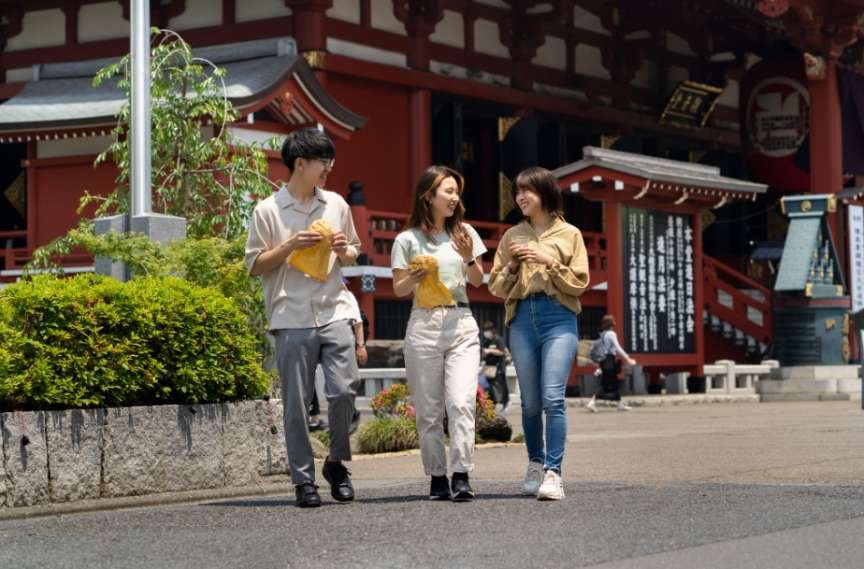
    Residents work and commute around sites, while popular areas face pressure from visitor numbers. Follow local rules, keep voices low in sacred spaces, and remember that residential lanes are people’s homes.

    Xi’an, China: Ancient Walls Beside New Development

    Xi’an’s city wall and imperial-era heritage stand alongside commercial districts and a growing technology sector. The wall connects the city to its historic layout, with space for walking, cycling, and public events. Museums explain the history of earlier Chinese dynasties.

    Local noodle dishes and markets offer another route into heritage because they remain part of everyday routines. Conservation also requires careful development and ways for residents to use historic areas without turning them into themed attractions.

    Ahmedabad, India: Neighborhoods Built Around Community

    Ahmedabad’s historic pols are residential neighborhoods known for shared spaces, carved wooden homes, and close community ties. Temples, mosques, shrines, markets, and workshops reflect the city’s layered history. Courtyards, shaded entrances, and intricate woodwork reveal traditional building knowledge shaped by local climate and daily life.

    Preservation means supporting residents and the specialized skills needed for repairs. Heritage walks can introduce visitors to the area, but should respect privacy rather than treat active neighborhoods as open-air museums.

    George Town, Malaysia: Culture in Shared Streets

    George Town’s historic shophouses and multicultural communities reflect Malay, Chinese, Indian, and other influences shaped by trade and migration. Food stalls, clan houses, religious sites, and traditional businesses show how cultural identities coexist. Recipes and craft techniques carry family histories, making markets and workshops useful places to learn beyond the city’s architecture.

    Tourism can support businesses, but may raise rents and push shops toward visitors. Supporting independent vendors and locally run experiences helps keep cultural life connected to residents.

    How Communities Keep Traditions Alive

    How Communities Keep Traditions Alive

    Cultural preservation depends on everyday decisions as much as formal protection. Local governments can safeguard historic buildings, maintain public squares, and support spaces for workshops. Schools and community organizations can help younger people learn traditional music, languages, cooking, and craft skills. Festivals bring people together to practice customs, while markets connect makers with customers.

    Digital documentation can record oral histories, techniques, and performances. Online archives make them easier to share, but cannot replace hands-on learning. Strong preservation combines documentation with opportunities to practice traditions and earn a living.

    This is why Asia’s disappearing cultural traditions deserve attention beyond nostalgia. Migration, changing work patterns, commercial development, and declining demand for handmade goods can put practices at risk. Preservation does not mean asking communities to live as they did centuries ago. It means giving people resources and freedom to decide which traditions they want to carry forward.

    Experiencing Local Culture With Care

    Travelers can support living heritage by approaching cultural experiences with curiosity and respect. Before a ceremony, check whether visitors are welcome and what behavior is expected. Ask permission before photographing people, especially during worship or private events. At markets, buy directly from local makers where possible and learn what makes an item distinctive.

    Look for traditional craftsmanship experiences in Asia that let visitors meet artisans, learn about materials, or try a skill under guidance. A meaningful workshop pays fairly and lets the host decide what to share. Some traditions are sacred or private, not public entertainment.

    FAQs: Exploring Modern Cities Preserving Ancient Traditions Through Local Culture

    1. What helps a modern city preserve ancient traditions?

    Community participation, heritage protection, local businesses, education, and opportunities for younger generations to learn traditional skills help keep cultural practices active.

    2. Which Asian cities combine modern life with historic culture?

    Kyoto, Xi’an, Ahmedabad, and George Town offer examples through historic districts, festivals, crafts, food traditions, and community spaces.

    3. How can travelers experience local traditions respectfully?

    Check local etiquette, ask before taking photographs, follow rules at religious sites, and choose experiences led by local residents or practitioners.

    4. Can tourism help preserve traditional culture?

    Tourism can provide income for artisans and local businesses. Poorly managed tourism can raise costs, displace residents, and turn traditions into performances for visitors. The outcome depends on who benefits and whether communities help set the terms.

    Why Living Traditions Belong in the Future of Cities

    A city’s heritage survives when it remains valued by the people who practice it. Historic walls and buildings can anchor a sense of place, but culture depends on residents who cook, make, teach, celebrate, repair, and gather. Preservation needs more than restoration: it needs housing, public spaces, local livelihoods, and planning that lets communities stay and shape their neighborhoods.

    Modernization and tradition do not have to compete. When cities make room for both, heritage becomes part of their future rather than a memory behind glass. Sometimes the clearest sign of preservation is simple: a tradition is still being lived.

  • Pacific Northwest Seafood Road Trip: Washington to Oregon

    Pacific Northwest Seafood Road Trip: Washington to Oregon

    I can think of few American drives where the food feels as connected to the landscape as it does along the Pacific Northwest coast. Cold bays grow oysters, working harbors unload salmon and halibut, and small fishing towns still make fresh crab part of everyday life. 

    For me, a Pacific Northwest seafood road trip is less about racing between restaurants and more about following the water from Washington’s shellfish country to Oregon’s rugged coastal communities.

    The most rewarding route starts in northern Washington near Chuckanut Drive, crosses the Olympic Peninsula, works south toward the Columbia River, and then follows Oregon’s Highway 101. Along the way, expect Pacific oysters, Dungeness crab, smoked salmon, spot prawns, geoduck, razor clams, halibut, chowder, and plenty of unexpected local catches.

    Where Should a Pacific Northwest Seafood Route Start?

    Chuckanut Drive and Samish Bay: Oysters With a View

    I would begin on State Route 11, better known as Chuckanut Drive. This cliff-hugging highway south of Bellingham overlooks Samish Bay and creates one of the most scenic introductions to Washington seafood country.

    The tidal flats here support oyster, clam, and geoduck farming. Taylor Shellfish’s Samish Bay operation, for example, sits beside Chuckanut Drive and has long offered waterfront shellfish experiences. Visitors can find Pacific oysters and specialty varieties such as Kumamotos alongside clams, mussels, and geoduck. The setting is part of the appeal: shellfish farms sit beneath forested hills with views across the bay.

    Nearby regional fish markets along the I-5 corridor are also useful places to look for Washington specialties such as geoduck, oyster shooters, halibut, salmon, and other seasonal seafood. Washington’s wild geoduck fishery is jointly managed by state agencies and Treaty Tribes, making this enormous native clam one of the region’s most distinctive seafood products.

    What Seafood Should You Try on the Olympic Peninsula?

    Port Townsend: Crab, Oysters, and Spot Prawns

    Port Townsend Crab, Oysters, and Spot Prawns

    From northern Puget Sound, I would continue toward historic Port Townsend. Its maritime character makes seafood feel like part of the town rather than simply another dining category.

    Local seafood sellers carry Dungeness crab, oysters, Manila clams, wild salmon, mussels, and prawns. Spot prawns are especially prized when available, although Washington manages shrimp seasons carefully and some marine areas, including Port Townsend Bay, had spot-shrimp closures in 2026 because of low abundance.

    That seasonality is exactly why I prefer asking fishmongers what arrived recently rather than planning every meal months.

    Hood Canal: Washington’s Famous Oyster Waters

    Hood Canal deserves its own seafood stop. Oyster beds occur along much of the canal shoreline, while clams and geoduck also thrive in sections of these protected waters.

    Roadside seafood stands, oyster farms, and waterfront restaurants make Hood Canal oysters one of the defining tastes of a Washington coastal trip. If I wanted to harvest shellfish myself, however, I would check Washington Department of Fish and Wildlife and Department of Health notices immediately before going. Biotoxin closures can change quickly; several Hood Canal beaches reopened in September 2026 after an unusually long summer closure.

    Neah Bay: Salmon at Washington’s Northwestern Edge

    Farther west, Neah Bay introduces a very different side of Pacific Northwest seafood. Located within the homeland of the Makah Tribe near the northwestern tip of the contiguous United States, the community has deep connections to fishing and marine resources.

    Makah Bay seafood businesses handle seasonal Chinook, Coho, and other salmon as well as halibut, sablefish, rockfish, lingcod, and Dungeness crab.

    Smoked salmon is one of the flavors I would seek out here. Rather than treating Neah Bay as another restaurant stop, I would spend time appreciating how fishing, tribal culture, and the Pacific are connected.

    Where Should You Stop for Seafood on the Oregon Coast?

    Where Should You Stop for Seafood on the Oregon Coast

    Once the route crosses the Columbia River into Oregon, the Pacific Northwest seafood road trip changes again. Highway 101 begins linking larger fishing ports with small communities where fresh seafood may come from only a few miles away.

    Cannon Beach: Razor Clams, Salmon, and Tide-Pool Country

    Cannon Beach is famous for Haystack Rock, but seafood travelers have another reason to stop. Oregon Department of Fish and Wildlife identifies Cannon Beach and nearby Indian Beach among places where razor clams occur. In fact, the broader Clatsop Beach area accounts for most of Oregon’s razor clam harvest.

    Local seafood markets also carry Oregon salmon, crab, halibut, oysters, cod, shrimp, and razor clams.

    I would pair an early walk around the tide pools with a seafood lunch rather than treating Cannon Beach purely as a photo stop.

    Nehalem Bay: Catch Your Own Dungeness Crab

    South of Cannon Beach, Nehalem Bay offers one of the most interactive seafood experiences on the route.

    ODFW identifies productive recreational crabbing and clamming areas throughout the bay, and lists boat launches at Wheeler, Nehalem Bay State Park, Brighton Marina, and other locations.

    This is where I would consider renting gear or joining a local outing to drop crab rings for Dungeness crab. Some local marinas and coastal operators may provide cooking facilities or crab-cooking services, but I would confirm current services before arriving.

    Is Yachats Worth Visiting for Fresh Oregon Seafood?

    Absolutely. Yachats gives the drive a smaller, more intimate coastal feel.

    Local fish houses serve chowder, steamer clams, fish and chips, and seafood caught by local fishermen. Luna Sea Fish House, for example, describes serving fish caught from its owner’s boat and operates both a restaurant and a fresh fish market.

    For travelers who enjoy discovering regional cuisine beyond major cities, exploring small towns with great food in America can reveal similarly distinctive local specialties, independent eateries, and long-standing food traditions.

    Halibut, salmon, albacore, clams, and creamy coastal chowder make this an easy place to slow down. I would rather spend an evening here than rush south simply to add more miles to the odometer.

    For travelers who enjoy exploring regional food cultures by car, a Louisiana Cajun food road trip offers a very different route built around smokehouses, crawfish, boudin, and other distinctive Southern specialties.

    What Seafood Should You Look for Along the Route?

    What Seafood Should You Look for Along the Route

    Dungeness crab may be the star, but this drive rewards variety. Washington brings oysters, geoduck, spot prawns, wild salmon, mussels, and clams. Oregon adds razor clams, halibut, albacore tuna, pink shrimp, rockfish, oysters, salmon, and locally landed crab.

    If you want to explore another coastal route built around regional seafood traditions, the New England seafood road trip offers a contrasting journey through Connecticut, Rhode Island, Massachusetts, and Maine.

    Availability changes with fishing seasons, tides, regulations, weather, and health closures. That uncertainty makes local fish markets especially valuable. Instead of arriving determined to eat one particular species, I ask what is freshest and locally harvested that day.

    Frequently Asked Questions 

    1. How many days do I need for this coastal seafood route?

    I recommend at least five days and ideally seven. The Olympic Peninsula alone rewards slower travel, while Oregon’s Highway 101 has enough fishing towns, beaches, and scenic stops to justify several more days.

    2. What is the most famous seafood in the Pacific Northwest?

    Dungeness crab, Pacific oysters, salmon, halibut, razor clams, geoduck, spot prawns, albacore tuna, and rockfish are among the region’s signature seafood choices.

    3. Can I catch my own crab or collect shellfish?

    Yes, at designated locations and during open seasons. Recreational harvesting requires following state licensing, limits, beach-access rules, and current health advisories. Always check official Oregon or Washington regulations before harvesting.

    Ending the Trip With the Tide

    What I enjoy most about a Pacific Northwest seafood road trip is that the experience never feels manufactured. One morning can begin beside Samish Bay oysters, another beside a smoky Olympic Peninsula harbor, and another with crab pots dropping into Nehalem Bay.

    I would leave room in the itinerary for weather, tides, fishing seasons, and whatever local fishmongers recommend. That flexibility turns a coastal drive into something much more memorable: a journey through the working seafood culture of Washington and Oregon.

  • Japan’s Lesser Known Seasonal Traditions and Local Festivals Worth Discovering

    Japan’s Lesser Known Seasonal Traditions and Local Festivals Worth Discovering

    I used to think of Japan’s festival calendar in terms of its biggest spectacles: packed streets, towering floats, and famous summer fireworks. Looking more closely at regional celebrations changed that picture. Some of the most memorable traditions happen in small towns, where a few lanterns, a familiar folk song, or a ritual repeated for generations can say more about local life than a grand parade.

    I’ve come to appreciate how closely these customs follow the seasons. Japan’s lesser-known seasonal traditions and local festivals grew from local concerns and beliefs, making them more than smaller versions of major events.

    Spring Traditions That Welcome Renewal

    Spring is often associated with cherry blossoms, but it also brings quieter religious observances. At temples and shrines, ceremonies welcome renewal, honor local deities, or ask for health and a good growing season.

    Hana Matsuri is a Buddhist celebration of the Buddha’s birth, commonly observed on April 8. At participating temples, visitors pour sweet tea over a small statue of the infant Buddha in a flower-decorated pavilion. The name means “flower festival,” offering a spring experience centered on a shared religious ritual rather than blossom viewing.

    Summer Festivals Built Around Community

    Summer Festivals Built Around Community

    Summer matsuri bring neighborhoods together through music, dancing, food stalls, and rituals to protect people or honor the dead. During Bon, families remember ancestors and gather for traditional dancing. Local music and costumes vary by town.

    In Yanai, Yamaguchi Prefecture, the Kingyo Chochin Festival turns historic streets into a glowing display of goldfish-shaped paper lanterns. The lantern, known as a kingyo chochin, is a local folk craft, not just seasonal decoration. The festival is held on August 13, around the Obon period, when many people return to their hometowns. Lanterns, a parade float, and traditional dancing make the evening festive, while the familiar craft gives it a strong sense of place.

    Explore the old streets before the evening events, and check the official schedule before making a special trip.

    Japan’s national tourism organization notes that many local Japanese festivals are closely connected to community traditions, seasonal events, and local culture.

    Autumn’s Quiet Prayers for a Safe Harvest

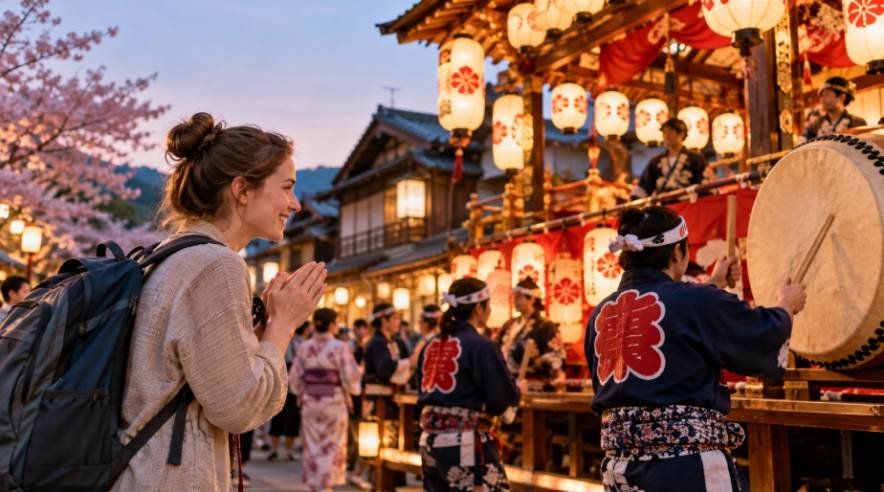
    Early autumn brings the Owara Kaze no Bon festival to Yatsuo, in Toyama Prefecture, from September 1 to 3. Under paper lanterns, dancers wearing woven hats and traditional clothing move through narrow streets to the restrained sounds of shamisen, kokyu, and drums. The mood is graceful rather than noisy, and the procession feels closely tied to the town itself.

    The festival grew from prayers against destructive winds and for a successful harvest. Storms could damage crops just before harvest, so the ritual had practical meaning. Each of Yatsuo’s districts has its own music, dress, and movements.

    Notice the music, lantern light on old wooden buildings, and precise movements. Crowds gather at popular viewing points, so follow local instructions and keep residents’ routes clear.

    Winter Rituals Shaped by Snow and Belief

    On New Year’s Eve in the Oga Peninsula of Akita Prefecture, the Namahage tradition brings masked figures in straw garments to local homes. They call out to children and households, challenging laziness and misbehavior while also offering blessings for health and good fortune. The figures can look frightening, but the custom is more complex than a simple scare ritual. It connects folklore, household well-being, and the passing of the year.

    Practices vary, and some events are staged for visitors. Do not assume you can enter private neighborhoods or photograph household visits. Follow local rules and remember that the tradition belongs to the community.

    Further south, the Yunishigawa Kamakura Festival in Tochigi Prefecture transforms a snowy hot-spring village with small snow huts illuminated by candlelight. The main festival period usually runs from late January into early March, though dates and lighting schedules change each year. At night, the warm points of light against the snow create an intimate scene quite different from a large city illumination.

    Kamakura means snow houses here. Activities and access vary by venue, so check opening details and riverside lighting dates before visiting.

    Winter weather can affect roads and local transport, so leave room in your schedule for delays. Warm footwear matters, too, because visitors may spend time outdoors on snow or icy paths while waiting for the lights to come on before departure.

    For travelers planning longer journeys between regions, understanding how to use night trains when traveling in Asia can also help when an evening departure or overnight journey fits better than adding another daytime travel connection.

    How to Experience Local Festivals Respectfully

    How to Experience Local Festivals Respectfully

    Plan ahead by confirming dates with the local tourism association or municipality. Some events use fixed dates; others change schedules or access. In rural areas, check the last train or bus before evening events.

    Because smaller festivals may take place in rural areas where payment options can be more limited, it is also worth knowing how to manage cash and card payments while traveling in Asia before you arrive. Carrying a practical backup payment method can make it easier to buy local food, crafts, or transport without disrupting your plans.

    During ceremonies, follow photography rules. Do not touch offerings, enter restricted areas, or treat performers as props. Buying local food or crafts can support tradition-bearers, but do not assume participation is welcome.

    The Traditions That Stay With You

    A small festival is memorable because of the relationship between a place and the custom it protects. A handmade lantern, a dance passed between generations, or a snowy winter figure visiting homes can hold stories about work, weather, family, and belief. These traditions are not frozen in the past; communities adapt them while deciding what to preserve. Curiosity and respect help visitors see the people behind the spectacle.

    For travelers interested in discovering more regional culture beyond Japan’s most familiar destinations, the best places to visit in Kyushu Japan offer another way to experience distinctive local landscapes, communities, and traditions.

    A festival can last only a few hours, yet reveal how a town understands its history and its place in the year. Sometimes that quiet glimpse is the part of a journey you remember longest.

    Frequently Asked Questions 

    1. What does matsuri mean in Japan?

    Matsuri is the Japanese word for a festival, often connected with a shrine, local deity, seasonal event, or community tradition. The meaning and customs differ by place.

    2. When is the best time to see local festivals in Japan?

    There is no single best season. Spring has temple ceremonies, summer brings many neighborhood festivals, autumn features harvest-related events, and winter offers snow and New Year traditions.

    3. Are lesser-known festivals suitable for international visitors?

    Many welcome visitors, but some rituals are intended mainly for residents. Check local guidance, respect photography rules, and avoid entering private or restricted spaces.

    4. Do festival dates change each year?

    Some festivals take place on fixed dates, while others vary according to the calendar, weather, or local arrangements. Confirm the current schedule with official local tourism sources before traveling.

  • Nature Destinations In Sabah And Sarawak Borneo: Wild Rainforests, Caves, and River Corridors

    Nature Destinations In Sabah And Sarawak Borneo: Wild Rainforests, Caves, and River Corridors

    Stepping off an open wooden longboat into the thick mud of Malaysian Borneo hits your senses immediately. The air sits at 95% humidity, smelling of damp soil, river sediment, and ancient dipterocarp leaves. If you seek the most immersive nature destinations in sabah and sarawak borneo, you must decide between two completely different ecological playgrounds.

    One state carves its identity out of gargantuan subterranean caves and coastal sandstone cliffs, while the other offers world-class river safaris packed with wild megafauna. Having spent weeks trekking through leech-infested primary trails and cruising silty brown waterways, I learned how to separate the tourist brochures from the authentic field realities.

    The Split Personality of Malaysian Borneo: A Field Perspective

    Sabah and Sarawak share the world’s third-largest island, yet their geological structures and wildlife dynamics feel worlds apart.

    Sarawak captivates you with its vastness and silence. Its ancient karsts hold the planet’s largest known cave chambers, hollowed out over millions of years by underground rivers. The wildlife here hides within dense foliage, demanding patient, sharp-eyed spotting.

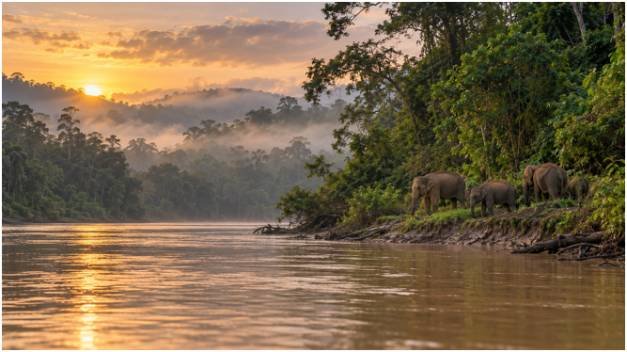
    Sabah, by contrast, gives you immediate wildlife payoff. Its protected corridors squeeze animals toward riverbanks, offering rapid sightings of elephants, wild orangutans, and proboscis monkeys. 

    If your typical vacations lean toward relaxed quiet islands to visit in malaysia with breezy boardwalks, Borneo’s interior will challenge your comfort zone with rugged terrain, sweat-drenched treks, and sudden tropical downpours.

    Sarawak’s Underworld and Coastal Edges

    Sarawak delivers raw geography. The trails test your knees, the caves redefine scale, and the coastline drops straight into the South China Sea.

    Gunung Mulu National Park: Caverns, Pinnacles, and the Bat Exodus

    Gunung Mulu National Park: Caverns, Pinnacles, and the Bat Exodus

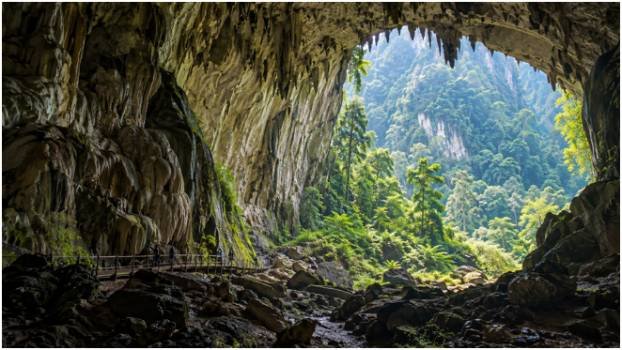
    Gunung Mulu is accessible only by rural turboprop flights from Miri or Kota Kinabalu. Stepping into Deer Cave feels like entering a natural cathedral. According to data documented by the UNESCO World Heritage Convention, its opening spans roughly 120 to 150 meters in diameter. It easily swallowed a Boeing 747 with room to spare.

    Inside, the warm smell of guano fills the cavern, where millions of wrinkle-lipped bats roost along the ceiling. Sit outside the amphitheater around 5:15 PM. When the weather stays dry, the bats spiral out in massive, smoke-like ribbons across the sky to hunt insects.

    For travelers who enjoy high elevation vistas similar to mountain destinations in nepal for non trekkers, Mulu’s base trails and show caves provide dramatic limestone mountain views without requiring vertical mountaineering gear.

    The three-day hike to the razor-sharp Mulu Pinnacles requires grueling climbs up vertical aluminum ladders fixed to limestone cliffs. The boardwalks through Clearwater and Lang Caves, however, remain accessible for any curious traveler.

    Mulu Field Note:

    Do not rely on ponchos inside the caves. Condensation and “cave rain” drip steadily from the roof. 

    Carry a headlamp pushing at least 300 lumens to illuminate slippery calcite steps.

    Bako National Park: Rugged Cliffs and Mangrove Wildlife

    Bako National Park: Rugged Cliffs and Mangrove Wildlife

    Just a short drive and a choppy longboat ride from Kuching brings you to Bako National Park. It is Sarawak’s oldest national park, and its biodiversity density is staggering.

    Within thirty minutes of walking along the Telok Delima trail, you encounter wild proboscis monkeys crashing through mangrove branches. Bornean bearded pigs wander calmly across the sandy beaches right beside park headquarters, snuffling for roots.

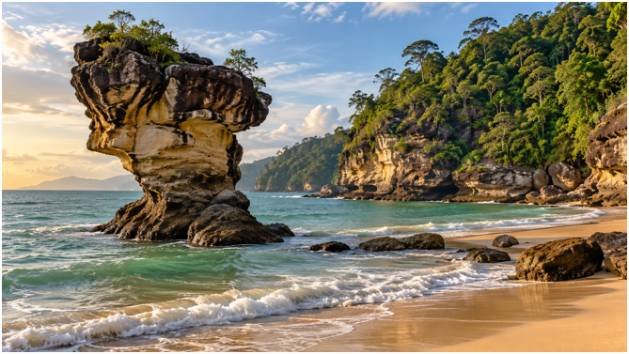
    Coastal sea stacks weather the incoming tides, and carnivorous pitcher plants cling to dry sandstone plateaus along the Lintang trail. Bako is self-guided, well-marked, and endlessly rewarding if you start walking before dawn.

    Sabah’s Megafauna Corridors and Ancient Canopies

    Cross the border into Sabah, and the focus shifts directly from ancient rock to active animal biology.

    Kinabatangan River: Riparian Boat Safaris and Elephant Corridors

    Kinabatangan River: Riparian Boat Safaris and Elephant Corridors

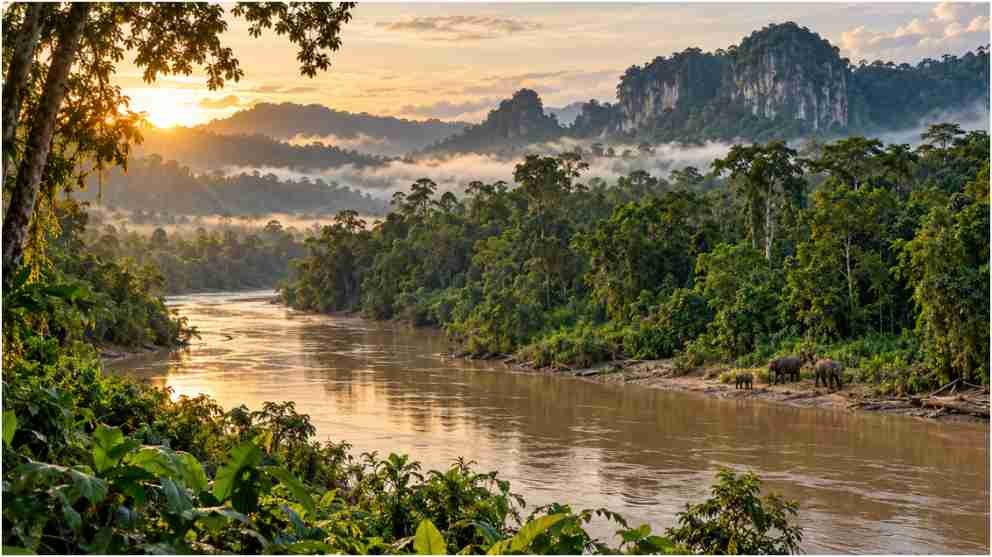
    The Kinabatangan River is Sabah’s ecological artery. Decades of agriculture have restricted the native jungle to a narrow green corridor bordering the water. 

    While this habitat fragmentation presents real conservation challenges monitored by organizations like WWF-Malaysia, it produces phenomenal wildlife viewing for visitors.

    Skip the midday heat entirely. Board a small, quiet skiff at 6:00 AM and 4:00 PM. In two days along the riverbanks, you can easily spot:

    • Troops of proboscis monkeys leaping into the canopy to sleep.
    • All eight native species of Bornean hornbills gliding overhead.
    • Saltwater crocodiles sunning on muddy banks.
    • Herds of pygmy elephants snapping wild banana trees along the water’s edge.

    Night boat safaris reveal buffy fish owls staring from low branches and blue-eared kingfishers resting on reeds. The Sabah Wildlife Department works closely with local community-run cooperatives in Sukau and Bilit, ensuring riverboat drivers maintain respectful distances from foraging animals.

    Danum Valley Conservation Area: Deep Primary Dipterocarp Forest

    Danum Valley Conservation Area: Deep Primary Dipterocarp Forest

    If the Kinabatangan is wildlife theater, the Danum Valley Conservation Area is untouched wilderness. Danum protects 438 square kilometers of unlogged, primary lowland dipterocarp rainforest. Trees here soar past 260 feet into the clouds.

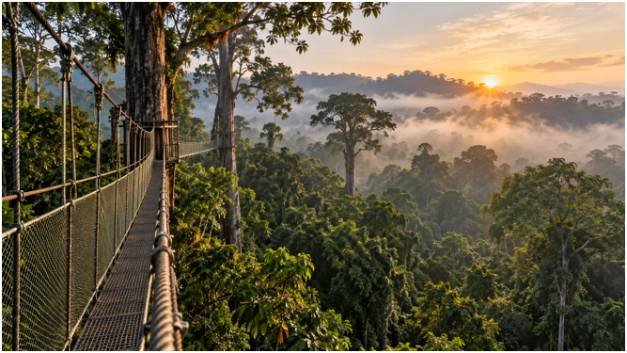
    Staying at either the Danum Valley Field Centre (catering to researchers and rugged adventurers) or the upscale Borneo Rainforest Lodge puts you in pristine terrain. Walking the suspended canopy walkway at sunrise reveals gibbon families calling across the misty canopy. 

    Sightings here are never staged. Finding a wild male orangutan stripping bark high in an ancient shorea tree requires hours of sweat and careful tracking, making the encounter unforgettable.

    Field Logistics: How to Route Across Both States

    Do not attempt to travel overland between Sarawak and Sabah. The road journey involves crossing multiple immigration checkpoints, poor road conditions, and days of driving.

    Journey Leg Transit Method Practical Duration Best Time to Travel
    Kuching to Mulu MASwings Turboprop 1 hour 35 mins Morning flights avoid afternoon storm delays
    Mulu to Kota Kinabalu Regional Twin Otter/ATR 55 mins Direct flights operate limited days per week
    Kota Kinabalu to Sandakan Domestic Jet / Overland Coach 45 min flight / 6 hr drive Fly to maximize time on the Kinabatangan River
    Sandakan to Sukau (River) Minivan Transfer 2 hours 15 mins Depart by 11:30 AM to catch the 4:00 PM boat safari

    Book regional turboprop flights months ahead. Baggage allowances are strictly capped at 15 to 20 kilograms per passenger due to small aircraft weight limits.

    Packing and Survival Tips for Bornean Rainforests

    Jungle trekking demands specialized preparation:

    1. Invest in genuine leech socks. Normal hiking socks will not stop tiger leeches. Wear tightly woven calico leech socks pulled up to your knees and tied firmly below the joint.
    2. Keep silica gel in your electronics bag. The ambient humidity in Danum Valley and Mulu ruins camera sensors within 48 hours. Store camera bodies in sealed dry bags with rechargeable desiccant packs.
    3. Carry electrolytes daily. You sweat continuously, even while standing still. Pure water is not enough; mix oral rehydration salts into your canteen every morning.

    Frequently Asked Questions About Borneo Nature Travel

    1. Which state is better for wild orangutan encounters?

    Sabah offers significantly higher wild spotting odds along the Kinabatangan River and throughout Danum Valley.

    2. When is the dry season to visit Sabah and Sarawak?

    March through October provides drier trails, calmer boat safaris, and better cave exploration weather.

    3. Can I do both states in a single one-week trip?

    No, a combined trip requires at least 10 days to comfortably manage flights and park transfers.

    4. Do I need a guided tour to visit Gunung Mulu?

    Yes, national park regulations require licensed local guides for entering all major cave systems.

    The Verdict: Pick Your Jungle Poison

    If your dream trip involves seeing wild pygmy elephants, sleeping orangutans, and cruising broad rivers with a cold drink in hand, book your flights directly to Sabah. If you want raw physical challenges, dramatic limestone chambers that make you feel microscopic, and secluded coastal forest hikes, head straight to Sarawak.

    The smartest move is simple: don’t choose between them. Book a short turboprop hop across the border, pull your leech socks up tight, and experience both worlds firsthand.

  • Things to Do in Seoul When It Rains Without Losing a Day

    Things to Do in Seoul When It Rains Without Losing a Day

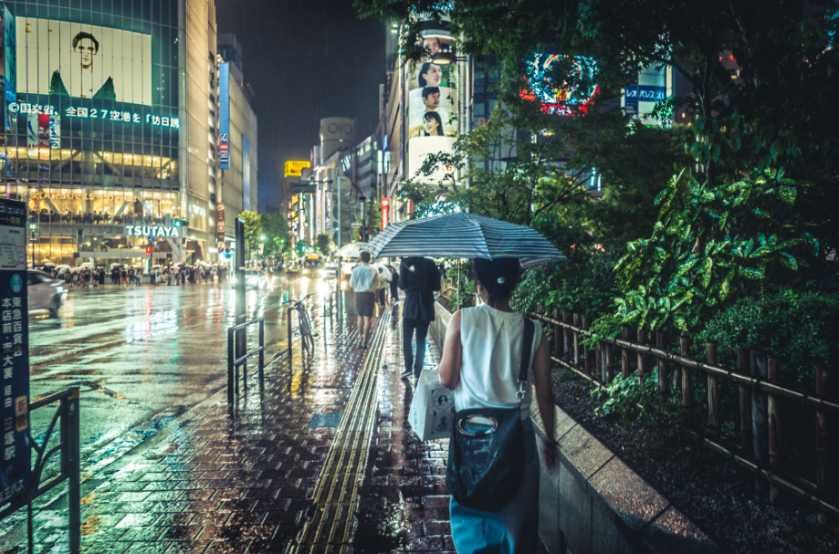
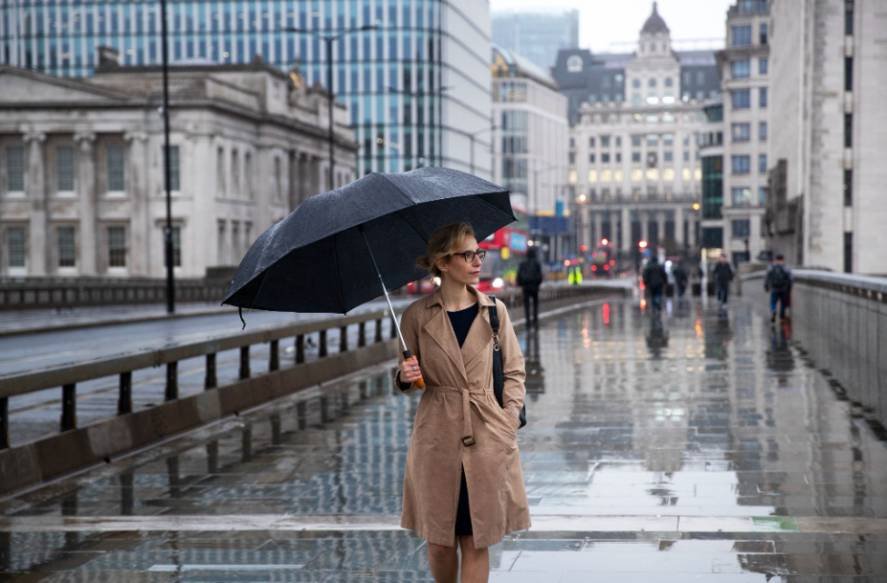
    Rain in Seoul has a strange way of changing the city rather than shutting it down. The palace courtyards may empty, rooftop views can disappear behind clouds, and riverside plans might suddenly feel pointless—but underground, Seoul keeps moving at full speed. I have learned that some of the city’s most memorable experiences actually become more appealing once the umbrellas come out.

    Instead of waiting in a hotel room for the weather to improve, I would use the rain as an excuse to explore another side of the capital. From futuristic cultural spaces and enormous underground complexes to tropical greenhouses, K-pop studios, museums, and Korean wellness experiences, the best things to do in Seoul when it rains can easily fill an entire day without feeling like second-choice plans.

    Where Should I Go First When It Rains in Seoul?

    Spend Hours Inside Starfield COEX Mall

    COEX in Gangnam is my easiest all-in-one rainy-day choice. Starfield Library has dramatic 13-meter bookshelves and free admission. I would go for the architecture, photos, and energy rather than expecting a silent reading room. From there, I can grab coffee at % Arabica, shop, eat, and walk into SEA LIFE COEX for its aquarium displays and shark tunnel.

    The practical advantage matters too. COEX has indoor subway access around Samseong Station on Line 2, helping me minimize time outside.

    Explore Futuristic Dongdaemun Design Plaza

    Designed by Zaha Hadid, Dongdaemun Design Plaza looks almost otherworldly on a gray day. DDP hosts exhibitions, design shops, cultural programs, and creative spaces. The architecture alone makes this more memorable than simply hiding in another mall.

    What Are the Best Interactive Indoor Activities in Seoul?

    Make Your Own K-Pop Moment at HiKR Ground

    Make Your Own K-Pop Moment at HiKR Ground

    HiKR Ground is ideal when I want modern Korean culture instead of another conventional museum. This multi-floor K-culture center combines media art, immersive exhibits, and K-pop spaces where visitors can create music-video-style content with themed sets, music, and adjustable lighting.

    Families planning another Asian city break can also find plenty of things to do in Tokyo with teenagers, from interactive attractions and arcades to fashion, gaming, and neighborhood exploration.

    Meet Animals at Zoolung Zoolung

    Zoolung Zoolung in Yeongdeungpo gives families another weatherproof option. The indoor animal theme park offers close-up programs involving animals such as capybaras, along with feeding and interactive areas.

    Which Museums and Indoor Nature Spots Are Best?

    Spend Several Hours at the National Museum of Korea

    The National Museum of Korea is where I would go when I want the storm to disappear from my mind. Its permanent exhibition halls are free, and I can easily spend three or four hours exploring Korean history, art, archaeology, and cultural treasures.

    For first-time US visitors, it also adds context to Seoul’s palaces and traditions.

    Escape Into Seoul Botanic Park

    If a gray afternoon starts feeling gloomy, I would head to the greenhouse at Seoul Botanic Park. Its indoor conservatory recreates tropical and Mediterranean environments with lush plants and elevated viewpoints. It gives me the feeling of being surrounded by nature without standing in the rain.

    What Korean Experiences Work Best on a Wet Day?

    What Korean Experiences Work Best on a Wet Day

    I would not spend the entire day moving between major attractions. A jjimjilbang can turn a rainy afternoon into several relaxing hours of baths, heated rooms, and rest areas. A noraebang gives couples or groups a private karaoke room where the weather becomes irrelevant.

    Korean cooking classes and craft workshops are also strong choices. Instead of waiting for the clouds to clear, I can learn to prepare Korean food or make pottery, jewelry, perfume, or another souvenir. Seoul’s café culture fits rainy weather perfectly too; I would choose one neighborhood, order a hot drink or dessert, and stay awhile.

    Couples planning another Asian city break can also find plenty of fun things to do in Osaka for couples, from food experiences and cultural activities to relaxed neighborhood exploring.

    For travelers searching for things to do in Seoul when it rains, these smaller cultural experiences can feel more personal than spending the whole day inside a major attraction.

    If the weather improves and you want to switch from indoor Seoul attractions to outdoor adventures, the best outdoor activities in Chiang Mai for nature lovers offer mountain trails, waterfalls, wildlife, and countryside scenery.

    What Should I Skip in Seoul During Heavy Rain?

    Seoul Sky at Lotte World Tower is spectacular in clear conditions, but I would reconsider paying for the observatory when heavy clouds erase the view. A premium ticket offers less value if the skyline disappears into gray weather.

    Lotte World is more complicated. Its indoor Adventure section still works for families, but severe rain or strong winds can close outdoor Magic Island rides. That can also push more visitors indoors, so I would check ride operations before committing to a full park day.

    What Are the Best Free Indoor Options in Seoul?

    A rainy day does not need an expensive attraction budget. Starfield Library is free, HiKR Ground generally offers free admission, and the permanent galleries at the National Museum of Korea are free.

    Underground shopping areas and large bookstores can also fill gaps between major attractions without another admission charge.

    How Should I Plan a Full Rainy Day in Seoul?

    How Should I Plan a Full Rainy Day in Seoul

    I would keep the itinerary geographically tight. In Gangnam, I can combine Starfield Library, COEX, the aquarium, dining, and shopping. In central Seoul, I can mix HiKR Ground, museums, cafés, and cultural experiences. Families can make Jamsil their base for Lotte World and connected mall entertainment.

    The goal is not to squeeze in the largest number of attractions. I would rather spend more time indoors at two or three good places than repeatedly emerge from subway stations into heavy rain.

    Frequently Asked Questions 

    1. What are the best indoor attractions in Seoul on a rainy day?

    COEX, Starfield Library, HiKR Ground, the National Museum of Korea, Dongdaemun Design Plaza, Seoul Botanic Park, Zoolung Zoolung, and Lotte World are among the strongest indoor choices.

    2. Is Seoul worth visiting during rainy weather?

    Yes. Seoul’s subway network, underground spaces, museums, malls, and cultural centers make it easy to adjust the day.

    3. What can families do in Seoul when it rains?

    Families can consider SEA LIFE COEX, Zoolung Zoolung, Lotte World, workshops, and interactive cultural spaces.

    4. What should I carry on a rainy Seoul day?

    I would pack a compact umbrella, lightweight rain jacket, water-resistant shoes, and a waterproof pouch for electronics. Quick-drying clothing is especially useful during humid summer rain.

    Let the Weather Show You Another Side of Seoul

    I used to think rain meant cutting attractions from an itinerary, but Seoul makes me see wet weather differently. Some of my most interesting options are hidden inside enormous buildings, underground spaces, cultural centers, and quiet corners I might skip on a sunny day.

    Rather than spending the day watching the forecast, I would choose one neighborhood and explore it slowly. The smartest things to do in Seoul when it rains are often the experiences that make the city feel less like a checklist and more like a place I actually had time to discover.

  • Best Destinations in Oman for First Timers: An Experiential Route

    Best Destinations in Oman for First Timers: An Experiential Route

    Landing in Muscat at midnight feels like entering a different dimension of the Arabian Peninsula. Whitewashed buildings replace neon glass towers, while the salty breeze from the Gulf of Oman carries the faint aroma of burning frankincense resin. 

    Exploring the best destinations in Oman for first timers requires abandoning the sterile highway mindset and getting comfortable with wide-open landscapes, friendly roadside greetings, and mountain switchbacks that test your nerves.

    The Ultimate Northern Circuit for Debut Travelers

    I spent two weeks navigating this sultanate from coastal coves to rocky limestone gorges. Oman delivers an authentic Middle Eastern journey that feels as untouched and historic as the ancient caravan outposts among the places to visit in the silk road uzbekistan. If you want an unforgettable debut route, this road-tested loop delivers every essential landscape.

          [ Muscat ] (Coastal capital, Sultan Qaboos Grand Mosque)

               │

               ▼ (1.5-hr drive inland)

            [ Nizwa ] (Historic fort, Friday goat market, spice souqs)

               │

         ┌─────┴─────────────────────────┐

         ▼                               ▼

    [ Jebel Akhdar / Shams ]     [ Sharqiya Sands ]

    (Grand Canyon, 4WD climbs)   (Desert dunes, Bedouin camps)

         │                               │

         └─────────────┬─────────────────┘

                       ▼

         [ Coastal Daymaniyat / Salalah ]

         (Turtle reefs & southern Khareef greenery)

    First-time visitors should focus on northern Oman. The road infrastructure between the capital and the interior is world-class, linking ocean ports, mountain massifs, and dramatic sand corridors within manageable three-hour driving legs.

    Muscat: Coastal Calm and Architectural Splendor

    Muscat: Coastal Calm and Architectural Splendor

    Muscat does not imitate regional neighbors with sky-piercing skyscrapers. Municipal zoning laws limit commercial buildings to traditional white, beige, and sand-toned facades accented with arched windows and carved wooden balconies.

    Start at the Sultan Qaboos Grand Mosque, one of the few active religious sites in the nation welcoming non-Muslim visitors. Walking barefoot across the massive prayer hall’s single-piece Persian carpet—which took hundreds of weavers four years to produce—reveals the sheer scale of modern Islamic craftsmanship.

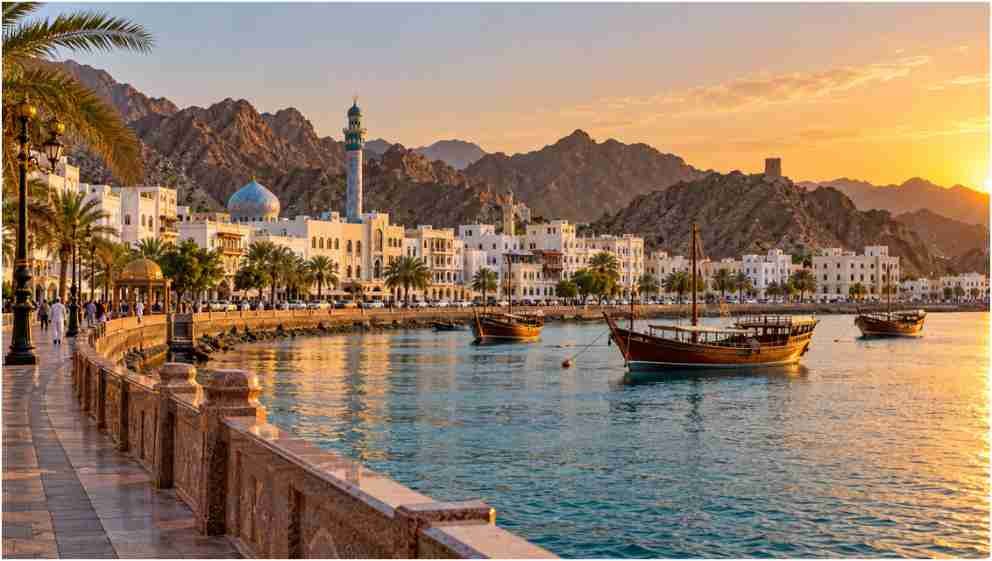
    Head down to the Mutrah Corniche during the late afternoon. Watch traditional wooden dhows sway in the harbor before plunging into the labyrinthine alleys of Mutrah Souq to hunt for authentic frankincense tears (Boswellia sacra) harvested in Dhofar. For practical entry visas and local consular updates before arriving, consult the [suspicious link removed].

    Nizwa: Centuries of Commerce and Omani Silver

    Drive ninety minutes inland through the gap in the Western Hajar Mountains to reach Nizwa, the historic capital of religious and scholarly leadership in inner Oman.

    Nizwa Fort dominates the city center. Its massive 17th-century cylindrical gun tower features hidden murder holes designed to drop boiling date syrup on invading forces.

    Time your visit for a Friday morning. Local herders converge at dawn on the open-air goat market, leading livestock around a packed circular pavilion while shouting bids in rapid-fire Arabic. Just outside the fort gates, artisans hand-chisel silver khanjars (ceremonial curved daggers) and sell clay pots cured in mountain kilns.

    Conquering the Extremes: The Hajar Mountains and Desert Sands

    The northern interior transitions rapidly from historic oasis settlements to dizzying limestone massifs and shifting red dunes. These two destinations showcase Oman’s raw topography.

    Destination Elevation / Terrain Vehicle Needed Primary First-Timer Activity
    Jebel Akhdar 6,500–9,800 ft (Terraced peaks) Mandatory 4WD Cliff walks, pomegranate orchards, cool breezes
    Jebel Shams 9,800+ ft (Limestone gorges) High-Clearance 4WD Balcony Walk along the edge of Wadi Ghul
    Sharqiya Sands Red desert dunes 4WD (Low Tire Pressure) Dune bashing, stargazing, luxury desert camps

    Jebel Akhdar and Jebel Shams: Summit Roads and Canyon Views

    Jebel Akhdar and Jebel Shams: Summit Roads and Canyon Views

    Rising above the desert plains, the Hajar Mountain range rivals the deep tectonic cuts and vertical sheer cliffs found across the valleys in northern pakistan.

    Jebel Akhdar, or the “Green Mountain,” features high-altitude terraced farming where damask roses bloom every spring.

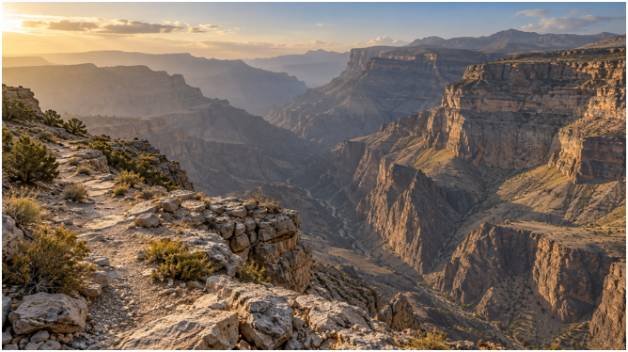
    For raw drama, target Jebel Shams—the Mountain of the Sun. The summit rim overlooks Wadi Ghul, widely dubbed the Grand Canyon of Arabia. Trekking the Balcony Walk along an old donkey path suspended halfway down a thousand-foot vertical drop provides unmatched panoramic vistas.

    Bring a warm fleece layer even in summer. High mountain temperatures frequently plunge twenty degrees Fahrenheit below the valley floor.

    Sharqiya Sands: Mastering Dune Driving and Desert Camps

    Sharqiya Sands: Mastering Dune Driving and Desert Camps

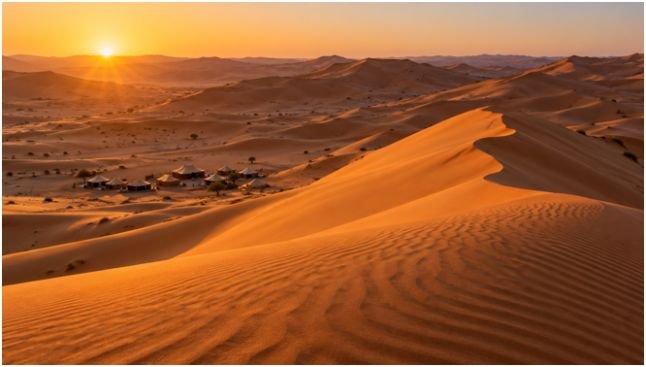
    Located two hours east of Nizwa, Sharqiya Sands (Wahiba Sands) is an undulating ocean of longitudinal sand dunes stretching south toward the Arabian Sea.

    Spending a night in a remote desert camp under unpolluted night skies is essential. You fall asleep to absolute silence and wake up to morning light creeping across wind-sculpted sand ridges.

    Reaching these camps requires leaving the asphalt behind. As soon as your wheels hit deep sand, standard momentum fails unless you have deflated your tires to increase ground contact surface area.

    Coastal Add-Ons: Marine Sanctuaries and Southern Monsoons

    If you have more than seven days on your itinerary, add one of these coastal extensions to balance mountain climbing with marine conservation and tropical microclimates.

    Daymaniyat Islands: Snorkeling with Hawksbill Turtles

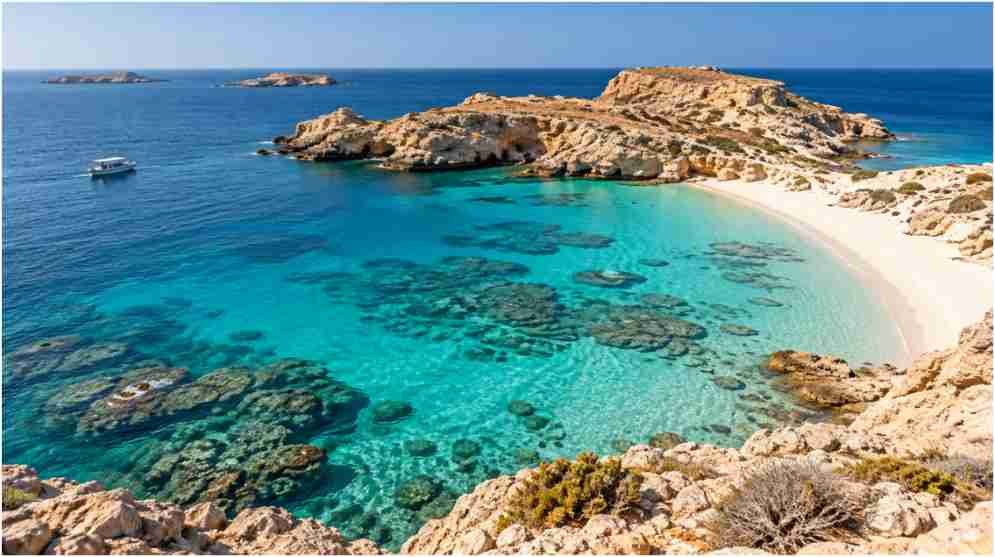
    Sitting forty minutes by speedboat off the coast of Al Mouj Marina in Muscat, the Daymaniyat Islands comprise nine uninhabited rocky islets surrounded by turquoise waters.

    This marine reserve is recognized globally for critical biodiversity, managed in harmony with regional initiatives promoted by the UNESCO World Heritage Centre.

    Slip into the water between November and April to snorkel alongside dozens of green sea turtles and hawksbills feeding peacefully over vibrant coral shelves. Bottlenose dolphins often trail tour boats through the bay.

    Salalah: The Green Subtropical Escape

    Salalah sits in the far south of Dhofar, a ninety-minute domestic flight from Muscat. Visit between late June and early September during the Khareef (monsoon season).

    While the rest of the Arabian Peninsula experiences triple-digit heat, rain clouds roll across Salalah’s coastal mountains. The arid valleys transform into emerald-green hills, swollen waterfalls, and lush tropical coconut groves.

    During the winter months, Salalah reverts to a quiet, sunny coastal paradise with empty white-sand beaches.

    First-Timer Essentials: Vehicles, Checkpoints, and Culture

    Navigating Oman safely requires knowing a few firm ground rules:

    [Highway Cruising (32-35 PSI)] 

           │

           ▼

    [Bidiyah / Gateway Town Service Station] 

           │

           ├──> Deflate tires to 14-16 PSI (1 OMR fee or DIY)

           │

           ▼

    [Wahiba Sand Dunes Track (4WD High / Low Range)] 

           │

           ▼

    [Return to Tarmac: Re-inflate to 32-35 PSI Immediately]

    The 4WD Requirement and Police Checkpoints

    Do not try to cut corners by renting a basic compact crossover. The ascent up Jebel Akhdar is strictly guarded by a permanent Royal Oman Police checkpoint at Birkat Al Mouz.

    Officers inspect your vehicle documents and confirm that your car has a true four-wheel-drive transfer case with low range capabilities before clearing you to pass.

    They turn away standard two-wheel-drive sedans because the sustained fifteen-percent grades will overheat and destroy standard passenger vehicle brakes on the descent.

    Downshift into low gears and rely on engine braking down the mountain. Never ride your foot brake.

    Sand Driving Protocols

    Before leaving the tarmac in gateway towns like Bidiyah, stop at a local tire shop. Have the mechanic drop your tire pressure down from 32 PSI to roughly 14–16 PSI.

    Lower pressure widens the tire tread’s footprint, letting the vehicle float above loose grains rather than digging in.

    Engage four-wheel drive high (4H), maintain steady forward momentum, and steer clear of sharp, sudden turns on dune slopes.

    When you return to the highway, reinflate your tires immediately at the nearest gas station before accelerating to highway cruising speeds.

    Cultural Etiquette and Dress Codes

    Omanis are warm and welcoming hosts, but traditional cultural standards prevail across the sultanate.

    Cover shoulders and knees when exploring towns, souqs, and villages. At the Sultan Qaboos Grand Mosque, women must cover their hair, arms, and ankles completely, while men must wear long trousers.

    Always ask permission before photographing local residents at traditional markets. Respect private date orchards in rural oases by sticking to designated walking paths along the aflaj irrigation channels. Official travel guidance and seasonal cultural advice are cataloged through Experience Oman.

    Frequently Asked Questions About Visiting Oman

    1. Is Oman safe for solo and first-time travelers?

    Yes, Oman ranks consistently as one of the safest countries in the world with virtually non-existent violent crime rates.

    2. Do I need a 4WD to travel in Oman?

    You must rent a true 4WD if your itinerary includes driving up Jebel Akhdar, mountain trails, or desert dunes.

    3. What is the best month to visit northern Oman?

    November through March offers ideal weather, with pleasant daytime temperatures hovering between 75°F and 85°F.

    4. Can tourists drink alcohol in Oman?

    Licensed hotel restaurants and resort bars serve alcohol freely to non-Muslim tourists, though public consumption remains strictly prohibited.

    Ditch the Crowds and Grab the Keys

    Skip the crowded mega-resorts and commercialized tourist corridors elsewhere in the region. Oman rewards independent travelers who enjoy open roads, centuries of maritime heritage, dramatic canyon trails, and unhurried desert hospitality. 

    Reserve a reliable 4WD vehicle, keep your eyes open for roaming camels along the highway margins, and set off into one of Arabia’s most welcoming landscapes.

  • Things to Do in Tokyo With Teenagers Beyond the Usual Tourist Stops

    Things to Do in Tokyo With Teenagers Beyond the Usual Tourist Stops

    Tokyo gets far more interesting when I stop planning it like a standard sightseeing trip and start thinking about what teenagers would actually choose for themselves. Instead of stacking temples, observation decks, and museums from morning to night, I would build each day around moments that feel interactive, social, visual, and easy to personalize.

    That is what makes things to do in Tokyo with teenagers such a different planning challenge. One teen may want vintage fashion and photo booths, another may care more about anime, gaming, or roller coasters, while someone else may simply want great food and neighborhoods worth wandering. Tokyo works because all of those interests can fit into the same trip without making the itinerary feel forced.

    Which Tokyo Neighborhood Is Best for Your Teen’s Interests?

    Instead of treating Tokyo like one giant sightseeing checklist, I like matching different districts to the interests teenagers already have.

    Best for Fashion and Kawaii Culture: Harajuku

    For fashion-loving teens, Harajuku should be near the top of the itinerary. Takeshita Street feels like a concentrated burst of Japanese youth culture, with colorful fashion stores, crepe stands, accessories, sweets, and photo booths competing for attention.

    Totti Candy Factory is known for oversized rainbow cotton candy, while purikura photo booths let teens create highly customized Japanese sticker photos. NOA Print Club has long been associated with the area’s photo-booth culture.

    For something more interactive, the Ninja Experience Cafe Harajuku adds costume-based ninja activities and shuriken throwing. I would visit Takeshita Street earlier in the day before the biggest afternoon crowds arrive.

    Best for Anime Fans and Gamers: Akihabara

    If a teenager follows manga, anime, trading cards, figures, or Japanese games, Akihabara can easily consume half a day.

    Radio Kaikan is particularly useful because multiple floors bring anime merchandise, figures, cards, and hobby stores together near Akihabara Station. Teens who enjoy collecting can also explore stores such as VOLKS and the many gachapon locations scattered through the district.

    I would leave room for spontaneous browsing instead of creating a strict store-by-store schedule. Finding an obscure character figure or capsule toy is part of the fun.

    Parents traveling with younger children should also know that some specialty shops can include adult-oriented manga or artwork in sections of the store, so checking the floor or department before entering can help avoid surprises.

    Best for Vintage Hunters and Thrifters: Shimokitazawa

    Best for Vintage Hunters and Thrifters Shimokitazawa

    For teens who consider major shopping centers too mainstream, I would head to Shimokitazawa.

    The neighborhood has a more independent atmosphere than Shibuya or Harajuku, with vintage clothing stores, secondhand fashion, record shops, cafés, and narrow streets designed for unhurried wandering.

    Teens can hunt through racks of American vintage sportswear, denim, graphic shirts, and reworked fashion. It is also a good place to build downtime into a busy Tokyo itinerary because the neighborhood feels less frantic than the city’s major tourist districts.

    Best for Thrill Seekers: Tokyo Dome City

    Tokyo Dome City is a smart choice when teens want rides, but the family does not want to sacrifice an entire day to a theme park.

    Visitors can enter the attractions area without paying general admission and choose rides separately. The headline attraction is Thunder Dolphin, a major roller coaster that races through the dense Tokyo Dome City complex and passes through the center of the Big-O Ferris wheel.

    The surrounding entertainment, restaurants, shopping, and indoor activities make this an easy half-day option.

    Best for Culture Without the Long Lecture: Asakusa

    I would never remove traditional Tokyo from a teen itinerary. I would simply make it more interactive.

    The Samurai Ninja Museum in Asakusa offers guided experiences alongside hands-on activities such as samurai armor try-ons and shuriken throwing. That creates a much easier entry point into Japanese warrior history than a long series of static displays.

    Afterward, families can walk toward Senso-ji Temple and explore the surrounding streets for souvenirs and Japanese snacks. Combining participation with traditional sightseeing makes Asakusa feel much more relevant to older kids.

    Which Modern Tokyo Experiences Do Teenagers Enjoy Most?

    Neighborhood exploration works best when mixed with a few major experiences.

    Step Inside teamLab Planets

    teamLab Planets is particularly appealing to creative teens and anyone interested in photography, technology, or immersive art. Visitors physically move through large-scale environments involving light, water, mirrors, sound, and digital projections.

    Because admission uses timed entry, I would reserve tickets rather than relying on same-day availability.

    See Tokyo From Shibuya Sky

    See Tokyo From Shibuya Sky

    Shibuya Sky gives teens the dramatic Tokyo skyline they often expect before arriving in Japan.

    I would schedule it near sunset when possible, then continue into Shibuya for dinner, shopping, or an arcade. Combining attractions by neighborhood also reduces unnecessary train trips.

    Teens who enjoy dramatic landscapes and photography may also appreciate exploring top scenic destinations in Eastern Taiwan when planning another Asia trip.

    Play at a Japanese Arcade

    Arcades remain one of my favorite flexible activities because they work when plans finish early, rain appears, or everyone needs a break from sightseeing.

    Large game centers can include rhythm games, racing simulators, crane machines, fighting games, and collectible prizes. Shibuya, Shinjuku, Ikebukuro, and Akihabara provide plenty of options.

    What Can Teenagers Do in Tokyo at Night?

    Tokyo becomes even more visually exciting after sunset.

    I like combining an observation deck with dinner, an arcade, or family karaoke. Private karaoke rooms make the experience comfortable even for families who would never sing in front of strangers.

    Shibuya and Shinjuku are especially good for evening exploration because bright signs, entertainment venues, restaurants, and busy streets create energy without requiring a formal nighttime attraction.

    What if Your Teen Does Not Like Anime?

    A teenager does not need to care about anime to love Tokyo.

    Fashion-focused teens have Harajuku and Shimokitazawa. Thrill seekers have Tokyo Dome City and DisneySea. Creative teens can visit teamLab.

    Food-loving teens can explore ramen counters, conveyor-belt sushi, Japanese barbecue, dessert cafés, and convenience-store snacks.

    Food can also become a reason to explore places beyond Tokyo’s most famous neighborhoods, especially when looking for underrated food towns in the South with distinctive local flavors.

    Photography, street fashion, skyline views, vintage shopping, karaoke, and Japanese food can easily fill several days without building the trip around manga or character merchandise.

    What Are the Best Rainy-Day Activities for Teens in Tokyo?

    Rain rarely destroys an entire Tokyo day because so many experiences happen indoors.

    I would switch to arcades, karaoke, department stores, character shops, shopping complexes, indoor museums, cafés, and immersive attractions. Tokyo’s extensive rail network also makes it relatively easy to move between major neighborhoods without spending the entire day outside.

    How Should You Plan One Day in Tokyo With Teenagers?

    How Should You Plan One Day in Tokyo With Teenagers

    For a first full day, I would begin in Harajuku while Takeshita Street is relatively manageable. After exploring fashion stores, sweets, and purikura, I would continue toward Shibuya for lunch and shopping.

    Later, Shibuya Sky can become the day’s major attraction. Dinner followed by an arcade or karaoke gives teens something interactive to finish the evening.

    Families planning future Japan trips can also consider Hokkaido summer travel destinations for a different experience focused on nature, cooler weather, and outdoor exploration.

    The formula I find most effective is simple: one major attraction, one interesting neighborhood, and one activity the teenager chooses.

    Frequently Asked Questions 

    1. Is Tokyo a good vacation destination for American teenagers?

    Yes. Tokyo combines familiar teen interests such as gaming, fashion, theme parks, shopping, and social-media-friendly experiences with Japanese food, neighborhoods, technology, and culture that feel completely different from what most American teens experience at home.

    2. What are the best things to do in Tokyo with teenagers who love gaming?

    Akihabara arcades, Radio Kaikan, gachapon stores, retro game shops, character stores, crane games, and large entertainment centers are strong choices.

    3. How many days should families spend in Tokyo with teens?

    I would allow at least three full days. Four or five days gives families more time for Harajuku, Shibuya, Akihabara, Asakusa, Shimokitazawa, immersive attractions, shopping, and a theme-park day without constantly rushing.

    4. Is Tokyo DisneySea worth visiting with teenagers?

    It can be. Teens who enjoy thrill rides, detailed themed environments, Disney attractions, and photography can easily spend a full day there. I would treat it as a dedicated day rather than combining it with central Tokyo sightseeing.

    Ending the Trip With More Than a Checklist

    For me, the most successful Tokyo family trips are not the ones where I manage to see the greatest number of landmarks. They are the ones where teenagers feel like they helped shape the experience.

    Combining Harajuku fashion, Akihabara gaming, Shimokitazawa vintage shopping, Tokyo Dome City thrills, interactive Japanese culture, skyline views, food, arcades, and flexible exploration creates a trip that feels personal rather than scheduled. When I give teens some control over what happens next, Tokyo becomes a city they actively discover instead of simply following adults through.