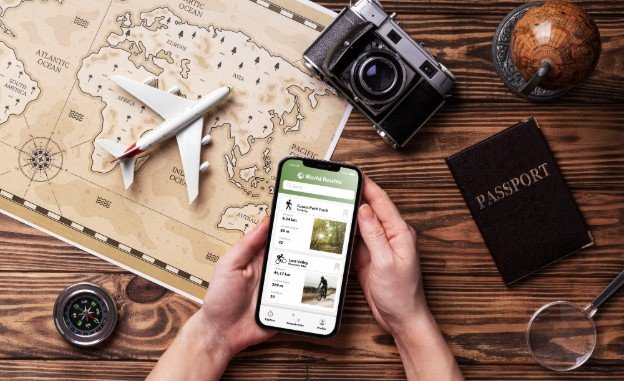
distributor = chafurnate, 9567227611, kingconix, 9193354047, 9202804671, piannabanana, 8773340460, tf79gg, 7372951758, skinsminkey, 18003594107, 7262167081, superdave112279, tickzel, ezy8140, 3129266906, 8703903171, 7272632096, 8323461895, auldtwork, instanetsol, 2019425209, 8885905962, 8436954265, 18444946060, mez56709146, 389039235, 8885847498, 9842631014, 9107564558, 18003887000, 5204672116, 5137076994, 3372055034, 4805503207, cymboxen, cannacbana, 4234273117, 4696063080, oxelotto, imagefañ, 9733483845, 2165620588, 4142076549, 9452185392, 2705139922, 7242732030, 7203725721, 2027688469, 6099782127, gracesandy08, 5716216254, 16463611389, 8882249645, 8572821800, 9047236300, 18552132382, chaturntae, 6062401130, 8323256456, 6627789116, 7027105520, 9787672641, 6163306246, 8633193801, 6317692145, 8332053164, 7063813435, 18002286855, mstina209, 5088944588, 8178065501, aznhkpm, 2042897313, 9783551609, 7866877020, 3368046099, 8177615469, 8002743932, 6317764262, 8333952329, 8669920307, 4033425c2, 3055062319, 3132933287, ilikeocmix, 8063753039, 6085094890, 4043691986, 9154404953, 7783316933, 18662552529, 2079223193, alitaxangelic, 4842283001, 6153223900, wagershack, 8338701889, 2092553045, wzggstats, 8442066155, 2028167451, 18008300286, mbm66698001, 8324817394, 9155445800, 6105255250, 8438832246, 19057716052, 4049960554, 8554062187, 4162978362, 9123426998, yorestudiomg, 8474268085, baceracted, 3234872622, troshilly, 7135666509, 8338950348, 8442211567, 18666201302, 1800076072, ửodle, 4049394970, 8163078906, mfznⅲ, 4089185125, 6198923514, 4808347546, 3850er3040c, 6102159968, 888.904.8461, globalzone53, 2153099122, 18009132411, 8443580642, 4805465503, 7657404036, 8436121015, 3462730012, 9854250920, 18336840593, wdf48650gsp, 611247392201, 8558562511, 6782015589, 904.207.2696, 8667866682, 6237776430, ezy3377, 18556148530, 8324262067, 5168821708, 6696225537, 5712268380, 9298103988, 9548893729, 4808416993, 4330564191, 2538442114, 4373403232, 9032057164, 2087193274, 8664872643, zawatinao, 18557905018, 8014123119, 7247650023, 9085048193, 6194641731, mypremierchart, ilorultcbs94r8v, 18779773879, 4808475341, 7059801767, lasrs.statres, boecsched, 4808472619, 8594295188, brazedotcom, 8566778008, 18005680344, 8642516223, 2766344760, 8178401646, 8664425030, 8045005635, 5013000112, 6144291561, caffine64, 5043993551, 8665110793, 5164655255, ezy6521, 8602936799, 18336902260, 18333110849, 7167454490, 3604835198, 7145099696, 8888570668, 8174963036, luxuryinteriorsorg, 6143332209, 8332420718, pippypipernpc, 9152554542, 18669516592, 9854414006, 7785895126, 7176786808, 18002228794, 2142831548, bitsylowhigh, 8669360316, recuburate, 4846353028, 5704918262, khanacademyorg, 18004684743, 7158988027, 18664487098, 3392109005, 6036638908, 5735344024, 7175316640, gabbysmol, drmaureenhamilton, 6047363925, meloplaycom, 8557199695, 8448440111, 8669503840, 8443765274, 18774014764, influencersgomewd, 8599631921, 2629487300, joyuicoltd, 4079466142, 2076077881, cherrybella808, 8037663919, 64.277.120.231, syromatch, oxolado, 36000522389, 8322347988, tulkotaks, allredismyteacher, 7203584046, brianchavez85, 18003921147, oplzlepredstavy, 5049497786, ezy2140, 7243139278, 2183167675, 8017375151, 8665301092, 8774315691, 8185875547, 8653815207, 6192467477, 8556833145, 2066918065, r6tradker, 481615428, 80720963038, 2678173729, 18002410172, 18007774001, freyarose77, clearskinstudy, mgp61942301, 5132972028, 18555959055, theflixee, 6313153145, nfl66ir, chsproviderdatavalidation, freakinthesleep, 5133221008, 7023597111, morancaresys, adultowrl, 5089486999, 5034367335, 7628001252, ezy3837, melinnderr13, 4184251145, 5173181159, sp11l87222, 7037770280, 9035930589, 8662284345, 18664188154, aselrod71, 18557876733, 18664613047, 4844522186, kiamfusa, 3606265636, integrityuc.webpay.md, 7784362314, 7783282169, 8662684346, 5597817242, 8007092893, 6156966912, bn6925167b, cktest9263, 18004726066, 9163883106, 3362525903, 18559694636, edwinalucypowe, 4057192096, 8558468376, 6133666485, badwolfemjay, 6615934042, 8446227085, 8663233462, 6157131410, 8475861480, 4256553258, 3054238938, myfoxatl, 18002386279, 8055851300, lizzybee1395, bill39nc, agamycapital, 4147718228, 6198330521, 9168975029, 9093759675, 18558382118, 7137999975, 9043641318, tdb2586, hollysafara21, 7048991392, 7252988333, 5152174532, 4014068198, 8705207565, 8008225626, 6087332770, 18004231000, 5044467788, 8122320564, 18006118472, 8337931057, 18.84x18.84, al2104197, dudelegence, 18009096467, 4084987586, 7146059251, 9133123219, 6316154582, 8772137258, mo1infiniteloo, 9592050377, 6024174900, 7047026509, 8302053160, 3658732800, 7634227200, 8448371861, dl329k1a, 3044434051, benefitboutiquedamen, 370036828, 5126715039, 2096890003, 8664482002, 5169865040, 18558437208, eliebaroud23, 5122540018, 76501165180, 8169559260, ezy8052, 2074303836, 2199474151, gen85898, 6309905600, 9452285426, 2512630572, 6036075559, 6098551244, bliķk, leeeanuvz, taylorbergman17, 18007920001, 2103010293, loŵes, 9377598636

Blog

  • How to Choose a Travel eSIM for Multiple Asian Countries

    How to Choose a Travel eSIM for Multiple Asian Countries

    My phone becomes my ticket wallet, translator, and navigation tool when I travel. That makes mobile data a practical purchase, especially when my itinerary crosses several borders. 

    Before I choose a travel eSIM for multiple Asian countries, I want to know whether it will cover every stop, last until my flight home, and handle the apps I need. A regional package can simplify the journey, but its name alone tells me little about its actual value.

    Start With Your Entire Route

    Write down every destination, including overnight layovers. Then compare that list with the countries included in the exact package you are considering.

    “Asia,” “Asia-Pacific,” and “Southeast Asia” are different product labels. Two packages from the same provider may include different destinations, so a larger advertised country count does not automatically mean better coverage for your journey.

    Check Countries Individually

    For a Thailand, Vietnam, and Cambodia itinerary, confirm all three separately. If your route combines Japan, South Korea, and Singapore, repeat the same check.

    Pay particular attention when adding South Asia, Central Asia, or island destinations. Save the package’s country list before purchasing so you can refer to it later.

    Compare Regional and Separate Country Plans

    Compare Regional and Separate Country Plans

    A regional eSIM usually gives you one data allowance across its included destinations. Separate country packages give you individual balances and validity periods.

    Regional plans are convenient when you cross borders frequently or might change your itinerary. Country plans deserve consideration when you spend most of your holiday in one destination.

    Compare Equivalent Packages

    Compare the total price for your actual route, using similar data allowances and travel durations. Include any extra package needed for an uncovered destination.

    Consider unused data, too. Suppose you buy separate 5GB packages for three countries but use only 1GB in your first stop. The remaining allowance may be unusable elsewhere. A shared regional balance can offer more flexibility even when its purchase price is higher.

    Choose Data Around Your Daily Habits

    Maps, messaging, and occasional browsing require a different allowance from video calls, streaming, or laptop tethering.

    Review your phone’s recent mobile data usage before buying. Think about how your travel habits might change: uploading videos every evening can consume considerably more data than checking train departures.

    Download maps and entertainment over Wi-Fi, and limit automatic photo backups. These steps make a smaller allowance easier to manage.

    An “unlimited” label does not necessarily mean unrestricted high-speed service. Check fair-use thresholds, reduced speeds, and whether restrictions reset daily or apply throughout the package.

    Match Validity to the Whole Journey

    Match Validity to the Whole Journey

    A plan must last from your first required connection until your final travel day. Include arrival dates, overnight journeys, and possible delays.

    Check what starts the validity clock. Depending on the package, it may begin at installation, activation, or the first connection to a supported network.

    Installation and activation are separate steps on many services. Read the package instructions before installing early, and save them offline.

    If you plan to use night trains when traveling in Asia, make sure your data package remains valid throughout the journey. Also check whether top-ups are available and whether they extend validity. Buying more data does not always extend the original expiry date.

    Confirm Compatibility, Hotspot Access, and Calling

    Check your exact phone model and its regional version. Your device must support eSIM and permit service from another carrier.

    If you plan to work remotely or share data with a companion, confirm hotspot support. Look for tethering limits rather than assuming the full allowance can be shared.

    Many travel packages provide data only. Messaging apps can handle internet calls, but ordinary telephone calls and SMS require an appropriate service.

    Keeping your regular line active may help with verification messages, although charges and availability depend on your home carrier. Check those terms before departure.

    Look Beyond Country Coverage

    Look Beyond Country Coverage

    Country inclusion does not guarantee equally strong reception everywhere. Review the partner networks listed for your destinations, particularly if your itinerary includes rural areas.

    Advertised 5G access also depends on the local network, location, device, and package. Reliable connectivity matters more than a headline speed claim.

    If mainland China is included, ask about access to the specific apps you need. Different routing arrangements can produce different experiences, so avoid assuming every travel eSIM behaves identically.

    Before you choose a travel esim for multiple asian countries, check support hours, contact methods, and refund conditions. Accessible help matters when installation fails or your next flight changes.

    Prepare for Border Crossings

    Install using a stable connection and label your travel line clearly. Follow the provider’s instructions for mobile data and roaming settings.

    Keep data roaming disabled on your regular line if you intend to avoid its roaming charges. Review automatic data switching so the phone does not unexpectedly use that line.

    If service stops after crossing a border, check coverage, remaining data, expiry, and line selection. Try airplane mode, then restart. Follow provider instructions before changing network settings or deleting the eSIM.

    Frequently Asked Questions

    1. How do I choose a travel eSIM for multiple asian countries?

    Match the exact package to your route, then compare validity, usable data, hotspot access, support, and total cost.

    2. Is a regional package always cheaper?

    No. Separate country plans may cost less, while regional packages offer a shared balance and easier border transitions.

    3. Can I install it before departure?

    Often, but first check whether installation starts validity. Follow the package’s specific instructions.

    My Final Take

    I would choose the package that fits my complete journey rather than the biggest coverage claim. Checking exclusions, expiry rules, and realistic data needs before paying helps me avoid connectivity problems on arrival.

    I would also confirm hotspot access and save the setup instructions before leaving home.
    With those details settled, I can spend more time enjoying each destination and less time troubleshooting my connection.


  • Plan a Food Focused Trip Through Asia: Eat Smarter Now!

    Plan a Food Focused Trip Through Asia: Eat Smarter Now!

    I would happily rearrange a sightseeing day for a breakfast worth waking up early for. But I would hesitate before crossing an entire city for every restaurant on my saved list. 

    When I plan a food focused trip through Asia, I start with the experiences I want most, then build a journey that leaves enough time and appetite to enjoy them. A thoughtful culinary itinerary connects regional flavors, manageable transfers, and flexible days without turning every meal into an appointment.

    Choose Your Food Priorities Before Your Destinations

    Decide what you want to experience beyond simply eating well. Street stalls, regional noodle dishes, seafood markets, vegetarian cooking, and tasting menus each suggest different destinations and budgets.

    Choose two main interests and one optional experience. Someone curious about ingredients might prioritize market walks and cooking classes, while another traveler might prefer neighborhood restaurants and traditional breakfasts. These preferences help narrow your route before you spend money on flights.

    Look for Regional Variety

    Compare regions within one country before adding another border crossing. Different cities can introduce distinct cooking traditions while keeping transport and travel arrangements simpler. Research signature dishes alongside the places and times people typically eat them.

    Build a Route That Protects Your Eating Time

    Build a Route That Protects Your Eating Time

    A short flight can consume much of a day once airport transfers, security, baggage collection, and hotel check-in are included. Compare complete journeys rather than advertised flight durations.

    As a planning starting point, allow three or four nights in a major food city. That creates space for an introductory walk, neighborhood exploration, and another chance at somewhere closed or crowded.

    If you want to add less-touristed destinations without overloading the schedule, this guide on how to include smaller towns in an Asia travel itinerary can help you evaluate detours, transport connections, and worthwhile overnight stays.

    Try a Manageable Two-Stop Itinerary

    For a week, consider Bangkok and Chiang Mai as a starting framework. Spend four nights exploring Bangkok neighborhoods and markets, followed by three nights focused on northern Thai cooking and a class.

    Check transport options before committing. Keep arrival evening flexible, reserve your most important experience for a settled day, and leave departure morning free of distant restaurant plans.

    Check Weather, Holidays, and Restaurant Calendars

    Research conditions for each stop individually. Rain, heat, and humidity affect how comfortable long market walks and outdoor meals feel.

    Check national holidays, local festivals, and restaurant closure days before finalizing bookings. A celebration may offer distinctive foods while also changing opening hours and increasing demand.

    For a smoother culinary itinerary, review how to avoid crowded holiday periods when visiting Asia to identify busy travel dates and plan around periods when popular destinations may be more crowded.

    If a particular meal motivates your trip, confirm its availability first. Build the itinerary around verified opening information rather than assuming every saved recommendation operates daily.

    Stay Near Food and Reliable Transport

    Stay Near Food and Reliable Transport

    Map your priority meals before choosing accommodation. A hotel near several useful food streets can reduce repeated journeys and make spontaneous breakfasts easier.

    Balance dining access with sleep quality, walkability, and public transport. Staying directly above a busy nightlife street may suit evening exploration but complicate early mornings.

    When mobility, accommodation access, and transportation convenience need extra consideration, this guide on how to plan an accessible trip to Asia can help you evaluate practical requirements before choosing where to stay

    Check how you will return after dinner. A convenient daytime connection does not automatically provide an easy journey late at night.

    Budget Beyond the Price of a Meal

    Include drinks, local transport, cooking classes, food tours, reservation deposits, and any applicable service charges. Several inexpensive meals can still produce an expensive day if each requires a separate ride.

    When you plan a food focused trip through Asia, separate everyday spending from special experiences. Set aside money for one priority booking, then keep ordinary meals flexible.

    Check cancellation terms before paying deposits. Leave a small budget buffer for unexpected discoveries instead of spending everything on advance reservations.

    Book Carefully and Leave Space Between Meals

    Book Carefully and Leave Space Between Meals

    Reserve experiences with limited capacity, such as small cooking classes or a particular tasting menu. Leave casual meals open unless reliable information suggests advance booking is necessary.

    For classes, check group size, hands-on cooking time, language, menu choices, and dietary accommodation. For tours, ask how much food is included and whether transport costs extra.

    Avoid scheduling a large lunch immediately before a substantial dinner. Plan one main culinary experience daily, with lighter meals and sightseeing around it.

    Prepare for Dietary Needs and Local Ordering

    Research ingredients, sauces, stocks, and preparation methods before arrival. A dish’s name may not reveal everything it contains.

    Communicate dietary requirements clearly and confirm whether the kitchen can meet them. For allergies, ask specifically about ingredients and cross-contact; translated cards support communication but cannot guarantee accommodation.

    Save dish names and addresses in the local language. Carry a suitable payment backup, download essential information, and ask before photographing vendors or customers.

    Frequently Asked Questions

    1. How do I plan a food focused trip through asia without rushing?

    Choose fewer stops, group meals by neighborhood, and include transfer time. Leave unbooked space for queues, closures, rest, and discoveries.

    2. Should I book every restaurant beforehand?

    Book limited-capacity experiences and meals essential to your trip. Keep everyday dining flexible so delays and changing preferences remain manageable.

    3. How can I find worthwhile local food experiences?

    Compare detailed recommendations from knowledgeable local writers, recent visitor reports, and businesses themselves. Look for clear dish descriptions and practical ordering information.

    4. Is a cooking class worth including?

    A suitable class can explain ingredients and techniques beyond what tasting alone reveals. Check participation, instruction language, dietary options, and whether recipes are provided.

    My Final Take

    I would measure this journey by the meals I understood and enjoyed, rather than the number of restaurants I visited. A realistic route would give me time to notice regional differences, ask questions, and return somewhere memorable. With essential bookings secured and room for surprises, I could let curiosity guide each day.

  • How to Use Night Trains When Traveling in Asia Without Losing Sleep

    How to Use Night Trains When Traveling in Asia Without Losing Sleep

    A hotel checkout and a train departure can leave an awkward gap in a travel day. I prefer planning that gap before choosing an overnight journey: somewhere to leave luggage, an evening meal, and enough time to reach the station. 

    Understanding how to use night trains when traveling in Asia starts with these details. A sleeper can combine transport with accommodation, but the right ticket, realistic expectations, and a morning arrival plan determine whether that convenience actually works.

    Decide Whether an Overnight Journey Fits

    Choose a service that leaves enough uninterrupted time for sleep. A late departure followed by a predawn arrival may provide less rest than expected, especially with boarding, ticket checks, and intermediate stops.

    Compare complete costs rather than ticket prices alone. Include booking fees, station transfers, meals, and possible hotel early check-in charges. An overnight train may replace accommodation, but premium compartments do not automatically beat budget flights on price.

    Check the Route and Stations Carefully

    Confirm the exact departure station, destination station, train number, and arrival date. Large cities can have several terminals, and an overnight ticket spans two calendar days.

    For Bangkok’s main long-distance sleeper services, check whether your ticket specifies Krung Thep Aphiwat Central. Avoid relying on an old itinerary naming another terminal.

    Likewise, trains advertised for Sapa arrive at Lao Cai, where travelers continue by road. Check onward transport before booking, particularly when arrival falls before sunrise.

    Choose Accommodation You Can Sleep In

    Choose Accommodation You Can Sleep In

    Seats, Berths, and Compartments

    An overnight service does not necessarily provide a bed. Select a sleeper berth explicitly if lying flat matters to you.

    Open carriages offer individual bunks, sometimes with curtains. Shared compartments contain several beds behind a door. A compartment ticket usually purchases one berth unless the booking clearly states exclusive occupancy.

    Upper or Lower Berth?

    When you plan an Asia trip without renting a car, choosing the right train berth can make overnight journeys more comfortable. Lower berths generally make getting up easier, while upper berths require climbing. Dimensions, window access, and prices depend on the carriage.

    Anyone with mobility concerns should verify access, toilets, and assistance before paying. Do not assume that a first-class label guarantees a suitable layout.

    Book Early and Confirm Your Ticket

    Booking windows differ between countries, operators, and routes. Check the release date for your specific service rather than applying one Asia-wide rule. Popular departures can fill quickly around major holidays.

    Use the railway’s booking channel or an established intermediary, comparing fees and cancellation conditions. Enter passenger names and identification details exactly as required.

    A payment receipt or reservation request may not mean a berth has been issued. Check the final ticket for the service, travel date, accommodation class, and assignment where applicable. Read any instructions about collecting tickets or exchanging vouchers.

    Save everything offline and carry the identification required for boarding.

    Pack a Small Overnight Bag

    Pack a Small Overnight Bag

    Keep sleep essentials accessible so you can avoid opening your main suitcase after lights dim. Bring earplugs, an eye mask, a warm layer, drinking water, snacks, tissues, hand sanitizer, and a power bank. Bedding provision varies, so check before adding a compact liner or blanket.

    Pack toothbrushes and other toiletries together. Slip-on footwear helps with bathroom visits, while loose clothing makes resting easier. Download books, music, or shows before departure. Use headphones, and keep entertainment quiet enough for sleeping neighbors.

    Board With Time to Spare

    Allow time for the station approach, security checks where required, and finding the platform. Follow the operator’s boarding guidance rather than assuming every station works alike.

    Match the carriage and berth details to your ticket. Ask railway staff if signs are unclear, especially when carriage numbers differ from platform markers.

    Keep luggage within permitted storage areas without blocking doors or aisles. Tell the attendant your destination if you are uncertain about nighttime stops, but set your own alarm too.

    Sleep Comfortably and Keep Belongings Secure

    Keep your passport, phone, payment cards, and essential medication close while sleeping. Secure larger luggage where practical and use compartment locks as instructed.

    Check where the toilets and exits are before settling down. Carry water and tissues rather than assuming supplies will remain available throughout the journey.

    Eat before boarding if meal service is uncertain. Follow local onboard rules, including restrictions on smoking and alcohol. Avoid leaving the train during brief stops unless staff confirm there is time.

    Account for Country Differences

    Account for Country Differences

    Learning how to use night trains when traveling in Asia means checking each service separately. Thailand’s curtain-separated berths differ from Vietnam’s shared sleeper compartments.

    China and India use their own accommodation categories and reservation systems. Read the class description carefully rather than treating familiar words as equivalent facilities.

    Japan’s limited regular sleeper options need specific planning. Across all destinations, verify bedding, charging outlets, meals, and luggage rules for the actual train.

    Plan Your Morning Arrival

    Arrange transport and ask your accommodation about luggage storage or early check-in. Leave room for breakfast and recovery rather than scheduling an immediate tour. Allow generous buffers before flights, ferries, or separately booked connections.

    Frequently Asked Questions

    1. What should beginners prioritize?

    When learning how to use night trains when traveling in Asia, prioritize a confirmed sleeper berth, correct stations, accessible documents, and an arrival plan.

    2. Will I share my compartment?

    Usually, unless exclusive occupancy is explicitly booked. Check the fare description.

    3. Is bedding always included?

    No. Confirm what your accommodation class provides before packing.

    Arrive Ready for the Day

    I would choose a sleeper only when its timing and accommodation support the next day’s plans. Before booking, I would check the berth type, arrival time, and transport options from the station.

    A small overnight bag and a relaxed morning schedule would help me travel more comfortably. With these details arranged, I could enjoy the journey without rushing into the day ahead.

  • How to Choose Which Asian Countries to Visit Without Regret

    How to Choose Which Asian Countries to Visit Without Regret

    I can fill a travel wishlist faster than I can arrange a realistic holiday. Japan’s temples, Vietnam’s food, and Indonesia’s island landscapes all sound appealing, but combining them does not automatically create a satisfying trip. When I consider how to choose which asian countries to visit, I start with the holiday I want to experience rather than the destinations everyone recommends.

    The most useful shortlist balances travel dates, available days, total spending, preferred activities, and everyday logistics. Following that order makes it easier to choose places that work together without turning every second day into another airport transfer.

    Start With Your Dates and Usable Travel Days

    Your calendar should narrow your options before photographs do. Count the days available after international flights, arrival procedures, and the return journey. A ten-day holiday may provide considerably fewer full sightseeing days.

    With one week on the ground, one country and one or two bases usually create a comfortable pace. Two weeks allow more variety, but adding another country should depend on convenient connections rather than enthusiasm alone.

    Check Weather by Region

    Avoid treating Asia as one climate zone. Japan’s northern mountains and southern islands offer different conditions, while Vietnam’s northern, central, and southern regions have distinct seasonal patterns.

    Research the places you would actually visit during your chosen month. Rainfall, humidity, mountain access, and sea conditions matter more than a nationwide “best season” label.

    Also check festivals and public holidays. These can enrich your experience while increasing accommodation demand and making popular transport routes harder to book.

    Compare the Full Cost of Each Trip

    Compare the Full Cost of Each Trip

    An affordable hotel does not necessarily mean an affordable holiday. Compare international flights, accommodation, meals, local transport, admission fees, insurance, and any domestic flights or ferries.

    Use the same travel style for every destination. Comparing a hostel itinerary in Vietnam with luxury hotels in Japan produces a misleading result. If your route includes historic cities to visit in south korea, compare accommodation of a similar standard there to keep your budget estimates consistent.

    Get current prices for your dates, then allow room for unexpected expenses. A destination with inexpensive daily costs may lose its advantage if reaching it requires expensive connections.

    Include the Cost of Moving Around

    Country size and geography affect spending. A compact city break involves different transport needs from an island-hopping holiday.

    Check airport transfers, baggage charges, ferry connections, and journeys between accommodation bases. Saving money on a room far from the activities you want can create extra transport costs and wasted time.

    Match Countries to Your Preferred Experiences

    Choose two or three priorities before comparing destinations. These might be historical sites, food, beaches, hiking, wildlife, shopping, or contemporary culture.

    Japan can suit travelers seeking cultural landmarks and extensive rail travel. Thailand offers possibilities for combining cities, temples, and beaches. Vietnam provides food-focused routes alongside history and varied scenery.

    South Korea deserves consideration for urban culture, food, and hiking. Singapore works well for a compact city visit, while Indonesia and the Philippines reward travelers interested in islands and water activities.

    Look Beyond the Familiar Shortlist

    Malaysia offers opportunities to combine cities, food, and nature. Cambodia appeals to travelers interested in archaeological heritage. Sri Lanka brings together highlands, wildlife, and coastal experiences.

    India offers substantial regional variety, and Nepal attracts travelers interested in mountain landscapes. Consider these destinations when their particular strengths match your priorities, rather than expanding your list simply for variety.

    Consider Your Comfort With Everyday Logistics

    Consider Your Comfort With Everyday Logistics

    Travel preferences include how you want ordinary days to feel. Ask whether you enjoy navigating unfamiliar transport, arranging transfers, or adapting plans when services change. Established rail routes can suit independent travelers who prefer predictable journeys. Island routes may require more coordination between flights, ferries, and road transport.

    Language access also varies by location. Check navigation tools, translation options, dietary communication, and accommodation support. If you have mobility requirements, research specific stations, hotels, and attractions. Countrywide descriptions rarely explain whether your actual itinerary will be accessible.

    Decide Between One Country and Several

    A second country should add something meaningful. Compare the experiences it offers with what you could enjoy by exploring another region of your first destination.

    Check direct connections and calculate the complete transfer time. Packing, reaching the airport, checking in, flying, and finding the next hotel can consume much of a day.

    Turn Your Shortlist Into a Final Choice

    Reduce your options to three countries. Compare each against your dates, budget, interests, transport preferences, and available sightseeing days.

    Eliminate any destination that fails an essential requirement. Then compare the remaining options using sample routes and current prices.

    For example, a traveler seeking food and history might compare a focused northern Vietnam itinerary with a Tokyo-and-Kyoto route. Someone prioritizing beaches should compare specific coastal regions during their actual dates.

    Frequently Asked Questions

    1. How do I decide how to choose which asian countries to visit?

    Start with your travel dates, available days, and total budget. Then compare countries based on your preferred experiences, regional weather, and transport needs. Narrow your shortlist to two or three realistic options before booking.

    2. Which Asian country should I choose for my first trip?

    Your ideal destination depends on your interests and comfort with unfamiliar surroundings. Consider Japan for cultural attractions and rail travel, Thailand for cities and beaches, or Singapore for a compact city experience.

    3. Can I visit more than one Asian country in two weeks?

    Yes, but choose destinations with convenient connections. Count the full transfer time between hotels, including airport journeys and check-in. Two countries with sufficient time in each usually offer a more comfortable holiday than several rushed stops.

    4. Should weather or budget determine my destination?

    Treat both as essential filters. First, check whether regional weather suits your planned activities. Then compare the complete cost, including flights, accommodation, meals, and local transport, to find an option that meets both requirements.

    Choosing a Trip That Fits

    I would rather return with meaningful memories than a longer list of countries visited. My final choice comes down to whether the route gives me enough time, comfort, and freedom to enjoy each place. Once those pieces fit, I can book with greater confidence.

  • How to Plan Your First Trip to Asia Without Costly Detours

    How to Plan Your First Trip to Asia Without Costly Detours

    I find that travel planning becomes stressful when every saved photograph turns into another destination on the itinerary. A temple, beach, night market, and mountain town can quickly become four countries squeezed into one vacation. When I think about how to plan your first trip to asia, I start with three boundaries: available days, total spending, and the experience that matters most.

    A manageable first journey begins with choosing a destination, checking its seasonal conditions and entry requirements, building a realistic route, and booking around that route. Smaller details become easier once those decisions are settled.

    Start With Your Time and Travel Style

    Count usable vacation days rather than simply counting dates between flights. Overnight journeys, airport transfers, and recovery after a long flight can reduce sightseeing time.

    Next, choose your main interest. Food, temples, beaches, hiking, shopping, and contemporary cities require different routes. Pick two priorities instead of expecting one itinerary to include everything.

    For a first visit, I would generally plan one country with two or three bases. This leaves room for discovering places rather than constantly checking out of hotels.

    Choose a Destination That Fits Your Priorities

    Choose a Destination That Fits Your Priorities

    Compare Convenience, Cost, and Experiences

    Japan can suit travelers interested in rail journeys, cities, and cultural attractions. Thailand combines food, temples, and beach options. Vietnam offers varied landscapes and regional food experiences, while Singapore suits a shorter urban visit.

    South Korea works for city exploration and cultural attractions. Indonesia appeals to island travelers, but island transfers deserve careful attention.

    These are starting points, not universal rankings. Compare accommodation prices, transport connections, language support, and your comfort with unfamiliar surroundings before deciding.

    Check the Season Before Choosing the Route

    Asia has no single ideal travel season. Conditions differ between countries and between regions within the same country.

    Check typical rainfall, temperatures, daylight, and major holidays for each intended stop. A cheaper hotel can lose its appeal if rough conditions disrupt the activity you traveled for.

    Build alternatives into weather-sensitive days, especially when planning boats, beaches, or mountain excursions.

    Set a Budget That Covers the Whole Journey

    Begin with your maximum comfortable spending as you plan your first trip to Asia. Separate international flights from accommodation, meals, local transport, activities, insurance, and entry-related expenses so you can see how much each part of your journey will cost.

    As you choose which Asian countries to visit, include baggage charges, airport transfers, mobile data, laundry, and banking fees in your budget. Keep a contingency amount for unexpected changes.

    For illustration, a daily allowance of $100 over ten days creates a $1,000 spending budget before international flights and other excluded costs. This is planning arithmetic, not a destination price estimate. Replace it with current quotes for your route.

    Decide where you want to spend more. A comfortable hotel near transport might matter more than several expensive tours.

    Check Entry Requirements Before Committing Money

    Check Entry Requirements Before Committing Money

    Confirm passport validity requirements, visas, arrival forms, permitted stay, and any onward-travel documentation for your nationality.

    Check transit requirements too, particularly when changing airports or collecting baggage during a connection. Do not assume that another traveler’s experience applies to your passport.
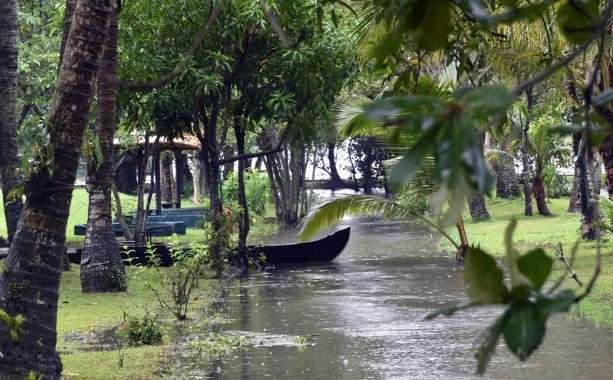
    Verify requirements through official destination channels before nonrefundable purchases. Keep secure digital copies of important documents and an accessible offline copy of your accommodation details.

    Build a Route With Fewer Transfers

    The practical answer to how to plan your first trip to asia is often to remove a stop rather than add one.

    Group destinations geographically and calculate the complete transfer: hotel departure, station or airport access, waiting, the journey, and arrival at your next hotel.

    A ten-night outline might include four nights in an arrival city, four in a contrasting destination, and two near your departure point. Adjust this around actual connections.

    Plan one main activity each day, then add nearby options. Leave space for meals, rest, and unexpected discoveries.

    Book in an Order That Protects Your Plan

    Secure the Reservations That Shape Your Dates

    After confirming entry feasibility and comparing total costs, coordinate flights with accommodation availability. Check whether arriving in one city and departing from another reduces backtracking.

    Reserve scarce accommodation, essential intercity journeys, and genuinely time-sensitive attractions next. Read cancellation terms carefully.

    Choose Location Before Hotel Extras

    Check the hotel’s actual journey to useful transport and attractions. An inexpensive room far from your route can increase both spending and fatigue.

    Confirm reception arrangements for late arrivals. Keep flexible activities unbooked where practical.

    Prepare for Health, Money, and Communication

    Prepare for Health Money and Communication

    Seek destination-specific health advice before departure and check restrictions affecting prescription medicines. Choose insurance that covers your planned activities and understand its exclusions.

    Carry more than one payment method and keep backups separately. Check card fees and local cash needs.

    Compare mobile data options, confirm phone compatibility, and download offline maps. Save essential addresses and learn basic greetings and polite phrases.

    Pack for Your Route and First Day

    Choose luggage you can manage independently. Pack comfortable footwear, weather-appropriate clothing, and suitable outfits for religious sites. Check baggage allowances and electrical compatibility.

    Research local etiquette by destination rather than treating Asia as one culture.

    Before departure, save your airport-to-hotel route. Make the first day gentle: reach your accommodation, eat, orient yourself, and rest before tackling ambitious plans.

    Frequently Asked Questions

    1. How to plan your first trip to Asia without feeling overwhelmed?

    Start with your available days, budget, and main interests. Choose one country, limit hotel changes, and organize flights, entry requirements, and accommodation before planning individual activities.

    2. Which Asian country should I visit first?

    Choose according to your interests and comfort level. Japan suits rail journeys and cultural attractions, Thailand offers temples and beaches, and Singapore works well for a shorter city trip.

    3. How many days should I spend on my first Asia trip?

    Ten to fourteen days provides a practical starting point for exploring one country at a comfortable pace. Include international travel and transfer time when calculating your sightseeing days.

    4. Should I book everything before traveling?

    Book flights, accommodation, essential transport, and popular attractions that require reservations. Leave some activities flexible so you can adjust for weather, energy levels, and unexpected discoveries.

    Start With a Journey You Can Enjoy

    I would rather return with vivid memories of a few places than blurred memories of many transfers. A clear budget, realistic route, and prepared arrival give me confidence without scripting every hour. Once those foundations are ready, I leave room for the experiences that make travel feel personal.

  • How to Create a Two Week Asia Travel Itinerary Without Overpacking Your Days

    How to Create a Two Week Asia Travel Itinerary Without Overpacking Your Days

    I find that an exciting travel wishlist becomes much less appealing when every second morning involves packing a suitcase. When planning how to create a two week asia travel itinerary, I start with the time available between arrival and departure, then choose destinations that fit comfortably inside it.

    A rewarding trip needs more than famous landmarks. It needs sensible connections, manageable costs, and space to enjoy unexpected discoveries. The following approach helps you turn scattered ideas into a practical fourteen-day journey.

    1. Count Your Actual Travel Days

    First, decide whether two weeks means fourteen days away from home or fourteen days in Asia. International flights, overnight connections, and time-zone changes can make these very different schedules.

    Write down your expected arrival and departure times before allocating sightseeing days. An evening arrival leaves little room for exploring, while an early departure effectively removes your final day.

    Distinguish Days From Nights

    Count hotel nights separately. Arriving on day one and leaving on day fourteen normally means thirteen nights. This simple check prevents accommodation gaps and sample schedules that accidentally exceed your holiday.

    Keep the arrival day light, especially after a long flight.

    2. Choose a Region Before Choosing Countries

    Choose a Region Before Choosing Countries

    Asia is too extensive to treat as one compact destination. Start by identifying the experiences you want: historic neighborhoods, food markets, mountain scenery, beaches, or contemporary cities.

    Then select a region that supports those interests. Southeast Asia offers combinations of temples, tropical landscapes, and lively cities. East Asia can suit travelers interested in urban exploration, cultural landmarks, and rail journeys.

    Match Your Route to Your Travel Month

    Check seasonal conditions for each intended stop. Weather patterns vary within countries, particularly between coastlines, islands, mountains, and inland cities.

    Avoid assuming that neighboring destinations share identical conditions. Research regional rainfall, extreme heat, major holidays, and seasonal closures before committing to accommodation.

    3. Limit Your Overnight Bases

    For a balanced starting point, consider three or four bases across fourteen days. A single-country trip can offer plenty of variety, while a carefully chosen two-country pairing adds contrast.

    Each move includes checkout, transport, waiting, arrival, and finding your next hotel. A short flight can still consume much of a day.

    Choose additional countries only when their connections support your priorities. Geography alone does not guarantee convenient transport.

    Use day trips to expand your experiences without repeatedly changing hotels. Staying longer also gives you more flexibility when weather interrupts an outdoor activity.

    4. Build a Budget Around the Whole Journey

    Build a Budget Around the Whole Journey

    Set your total spending limit before selecting hotels and activities. Separate international airfare from accommodation, regional transport, meals, attractions, insurance, and entry-related expenses.

    As you plan your first trip to Asia, accommodation calculations should reflect whether you are paying alone or sharing a room. Activity costs should include transfers and equipment when these are charged separately.

    Allow for Easily Missed Expenses

    Baggage fees, airport transfers, mobile data, laundry, and booking charges can noticeably increase spending. Set aside a contingency amount rather than allocating every available dollar in advance.

    Compare complete transport costs. A cheaper flight may become less attractive once baggage and distant airport transfers are included.

    5. Arrange Transport Before Filling Your Days

    Sketch your route in a logical direction. Compare arriving in one city and departing from another with returning to your starting point.

    Check available connections for your actual dates. Include the journey from your hotel to the station or airport, check-in requirements, and onward transport after arrival.

    Avoid placing expensive, time-sensitive activities immediately after a transfer. Delays can turn a tightly scheduled afternoon into a costly disappointment.

    Choose accommodation near the areas you expect to explore. A convenient location can save substantial time across several days.

    6. Choose a Sample Route That Fits Your Pace

    Choose a Sample Route That Fits Your Pace

    A Single-Country Journey

    A Thailand example could allocate days one through four to Bangkok, day five to travel, days six through eight to Chiang Mai, day nine to another transfer, and days ten through thirteen to one beach base. Day fourteen is departure.

    Choose the beach region after checking seasonal conditions and connections.

    A Neighboring-Country Pairing

    For Vietnam and Cambodia, consider days one through four in Hanoi, day five transferring to central Vietnam, and days six through eight around Hoi An. Reserve day nine for reaching Siem Reap, days ten through thirteen for temples and downtime, and day fourteen for departure.

    Verify connections before adopting this outline.

    A Faster City-Focused Alternative

    Singapore, Kuala Lumpur, and Bangkok provide another possible combination. Allocate four days to each city, two transfer days, and include arrival and departure within those city blocks.

    This option prioritizes urban experiences over countryside or beach time.

    7. Add Flexibility and Check Booking Requirements

    Schedule one main experience each day, with optional activities nearby. Leave room for meals, rest, and spontaneous discoveries.

    Before paying, check passport validity, entry requirements, transit conditions, cancellation terms, and insurance coverage. Save booking confirmations offline.

    Frequently Asked Questions

    1. How to create a two week Asia travel itinerary without feeling rushed?

    Choose three or four overnight bases, keep transfer days light, and allow time for rest. Explore nearby attractions through day trips instead of changing hotels frequently.

    2. How many countries should I visit in two weeks?

    One or two countries is a practical starting point. A third may work with convenient connections, but fewer destinations give you more time to explore each place.

    3. Should I book my entire itinerary before departure?

    Book essential flights, accommodation, and activities requiring reservations first. Keep some sightseeing flexible so you can adjust for weather, energy levels, and unexpected discoveries.

    4. Should my fourteen-day itinerary include international travel days?

    Yes, if your holiday allowance is fourteen days in total. Count outbound and return journeys before assigning sightseeing days, and check local arrival dates carefully.

    Make Room for the Journey

    I prefer an itinerary that gives each destination enough time to feel memorable, with space to explore beyond the main attractions. When I balance transport, budget, and breathing room, planning becomes easier and the journey feels much richer.

    I also leave room for a quiet afternoon, an unexpected food stop, or a neighborhood that catches my attention. For me, a rewarding trip means returning with meaningful memories and enough energy to enjoy every part of the experience.

  • Fun Things to Do in Bangkok for Repeat Visitors: Make Your Next Trip Different

    Fun Things to Do in Bangkok for Repeat Visitors: Make Your Next Trip Different

    I would plan a second Bangkok trip around curiosity: a cooking lesson, an unfamiliar neighborhood, or an evening that unfolds somewhere beyond my usual stops. Once the famous temples and shopping centers feel familiar, there is room to explore more slowly. 

    Finding fun things to do in Bangkok for repeat visitors means choosing experiences that reveal another layer of the city. This guide brings together seven ideas, with practical ways to combine them without spending your holiday crossing Bangkok in traffic.

    1. Follow Street Art Through Talat Noi

    Talat Noi rewards wandering. Murals, Chinese shrines, aging shophouses, and working repair businesses create a neighborhood walk with more variety than a single attraction.

    Start early, before the afternoon heat, and allow around two hours for exploring and a drink. Look along Trok San Chao Rong Kueak, then continue toward the river. Photograph public artwork respectfully, and keep doorways clear.

    Extend Your Walk Into Charoen Krung

    Continue into nearby Charoen Krung for creative spaces and another food stop. Choose a manageable section rather than attempting every gallery and café. Opening days vary, so check any specific venue before building your afternoon around it.

    2. Turn Lunch Into a Cooking Experience

    Turn Lunch Into a Cooking Experience

    A hands-on cooking class offers something your earlier sightseeing trip may have missed: understanding how ingredients become familiar Thai dishes.

    Cooking with Poo and Friends combines a local market visit, cooking, and a shared meal. The market portion adds context before you start preparing food.

    Compare classes by group size, dishes, teaching language, and dietary flexibility. Tell the organizer about allergies when booking. Check the meeting instructions carefully; arriving late may mean missing the market tour.

    Leave your afternoon flexible afterward. A substantial meal and several hours of activity rarely pair well with an ambitious sightseeing schedule.

    3. Browse Vintage Finds Around Chatuchak

    If you have already explored Chatuchak Weekend Market, give your return visit a narrower purpose. Search for vintage clothing, records, home accessories, or collectible objects rather than browsing everything.

    Bang Sue Junction, also called the Red Building, offers an alternative setting for secondhand shopping near the market area. Indoor browsing can provide a welcome break from outdoor heat.

    Allow yourself a spending limit and inspect purchases carefully. Clothing sizes, electrical compatibility, and luggage space matter more than the excitement of finding something unusual.

    Pair shopping with lunch nearby instead of immediately traveling to another district.

    4. Make Contemporary Art Your Rainy-Day Plan

    Make Contemporary Art Your Rainy-Day Plan

    The Bangkok Art and Culture Centre gives returning travelers an indoor experience beyond another shopping afternoon. Exhibitions offer a reason to revisit because the program changes.

    Located opposite MBK, it fits conveniently into a central Bangkok day. Check the exhibition calendar and opening days first; the center normally closes on Mondays.

    Give yourself time to engage with one exhibition rather than rushing through every floor. Follow photography rules and check whether particular events require registration or payment.

    Keep this option flexible when planning things to do in Luang Prabang. It works especially well when rain interrupts an outdoor plan or the midday heat makes walking unappealing.

    5. Explore the Canal Side of Bangkok

    A canal outing can reveal a different perspective from a large river cruise. Choose a route through Thonburi and ask what the experience includes before paying.

    Some trips emphasize scenery; others combine canals with temples or neighborhood stops. Agree on duration, departure point, inclusions, and whether the price covers a private boat or shared departure.

    Look for an operator providing life jackets. Avoid assuming every advertised cultural performance happens daily.

    For a balanced half-day, combine a canal trip with one nearby stop and a relaxed meal. Adding several distant attractions can turn an enjoyable outing into a transport problem.

    6. Visit Koh Kret for Pottery and a Slower Pace

    Visit Koh Kret for Pottery and a Slower Pace

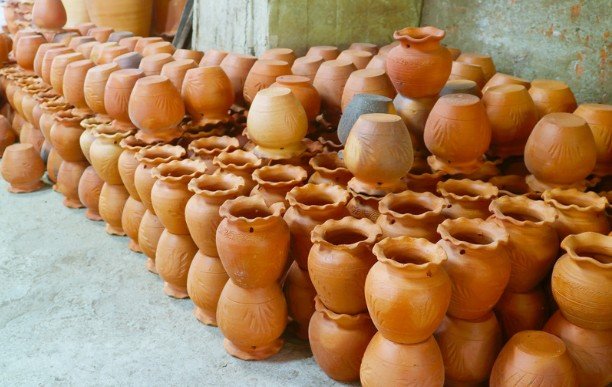
    Koh Kret is in neighboring Nonthaburi, so treat it as an excursion rather than a quick central-city stop. Its pottery traditions offer a different focus from Bangkok’s large attractions.

    Walk at a comfortable pace, browse craft shops, and ask whether workshops are available during your visit. A pottery session adds participation, but availability needs checking.

    Choose footwear suitable for walking and bring water. Shop activity can vary by day, so confirm arrangements if a particular workshop motivates your trip. Allow generous travel time. This outing suits a day when you want one main destination.

    7. Spend an Evening Watching Muay Thai

    Rajadamnern Stadium offers an evening built around live sport rather than another rooftop drink. The atmosphere, rhythm, and skill make it engaging even for newcomers.

    Check the official fight schedule before choosing your date. Compare seating categories and book ahead for popular events. Arrange your return transport and avoid squeezing in a distant dinner beforehand. An easy meal nearby keeps the evening manageable.

    Frequently Asked Questions

    1. What are the best fun things to do in bangkok for repeat visitors?

    Choose according to your interests: Talat Noi for walking, cooking classes for participation, vintage shopping for browsing, and Muay Thai for evening entertainment.

    2. How can I avoid spending too much time traveling?

    Group nearby activities. Keep Talat Noi and Charoen Krung together, and treat Koh Kret as a separate excursion.

    3. What should I do when it rains?

    Consider contemporary art or indoor vintage browsing. Check opening days before leaving.

    Make Your Next Visit Count

    I would choose fun things to do in Bangkok for repeat visitors by how much they add to my understanding of the city. A creative walk, a practical lesson, and one memorable evening would give my trip variety while leaving space for spontaneous discoveries.

  • How to Budget for a Multi Country Trip in Asia Without Costly Surprises

    How to Budget for a Multi Country Trip in Asia Without Costly Surprises

    I find a travel budget easier to trust when every expense has a place. A cheap hotel means little if reaching it requires another flight, two transfers, and an overnight stop. When I consider how to budget for a multi country trip in asia, I start with the complete route rather than an attractive daily spending figure.

    The approach is straightforward: calculate everyday costs separately for each country, add transport and one-time expenses, then reserve money for changes. This gives you a realistic spending limit before bookings begin.

    Set Your Spending Limit Before Choosing Countries

    Start with the money available for the entire journey. Keep household commitments and emergency savings separate, then decide how much you can comfortably spend.

    Your trip allowance must cover arrival and departure flights, accommodation, food, transport, activities, entry requirements, insurance, and unexpected expenses.

    Divide that amount into fixed costs and flexible spending. Flights and prepaid bookings belong in the first category. Meals, shopping, and optional excursions belong in the second. This distinction shows where adjustments remain possible.

    Choose a Route That Fits Your Budget

    Choose a Route That Fits Your Budget

    Compare Regions and Travel Styles

    Asia does not have one reliable daily price. A hostel-based journey through Vietnam and Cambodia requires different spending assumptions from a hotel-focused itinerary through Japan and South Korea.

    Compare accommodation and transport prices in the actual cities you want to visit. Country averages can hide expensive islands, resort districts, and festival periods.

    Decide whether your estimates assume dormitories, private guesthouses, or hotels. Couples sharing rooms should calculate accommodation per person, while solo travelers must account for paying the full room price.

    Reduce Expensive Connections

    Choose neighboring destinations where possible, and follow a route that avoids unnecessary backtracking.

    Compare flying into one city and departing from another with returning to your starting point. A higher international airfare might still save money when it removes a regional flight and another hotel night. For shorter holidays, fewer countries can leave more money for experiences.

    Calculate Daily Costs Country by Country

    Build separate allowances for accommodation, food, local transport, and routine sightseeing. Multiply each country’s daily total by the number of days spent there.

    For example, seven days at an assumed $40 daily allowance equals $280. Another seven days at $55 equals $385. Combining these figures is more accurate than applying one average across both destinations.

    As you create a two week Asia travel itinerary, treat these numbers as planning assumptions until you check prices for your dates.

    Count hotel nights separately from travel days. An overnight flight may reduce accommodation needs, while an early arrival could require an additional booking. Decide whether major tours and intercity journeys sit inside your daily allowance or elsewhere.

    Price Every Journey Between Countries

    Price Every Journey Between Countries

    Compare the total journey cost rather than the advertised fare.

    A regional flight may require checked baggage, seat selection, airport transfers, meals, and accommodation near the terminal. Separate tickets can also create additional costs if delays disrupt a connection.

    Check airline baggage rules before booking. Carry-on dimensions and weight limits vary, so a bag accepted on one flight might incur charges on another.

    Overnight trains and buses can combine transport with accommodation, but compare comfort, arrival times, and onward transfers. A cheaper ticket loses value if it leaves you needing an expensive taxi.

    Add Hidden Costs and a Contingency Allowance

    Include visas where required, travel insurance, mobile data, laundry, drinking water, and banking charges. Check entry requirements for your passport and each planned crossing.

    Budget separately for expensive experiences such as diving, guided treks, cruises, or major attraction passes. These can overwhelm a modest daily allowance.

    Exchange rates also affect your total. Record the conversion rate used for estimates, and review it before paying substantial balances.

    A contingency allowance of around 10–15% is a useful planning choice. Keep it available for disruptions rather than treating it as extra shopping money.

    Build a Complete Three-Country Example

    Build a Complete Three-Country Example

    Consider a hypothetical 21-day journey with seven days in each country.

    Assumed daily allowances of $40, $45, and $55 produce country subtotals of $280, $315, and $385. Everyday spending therefore totals $980.

    Add $900 for arrival and departure flights, $250 for regional connections, and $220 for insurance, entry fees, connectivity, and other one-time expenses. The subtotal becomes $2,350.

    A 15% contingency adds $352.50, producing a total of $2,702.50 per person.

    These are illustrative amounts, not current quotes. Replace every assumption with dated prices, and ensure nothing appears twice.

    Track Spending and Adjust Early

    Record expenses daily, then review your remaining allowance every few days. Separate money already committed to bookings from money still available.

    If spending runs high, reduce transfers, choose simpler accommodation, or replace optional tours with independent sightseeing. Adjusting early preserves more choices.

    Keep booking confirmations and cancellation deadlines together so changing plans does not create avoidable losses.

    Frequently Asked Questions

    1. What Is the First Step in Budgeting?

    When learning how to budget for a multi country trip in asia, establish your total spending limit first. Then subtract fixed costs before allocating daily allowances.

    2. Does Visiting Fewer Countries Save Money?

    Often, because it reduces transport and repeated arrival expenses. Savings depend on the destinations and route.

    3. Should Everything Be Booked Ahead?

    Reserve essential connections and scarce accommodation early. Keep flexible bookings where cancellation terms and availability support changes.

    Travel With Greater Confidence

    I prefer a budget that explains every assumption and leaves room to adapt. Once I can see daily spending, transport, and occasional expenses separately, choosing a route feels clearer. A realistic allowance helps me enjoy the journey without repeatedly wondering what I forgot.

  • How to Plan an Asia Trip Around Monsoon Seasons Without Losing Your Vacation

    How to Plan an Asia Trip Around Monsoon Seasons Without Losing Your Vacation

    I prefer rearranging a route before booking to discovering that every activity depends on clear weather. Learning how to plan an asia trip around monsoon seasons starts with a simple change: choose destinations that suit your dates instead of expecting an entire continent to share one climate.

    Rain does not automatically ruin a trip. It can bring greener scenery, quieter attractions, and better accommodation value. The important distinction is between accepting occasional showers and building an itinerary around activities that become unavailable during severe weather.

    Start With Your Travel Month and Priorities

    Decide when you can travel, how many nights you have, and which experiences matter most. A museum and food trip can tolerate rain more easily than an itinerary dominated by diving, mountain trails, or small island ferries.

    Choose one essential experience, then compare the seasonal conditions at its exact location. If beach time is your priority, research the coastline rather than the country average. If trekking matters most, investigate trail access and road conditions before booking accommodation.

    Understand Asia’s Different Rainy Seasons

    Understand Asias Different Rainy Seasons

    Mainland Southeast Asia

    Much of Thailand, Cambodia, and Laos experiences wetter conditions roughly between May and October. However, rainfall intensity varies by location and month. Vietnam needs particular care because its northern, central, and southern regions follow different patterns.

    Avoid assuming that a wet month in Hanoi means identical conditions in Hoi An. Central Vietnam can experience significant autumn rain and flooding, affecting sightseeing and transport.

    Indonesia and South Asia

    Bali commonly experiences drier conditions during the middle of the year, making it a useful alternative when parts of mainland Southeast Asia are wetter. Indonesia still requires island-specific research; one seasonal label cannot describe the whole archipelago.

    India and Sri Lanka also need regional planning. Sri Lanka’s contrasting coastal seasons make the choice of coast especially important. In India, check your actual route rather than treating every destination as equally affected by summer monsoon rainfall.

    East Asia

    Japan and South Korea have summer rainy periods, while tropical storms can create additional disruption in parts of East Asia. Cyclones and typhoons are different planning concerns. A rainfall calendar helps select dates; current forecasts help guide immediate decisions.

    Match Your Route to the Calendar

    Match Your Route to the Calendar

    For how to plan an asia trip around monsoon seasons, the most useful method is to compare each stop against the dates you will actually be there.

    During January and February, investigate mainland Southeast Asian routes, while checking coastal exceptions separately. During July and August, consider Bali rather than automatically choosing a beach on Thailand’s Andaman coast.

    During September and October, examine destinations individually. Transitional weather can vary, and central Vietnam deserves particular attention as autumn progresses. Consider heat, humidity, crowds, and holidays alongside rainfall.

    These are seasonal starting points. Use destination-level climate information to narrow your choices before consulting forecasts closer to departure.

    Build a Realistic Two-Week Itinerary

    A July Route With Fewer Transfers

    Consider seven nights in Bali’s Ubud area, five nights near a suitable beach, and two nights in your departure city. This allows cultural activities and coast time.

    Check sea conditions before booking boat excursions. Drier seasonal conditions do not guarantee safe water or uninterrupted transport.

    A February Mainland Route

    Consider five nights in Bangkok, four in Chiang Mai, and five in Siem Reap, including transfer time. This keeps the focus on food, temples, and cultural experiences rather than weather-sensitive island connections.

    Check air quality alongside weather when planning northern Thailand. Reducing rain exposure is only one part of choosing comfortable travel conditions.

    Protect Bookings With Flexibility

    Protect Bookings With Flexibility

    Reserve accommodation with cancellation terms you understand, especially near weather-sensitive activities. Compare flexible fares with the cost of replacing a missed connection.

    Leave a buffer before your international flight when arriving from an island or remote mountain area. As you budget for a multi country trip in Asia, allow for an overnight stay near your departure airport. Avoid linking a ferry, domestic flight, and overseas departure into one tightly scheduled day.

    If purchasing insurance, read the wording for weather disruption, missed departures, and exclusions. Coverage depends on the policy and circumstances; ordinary rain does not automatically qualify.

    Plan Enjoyable Rainy Days

    Schedule outdoor activities when the local forecast looks most favorable. Keep cooking classes, galleries, markets, and covered cultural attractions available as alternatives.

    Pack quick-drying clothes, a lightweight rain jacket, footwear with grip, and a waterproof pouch for documents. Choose comfortable accommodation for downtime.

    Check official forecasts and operator notices before excursions. Follow closures and cancellation decisions rather than treating a prepaid booking as a reason to continue.

    Frequently Asked Questions

    1. How to plan an asia trip around monsoon seasons when dates are fixed?

    Choose regions that suit your month, reduce weather-sensitive transfers, and prioritize adaptable activities. Keep a practical alternative for important outdoor days.

    2. Does monsoon season mean constant rain?

    No. Some destinations experience short showers, but prolonged rainfall also occurs. Research local patterns instead of expecting every storm to pass quickly.

    3. Is rainy-season travel always cheaper?

    No. Accommodation may offer better value, but holidays, popular destinations, and replacement transport can increase costs. Compare the whole trip rather than room rates alone.

    Make the Weather Part of Your Plan

    I would build my route around the experiences I value most, then leave enough flexibility to enjoy everything else. A thoughtful itinerary cannot promise sunshine, but it can prevent predictable scheduling mistakes. With regional research, manageable transfers, and worthwhile alternatives, rain becomes something to plan for rather than something that controls the holiday.

  • How to Check Visa Requirements for Travel Across Asia Before Booking

    How to Check Visa Requirements for Travel Across Asia Before Booking

    The cheapest flight on my screen can become the most expensive choice if its connection creates a paperwork problem. Before comparing hotels or saving restaurants, I want to know whether every border on my route is workable. Learning how to check visa requirements for travel across asia starts with matching official entry rules to my passport, travel dates, and actual itinerary.

    The simplest approach is to check each destination separately, include connecting airports, confirm the appropriate entry permission, and save the requirements. Neighboring countries can have completely different immigration procedures.

    What Should You Know Before Checking Visa Requirements?

    Start with the nationality shown on the passport you will use. Your departure country does not determine your visa eligibility, and residence permits only matter where specific exemptions recognize them.

    Record your travel purpose, arrival dates, departure dates, and planned entry points. Tourism, business, study, volunteering, and remote work may involve different permissions. Never assume a tourist exemption covers every activity.

    If traveling with friends or family who hold different passports, check each person individually. One traveler’s visa-free eligibility does not establish another’s.

    Where Can You Find Reliable Entry Requirements?

    Where Can You Find Reliable Entry Requirements

    Start With Official Immigration and Embassy Websites

    Search for the destination’s immigration authority or embassy, then find its tourist entry requirements. Follow application links from those pages rather than choosing the first sponsored result.

    Check that the information applies to your nationality and passport type. Read the conditions attached to exemptions, including stay limits and supporting documents.

    Save the page address and date you checked it. A publication date alone does not prove every rule on a travel website remains current.

    Cross-Check With Your Airline

    An airline document checker can help identify passport, visa, and transit conditions for your journey. Enter your details carefully and include connections.

    If an official page and a checker disagree, contact the destination’s embassy or immigration authority and your airline. Explain your exact route and passport details instead of asking a broad question.
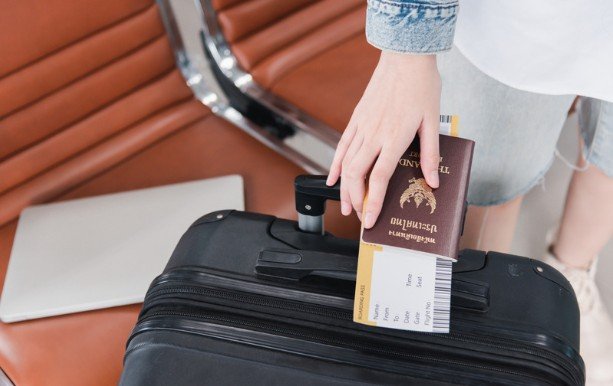
    How Do You Check Every Stop on a Multi-Country Trip?

    Create a simple travel note with a separate entry for each border crossing. Include the destination, dates, entry point, required permission, application deadline, and official link.

    Imagine a route from Japan to Vietnam, onward to Singapore, and back to Japan. The final arrival deserves its own check because returning to a country is another entry.

    This route-based method makes how to check visa requirements for travel across asia easier to manage. It also reveals where your itinerary depends on approval, a particular crossing, or permission to enter again.

    Which Entry Permission Do You Actually Need?

    Which Entry Permission Do You Actually Need

    Visa-Free Entry, Arrival Visas, and Electronic Visas

    Visa-free entry means eligible travelers do not need a visa for the specified visit. Other entry conditions can still apply.

    A visa on arrival is obtained at an eligible entry point. Confirm your nationality qualifies, the crossing offers it, and which documents and payment methods are accepted.

    An electronic visa requires an online application and approval. Check permitted entry points and carry the approval in the required format.

    An embassy-issued visa may require an appointment or passport submission. As you plan an Asia trip around monsoon seasons, allow enough time for visa processing before finalizing your travel dates. Follow the relevant consulate’s instructions for your application location.

    Arrival Forms and Travel Authorizations

    An arrival declaration is different from a visa. An electronic travel authorization may also be required for certain visa-exempt travelers.

    Singapore, for example, lists visa conditions and its arrival card separately. This shows why checking visa eligibility alone can leave your preparations incomplete.

    Can Connections and Land Borders Change Your Requirements?

    Check transit rules even when you intend to remain inside an airport. Nationality, connection arrangements, and whether you clear immigration can affect the requirements.

    A self-transfer may involve collecting luggage and checking in again. Confirm with your airline and airport whether that process requires entering the country.

    For overland travel, verify the exact checkpoint. Do not assume an electronic visa accepted at an airport works at every land crossing. Check opening arrangements before committing to transportation.

    What Documents and Deadlines Should You Confirm?

    What Documents and Deadlines Should You Confirm

    Review passport validity, blank-page requirements, accommodation details, onward travel evidence, and financial documentation. Requirements differ, so avoid treating six months of passport validity as a universal rule. Distinguish visa validity from permitted stay. The deadline for entering a country may differ from the date by which you must leave.

    Check application windows, processing estimates, fees, and single-entry or multiple-entry conditions. Allow room for document corrections. After approval, inspect your name, passport number, dates, and entry conditions. Recheck requirements before departure and before later crossings. Save accessible copies of approvals and supporting documents.

    Frequently Asked Questions

    1. What Is the Safest Way to Learn how to check visa requirements for travel across asia?

    Match each destination’s official requirements to your passport, purpose, dates, and entry point. Cross-check flights and transit arrangements with your airline.

    2. Is There One Tourist Visa for All Asian Countries?

    Do not assume one permission covers your itinerary. Check every destination separately and verify any regional arrangement through official authorities.

    3. Does Visa-Free Entry Guarantee Admission?

    No. Travelers must still meet applicable entry conditions and satisfy immigration checks.

    4. When Should I Start Checking Visa Rules?

    Start while choosing your route, before making nonrefundable bookings. Apply within official windows and check again closer to travel.

    Make Paperwork Part of the Journey

    I prefer resolving entry questions while my itinerary is still flexible. Checking each crossing, saving official instructions, and reviewing approvals gives me a clearer plan. Once those details are settled, I can focus on enjoying the journey.