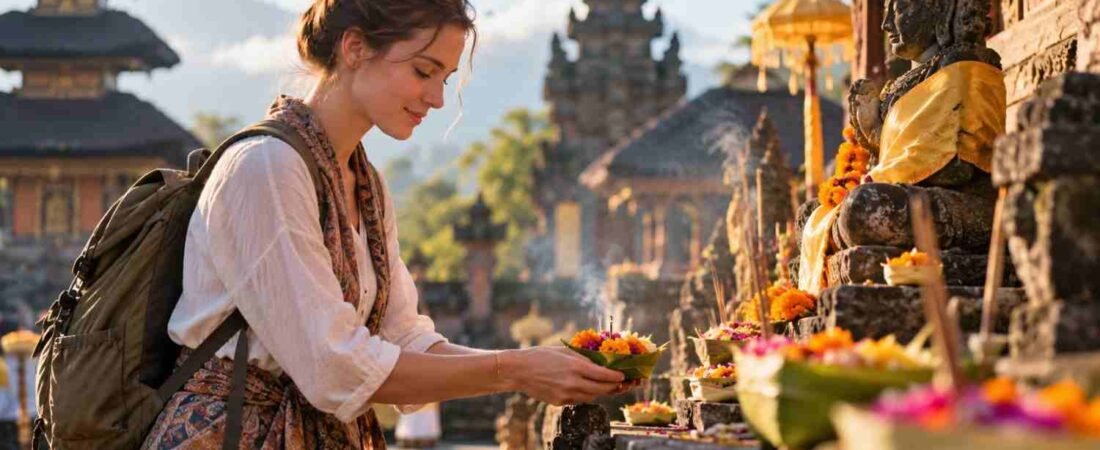
I have always found that the most memorable travel experiences happen when I get a glimpse of how people actually live, celebrate, and preserve their traditions. Visiting famous landmarks can tell me plenty about a destination’s history, but watching a local ceremony or learning the meaning behind a familiar custom offers something different. It reveals the values, beliefs, and relationships that shape everyday life.
I also realized that cultural experiences become more meaningful when travelers approach them with curiosity rather than treating them as another attraction to photograph. Across Asia, rituals connect families, religious communities, and entire generations. Some take place in temples before sunrise, while others unfold over tea, traditional performances, or annual celebrations. Knowing their significance makes these encounters more rewarding.
Why Cultural Rituals Offer a Different Kind of Travel Experience
Rituals are often closely connected to a community’s identity, spiritual beliefs, and collective memory. They may mark a new year, express gratitude, honor ancestors, or reinforce relationships between generations. Many traditions continue to evolve while retaining their essential meaning.
For travelers, understanding this context creates opportunities for genuine cultural exchange. Instead of simply watching a ceremony, visitors can learn why particular gestures matter, what certain offerings represent, and how local people keep traditions alive.
These experiences also require sensitivity. Not every ceremony welcomes outsiders, and some practices are intended exclusively for community members. Asking permission and following local guidance should always come before participation.
Asian Cultural Rituals Travelers Can Experience
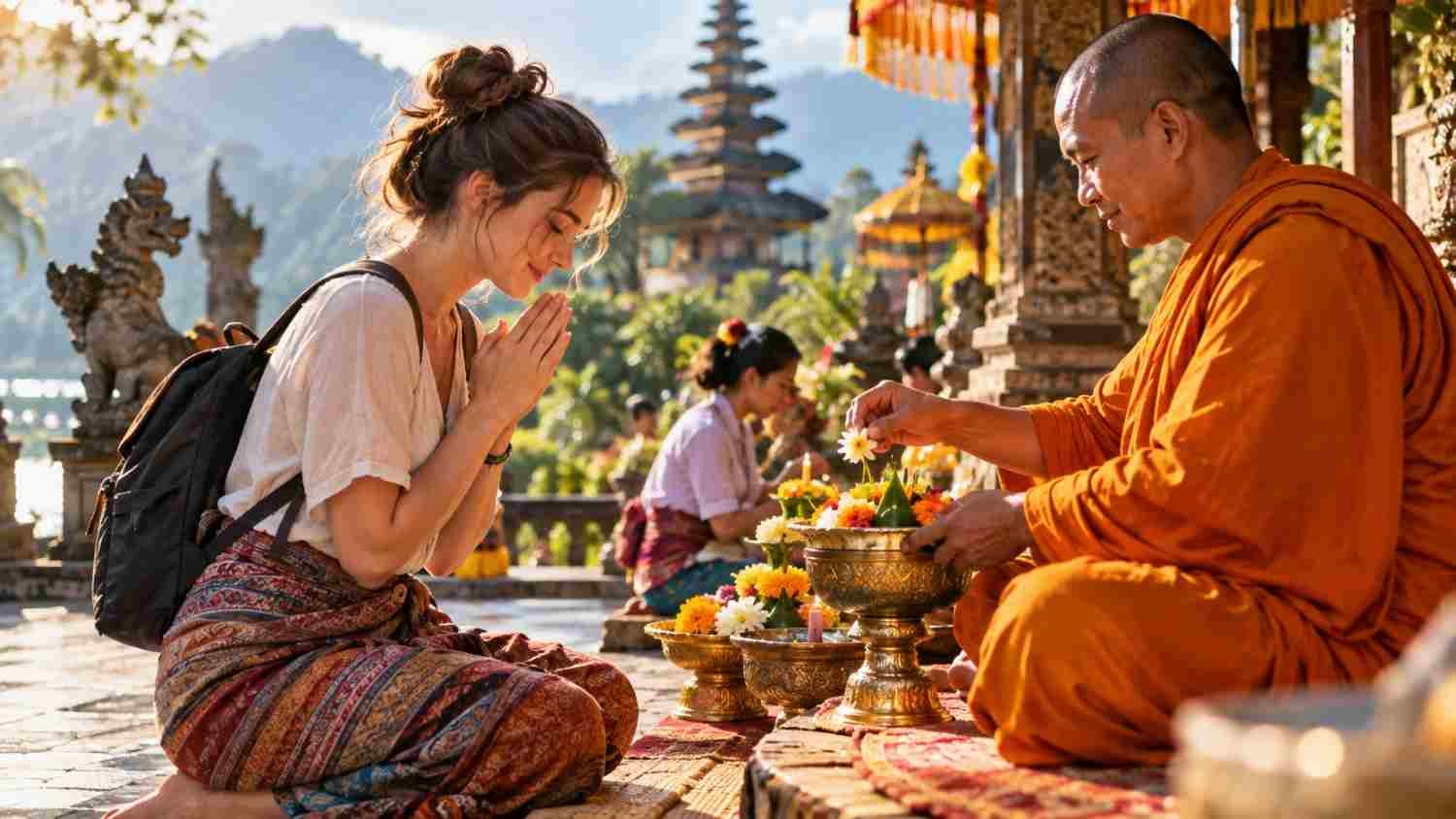
1. Morning Alms-Giving in Luang Prabang, Laos
Before sunrise, Buddhist monks walk through Luang Prabang while residents offer food, traditionally including sticky rice. Known as sai bat, this daily practice reflects generosity and the relationship between monastic communities and local residents.
Travelers can observe the procession along designated streets, often beginning around 5:30 or 6 a.m., depending on the season. However, this is a religious practice, not a staged attraction.
Visitors who wish to make an offering should learn the correct procedure beforehand and obtain suitable food locally. Those who prefer to watch should remain at a respectful distance, keep quiet, and avoid obstructing residents. Flash photography and intrusive close-ups can disturb the ceremony.
The experience offers a valuable reminder that meaningful traditions often depend on small acts repeated over generations.
2. The Japanese Tea Ceremony
Japan’s traditional tea ceremony, known as chanoyu or sado, transforms preparing and serving matcha into a carefully structured expression of hospitality. Each movement has a purpose, from handling the tea bowl to presenting the finished drink.
The practice emphasizes harmony, respect, purity, and tranquility. The setting, seasonal decorations, utensils, and behavior of guests all contribute to the experience.
Visitors can find tea ceremonies in Kyoto, traditional gardens, cultural centers, and other locations throughout Japan. Some sessions introduce beginners to the essential steps, while formal gatherings may require more time and specific etiquette.
Guests generally remove their shoes where required, follow the host’s instructions, and handle the tea bowl carefully. No previous experience is necessary. Paying attention to the preparation often reveals more than focusing on the tea itself.
3. Barong Dance in Bali, Indonesia
Bali’s Barong dance combines traditional performance, mythology, and spiritual symbolism. The story centers on Barong, a protective figure associated with virtue, and Rangda, a powerful figure representing destructive forces. Their ongoing conflict reflects the struggle between opposing forces.
Travelers can attend performances in parts of Bali, including the Gianyar area. Some presentations take place in cultural venues, while other performances have connections to religious ceremonies.
A guided cultural visit can help explain the characters, costumes, music, and symbolism that might otherwise seem unfamiliar. Visitors should remember that the dance has spiritual significance beyond its entertainment value.
Choose performances that explain their cultural context and respect restrictions on photography or access to sacred spaces.
4. Hindu Rituals During Durga Puja in India
Durga Puja transforms neighborhoods across West Bengal, particularly Kolkata, through devotional ceremonies, elaborate temporary shrines, artistic displays, music, and community gatherings.
The festival honors Goddess Durga and celebrates her victory over the buffalo demon Mahishasura. Its religious meaning sits alongside a strong social dimension, bringing families, artists, and neighborhood groups together.
Travelers can explore public celebrations, observe worship from appropriate areas, and appreciate the craftsmanship behind the pandals. Festival dates follow the Hindu lunar calendar, so visitors should check the schedule before booking.
Crowds can become substantial, especially during major evenings. Comfortable shoes, patience, and awareness of local instructions make moving between celebrations easier.
5. Traditional Water Blessings During Songkran in Thailand
Songkran marks the traditional Thai New Year in April. Although many visitors associate it with large public water fights, the celebration also includes quieter customs centered on family, respect, and renewal.
One traditional practice involves gently pouring scented water over the hands of elders as a sign of respect and to receive their blessings. Some communities also hold temple visits, merit-making activities, and ceremonies involving Buddha images.
Travelers can learn about these customs through community celebrations and cultural programs. Participation should follow the host’s instructions, particularly when religious objects or older community members are involved.
Experiencing Songkran beyond its street festivities helps visitors understand the family and spiritual values behind the holiday.
How to Participate Respectfully
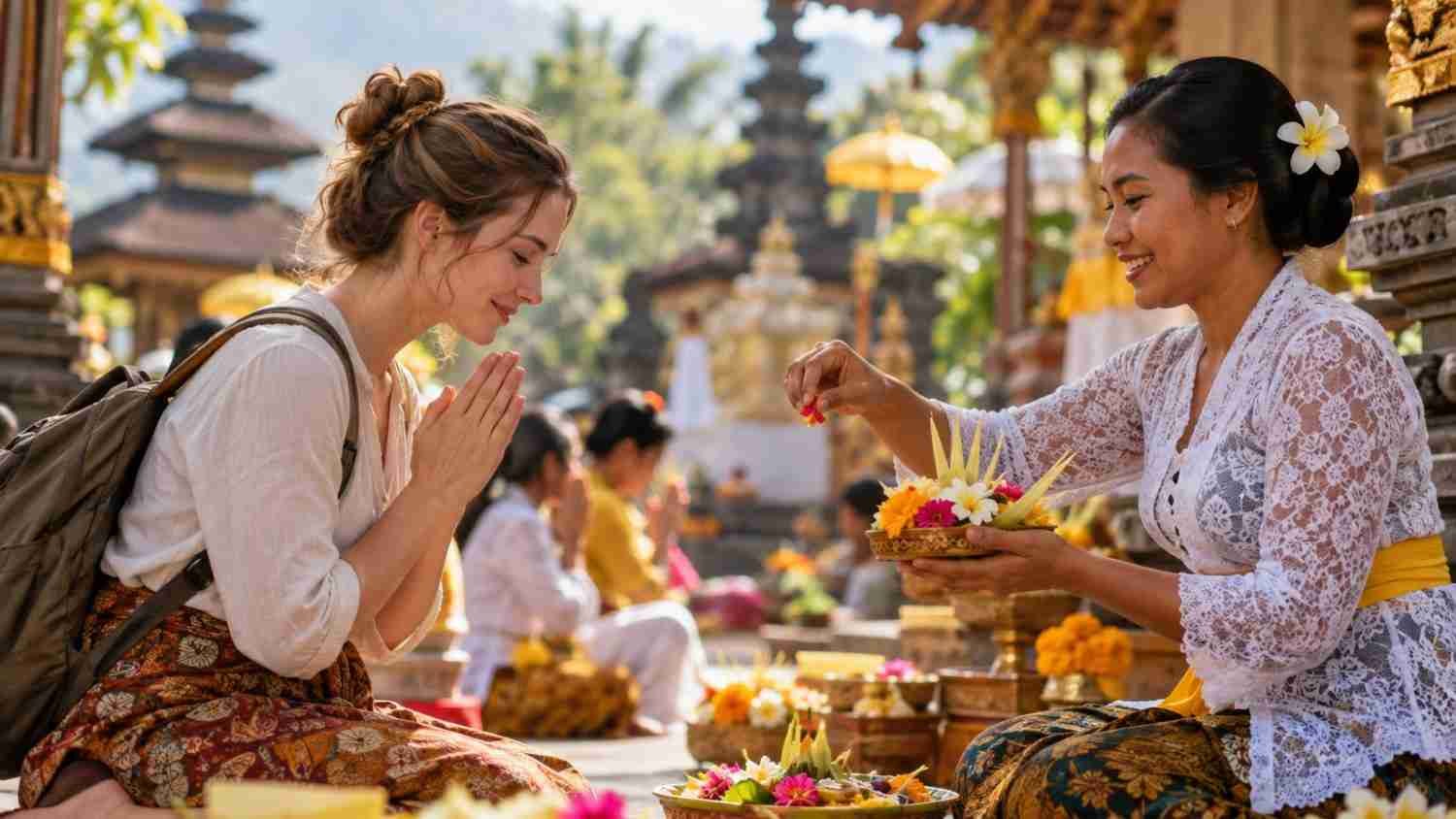
Good intentions matter, but learning local expectations makes a real difference. Before attending a ceremony, check whether visitors may participate or should observe quietly.
A few practical habits help:
- Dress modestly, covering shoulders and knees when visiting religious sites, and remove shoes wherever requested.
- Ask before photographing people, religious objects, or private ceremonies.
- Avoid touching someone’s head or pointing your feet toward people or sacred objects where local etiquette considers these gestures disrespectful.
- Follow instructions about offerings, seating, silence, and movement.
- Choose local guides who explain traditions accurately and respect community boundaries.
A responsible cultural experience allows residents to maintain control over their traditions. Pay fairly for guided activities, support local practitioners, and avoid demanding access to ceremonies that are not open to visitors.
Finding Traditions Beyond Popular Attractions
Some of the most rewarding cultural encounters happen in smaller communities, where traditional crafts, seasonal celebrations, and family customs remain part of everyday life.
Research local calendars before traveling, ask knowledgeable guides about community events, and look for experiences led by people who practice the traditions themselves. Reading about regional history beforehand also helps you recognize the significance of gestures and objects during a ceremony.
Exploring forgotten traditions still alive in Asia can reveal customs that receive less attention than major festivals. However, a tradition should not be considered forgotten simply because it is unfamiliar to outsiders.
Likewise, living heritage experiences across Asia can include community storytelling, traditional arts, and seasonal gatherings, not only religious ceremonies. The most worthwhile experiences give local people a voice in how their culture is shared.
Why Respect Makes the Experience Last
A meaningful cultural encounter does not depend on how many ceremonies you attend or how many photographs you bring home. It depends on what you learn, how you behave, and whether the experience helps you understand people beyond familiar assumptions. When travelers listen to local explanations, support practitioners, and accept that some traditions are private, cultural tourism can encourage appreciation without turning community life into a spectacle.
The best souvenir may be a deeper understanding of someone else’s way of seeing the world.
FAQs: Asian Cultural Rituals Travelers Can Experience for a Deeper Cultural Connection
1. Which Asian country is best for experiencing cultural rituals?
There is no single answer. Japan offers tea ceremonies, Laos has morning alms-giving, and India hosts major religious festivals. Your interests and travel dates can help determine the destination.
2. Can tourists participate in religious ceremonies?
Sometimes. Participation depends on the tradition and community. Ask local hosts or guides before joining, and observe quietly when participation is restricted.
3. What should travelers wear to cultural rituals?
Choose modest clothing, particularly at temples and religious sites. Cover your shoulders and knees when requested, and remove shoes when instructed.
4. How can travelers find authentic cultural experiences?
Look for community-led tours, local cultural organizations, and established festival calendars. Ask who leads the experience, what participation involves, and whether the community benefits.