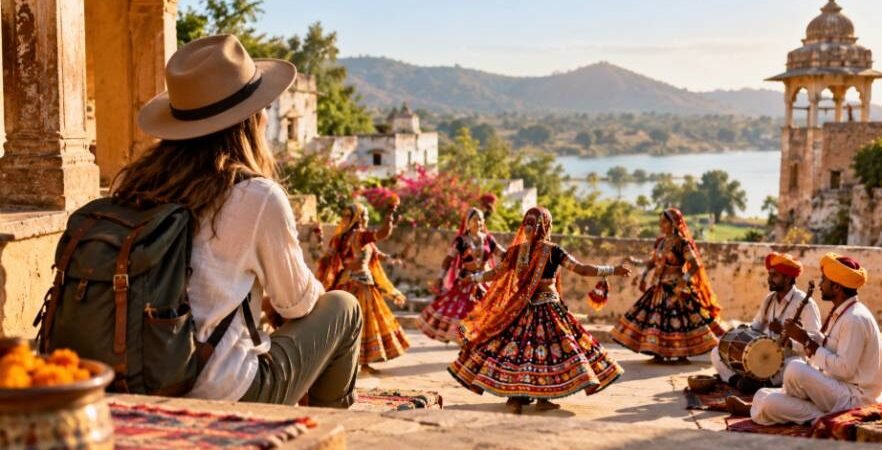
I’ve noticed that memorable cultural moments happen beyond familiar landmarks. In smaller towns and rural communities, daily life reveals customs that rarely make a standard itinerary: a craft practiced in a family workshop, a seasonal gathering shaped by the harvest, or a song everyone knows.
I’ve also found that regional traditions make more sense when you understand the landscape and the people who sustain them. A festival may honor a local deity, mark a change in season, or bring neighbors together. Beyond Delhi, Agra, and Jaipur, India offers ways to see culture as something lived and passed on, rather than simply displayed for visitors.
Why traditions change from region to region
India’s cultural variety reflects its geography. Mountain communities developed practices around forests and steep fields. River settlements built livelihoods around fishing and waterways. In dry regions, fairs connect communities spread across large distances. Religion, migration, and trade have added further layers over generations.
For travelers interested in how mountain landscapes shape regional experiences, exploring the best hill stations to visit in southern India can provide another perspective on the relationship between terrain, local communities, and everyday life.
Music, clothing, food, and ritual can express a community’s relationship with its environment, beliefs, and neighbors. Looking beyond major tourist cities helps travelers notice these connections instead of treating every celebration as a similar attraction.
Ziro Valley: Apatani knowledge and life in the fields
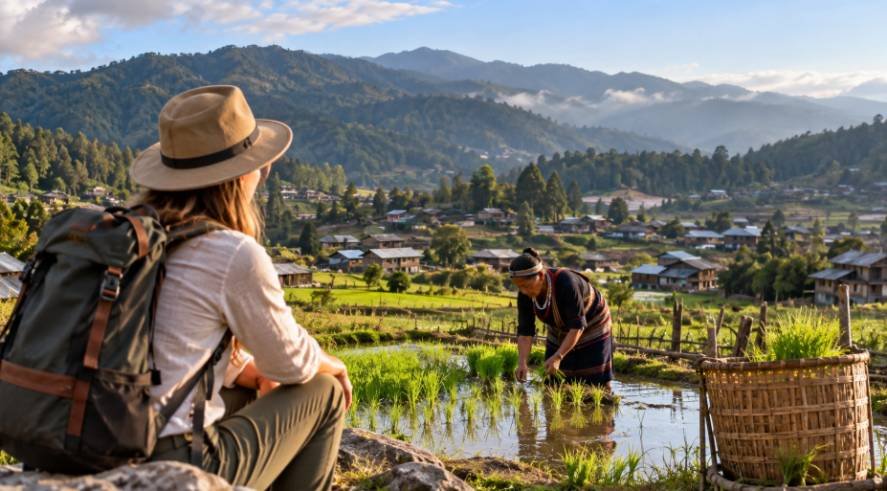
In Arunachal Pradesh, Ziro Valley is known for paddy fields, pine-covered hills, and Apatani villages. The community’s wet-rice cultivation system integrates fish rearing into the fields, making productive use of water and land. It reflects generations of practical knowledge about local conditions.
A visit can introduce travelers to Apatani architecture, food, festivals, and community life. Older Apatani women may still have traditional facial tattoos and nose plugs, practices to approach with respect rather than as curiosities. The annual Ziro music festival brings independent artists to the valley. Outside festival dates, the landscape and village routines take center stage.
Majuli: Monasteries that keep art alive
On the Brahmaputra in Assam, Majuli is associated with Assamese Neo-Vaishnavite culture. Its satras, or Vaishnavite monastic institutions, have preserved devotional music, dance, literature, and theater for centuries. They are active cultural spaces, not just historic buildings.
At Samaguri Satra, artisans make masks used in bhaona performances, which bring stories from Hindu epics to life. Other satras are known for prayer, teaching, and artistic practices. The Raas festival, held in November, draws people to performances depicting Krishna’s life. Because floods and erosion shape the island, allow flexibility in travel plans. Ask before photographing ceremonies and follow local guidance.
Around Varanasi: The skill behind handwoven silk
Varanasi is famous for its temples and ghats, but nearby villages offer another view of regional culture. In Sarai Mohana, families are known for handloom silk weaving, a craft requiring patient work and knowledge passed between generations. The finished fabric may be admired in a shop, yet its detail comes from hours of preparation and weaving.
Nearby settlements also reveal how agriculture, livestock, cooking, and family routines shape everyday life. Arrange village visits respectfully through a guide or host. Ask before entering a home or workshop, and consider buying directly from artisans. A purchase can support traditional skills, but it does not automatically permit visitors to photograph people at work.
Travelers interested in documenting India’s cultural landscapes can also explore the best photography spots and activities in Jaipur, where historic architecture, local streets, and everyday scenes offer different opportunities for observing and photographing regional life.
Festivals rooted in local memory
In Bastar, Chhattisgarh, Dussehra is an extended observance centered on local deities and community rituals rather than the familiar story of Rama defeating Ravana. Processions and ceremonial objects reflect the region’s religious and cultural history.
In Telangana, Bathukamma is a floral festival where women arrange seasonal flowers into tiered displays and gather for songs. In Uttarakhand’s Garhwal region, Ramman combines ritual, epic recitation, music, and masked dance. Each tradition belongs to a particular place and community. Learning its meaning before attending makes the experience more rewarding and helps visitors avoid treating sacred practices as performances staged for tourists.
Food, crafts, and seasonal knowledge
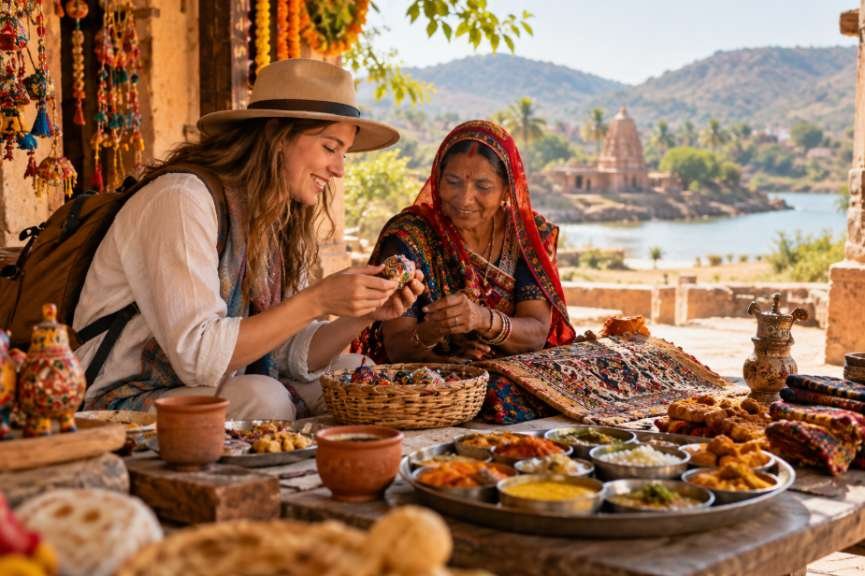
Culture is often easiest to understand through ordinary things. A regional meal reflects what grows nearby and what families prepare for festivals. Handwoven textiles, bamboo objects, pottery, and woodwork carry knowledge about local materials and techniques. Their survival depends on people having reasons and opportunities to keep practicing these skills.
Planting, harvesting, monsoon rains, and religious observances can shape when communities gather and what they eat. Travelers interested in Japan’s lesser-known seasonal traditions and local festivals may recognize a similar connection between place, season, and cultural practice, even though the customs differ. Timing helps explain why a celebration happens when it does.
How to visit with respect
Check festival dates with local tourism offices or community hosts, since schedules can change. Dress appropriately for religious spaces, ask permission before photographing people, and never assume a ceremony is open to visitors. Listen when guides explain a custom instead of interrupting to record it.
Choose locally run stays and guides where practical, and pay fair prices for crafts rather than bargaining aggressively over work that takes days to complete. Some traditions are private or sacred. Respectful travel means observing from a distance, following instructions, or skipping an activity entirely.
The value of looking beyond the familiar
Traveling beyond the best-known cities changes what visitors notice. A field system, a mask in progress, a handloom, or a village gathering may seem modest beside a monument, yet each carries a record of adaptation and shared memory. These traditions are not frozen remnants of the past. Communities continue to teach them to younger generations and adapt them to changing economic and social realities.
The most rewarding approach is curiosity without entitlement. Go slowly, ask thoughtful questions, and let local people decide what they want to share. Often, that is where a place begins to feel less like a destination and more like a living community.
Frequently Asked Questions
1. What are some lesser-known cultural destinations in India?
Ziro Valley in Arunachal Pradesh, Majuli in Assam, and villages near Varanasi offer insight into farming, monastic arts, weaving, and local life.
2. When should I visit Majuli?
November is popular because of the Raas festival, but check dates and ferry conditions before traveling.
3. Can visitors attend local festivals?
Often, yes, but access varies. Confirm details with local organizers and follow rules about photography, dress, and participation.
4. How can travelers support traditional artisans?
Buy directly when possible, pay fair prices, ask about the process, and seek permission before photographing people or their work.