
I love food trips that explain a landscape, and oysters do that better than almost anything else. The best oyster trails on the East Coast connect working farms, seafood markets, raw bars, historic estuaries, and coastal communities where shellfish culture still shapes everyday life.
From Maine’s cold rivers to the salt marshes of the Carolinas, every stop reveals a different expression of Atlantic Coast oysters—and a different side of sustainable aquaculture.
Where Should You Start an East Coast Oyster Road Trip?
Maine: Damariscotta River Oysters and Ancient Shell History
Maine is my natural starting point because the Damariscotta River is one of the country’s best-known oyster-growing areas. Glidden Point Oyster Farms raises cold-water oysters with firm meat, bright brine, and a sweet finish, while Mook Sea Farm combines oyster cultivation with hatchery science and supplies seed to growers along much of the East Coast.
The wider Maine Oyster Trail makes it easy to combine farm shops, coastal restaurants, river experiences, and working-waterfront culture. Glidden Point operates a farm store, and the Damariscotta area is also home to the Whaleback Shell Midden, where ancient oyster-shell deposits left by Indigenous communities show that the region’s relationship with oysters stretches back roughly 2,500 years.
Is Connecticut’s Oyster Trail Worth the Stop?
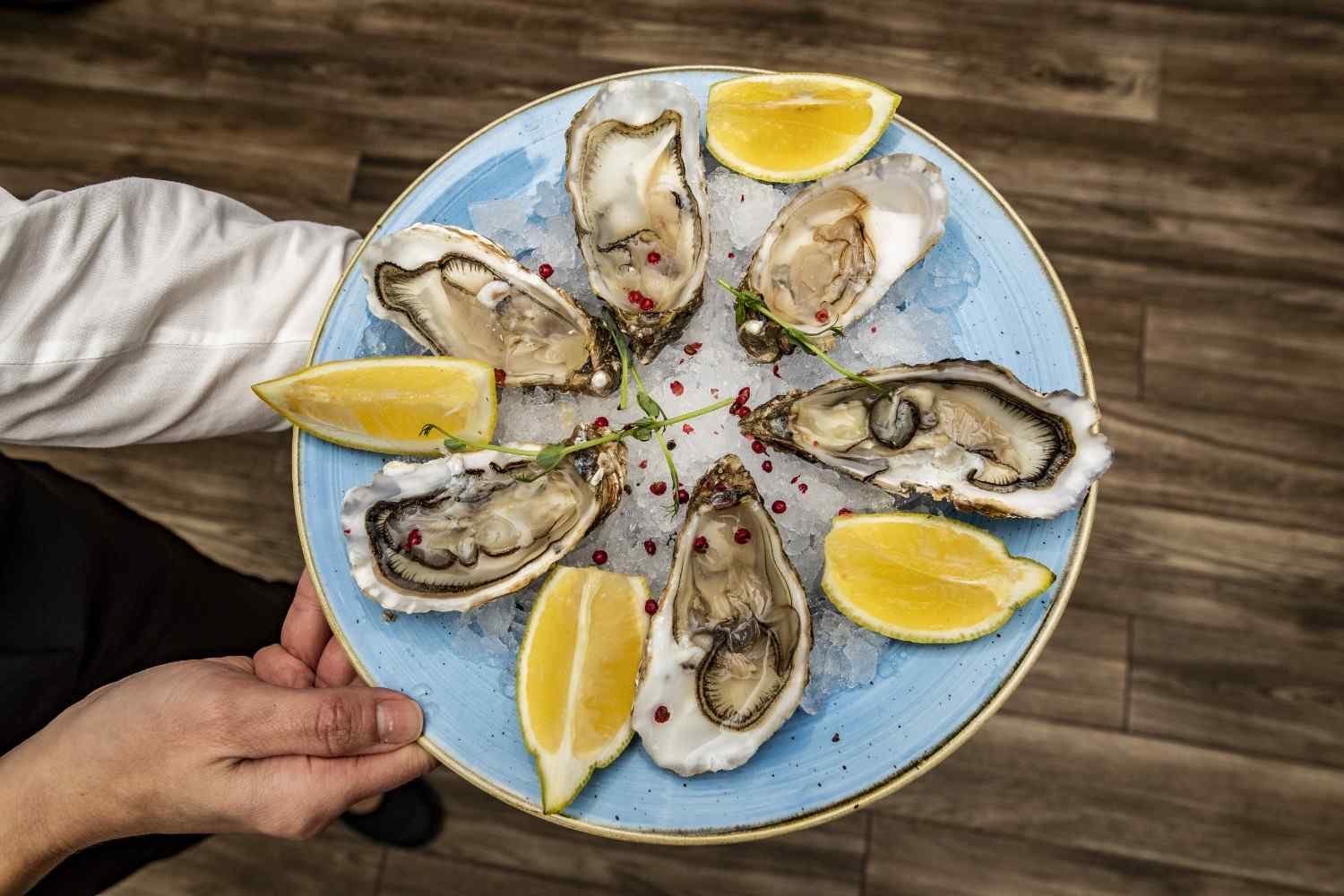
Absolutely. The official Connecticut Oyster Trail follows farms and businesses around Long Island Sound, blending modern aquaculture with generations of maritime tradition. Current stops include Mystic Oysters in Noank, Stratford Point Oysters in Bridgeport, and Niantic Bay Oysters in Niantic.
For travelers building a New England oyster road trip, Connecticut works especially well because farm stands, shellfish growers, markets, and shoreline towns are concentrated around the coast.
Why Does Virginia Stand Out for Oyster Travelers?
Virginia turns oyster tourism into a full coastal experience. The Virginia Oyster Trail links growers, restaurants, raw bars, breweries, cruises, and waterfront towns, while the state recognizes eight distinct oyster regions. Those flavors range from boldly briny Seaside oysters to sweeter, creamier western Chesapeake styles and lightly mineral Rappahannock oysters.
This regional variation reflects oyster “merroir,” the marine equivalent of terroir. Salinity, freshwater influence, tides, nutrients, and local growing conditions can noticeably change an oyster’s flavor.
For a particularly immersive experience, Pleasure House Oysters in Virginia Beach has offered a Chef’s Table tour with an in-water dining table in the Lynnhaven River. Virginia oyster itineraries also pair local shellfish with craft beer, wine, waterfront restaurants, and Chesapeake Bay outings.
What Makes the North Carolina Oyster Trail Different?
North Carolina places strong emphasis on mariculture, education, and sustainable coastal tourism. The NC Oyster Trail connects working shellfish farms, restaurants, seafood markets, and tour operators, with more than a dozen opportunities to see how oysters are raised.
Visitors can join boat-based farm tours, learn about oyster life cycles and shell recycling, and taste shellfish close to where they grew.
The trail also celebrates a “homegrown oyster rainbow” of salty, sweet, and buttery flavor profiles. Farmed oysters are available year-round in North Carolina, making the state especially useful for travelers planning an oyster-focused vacation outside the traditional fall season.
Which Historic Coastal Trails Add More Than Food?
Some of the most interesting oyster stops are walks rather than restaurants.
At Crowes Pasture Conservation Area in East Dennis, Massachusetts, beach access leads toward Cape Cod Bay tidal flats where commercial oyster farming has taken place. At low tide, visitors can see parts of the working aquaculture landscape associated with the area’s oyster industry.
On Virginia’s Eastern Shore, the Oyster Village Horse Island Trail near Oyster, Virginia, follows a roughly 0.7-mile one-way route. Its shell-covered path runs beside salt marsh and coastal water, offering a quieter look at Eastern Shore maritime scenery.
Farther south, the Sewee Shell Ring Interpretive Trail near Awendaw, South Carolina, leads to a prehistoric oyster-shell ring dating back about 4,000 years. It is a striking reminder that oyster harvesting along the Atlantic coast predates today’s farms, restaurants, and raw bars by millennia.
How Do Oyster Flavors Change From Maine to the Carolinas?
Following oyster trails on the east coast makes merroir easy to taste. Maine oysters can deliver pronounced brine and firm texture, while oysters from Chesapeake waters change noticeably depending on the balance of saltwater and freshwater. Farther south, North Carolina oysters can range from salty to buttery and naturally sweet.
That variety is why I prefer comparing growing waters instead of searching for one supposedly perfect oyster. Each estuary produces its own personality.
When Is the Best Time to Plan an Oyster Trail Trip?
Fall is especially appealing because coastal temperatures become comfortable and oyster festivals and seafood events often appear on regional calendars. However, modern shellfish aquaculture means farm-raised oysters can now be available throughout much or all of the year.
Farm tours, cruises, and outdoor experiences may still depend on tides, weather, harvest schedules, and seasonal operations. I recommend confirming hours and reservations directly with farms before building an itinerary around one specific stop.
For trip length, I would combine Maine and Connecticut for a New England route, focus on Virginia and the Chesapeake for a Mid-Atlantic getaway, or pair Virginia and North Carolina for a longer southern journey. That last option also works especially well for travelers planning southern food road trips built around regional seafood, barbecue, and historic food traditions.
Travelers with ten days or more can connect oyster trails on the East Coast into a larger culinary road trip through working waterfronts, oyster farms, coastal shacks, shell middens, and seafood towns.
FAQs About East Coast Oyster Trails
1. Can You Visit Working Oyster Farms?
Yes. Maine, Virginia, and North Carolina offer several farm-based oyster experiences. Some require reservations, while others focus on farm stores, scheduled tours, tastings, or boat excursions.
2. What Is Oyster Merroir?
Merroir describes how local water conditions influence an oyster’s flavor. Salinity, temperature, tides, nutrients, and freshwater input can all affect taste, texture, and finish.
3. Are Oyster Trails Worth Visiting If I Do Not Eat Raw Oysters?
Absolutely. Many destinations serve grilled, roasted, baked, or fried oysters. These routes also include maritime history, boat trips, coastal walks, shellfish farms, nature sites, and waterfront communities.
Final Thoughts
What makes this journey memorable is the way food, geography, history, and conservation overlap. I can start beside Maine’s Damariscotta River, follow Long Island Sound growers through Connecticut, taste my way across Virginia’s eight oyster regions, learn about modern mariculture in North Carolina, and still make room for archaeological shell sites in Maine and South Carolina.
That combination turns an oyster road trip into much more than a seafood crawl. Every estuary adds a different flavor, and every stop reveals another chapter of America’s Atlantic coastal story.