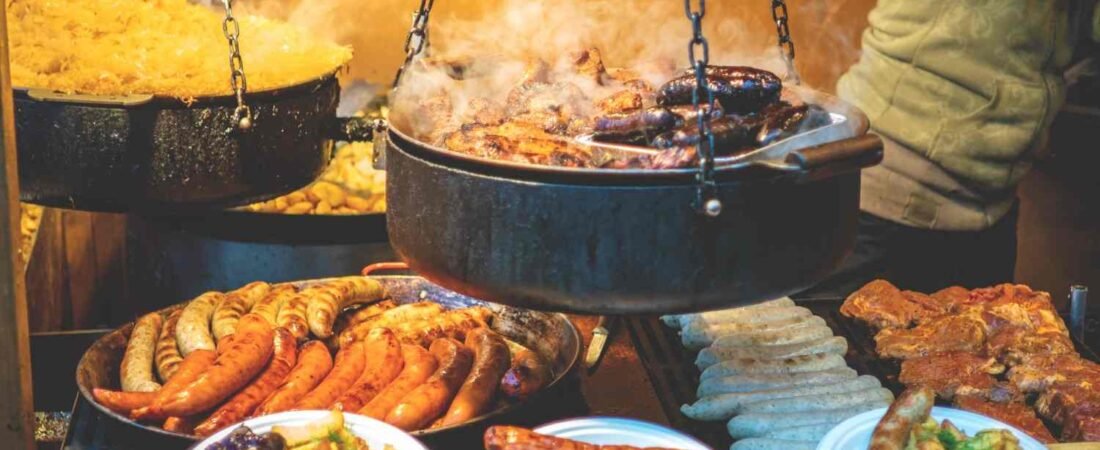
South Carolina rewards travelers who eat beyond the obvious Southern classics. For me, the most memorable local foods to try in South Carolina are the ones tied to a place: shrimp and grits in Charleston, chicken bog in the Pee Dee, mustard barbecue in the Midlands, and boiled peanuts from a roadside stand.
The state’s food story is especially rich in the Lowcountry, where Gullah Geechee traditions, coastal seafood, Carolina Gold rice, benne, okra, and peanuts helped shape a distinctive cuisine.
What Food Is South Carolina Best Known For?
Shrimp and Grits
Shrimp and grits may be South Carolina’s best-known plate. What began as a practical coastal meal evolved into a restaurant staple built around local shrimp and creamy, stone-ground grits. Modern versions often add bacon or andouille sausage, peppers, scallions, and savory sauce. In Charleston, Poogan’s Porch remains a recognizable place to order it and continues to feature shrimp and grits.
She-Crab Soup
She-crab soup sits between a bisque and a chowder: rich, creamy, crab-forward, and traditionally finished with sherry. Crab roe was historically part of the dish, although modern recipes vary. Charleston is the natural place to seek it out, and 82 Queen currently lists its award-winning version on the menu.
Frogmore Stew, or Lowcountry Boil
Despite the name, Frogmore stew contains no frogs. This communal Lowcountry favorite combines shrimp, smoked sausage, corn, and potatoes with bold seasoning. It is associated with the Frogmore area of St. Helena Island and is often served family-style. Bowens Island Restaurant near Charleston is a well-known coastal stop for rustic seafood.
Which South Carolina Foods Go Beyond Charleston?
Chicken Bog
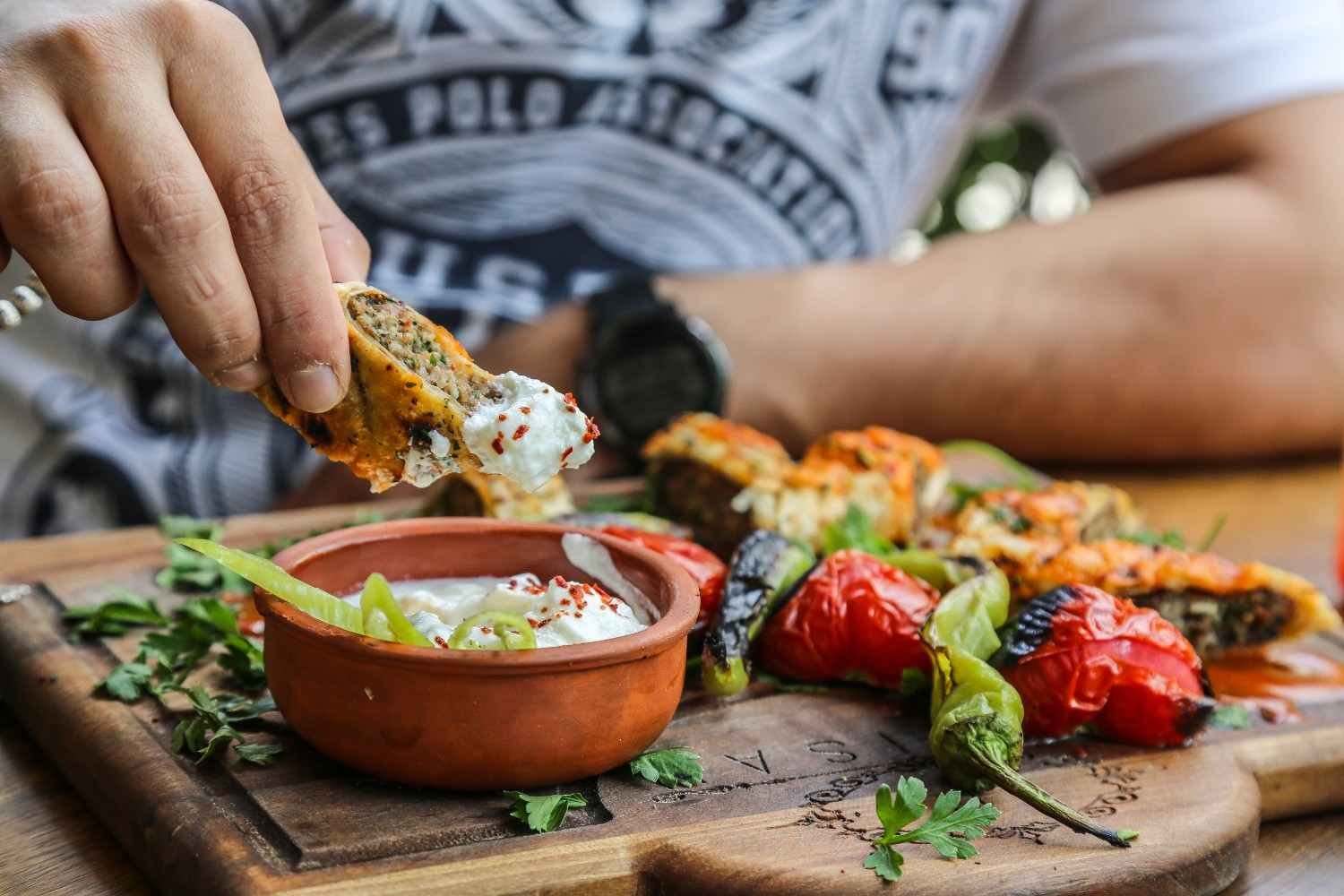
Chicken bog deserves more national attention. Popular in the Pee Dee and Grand Strand, it combines chicken, smoked sausage, rice, and seasoning in a moist one-pot dish. The annual Loris Bog-Off Festival celebrates the tradition and gives fall travelers a chance to experience one of South Carolina’s most distinctive regional meals.
South Carolina Barbecue, Hash, and Carolina Gold Sauce
Barbecue changes as you cross South Carolina. The state is especially known for yellow mustard-based Carolina Gold sauce, while other areas favor vinegar- or tomato-influenced styles. Barbecue hash also matters: this slow-cooked meat preparation is traditionally served over rice.
Ordering pork with hash and rice gives you a fuller picture of South Carolina barbecue than pulled pork alone. Food & Wine also identifies barbecue hash and mustard-based sauce among foods tied closely to the state’s culinary traditions.
What Lowcountry Foods Reflect Gullah Geechee Heritage?
Carolina Gold Rice, Gullah Red Rice, and Hoppin’ John
Rice is central to Lowcountry food history. Carolina Gold became a defining crop, and the knowledge and labor of enslaved Africans were fundamental to South Carolina’s historic rice economy.
That legacy survives in Gullah red rice, often cooked with tomatoes, aromatics, and smoked meat, and Hoppin’ John, a combination of rice and field peas or black-eyed peas traditionally eaten around New Year’s Day. Gullah Geechee foodways also helped establish ingredients such as benne, peanuts, and okra as enduring parts of the regional table.
For travelers interested in the deeper story behind local foods to try in South Carolina, these rice dishes matter as much as the famous seafood plates. They connect today’s menus to Gullah Geechee foodways and Lowcountry agricultural history.
Which South Carolina Snacks and Sides Should You Try?
Boiled Peanuts
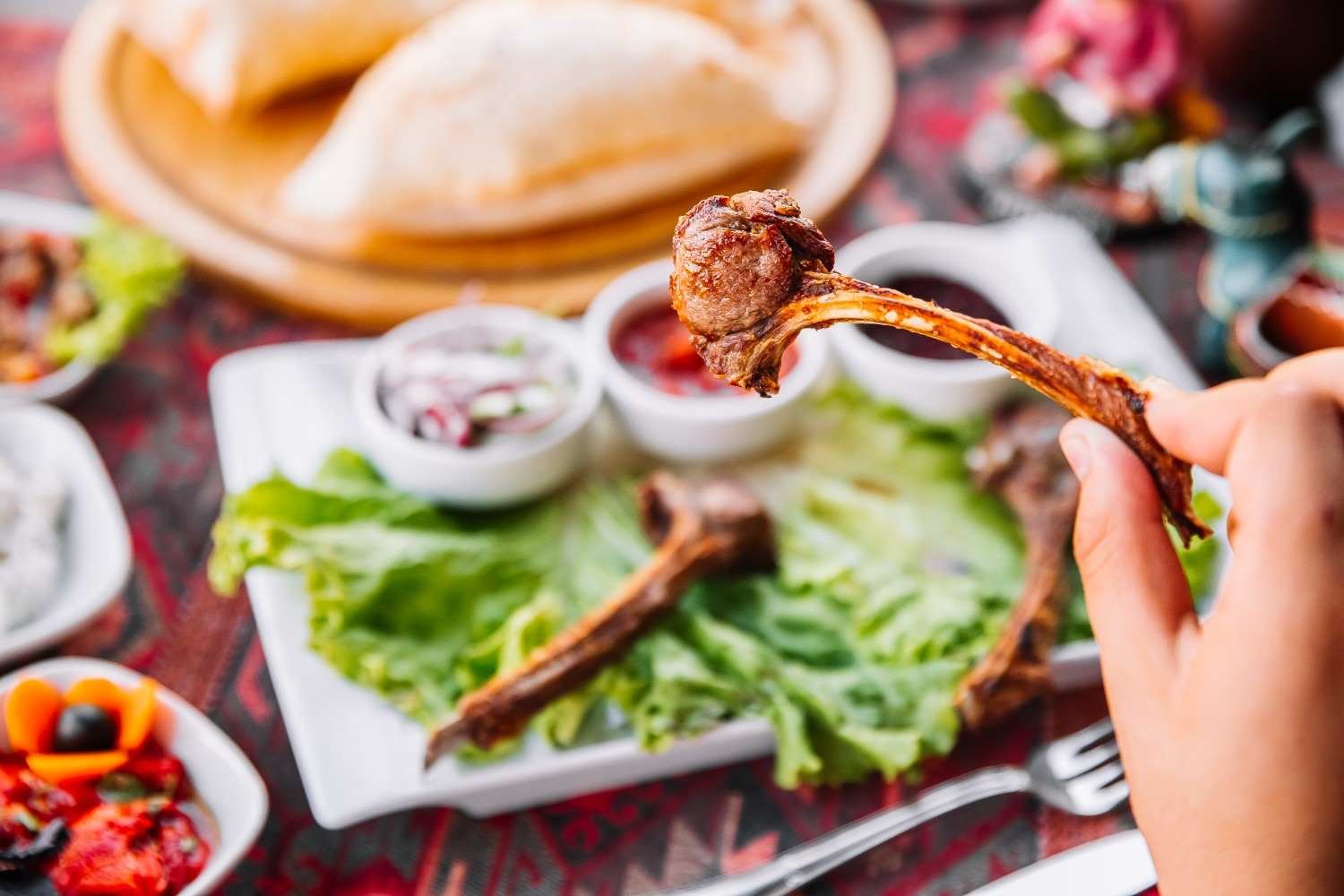
South Carolina designated boiled peanuts as the official state snack. Green peanuts simmer in salted water until they become soft and briny, and Cajun-seasoned versions are also common.
Four Oaks Farm in Lexington is associated with the snack, but I would still choose a warm cup from a roadside stand when the opportunity appears. There is something especially South Carolinian about cracking open salty boiled peanuts during a road trip rather than eating them from a formal restaurant plate.
Pimento Cheese
Pimento cheese blends cheddar, mayonnaise, and pimento peppers into a creamy spread served on crackers, sandwiches, biscuits, burgers, and appetizers. South Carolinians have embraced it so thoroughly that it regularly appears on restaurant menus in everything from appetizers to sandwiches.
Duke’s Mayonnaise has South Carolina roots, while Palmetto Cheese traces its story to Pawleys Island. House-made versions are worth trying because texture, sharpness, and heat vary widely.
What Desserts and Drinks Feel Especially South Carolinian?
Benne Wafers and Huguenot Torte
Benne wafers are crisp sesame cookies closely linked to Charleston and the Lowcountry. Benne, an older term for sesame, reflects West African influence on regional cooking.
Huguenot torte is another Charleston specialty. Despite the name, it is closer to a baked apple-and-pecan dessert than a European-style torte, with a crisp exterior and softer fruit-filled center. It is one of the lesser-known desserts worth seeking out if you want something more regional than a standard Southern pie.
South Carolina Peaches and Sweet Tea
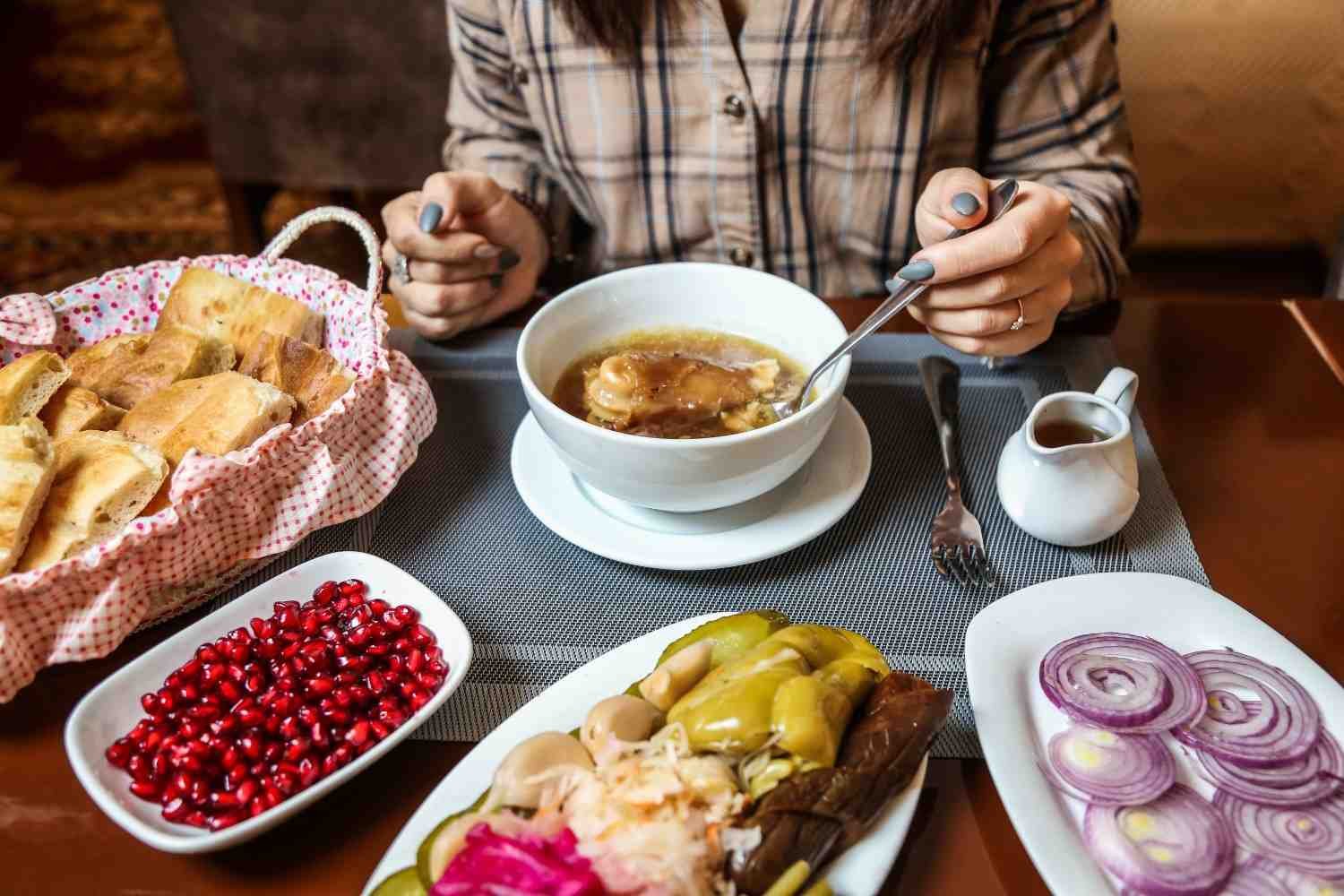
Do not overlook South Carolina peaches. In season, they appear at farm stands, farmers’ markets, cobblers, pies, and restaurant desserts throughout the state. They also make an easy seasonal addition to southern food road trips focused on regional specialties and local food traditions.
Pair peach cobbler with sweet tea, brewed strong, chilled over ice, and sweetened while hot. Sweet tea may be found across the South, but it remains deeply embedded in South Carolina dining culture.
FAQs About South Carolina Food
1. What Is the Most Famous Food in South Carolina?
Shrimp and grits is probably the state’s most recognizable dish nationally, especially because of its connection to Charleston and Lowcountry cuisine. She-crab soup, chicken bog, mustard barbecue, and Lowcountry boil are also strongly associated with South Carolina.
2. What Food Should I Try in Charleston?
Start with shrimp and grits, she-crab soup, Gullah red rice, Carolina Gold rice dishes, oysters, benne wafers, and Huguenot torte. These foods provide a much stronger sense of Charleston’s culinary identity than generic Southern dishes alone.
3. What Makes South Carolina Barbecue Different?
South Carolina is especially known for mustard-based Carolina Gold sauce, but the state also has vinegar- and tomato-influenced regional styles. Hash served over rice is another traditional part of many barbecue meals.
4. Are Boiled Peanuts Really a South Carolina Food?
Yes. Boiled peanuts have deep roots in Southern food culture and are officially recognized as South Carolina’s state snack. Their soft, salty texture makes them completely different from roasted peanuts.
Where Should You Eat Around South Carolina?
Charleston and the Lowcountry are ideal for shrimp and grits, she-crab soup, oysters, Gullah red rice, benne wafers, and seafood-and-rice dishes. The Pee Dee and Grand Strand are where chicken bog makes the most regional sense. Columbia and the Midlands are especially useful for mustard barbecue and hash over rice, while the Upstate adds its own mix of Southern comfort food and modern Carolina cooking.
When I narrow down local foods to try in South Carolina, I look for dishes that tell me where I am. Chicken bog says something different from she-crab soup, and mustard barbecue tells a different story from a Lowcountry rice dish. That regional variety is what makes eating through South Carolina so rewarding.