
I find that travel planning becomes stressful when every saved photograph turns into another destination on the itinerary. A temple, beach, night market, and mountain town can quickly become four countries squeezed into one vacation. When I think about how to plan your first trip to asia, I start with three boundaries: available days, total spending, and the experience that matters most.
A manageable first journey begins with choosing a destination, checking its seasonal conditions and entry requirements, building a realistic route, and booking around that route. Smaller details become easier once those decisions are settled.
Start With Your Time and Travel Style
Count usable vacation days rather than simply counting dates between flights. Overnight journeys, airport transfers, and recovery after a long flight can reduce sightseeing time.
Next, choose your main interest. Food, temples, beaches, hiking, shopping, and contemporary cities require different routes. Pick two priorities instead of expecting one itinerary to include everything.
For a first visit, I would generally plan one country with two or three bases. This leaves room for discovering places rather than constantly checking out of hotels.
Choose a Destination That Fits Your Priorities

Compare Convenience, Cost, and Experiences
Japan can suit travelers interested in rail journeys, cities, and cultural attractions. Thailand combines food, temples, and beach options. Vietnam offers varied landscapes and regional food experiences, while Singapore suits a shorter urban visit.
South Korea works for city exploration and cultural attractions. Indonesia appeals to island travelers, but island transfers deserve careful attention.
These are starting points, not universal rankings. Compare accommodation prices, transport connections, language support, and your comfort with unfamiliar surroundings before deciding.
Check the Season Before Choosing the Route
Asia has no single ideal travel season. Conditions differ between countries and between regions within the same country.
Check typical rainfall, temperatures, daylight, and major holidays for each intended stop. A cheaper hotel can lose its appeal if rough conditions disrupt the activity you traveled for.
Build alternatives into weather-sensitive days, especially when planning boats, beaches, or mountain excursions.
Set a Budget That Covers the Whole Journey
Begin with your maximum comfortable spending as you plan your first trip to Asia. Separate international flights from accommodation, meals, local transport, activities, insurance, and entry-related expenses so you can see how much each part of your journey will cost.
As you choose which Asian countries to visit, include baggage charges, airport transfers, mobile data, laundry, and banking fees in your budget. Keep a contingency amount for unexpected changes.
For illustration, a daily allowance of $100 over ten days creates a $1,000 spending budget before international flights and other excluded costs. This is planning arithmetic, not a destination price estimate. Replace it with current quotes for your route.
Decide where you want to spend more. A comfortable hotel near transport might matter more than several expensive tours.
Check Entry Requirements Before Committing Money
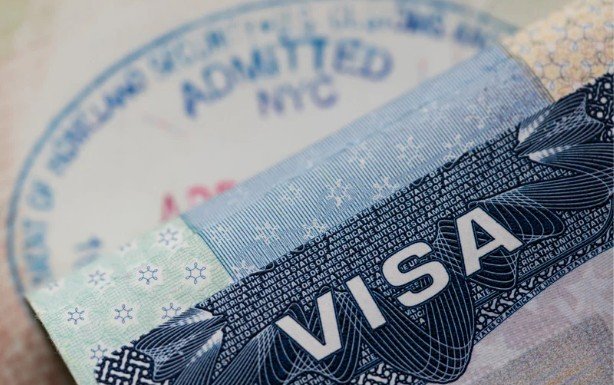
Confirm passport validity requirements, visas, arrival forms, permitted stay, and any onward-travel documentation for your nationality.
Check transit requirements too, particularly when changing airports or collecting baggage during a connection. Do not assume that another traveler’s experience applies to your passport.
Verify requirements through official destination channels before nonrefundable purchases. Keep secure digital copies of important documents and an accessible offline copy of your accommodation details.
Build a Route With Fewer Transfers
The practical answer to how to plan your first trip to asia is often to remove a stop rather than add one.
Group destinations geographically and calculate the complete transfer: hotel departure, station or airport access, waiting, the journey, and arrival at your next hotel.
A ten-night outline might include four nights in an arrival city, four in a contrasting destination, and two near your departure point. Adjust this around actual connections.
Plan one main activity each day, then add nearby options. Leave space for meals, rest, and unexpected discoveries.
Book in an Order That Protects Your Plan
Secure the Reservations That Shape Your Dates
After confirming entry feasibility and comparing total costs, coordinate flights with accommodation availability. Check whether arriving in one city and departing from another reduces backtracking.
Reserve scarce accommodation, essential intercity journeys, and genuinely time-sensitive attractions next. Read cancellation terms carefully.
Choose Location Before Hotel Extras
Check the hotel’s actual journey to useful transport and attractions. An inexpensive room far from your route can increase both spending and fatigue.
Confirm reception arrangements for late arrivals. Keep flexible activities unbooked where practical.
Prepare for Health, Money, and Communication

Seek destination-specific health advice before departure and check restrictions affecting prescription medicines. Choose insurance that covers your planned activities and understand its exclusions.
Carry more than one payment method and keep backups separately. Check card fees and local cash needs.
Compare mobile data options, confirm phone compatibility, and download offline maps. Save essential addresses and learn basic greetings and polite phrases.
Pack for Your Route and First Day
Choose luggage you can manage independently. Pack comfortable footwear, weather-appropriate clothing, and suitable outfits for religious sites. Check baggage allowances and electrical compatibility.
Research local etiquette by destination rather than treating Asia as one culture.
Before departure, save your airport-to-hotel route. Make the first day gentle: reach your accommodation, eat, orient yourself, and rest before tackling ambitious plans.
Frequently Asked Questions
1. How to plan your first trip to Asia without feeling overwhelmed?
Start with your available days, budget, and main interests. Choose one country, limit hotel changes, and organize flights, entry requirements, and accommodation before planning individual activities.
2. Which Asian country should I visit first?
Choose according to your interests and comfort level. Japan suits rail journeys and cultural attractions, Thailand offers temples and beaches, and Singapore works well for a shorter city trip.
3. How many days should I spend on my first Asia trip?
Ten to fourteen days provides a practical starting point for exploring one country at a comfortable pace. Include international travel and transfer time when calculating your sightseeing days.
4. Should I book everything before traveling?
Book flights, accommodation, essential transport, and popular attractions that require reservations. Leave some activities flexible so you can adjust for weather, energy levels, and unexpected discoveries.
Start With a Journey You Can Enjoy
I would rather return with vivid memories of a few places than blurred memories of many transfers. A clear budget, realistic route, and prepared arrival give me confidence without scripting every hour. Once those foundations are ready, I leave room for the experiences that make travel feel personal.