
A hotel bathroom photograph would tell me more than a hundred promises of a comfortable stay. When thinking about how to plan an accessible trip to Asia, I would start with those everyday details: entering the room, using the shower, and reaching dinner comfortably.
Temples, markets, and scenic train journeys would follow. My goal would be a trip built around my actual requirements, with enough verified information to make confident decisions before paying.
Define What Accessibility Means for You
Start by describing the facilities and support you require. Wheelchair users may need step-free entrances, suitable turning space, and specific bathroom layouts. Other travelers may prioritize visual announcements, audio information, quieter environments, or frequent seating.
Write a short access profile to share with hotels, airlines, and transport providers. Include equipment dimensions, transfer requirements, walking limits, and communication preferences where relevant.
Distinguish essential arrangements from preferences. A missing shower seat might prevent a stay, while a longer restaurant journey could remain manageable with suitable transport.
Choose Destinations Through Practical Research

Compare destinations using the services your journey requires. Research airport transfers, suitable accommodation, public transport, accessible toilets, and attractions before committing to a route.
Singapore, Tokyo, Taipei, and Seoul are potential starting points for research. However, a city’s reputation does not confirm that every neighborhood, station exit, or hotel suits your needs.
Read recent accounts from travelers with similar requirements. Look for photographs, route descriptions, and explanations of barriers. A manual wheelchair user’s experience may differ considerably from that of someone using a larger powered chair.
For your first journey, consider fewer accommodation changes. Staying longer in one base reduces repeated transfers and room checks.
Arrange Flights and Airport Assistance Early
Contact the operating airline before booking when equipment or assistance requirements could affect your journey. Explain whether you need help through the terminal, boarding assistance, or support reaching your seat.
For powered mobility equipment, provide the model, dimensions, weight, and battery specifications. Ask the airline to confirm its current carriage requirements and handling process.
Choose connections that leave realistic time for assistance and equipment return. Confirm arrangements at departure, connecting, and arrival airports.
Keep written confirmations accessible offline. Photograph your equipment before handing it over and attach clear handling instructions, including how staff should move it safely.
Verify Your Hotel Beyond Its Accessibility Label
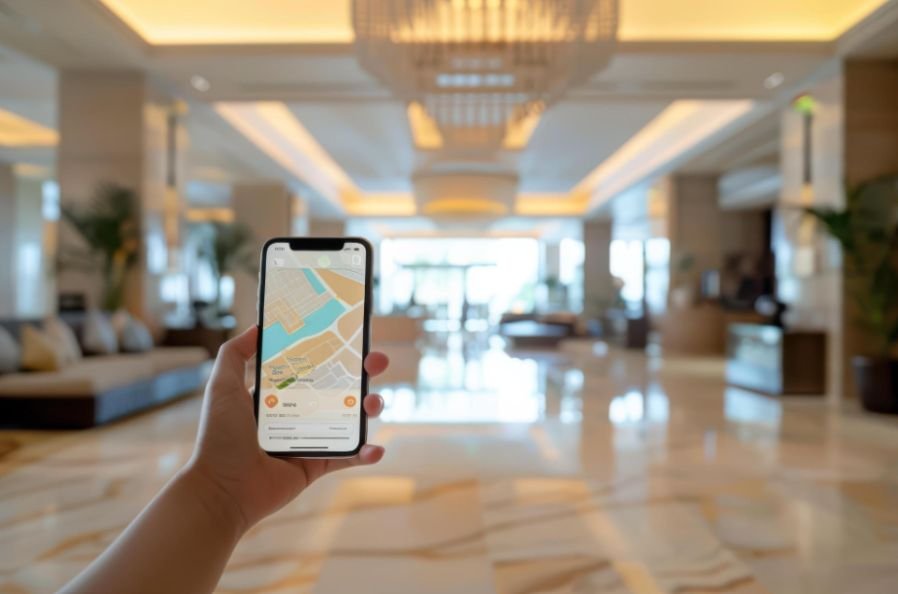
An “accessible room” description does not explain whether the room works for you. Contact the property directly and ask about the exact room category available for your dates.
Check the Bedroom and Bathroom
Request clear photographs and relevant measurements. Ask about doorway clearance, bed height, space beside the bed, toilet transfer space, shower access, grab bars, and suitable seating.
If you require a hoist, confirm clearance beneath the bed and equipment availability. Establish whether promised equipment will be reserved.
Check the Complete Hotel Route
Confirm access from the vehicle drop-off point to reception, the elevator, and your room. Ask whether breakfast areas, restaurants, and other essential facilities share a step-free route.
Request written confirmation that your required room features are guaranteed, and check cancellation terms before paying.
Plan Every Transport Connection
Check the journey between services. An accessible train provides limited reassurance if the station exit leads to stairs or an unsuitable pavement.
For private transfers, ask whether the vehicle accommodates your equipment and whether you can remain seated in your wheelchair. Confirm boarding arrangements, capacity, securement, luggage space, and pickup instructions.
If you prefer to rely on public transport and private transfers rather than driving, this guide on how to plan an Asia trip without renting a car can help you consider your transportation options before finalizing the itinerary.
When considering trains, identify suitable station entrances and exits. Ask about boarding assistance and any reservation requirements.
Save an alternative transfer provider. For ferries and boats, confirm the boarding method and onboard facilities individually.
Build Comfortable Days With Realistic Buffers
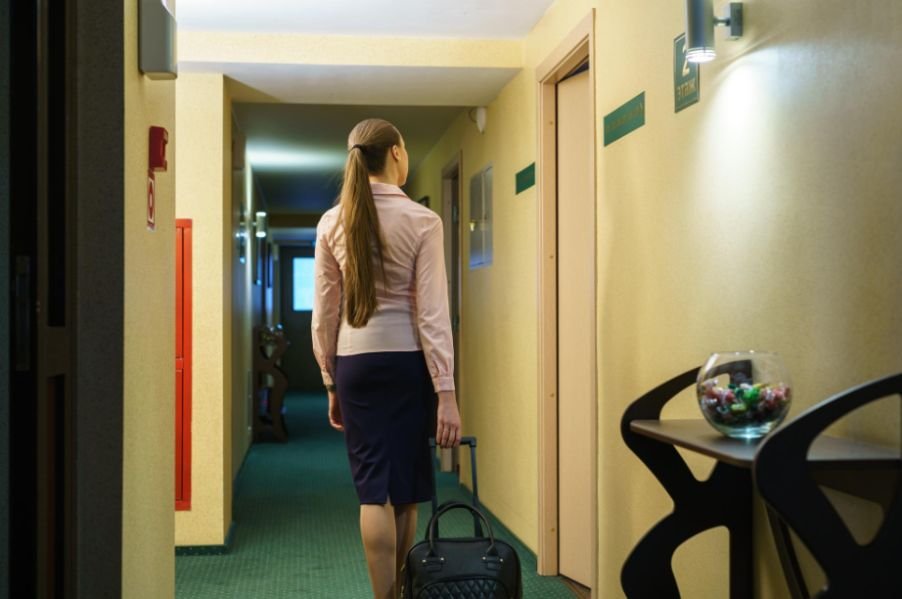
Group attractions by area and assess the route connecting them. Include suitable toilets, meal stops, seating, shade, and opportunities to return to your accommodation.
Check attraction entrances, internal routes, and access to the specific experience you want. An accessible reception area does not guarantee access throughout a historic site.
Consider sensory conditions, captions, audio descriptions, quiet spaces, and crowd levels where relevant.
Leave breathing room between activities. Heat, rain, queues, and assistance delays can extend journeys. Choose a nearby alternative for each essential outing.
Leave breathing room between activities. Heat, rain, queues, and assistance delays can extend journeys. For additional practical guidance on preparing for your first solo trip to Asia, consider planning arrival details, connectivity, backup money, and other essentials before departure. Choose a nearby alternative for each essential outing.
Prepare Equipment and Communication Backups
Check charging compatibility and pack essential equipment instructions. Identify repair contacts or rental options where available.
Create translated messages explaining your access requirements and preferred assistance. Download maps, booking confirmations, and provider contacts.
Create translated messages explaining your access requirements and preferred assistance. If your itinerary includes multiple countries, learn how to choose a travel eSIM for multiple Asian countries before departure. Download maps, booking confirmations, and provider contacts so essential information remains accessible offline.
Review insurance terms for equipment and relevant support. Reconfirm essential arrangements shortly before departure.
Frequently Asked Questions
1. What comes first when learning how to plan an accessible trip to asia?
Define your essential access requirements before choosing destinations. Use that profile to verify accommodation, transfers, flights, and activities.
2. Can I organize the journey independently?
Yes, depending on your requirements and available services. Specialist support may help when transport or equipment arrangements are difficult to verify.
3. How can I check a hotel’s accessibility?
Request current photographs, relevant measurements, and written confirmation for the exact room. Check shared facilities and entrance routes too.
4. Should I book every activity beforehand?
Reserve essential assistance and limited-capacity services early. Keep flexible activities available for days when weather, energy, or access conditions change.
My Final Take
I would consider the trip ready when its essential arrangements had clear answers and workable backups. Before leaving, I would reconfirm my room, transfers, and assistance so I could arrive feeling prepared.
I would also leave room in my itinerary to rest, adjust my pace, or change plans when needed.
That preparation would give me more freedom to enjoy unfamiliar places and choose experiences with confidence. With the practical details covered, I could spend more time enjoying the journey.