
A hotel can look perfect until you discover that reaching it requires three transfers and a steep walk with your suitcase. That is why I would start with connections rather than accommodation when deciding to plan an asia trip without renting a car.
Trains, buses, ferries, and occasional taxis can make the journey manageable, but only when the route fits together. The goal is to spend more time exploring and less time solving transport problems after arrival.
Choose Destinations Around Transport Access
Asia has no single transport system. A city with extensive rail connections offers a different experience from an island where attractions sit far apart.
Start by choosing one country or a compact regional route. Look at your intended attractions, then check whether public transport reaches them conveniently. A destination may have excellent intercity connections but limited options once you arrive.
Tokyo, Singapore, and Hong Kong offer useful examples of urban trips built around public transport. However, assess each neighborhood and excursion separately instead of assuming every attraction is equally accessible.
Build a Route With Fewer Bases

Changing hotels every night creates repeated packing, station transfers, and check-in delays. For a shorter vacation, choose a few bases and explore nearby places through day trips.
Arrange stops in a logical direction. Before adding another destination, calculate the time required to leave your accommodation, reach the departure point, travel, and find your next hotel.
A short journey can consume half a day once those steps are included. Leave your arrival afternoon lightly scheduled so a delay does not disrupt several reservations.
Choose Hotels Near Useful Connections
“Near public transport” tells you little unless the nearby service connects with places you actually want to visit. Check the walking route between the accommodation and station entrance. Consider stairs, road crossings, hills, sidewalks, and how comfortable that walk will feel with luggage.
Read recent reviews for comments about access and noise. Ask the property about late check-in and luggage storage. A slightly more expensive room near a useful connection may offer better overall value than cheaper accommodation requiring daily transfers.
Compare Transport From Door to Door
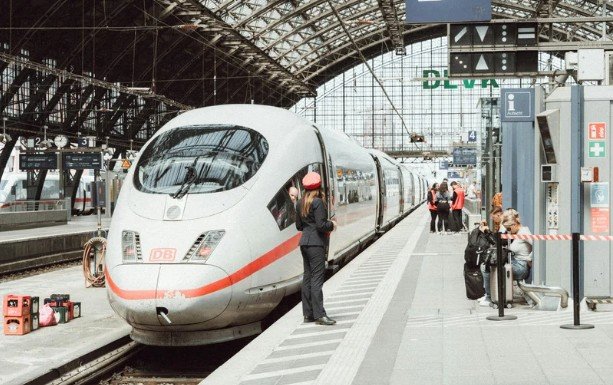
To plan an asia trip without renting a car, compare the complete journey rather than the advertised ticket price or travel time.
Trains for Connected Routes
Trains can suit journeys between destinations with convenient stations. Check the departure station, seat reservation requirements, luggage arrangements, and onward transport. For overnight travel, consider whether you will actually sleep comfortably. A saved hotel night offers limited value if exhaustion ruins the following day.
Buses for Places Beyond Rail
Buses can fill gaps where rail does not reach your destination. Confirm the exact boarding and arrival points because terminals may sit outside sightseeing areas. Check luggage limits and cancellation conditions before paying. For winding roads, consider your tolerance for motion sickness.
Ferries for Island Connections
Plan the whole chain: hotel to pier, ferry crossing, and arrival pier to accommodation. Check whether a combined ticket includes every transfer. Weather can interrupt boat services. Avoid scheduling an essential international departure immediately after an island crossing.
Flights for Longer Distances
A flight may save time on a long journey, but compare airport transfers, check-in, baggage charges, and arrival arrangements. When you choose accommodation near public transport in Asia, check whether services will still be running when you land. An inexpensive late-night fare can become costly if public transport has stopped and your hotel requires a private transfer.
Handle Local Travel and Remote Excursions

Skipping a rental does not mean avoiding every car journey. An occasional licensed taxi, hotel shuttle, or guided excursion can bridge a transport gap.
For countryside attractions, confirm both the outward journey and the return. Reaching a trailhead is only half the plan.
Group daily sightseeing by neighborhood to reduce unnecessary transfers. Leave room for heat, rain, meals, and rest, especially when walking forms a large part of your itinerary.
Book Key Journeys and Keep a Backup
Reserve journeys that could determine whether the route works, particularly departures with limited alternatives. Confirm schedules and booking conditions through current operator information. Save tickets, accommodation addresses, and boarding locations offline. Carry a charged phone, a power bank, and locally usable payment options.
Pack luggage you can lift independently. Check accessibility arrangements if stairs or long walks are difficult. Keep enough flexibility and money for a replacement transfer or an extra night when a connection fails.
Frequently Asked Questions
Can I plan an Asia trip without renting a car on my first visit?
Yes. Choose a small number of connected destinations, research airport transfers, and stay near useful transit. A straightforward route usually requires less problem-solving than an itinerary covering many regions.
Do I need to buy a transport pass?
Only when it suits your journeys. Compare its price, coverage, validity, and reservation conditions with individual tickets. Convenience alone does not guarantee savings.
Can I visit rural attractions without driving?
Sometimes. Look for scheduled buses, shuttles, or organized excursions. Confirm the return service before leaving, particularly where departures are infrequent.
Make the Journey Part of the Experience
I would rather remove one awkward stop than spend a vacation chasing fragile connections. With practical hotel locations, manageable luggage, and realistic travel days, exploring without a rental can feel freeing. I would build the route around reliable journeys first, then leave space for discoveries along the way.