distributor = chafurnate, 9567227611, kingconix, 9193354047, 9202804671, piannabanana, 8773340460, tf79gg, 7372951758, skinsminkey, 18003594107, 7262167081, superdave112279, tickzel, ezy8140, 3129266906, 8703903171, 7272632096, 8323461895, auldtwork, instanetsol, 2019425209, 8885905962, 8436954265, 18444946060, mez56709146, 389039235, 8885847498, 9842631014, 9107564558, 18003887000, 5204672116, 5137076994, 3372055034, 4805503207, cymboxen, cannacbana, 4234273117, 4696063080, oxelotto, imagefañ, 9733483845, 2165620588, 4142076549, 9452185392, 2705139922, 7242732030, 7203725721, 2027688469, 6099782127, gracesandy08, 5716216254, 16463611389, 8882249645, 8572821800, 9047236300, 18552132382, chaturntae, 6062401130, 8323256456, 6627789116, 7027105520, 9787672641, 6163306246, 8633193801, 6317692145, 8332053164, 7063813435, 18002286855, mstina209, 5088944588, 8178065501, aznhkpm, 2042897313, 9783551609, 7866877020, 3368046099, 8177615469, 8002743932, 6317764262, 8333952329, 8669920307, 4033425c2, 3055062319, 3132933287, ilikeocmix, 8063753039, 6085094890, 4043691986, 9154404953, 7783316933, 18662552529, 2079223193, alitaxangelic, 4842283001, 6153223900, wagershack, 8338701889, 2092553045, wzggstats, 8442066155, 2028167451, 18008300286, mbm66698001, 8324817394, 9155445800, 6105255250, 8438832246, 19057716052, 4049960554, 8554062187, 4162978362, 9123426998, yorestudiomg, 8474268085, baceracted, 3234872622, troshilly, 7135666509, 8338950348, 8442211567, 18666201302, 1800076072, ửodle, 4049394970, 8163078906, mfznⅲ, 4089185125, 6198923514, 4808347546, 3850er3040c, 6102159968, 888.904.8461, globalzone53, 2153099122, 18009132411, 8443580642, 4805465503, 7657404036, 8436121015, 3462730012, 9854250920, 18336840593, wdf48650gsp, 611247392201, 8558562511, 6782015589, 904.207.2696, 8667866682, 6237776430, ezy3377, 18556148530, 8324262067, 5168821708, 6696225537, 5712268380, 9298103988, 9548893729, 4808416993, 4330564191, 2538442114, 4373403232, 9032057164, 2087193274, 8664872643, zawatinao, 18557905018, 8014123119, 7247650023, 9085048193, 6194641731, mypremierchart, ilorultcbs94r8v, 18779773879, 4808475341, 7059801767, lasrs.statres, boecsched, 4808472619, 8594295188, brazedotcom, 8566778008, 18005680344, 8642516223, 2766344760, 8178401646, 8664425030, 8045005635, 5013000112, 6144291561, caffine64, 5043993551, 8665110793, 5164655255, ezy6521, 8602936799, 18336902260, 18333110849, 7167454490, 3604835198, 7145099696, 8888570668, 8174963036, luxuryinteriorsorg, 6143332209, 8332420718, pippypipernpc, 9152554542, 18669516592, 9854414006, 7785895126, 7176786808, 18002228794, 2142831548, bitsylowhigh, 8669360316, recuburate, 4846353028, 5704918262, khanacademyorg, 18004684743, 7158988027, 18664487098, 3392109005, 6036638908, 5735344024, 7175316640, gabbysmol, drmaureenhamilton, 6047363925, meloplaycom, 8557199695, 8448440111, 8669503840, 8443765274, 18774014764, influencersgomewd, 8599631921, 2629487300, joyuicoltd, 4079466142, 2076077881, cherrybella808, 8037663919, 64.277.120.231, syromatch, oxolado, 36000522389, 8322347988, tulkotaks, allredismyteacher, 7203584046, brianchavez85, 18003921147, oplzlepredstavy, 5049497786, ezy2140, 7243139278, 2183167675, 8017375151, 8665301092, 8774315691, 8185875547, 8653815207, 6192467477, 8556833145, 2066918065, r6tradker, 481615428, 80720963038, 2678173729, 18002410172, 18007774001, freyarose77, clearskinstudy, mgp61942301, 5132972028, 18555959055, theflixee, 6313153145, nfl66ir, chsproviderdatavalidation, freakinthesleep, 5133221008, 7023597111, morancaresys, adultowrl, 5089486999, 5034367335, 7628001252, ezy3837, melinnderr13, 4184251145, 5173181159, sp11l87222, 7037770280, 9035930589, 8662284345, 18664188154, aselrod71, 18557876733, 18664613047, 4844522186, kiamfusa, 3606265636, integrityuc.webpay.md, 7784362314, 7783282169, 8662684346, 5597817242, 8007092893, 6156966912, bn6925167b, cktest9263, 18004726066, 9163883106, 3362525903, 18559694636, edwinalucypowe, 4057192096, 8558468376, 6133666485, badwolfemjay, 6615934042, 8446227085, 8663233462, 6157131410, 8475861480, 4256553258, 3054238938, myfoxatl, 18002386279, 8055851300, lizzybee1395, bill39nc, agamycapital, 4147718228, 6198330521, 9168975029, 9093759675, 18558382118, 7137999975, 9043641318, tdb2586, hollysafara21, 7048991392, 7252988333, 5152174532, 4014068198, 8705207565, 8008225626, 6087332770, 18004231000, 5044467788, 8122320564, 18006118472, 8337931057, 18.84x18.84, al2104197, dudelegence, 18009096467, 4084987586, 7146059251, 9133123219, 6316154582, 8772137258, mo1infiniteloo, 9592050377, 6024174900, 7047026509, 8302053160, 3658732800, 7634227200, 8448371861, dl329k1a, 3044434051, benefitboutiquedamen, 370036828, 5126715039, 2096890003, 8664482002, 5169865040, 18558437208, eliebaroud23, 5122540018, 76501165180, 8169559260, ezy8052, 2074303836, 2199474151, gen85898, 6309905600, 9452285426, 2512630572, 6036075559, 6098551244, bliķk, leeeanuvz, taylorbergman17, 18007920001, 2103010293, loŵes, 9377598636

Category: Culture & Traditions

  • Traditional Craftsmanship Experiences in Asia for Curious Cultural Travelers

    Traditional Craftsmanship Experiences in Asia for Curious Cultural Travelers

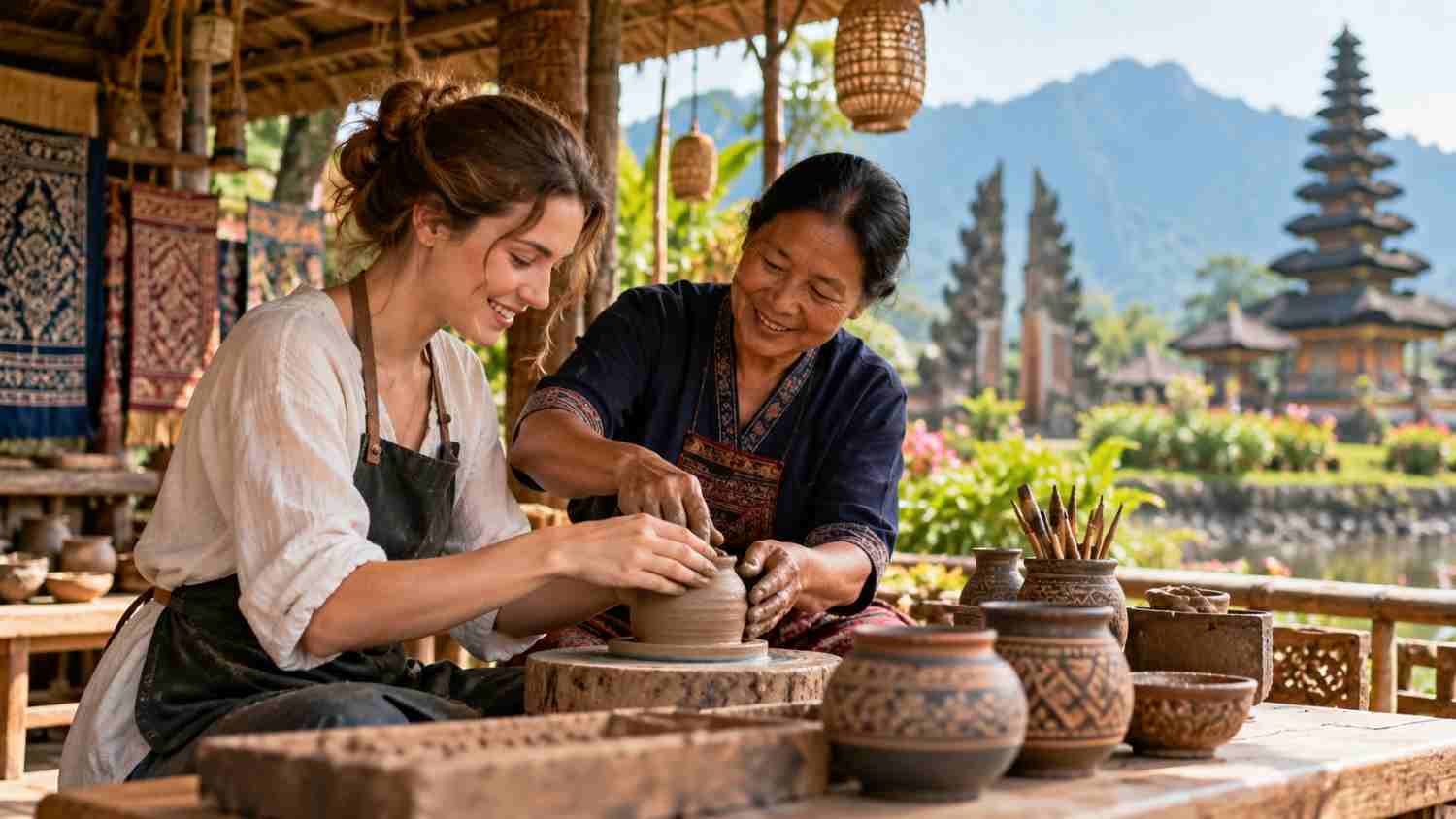
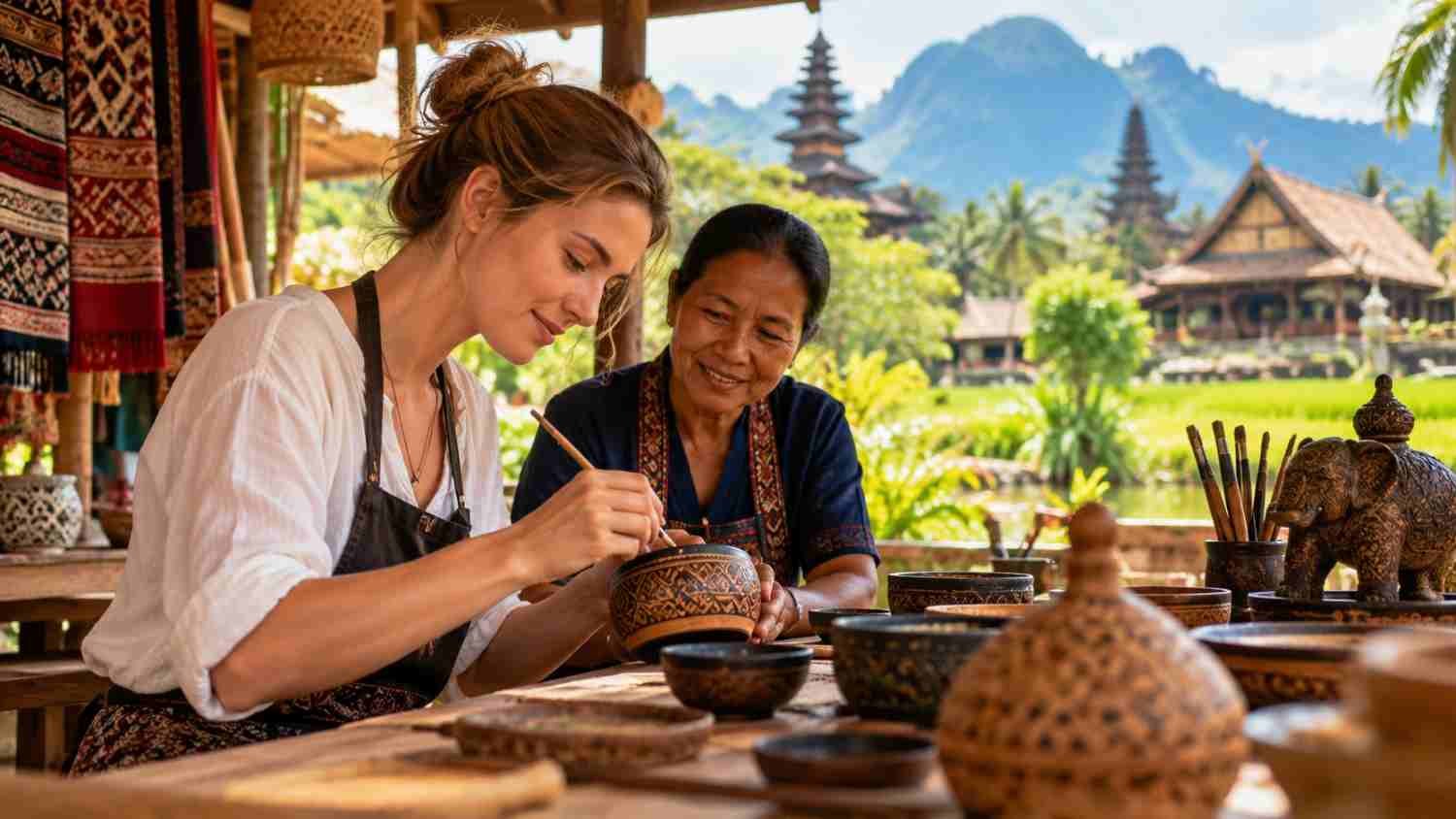
    I have always found that handmade objects feel different when I understand the work behind them. A silk pattern, silver ring, or paper lantern may look beautiful in a shop, but seeing the tools and careful movements that shape it gives the finished piece a story. That connection makes a craft experience more memorable than ordinary souvenir shopping.

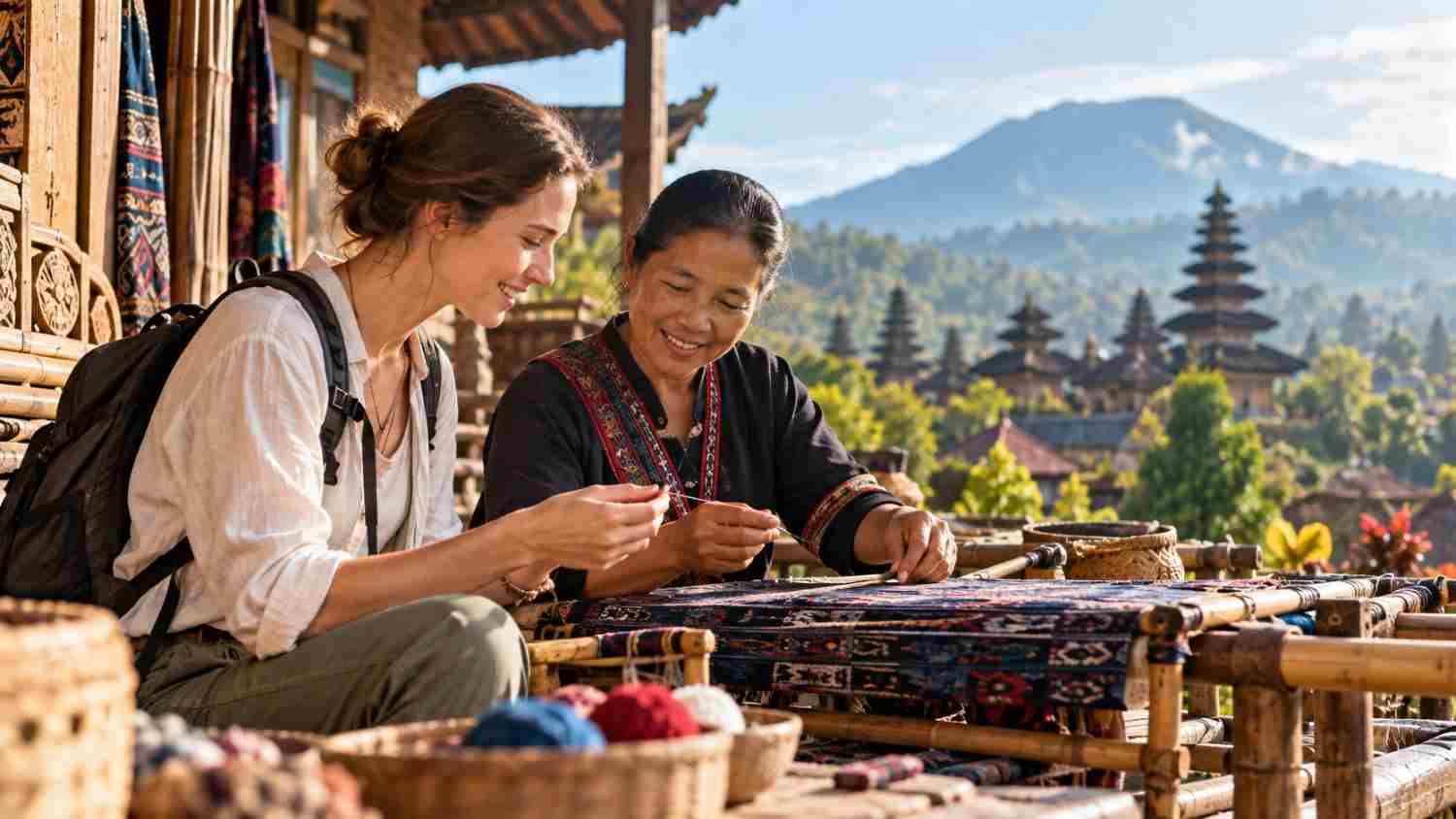
    When I look for cultural activities while traveling, I am drawn to places where people still practice skills learned from earlier generations. Sitting beside an artisan, trying a technique, and hearing why a pattern matters can reveal parts of daily life that a quick visit to a landmark may miss. Across Asia, these encounters offer a personal way to understand living heritage.

    Why Craft Experiences Offer a Deeper View of Asia

    Traditional craftsmanship can reflect local materials, climate, beliefs, trade, and family history. A textile motif may carry symbolic meaning, while a dye may come from plants found nearby. Learning how these choices developed helps travelers see craft as part of a community’s identity rather than simply decorative art.

    Traditional Craftsmanship Experiences to Try
    Traditional Craftsmanship Experiences to Try

    Kyoto, Japan: Gold Details and Kimono Art

    Kyoto’s textile traditions reward close attention. In a Kyo-yuzen workshop, artisans use drawing, resist-dyeing, and color application to build detailed designs on fabric. Some studios also demonstrate kinsai, which adds gold decoration to silk. Travelers may try a small design on a fabric sample rather than work on a full kimono, which requires extensive training.

    Ubud, Bali: Silver Jewelry Making

    In and around Ubud, some workshops introduce visitors to Balinese silverwork. Under an instructor’s guidance, participants may shape wire, texture a piece, solder components, or polish a simple design. The activity varies by studio, so check what is included before booking.

    A workshop can explain how jewelry fits into ceremonies, gifts, and personal adornment. Choose local makers and ask whether the fee supports artisans directly.

    Chiang Mai, Thailand: Umbrellas and Natural Dyes

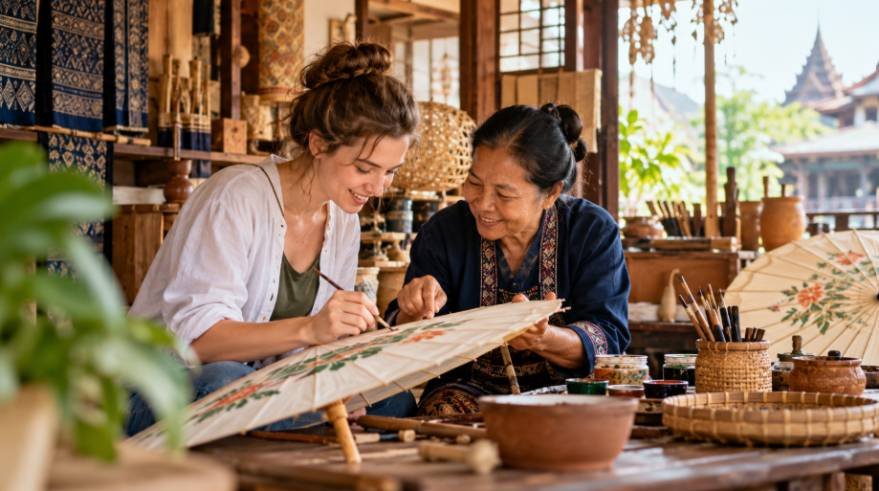
    Northern Thailand’s Lanna heritage appears in painted parasols, textiles, and decorative patterns. At an umbrella workshop, visitors may add color to a bamboo-and-paper surface under an artist’s direction. Other classes introduce natural dyeing, including indigo, and show how plant-based color changes with preparation.

    Hoi An, Vietnam: Silk Lantern Making

    Hoi An’s lanterns are closely associated with its old streets and evening atmosphere. In a class, travelers may assemble a frame, stretch fabric over it, and choose colors for a small lantern. Instructors guide the steps, making the activity suitable for beginners.

    Jeonju, South Korea: Handmade Hanji Paper

    Hanji, traditional Korean paper made from the inner bark of the paper mulberry tree, has long been used for writing, crafts, and household objects. A workshop may show how fibers are prepared and formed into sheets, or let visitors use finished paper to create a lamp, box, or decoration.

    How to Choose a Responsible Workshop

    A thoughtful booking can help keep craft traditions economically viable without treating artisans as attractions. Look for small-group sessions led by working craftspeople, transparent pricing, and clear explanations of what your fee includes. Community-run studios may explain how income supports training or local employment.

    Ask permission before taking portraits, follow rules around sacred motifs, and avoid bargaining aggressively over work that takes hours or days to make. Ask about materials and care when buying an object. For protected woods, shells, plant products, or animal-derived materials, check customs rules before carrying anything across borders.

    The phrase hidden village traditions in Asia can describe a wider kind of discovery, but villages are living communities, not open-air exhibits. Choose experiences that welcome visitors on agreed terms and respect residents’ privacy.

    Practical Tips Before You Book

    Practical Tips Before You Book

    Confirm the duration, language, group size, materials, cancellation terms, and whether you will take your finished item home that day. Some pieces need firing, drying, or specialist finishing and may need to be shipped later. Ask about shipping costs and packaging before starting.

    Before booking, check whether the workshop is hosted by the artisan or by a third-party operator. Ask how many participants will attend and whether the instructor can demonstrate the traditional method, not only a simplified tourist version. A shorter class can still be worthwhile when the host explains the materials, history, and choices behind the design. Respectful questions often make the experience more rewarding for everyone. Without rushing the process.

    Book directly with a studio when practical. Wear clothes that can handle dust, dye, or clay, and tell the instructor about any mobility needs. You do not need to produce a perfect object; the point is to understand the process.

    Craft workshops can sit alongside Asian cultural rituals travelers can experience, but they are different kinds of encounters. A craft class is usually designed for participation; a ritual may have religious or community rules. Learn the etiquette before joining a ceremony, and never assume every tradition is intended for tourists.

    What Stays With You After the Workshop

    The object you bring home may be modest: a slightly uneven bowl, a small silver pendant, or a lantern whose seams show your beginner’s hand. Its value lies in remembering the steps, the person who taught you, and the time required to make something well. That memory can change how you look at handmade goods long after the trip ends.

    Travel becomes richer when curiosity is paired with respect. By paying fairly, listening carefully, and making room for local expertise, visitors can support living traditions while gaining a grounded understanding of the places they explore.

    FAQs: Traditional Craftsmanship Experiences in Asia for Curious Cultural Travelers

    1. Which Asian country is best for a craft workshop?

    There is no single answer. Kyoto offers textile arts, Bali has silverwork, Chiang Mai offers umbrella painting and dyeing, and Hoi An is known for lantern-making. Choose based on the craft that interests you.

    2. Do I need previous experience?

    Usually not. Many workshops are designed for beginners and provide tools and instruction. Check the description because some specialist techniques require more time or experience.

    3. How can I support local artisans responsibly?

    Book with local makers, pay the stated price, ask thoughtful questions, and avoid pressuring artisans to discount labor-intensive work. Buy items whose materials and origins are clear.

    4. Can I bring handmade crafts home?

    Often, yes, but rules vary by material and destination. Check restrictions for wood, plant products, shells, and animal-derived materials. Ask about safe packaging and shipping if needed.
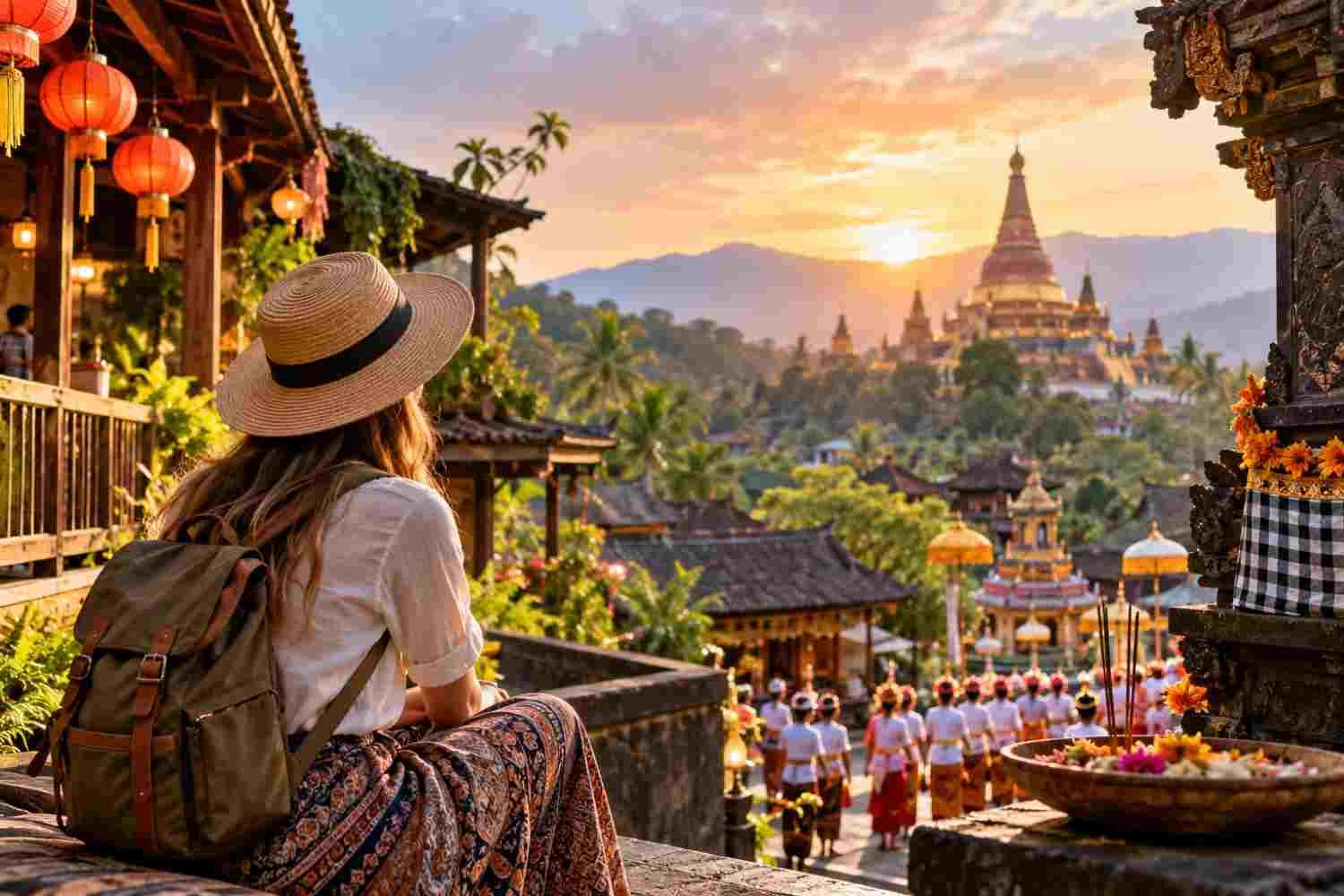
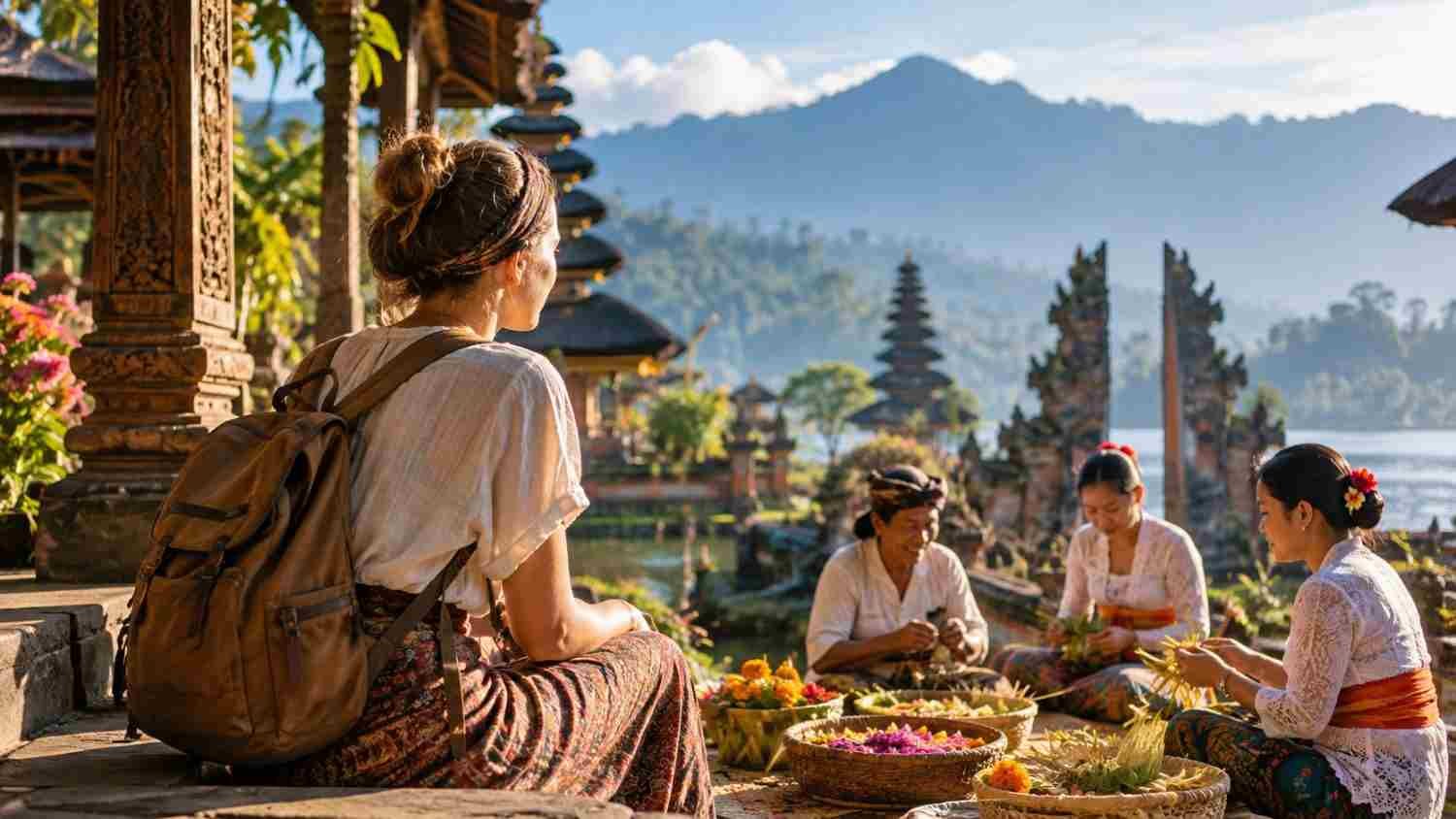
  • Living Heritage Experiences Across Asia for Travelers Seeking Authentic Culture

    Living Heritage Experiences Across Asia for Travelers Seeking Authentic Culture

    I have found that memorable trips often begin when I stop trying to see everything. A conversation with a shopkeeper, the smell of rice steaming in a family kitchen, or the sound of a loom behind an open doorway can reveal more than rushing between landmarks. These ordinary moments carry stories visitors rarely encounter on a standard sightseeing route.

    I also notice that cultural experiences feel more meaningful when local people shape them. Watching a craft demonstration is interesting, but learning why a pattern matters adds another layer. Living heritage experiences across Asia invite travelers to learn through daily customs, traditional skills, food, celebrations, and shared community spaces.

    What Makes Heritage Feel Alive?

    Living heritage is culture practiced, taught, and adapted by people today. It includes weaving, seasonal festivals, songs, family recipes, religious observances, and knowledge used to build traditional homes. These traditions depend on people using and passing them on.

    A historic building shows how a community lived in the past, while an artisan reveals how it continues to change. Traditions are not frozen in time. Makers experiment with materials, younger generations adapt designs, and ceremonies respond to changing circumstances while retaining meaningful elements.

    Experiences That Bring Asia’s Traditions Closer

    Experiences That Bring Asia’s Traditions Closer

    Japan: Craft, tea, and hospitality

    In Kyoto, a stay at a traditional inn, or ryokan, introduces travelers to customs surrounding hospitality, seasonal meals, and architecture. A tea ceremony offers another window into Japanese culture. Its careful movements reflect years of practice and ideas about respect and concentration.

    Local studios may offer pottery, textile, or other regional craft workshops. Choose sessions led by working craftspeople, and ask before photographing their work. A short class can reveal the patience behind an object.

    Indonesia: Batik and carved traditions

    Yogyakarta is associated with batik, a textile tradition in which wax resists dye to create intricate patterns. In a workshop, travelers see how designs emerge through repeated steps. Patterns may carry regional meanings, so asking about them can turn a souvenir stop into a real exchange.

    Bali is known for woodcarving and artistic practices connected to local belief. Seek workshops that explain who makes each piece and how skills are learned. Buying directly from an artisan or cooperative can help keep traditional work viable.

    Laos: Understanding a sacred morning ritual

    In Luang Prabang, the morning alms-giving ceremony, known as Tak Bat, is a Buddhist practice with deep religious significance. It is not a performance staged for tourists. Keep a respectful distance, dress modestly, stay quiet, and avoid flash photography or stepping into the monks’ path. If you do not understand the custom, observe rather than join in.

    Vietnam: Skills passed between generations

    In Hanoi and Hoi An, travelers can look for workshops involving pottery, silk, lacquer, and other regional crafts. Demonstrations become more rewarding when makers explain the tools and decisions behind each stage. Producing a finished item can require years of practice.

    For visitors interested in Vietnam’s disappearing craft traditions and artisan villages, meet craftspeople as skilled professionals, not attractions. Ask whether beginners are welcome and whether the fee supports the maker. Some traditions face pressure from factory goods and fewer apprentices, while communities are finding new audiences and adapting their work.

    Bhutan: Festivals and community life

    In Bhutan, local festivals may bring together masked dances, music, religious observances, and neighbors dressed for the occasion. Archery matches and rural hospitality offer insight into social life. Dates vary, and some ceremonies have access rules, so check arrangements with local hosts.

    How to Travel With Respect

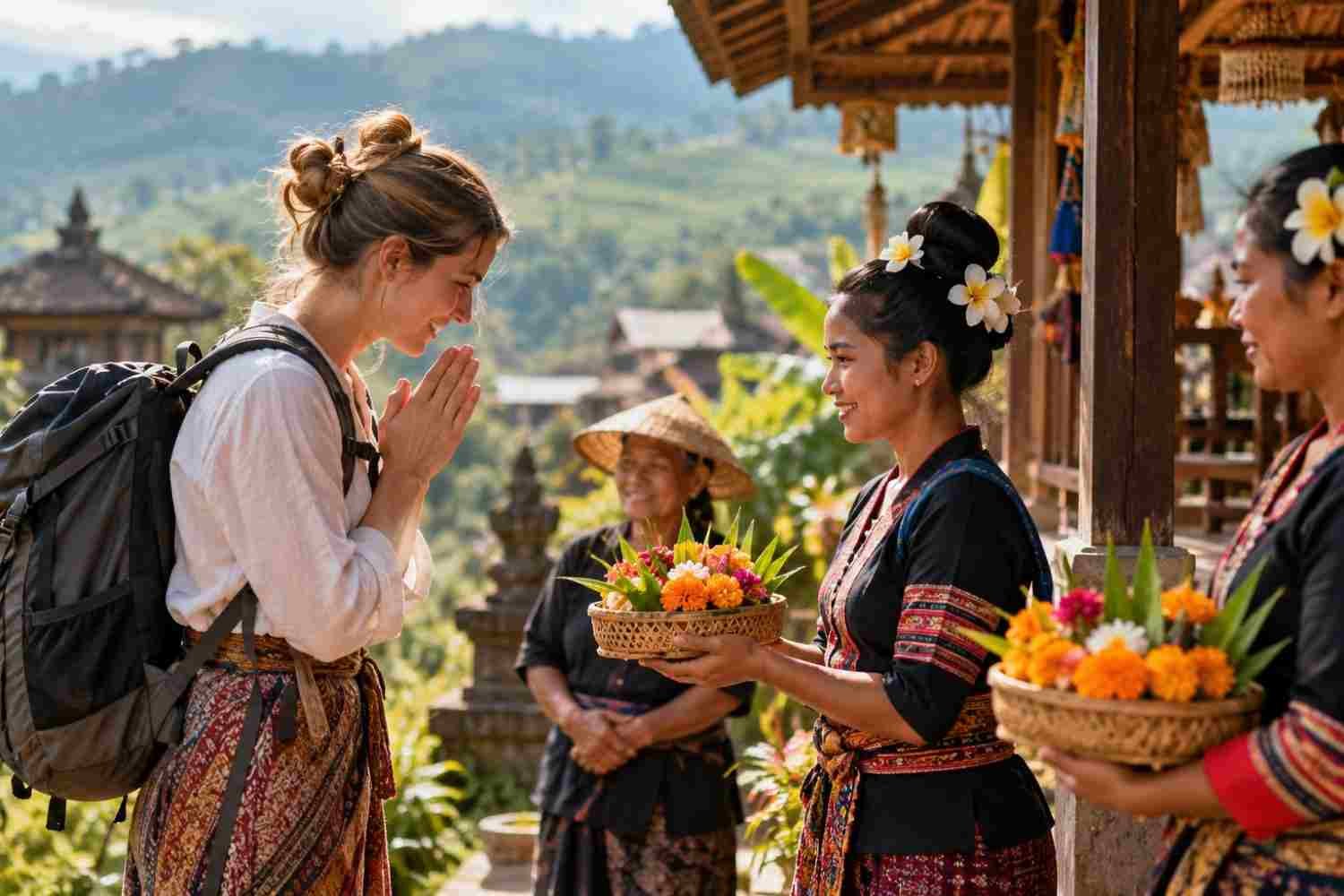
    Good cultural travel begins before arrival. Learn a few greetings, check clothing expectations, and ask permission before photographing people, homes, ceremonies, or workshops. A public event does not mean everyone welcomes close-up photography. During religious observances, follow local hosts and avoid interrupting the practice.

    Choose small-group experiences where residents set the terms and receive fair payment. Ask what the fee includes and whether the activity supports a community organization. When shopping, find out who made an item and how it was produced. Bargaining aggressively over handmade work can undermine the skills that attracted you.

    For travelers drawn to Thailand’s local festivals and traditional community culture, planning around a regional celebration can be rewarding when the visit respects local schedules. Festivals are living events, not guaranteed shows, and dates can change. Follow local guidance and remember that residents attend for reasons beyond tourism.

    Why Supporting Living Heritage Matters

    Why Supporting Living Heritage Matters

    Traditional knowledge survives when people have opportunities to pass it on. Paying for a workshop, buying directly from a maker, or booking a community-run tour can contribute. It does not guarantee a tradition will continue, but it can create demand for skills that take time to learn.

    Communities may change traditions, share them selectively, or move them into new settings. Respect means accepting those choices instead of expecting every encounter to match a romantic idea of the past.

    The Memories That Travel Home

    The strongest cultural encounters leave you noticing details you once overlooked: the labor behind woven cloth, the care involved in preparing tea, or the coordination of a neighborhood festival. These details make a destination more than a collection of sights. They show how people create meaning through shared knowledge and relationships across generations.

    You do not need to master a craft or join every ceremony. Arrive thoughtfully, pay fairly, ask good questions, and leave room for local life to unfold without you.

    FAQs: Living Heritage Experiences Across Asia for Travelers Seeking Authentic Culture

    1. What does living heritage mean?

    Living heritage includes traditions practiced and passed between generations, such as crafts, foodways, festivals, music, rituals, and local knowledge. These traditions remain meaningful because communities continue to use and adapt them.

    2. How can I find authentic cultural experiences?

    Look for community-run tours, working artisan studios, small workshops, and local guides who explain the people and practices behind an experience. Ask who leads the activity and how residents benefit.

    3. Is it respectful to photograph ceremonies?

    Ask first and follow local guidance. Some ceremonies restrict photography, and visitors should never interrupt participants, block a ritual, or treat worship as a staged performance.

    4. How can travelers support traditional artisans?

    Book workshops directly when possible, buy items from their makers, and pay fair prices. Ask about materials and production methods, and remember that handmade work reflects time, skill, and knowledge.

  • Hidden Village Traditions in Asia Every Curious Traveler Should Know

    Hidden Village Traditions in Asia Every Curious Traveler Should Know

    I used to think the most memorable cultural experiences happened at famous temples or crowded festivals. The more I read about village life across Asia, though, the more I noticed how much heritage survives in ordinary places: a bridge grown from tree roots, a family ceremony, or a skill taught patiently to a child.

    I also realized that traditions make more sense when visitors learn what they mean to the people who keep them alive. These customs are not performances waiting for an audience. They carry family memory and community identity.

    Why Village Traditions Reveal Another Side of Asia

    Village traditions grow from relationships with land, work, and family. Mountain communities develop ways to cross rivers or protect forests, while pastoral skills can become markers of identity. Ceremonies help families remember ancestors and bring neighbors together.

    “Hidden” means these customs receive less attention, not that villages are untouched by modern life.

    Traditions That Carry Generations of Knowledge

    Traditions That Carry Generations of Knowledge

    Toraja Funeral Customs in Indonesia

    In the highlands of South Sulawesi, Toraja funeral traditions show how remembrance can shape family life. A ceremony known as Rambu Solo may take considerable preparation, partly because relatives need time to gather resources and bring family members together. Buffalo offerings and shared meals can make the event a major family and community gathering, with costs and responsibilities distributed among relatives. While they wait, a deceased relative may be kept in the family home and treated symbolically as someone who is ill rather than fully departed.

    In Ma’nene, practiced by some Toraja families, ancestral remains are brought out for care and dressed in fresh clothing. Practices vary, and visitors should never assume they may watch. These customs honor ancestors; they are not staged for photographs. They are among the forgotten traditions still alive in Asia, sustained through family belief rather than visitor interest.

    Living Root Bridges in Meghalaya, India

    In the Khasi and Jaintia hills of Meghalaya, villagers guide the aerial roots of rubber fig trees, Ficus elastica, across streams and ravines. Over many years, the roots intertwine and strengthen, creating living bridges that help people reach neighboring settlements through steep, rain-soaked terrain.

    A bridge may take 15 to 25 years to become functional and can last for centuries with care. This inherited ecological knowledge works with a tree’s growth rather than imposing a quick fix. Community maintenance makes the bridges both infrastructure and living heritage.

    Kazakh Eagle Hunting in Western Mongolia

    In Mongolia’s Bayan-Ölgii Province, Kazakh eagle hunters, known as berkutchi, train golden eagles to hunt on horseback. Knowledge is passed through family and community teaching, although the people who practice it and the ways they do so continue to change.

    The annual Golden Eagle Festival introduces visitors to the tradition, but it represents only one part of a wider culture. Ask local guides about training, family meaning, and bird care. Methods vary, and a demonstration cannot represent every hunter’s daily life.

    Konyak Tattoo Traditions in Nagaland, India

    In Nagaland’s Mon district, including the area around Longwa, tattoos worn by some older Konyak people preserve memories of a very different past. Historically, distinctive tattoos could mark status, identity, and achievements associated with headhunting. The practice has largely ended, and the surviving elders who carry these markings are living links to a period that younger generations encounter differently.

    These tattoos are not decoration or permission to photograph someone without consent. Listen to the person’s own account and learn how Konyak identity continues today. No single elder represents every community experience.

    How to Experience Local Customs Respectfully

    How to Experience Local Customs Respectfully

    Arrange a local guide or community-run experience when possible. Guides explain etiquette and which places are open to visitors. Ask before photographing people, homes, sacred spaces, or rituals, and accept refusals.

    Customs differ between villages, so follow your guide’s advice. If a ceremony is private, choose another way to learn, such as visiting a local craft workshop or cultural center.

    • Dress according to local guidance, especially at religious or ceremonial sites.
    • Ask before joining a ritual, touching objects, or entering a home.
    • Support local makers by buying crafts directly and paying a fair price.
    • Avoid giving money or gifts to children without guidance from community hosts.

    Learning about Asian cultural rituals travelers can experience can help with planning, but local wishes should guide every visit. Do not expect people to perform customs on demand or enter private ceremonies because they appear online.

    Why Traditions Change and Still Matter

    Preservation does not require a village to remain unchanged. Young people may adapt crafts, use digital tools to teach a language, or reject past practices. Tourism can create income, but it can also pressure sacred spaces and turn customs into spectacles.

    Ask whether a community still finds meaning in a tradition, who can share it, and whether visitors support its future. Community-led tourism, fair purchases, and patient listening can help without treating culture as a product.

    FAQs: Hidden Village Traditions in Asia Every Curious Traveler Should Know

    1. Where can I see traditional village customs in Asia?

    Meghalaya in India, Toraja in Indonesia, and western Mongolia offer examples of living cultural traditions. Access depends on local customs, timing, and community permission. Check seasonal conditions before traveling.

    2. Can travelers attend Toraja ceremonies?

    Some ceremonies may be open to visitors, but dates and access vary. Arrange a local guide and ask the family or community for permission before attending or taking photographs. Some events are family occasions rather than public attractions.

    3. How long do living root bridges take to grow?

    Many take around 15 to 25 years to become functional. They need ongoing care, and their development varies with conditions and local methods. Visitors should stay on designated paths.

    4. What is the best way to support village communities?

    Use local guides, buy crafts directly from makers, follow community rules, and pay fairly. Ask hosts what kind of support is genuinely useful. Community-led businesses are a good starting point.

    Let Curiosity Begin with Respect

    These traditions matter not simply because they are old, but because of the knowledge and relationships sustaining them. A bridge connects households as well as riverbanks; a ceremony brings relatives together; a hunter’s skills carry stories of place and identity.

    Travelers need not witness every ritual to appreciate it. Listening carefully, asking thoughtful questions, and leaving daily life undisturbed can be meaningful experiences.

  • Vietnam’s Disappearing Craft Traditions and Artisan Villages You Should Know About

    Vietnam’s Disappearing Craft Traditions and Artisan Villages You Should Know About

    I started noticing how handmade objects tell stories that mass-produced goods cannot. A ceramic bowl may carry the marks of a potter’s fingers, while a silk scarf reflects techniques passed between generations. In Vietnam, such details remain part of daily life in craft villages, where work, family history, and local identity are closely connected.

    I also realized that a craft can look healthy to a visitor while the knowledge behind it is fading. Busy workshops and souvenir shops do not necessarily mean young people are learning the hardest skills. Across Vietnam, artisans are adapting, but some traditions face shrinking demand, pollution, and too few apprentices.

    Why Vietnam’s craft villages matter

    Traditional craft villages are more than places to buy ceramics, textiles, paper, or metalwork. They are communities built around shared skills, local materials, and routines shaped over generations. Techniques live in practical knowledge, such as judging clay or preparing a glaze.

    That knowledge rarely transfers through written instructions alone. It develops through watching, mistakes, and practice beside experienced makers. When a workshop closes, a village can lose tools, suppliers, and the relationships that sustained the craft. A museum object cannot replace a living tradition. This connection also appears in Indonesia’s village rituals and living cultural heritage, where skills and customs survive through continued community practice.

    Craft Traditions Under Pressure

    Craft Traditions Under Pressure

    Bát Tràng pottery

    Near Hanoi, Bát Tràng is known for ceramics, from everyday bowls to decorative pieces with detailed glazes. Its active workshops show how a historic craft can respond to modern demand, though makers still face pressure to keep prices competitive. Handmade work takes time, while factory-made ceramics can be cheaper.

    Vạn Phúc silk weaving

    Vạn Phúc, also near Hanoi, is associated with silk weaving and traditional looms. Artisans need reliable materials, appreciative customers, and enough income to justify learning the skill. When synthetic fabrics and machine-made textiles cost less, the value of handwoven silk can be harder to explain.

    Yên Thái paper and Dong Xam silverwork

    Yên Thái was historically linked to Dó paper, used in traditional Vietnamese printing and painting. Its decline shows how a craft can disappear when its market changes. Restarting production requires materials, tools, training, and buyers.

    Dong Xam, in Thai Binh province, is known for intricate silver carving and metalwork. This detailed work depends on long practice. If young people see limited earnings and few routes to a stable career, apprentices become harder to find. The loss can be gradual, until few people remain who can teach the full process.

    Coconut crafts in the Mekong Delta

    In Ben Tre and nearby communities, coconut shells, wood, and fibers become household goods, ornaments, and gifts. These crafts use local materials, but artisans compete with cheap plastic and standardized souvenirs. Fresh designs and reliable customers help, provided makers are paid fairly.

    Why Traditions are Disappearing

    Economic pressure is central. A craftsperson may spend years mastering a technique but earn less than someone taking a factory job or moving to a city. Young residents also need education, housing, and financial security. Asking them to preserve a tradition without offering a realistic livelihood is unlikely to work.

    Pollution and access to materials create further obstacles in some areas. Pottery, dyeing, and other processes can generate waste or require resources that are harder to obtain. Small businesses may lack money for cleaner methods.

    Mass production adds another strain. Machine-made goods can copy traditional patterns at lower prices, making skilled work harder to distinguish from cheap imitations. Clear labels can help buyers recognize skilled work.

    How Artisans are Adapting

    How Artisans are Adapting

    Preservation does not mean freezing a craft in the past. Some workshops work with contemporary designers, create products for modern homes, and use online stores to reach customers beyond their region. Traditional weaving may appear in a modern accessory; a familiar ceramic form may be redesigned for everyday use. Innovation works best when it keeps the knowledge and methods that give the craft its identity.

    Community-based tourism can provide income. Visitors may take a pottery class, watch a demonstration, or meet the maker. These experiences work best when artisans lead them and receive a fair share of the revenue.

    Education matters. Apprenticeships, school workshops, and design partnerships can introduce traditional skills to younger generations. Digital archives can document patterns and techniques, but records should support active practice rather than replace it.

    How Visitors Can Support Living Crafts

    A thoughtful purchase can make a practical difference. Ask who made an item, how it was produced, and whether the workshop sells its own work. Choose quality over quantity, pay a fair price, and consider a class instead of buying several inexpensive souvenirs. Not every product sold in a craft village is handmade locally, so respectful questions can help identify genuine work.

    Travelers can seek smaller workshops beyond busy shopping streets. This connects with India’s regional traditions beyond major tourist cities, where local knowledge often remains strongest in communities receiving less attention. Ask before photographing artisans or workspaces, and avoid treating people as attractions. The goal is to support their livelihood, not demand a performance.

    FAQs: Vietnam’s Disappearing Craft Traditions and Artisan Villages You Should Know About

    1. Which Vietnamese craft villages are worth learning about?

    Bát Tràng is known for pottery, Vạn Phúc for silk, Dong Xam for silverwork, and communities in Ben Tre for coconut crafts. Each reflects different materials and skills.

    2. Why are traditional crafts disappearing?

    Low earnings, mass-produced alternatives, pollution, changing markets, and younger people moving to cities can make craft work difficult to sustain.

    3. Can tourism help preserve traditional crafts?

    Yes, when visitors buy directly from artisans, pay fair prices, and join workshops led by local makers. Poorly managed tourism may bring little benefit to craftspeople.

    4. How can travelers identify authentic handmade products?

    Ask about the maker, materials, and production process. Look for local workshops that explain their techniques, and be cautious of identical items sold in bulk.

    Keeping the Knowledge in Living Hands

    The future of Vietnam’s craft villages depends on more than celebrating their past. Artisans need a stable income, access to materials, apprentices, and room to adapt without losing the techniques that make their work distinctive. Preservation becomes meaningful when a young person can choose to become a potter, weaver, printer, or metalworker and see a future in that choice, then teach these skills onward.

    A handmade object matters most when the knowledge behind it is still alive.

  • Asia’s Disappearing Cultural Traditions Worth Preserving for Future Generations

    Asia’s Disappearing Cultural Traditions Worth Preserving for Future Generations

    I have noticed that the cultural details I remember most are often the ordinary ones: a pattern on a piece of cloth, a song an older relative knows by heart, or a handmade object brought out for a festival.

    I also find it striking how quickly a tradition can become difficult to practice when the materials cost more, the work pays less, or families move away from home. Across Asia, many cultural practices still survive, but some are losing practitioners and everyday relevance.

    Why Asia’s Cultural Traditions Are at Risk

    Traditions rarely disappear for one reason. Urbanization and migration can separate younger generations from elders who hold specialist knowledge. Factory-made goods often cost less than handmade alternatives, while long training periods make traditional crafts hard to turn into a stable career. In some communities, younger people may also feel pressure to choose work that seems more secure or modern.

    Language loss adds another challenge. A story, chant, or ritual phrase may carry meanings that are difficult to translate. When a language is used less often at home, the cultural knowledge embedded in its expressions can fade with it. Recording a performance helps, but a recording cannot replace the relationships and shared context through which people learn what a tradition means.

    Traditions That Need Greater Attention

    Traditions That Need Greater Attention

    Mabal Tabih weaving in the Philippines

    Among the Blaan people of South Cotabato, Mabal Tabih weaving uses abaca fibers, natural dyes, and an intricate ikat process. Making it requires patience and knowledge of materials, patterns, and techniques passed between generations. When fewer young weavers learn the process, both the craft and the stories carried by its designs are at risk.

    Traditional brass bell making in Japan

    Japanese bellmaking includes specialist techniques refined over centuries. Large standing bells have roles in Buddhist temples and meditation, and their sound is shaped by careful decisions about casting, metal, and form. Such work depends on experienced craftspeople and lengthy apprenticeships. Modern production methods, changing demand, and an aging workforce can make it harder for workshops to sustain these skills.

    Wayang kulit in Malaysia

    Wayang kulit uses flat, intricately cut leather puppets to create shadow performances accompanied by music and storytelling. The tradition brings together visual art, performance, language, and local narratives. In Malaysia, practitioners face the challenge of keeping audiences interested as entertainment habits change. Youth workshops, school programs, and thoughtful contemporary adaptations can help new audiences connect with the form while respecting its cultural roots.

    Damarkurung lanterns in Indonesia

    In Gresik, East Java, damarkurung lanterns are decorated with scenes that tell stories through images. Their handmade character is part of their appeal, but cheaper mass-produced substitutes can undercut the time and skill needed to make them. When a craft becomes less financially viable, fewer makers may continue it.

    Oral traditions in Yunnan, China

    In parts of Yunnan, elders from communities including the Pumi, Nu, and De’ang preserve songs, stories, and ancestral knowledge in their own languages. If younger speakers no longer understand the language, the stories become harder to pass on. Community-led recordings, language classes, and occasions for elders and young people to share stories can support transmission without taking ownership away from the communities.

    What Communities Lose When Traditions Fade

    What Communities Lose When Traditions Fade

    The loss is not limited to an old technique or a performance. Traditions can hold a community’s history, values, humor, and ways of understanding the world. A woven pattern may connect a family to its ancestors; a song may preserve a place name or a memory absent from written records. When a practice disappears, people can lose a source of belonging as well as practical knowledge.

    The question is whether communities can guide cultural changes themselves, keep the knowledge accessible, and decide what should be carried forward.

    How Travelers Can Help Preserve Cultural Heritage

    Visitors can support living traditions by learning directly from local practitioners, attending performances where guests are welcome, and buying work from makers at a fair price. Ask before photographing people or sacred activities, and follow local guidance about what should remain private.

    Travelers interested in hidden village traditions in Asia can seek community-led experiences that explain a practice in its local context. For traditional craftsmanship experiences in Asia, choose workshops where artisans demonstrate their skills, explain the time involved, and receive fair compensation. Avoid treating handmade goods as souvenirs without considering the labor and cultural knowledge they represent.

    FAQs: Asia’s Disappearing Cultural Traditions Worth Preserving for Future Generations

    1. Why are some Asian cultural traditions disappearing?

    Economic pressure, migration, changing lifestyles, language loss, and declining demand can make traditions harder to practice and pass on. Often, several pressures occur together.

    2. Which traditions are at risk?

    The risks vary by community. Examples include specialist weaving, traditional performance, handmade lantern production, metalworking, and oral storytelling in endangered languages.

    3. How can young people help preserve traditions?

    Young people can learn from elders and skilled practitioners, use heritage languages, join workshops, document family stories with permission, and adapt traditions respectfully for new audiences.

    4. Can tourism help keep traditions alive?

    Yes, when it is community-led and fairly paid. Visitors should respect local rules, avoid intrusive photography, and support practitioners rather than expecting free demonstrations.

    Keeping Cultural Heritage Alive for the Next Generation

    The future of a tradition depends on more than public recognition. It needs time for apprentices to learn, customers willing to pay for skilled work, spaces where languages and stories can be shared, and communities with the freedom to decide how their heritage develops. Practitioners should remain central to decisions about representation and preservation.

    A tradition stays alive when people have reasons and opportunities to practice it. Supporting those conditions helps cultural knowledge remain part of everyday life, ready to be passed on and reshaped by the next generation.

  • Asian Heritage Experiences Beyond Famous Landmarks That Feel Authentic

    Asian Heritage Experiences Beyond Famous Landmarks That Feel Authentic

    I used to think experiencing Asian heritage meant standing in front of a famous temple, palace, or monument and learning a few dates. I noticed something more interesting after paying closer attention to local traditions and communities: the strongest cultural moments often happen in ordinary places, where people still practice skills and rituals because they belong to daily life.

    I also realized that a quieter experience can tell a traveler more than a packed sightseeing schedule. A market at dawn, a family workshop, a village ceremony, or an old walking route can reveal how food, faith, work, and community shaped a place over generations. These experiences feel different because they connect heritage with people rather than treating it as something displayed behind glass.

    Look for Heritage in Everyday Places

    One of the easiest ways to find living heritage is to spend time where residents actually shop, work, eat, and gather. Traditional markets are especially revealing because they bring together food customs, regional ingredients, informal social rules, crafts, and local languages.

    Watch how vendors prepare ingredients, notice seasonal products, and look at objects made for ordinary household use. In parts of Asia, these spaces preserve knowledge that may never appear on a museum label. Traditional markets and everyday culture in Asia can show how heritage continues through routine rather than ceremony.

    Neighborhoods can offer the same insight. You may notice this most clearly in details: the way produce is displayed, how neighbors greet one another, which foods appear only during certain seasons, or how an old craft fits into a household. Those details make heritage feel lived rather than staged.

    Old lanes, family-run workshops, tea houses, community kitchens, and small religious spaces often carry layers of history. Observe without treating everyday life as a performance staged for visitors.

    Learn From People Who Keep Old Skills Alive

    Learn From People Who Keep Old Skills Alive

    Craft traditions are another doorway into Asian heritage. Instead of buying a finished souvenir and leaving, look for workshops where artisans demonstrate how an object is actually made.

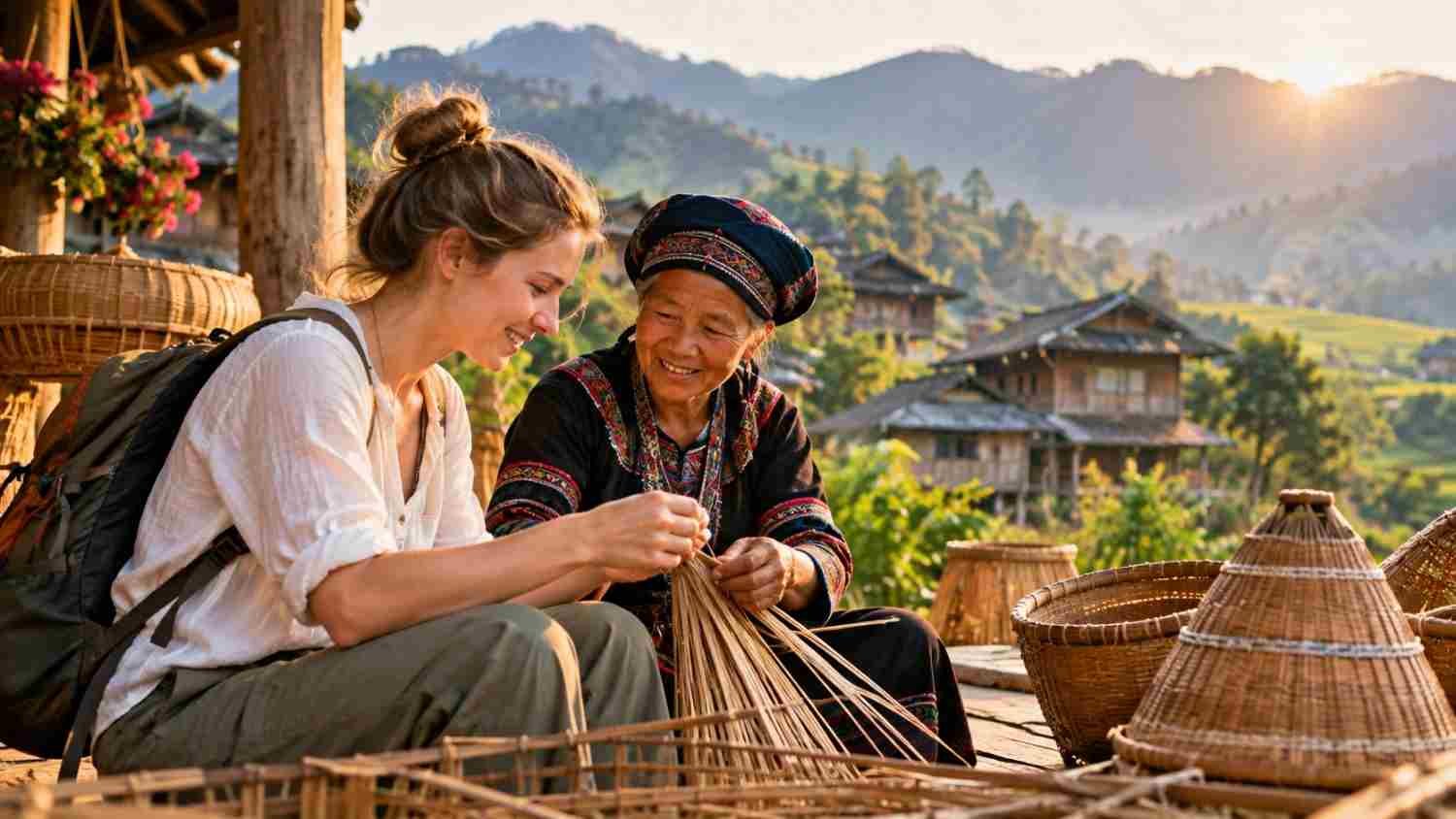
    Textile weaving, pottery, wood carving, paper-making, metalwork, basketry, and natural dyeing all involve knowledge passed between generations. Watching the process makes the finished object easier to understand because you see the patience, materials, tools, and decisions behind it.

    Japan’s Ama divers offer a striking example. In the Ise-Shima region, women have practiced traditional free-diving for seafood for generations. Such traditions should be approached carefully when access is limited, or ceremonies are not intended for visitors.

    The same principle applies across the region. Indigenous traditions and cultural experiences in Asia are most meaningful when communities retain control over how visitors participate and what they are invited to see.

    Follow Food, Festivals, and Seasonal Customs

    Food can reveal heritage without requiring a formal cultural tour. A cooking class led by local residents, a family-style meal, or a regional food market can explain migration, agriculture, religion, trade, and geography through flavors and techniques.

    Seasonal traditions can add another layer. Festivals often preserve music, clothing, storytelling, religious practices, and community relationships that have evolved over long periods. Learning basic etiquette, asking before photographing people, and observing quietly can make participation more respectful.

    In Luang Prabang, Laos, the pre-dawn alms-giving tradition offers an example of a living Buddhist practice woven into the rhythm of the city. Visitors may witness monks receiving food from residents, but the ceremony is not a tourist performance. Distance, quiet behavior, and respect for participants matter.

    Take the Slow Route

    Japan’s Shikoku pilgrimage connects 88 temples across rural landscapes, mountain paths, and villages. Walking sections of the route can reveal a side of the island that disappears when travel is reduced to major cities and quick transfers.

    Slow travel also creates room for conversations. A local guide may explain why a shrine matters, how a neighborhood changed, or which foods are associated with a particular season. Those details can provide context that a landmark alone cannot.

    Penang offers another useful example. George Town’s clan houses and Peranakan heritage reflect the cultural exchanges that shaped the Straits region. Architecture, household objects, religious spaces, and food traditions show how different communities influenced one another.

    Vietnam’s traditional incense-making villages offer a similarly visual experience. Families arrange brightly colored incense bundles to dry, making an everyday production process a striking expression of craft and continuity.

    Choose Experiences With Care

    Choose Experiences With Care

    A popular destination can offer a genuine cultural experience, while a remote village can still be superficial if the community has little control over tourism.

    Indonesia offers a strong example of how village traditions can remain closely connected to community life.

    Indonesia’s village rituals and living cultural heritage can reveal how ceremonies, local knowledge, and intergenerational practices continue beyond major tourist landmarks, especially when travelers approach them with respect and avoid treating sacred traditions as performances.

    Look for experiences that explain who organizes them, where the money goes, and what participation involves. Community-led tours, local homestays, artisan cooperatives, and small-group workshops can provide context while keeping benefits closer to tradition bearers.

    Respect also means accepting limits. Some ceremonies, sacred spaces, and indigenous practices are not appropriate for photography. A good traveler does not assume access simply because a tradition appears online.

    Why Quiet Experiences Stay With You

    The most memorable Asian heritage experiences often leave no dramatic photograph. They might be a craftsperson explaining a difficult technique, a market opening before sunrise, or a quiet village walk where an old tradition still fits naturally into modern life. These moments show heritage as active, adaptable, and human.

    That is the real value of traveling beyond famous landmarks. You are not simply collecting lesser-known attractions. You are seeing how history survives through skills, relationships, beliefs, food, and ordinary routines.

    Frequently Asked Questions 

    1. What counts as an authentic heritage experience in Asia?

    An authentic experience connects visitors with living traditions, local knowledge, crafts, foodways, rituals, or community life rather than simply displaying historical objects.

    2. How can travelers experience culture respectfully?

    Research local etiquette, ask permission before photographing people, follow community guidelines, and choose experiences where residents have meaningful control and benefit.

    3. Are rural experiences always more authentic?

    No. Authenticity depends on how a tradition is practiced and presented, not whether a place is remote. Cities can preserve vibrant living heritage too.

    4. How can travelers find lesser-known cultural experiences?

    Look for local guides, community tourism groups, artisan workshops, cultural organizations, and regional tourism resources rather than relying only on major attractions.

    What Makes These Experiences Worth Seeking

    Travel becomes richer when heritage stops being something you only look at and becomes something you can understand through context. A market, workshop, pilgrimage path, meal, or community ritual can reveal connections between generations that a famous landmark may only hint at.

    The best experiences do not need to feel hidden or exclusive. They simply give you enough time to notice the people, skills, and traditions that keep a place culturally alive.

  • Forgotten Traditions Still Alive in Asia That Connect Generations

    Forgotten Traditions Still Alive in Asia That Connect Generations

    I’ve noticed that some of the most meaningful cultural experiences happen away from famous landmarks nearby. They unfold when relatives gather to prepare a meal, neighbors rehearse an old song, or a grandparent explains why a ceremony follows a particular order. These moments can look ordinary to outsiders, yet they carry memories and values that families have protected for decades.

    I’ve also found that a tradition doesn’t need to remain unchanged to stay alive. Young people may move to cities, use phones to record elders, or adapt a craft for new audiences. What matters is whether the knowledge still travels between people, giving the next generation a reason to understand where it came from.

    What Makes a Tradition Worth Preserving?

    A living tradition is more than an old custom performed on special occasions. It can include music, food, seasonal ceremonies, storytelling, craftsmanship, and the unwritten rules that help a community live together. These practices hold local knowledge that rarely fits neatly into a textbook: how to recognize a season, welcome a guest, honor ancestors, or work as a group.

    Traditions also change. Communities may adjust a ceremony to reflect new beliefs, different livelihoods, or changing family roles. That doesn’t automatically make the practice less authentic. The key is that community members continue to recognize its meaning and decide how it should be passed on.

    Forgotten Traditions Still Practiced Across Asia

    Forgotten Traditions Still Practiced Across Asia

    The Amis Harvest Festival in Taiwan

    Among Taiwan’s Indigenous Amis people, the annual Ilisin, or Harvest Festival, brings together ceremony, song, dance, feasting, and community responsibilities. The timing and customs vary between villages, but the festival honors ancestors and gives thanks for the harvest. People who live elsewhere may return home to take part.

    Age groups have specific responsibilities, and younger participants learn directly by joining the preparations and following the songs and movements of older community members. During circle dances, the order of participation can reflect the community’s age-based social structure. The festival is therefore more than a celebration: it is a way to teach shared history and cooperation.

    Visitors should remember that some ceremonies are sacred and not staged for an audience. Local guidance matters, especially around photography and participation.

    Mongolian Long Song and Nomadic Memory

    Mongolian Urtiin Duu, known as long song, uses extended syllables, ornamented melodies, and a broad vocal range. Its sound is closely connected to the pastoral life of Mongolian communities and the open grasslands where herding has shaped daily routines. The songs are performed at events such as weddings, celebrations, and Naadam.

    Traditionally, musical knowledge passes through listening, repetition, and practice. A young singer learns more than a melody: lyrics and performance styles carry images of horses, landscapes, family life, and values associated with nomadic culture. Urbanization and changes in herding life have made some of this knowledge harder to maintain, but performances and contemporary compositions keep the tradition present.

    The long song shows how a cultural archive can live in a person’s voice rather than on a page.

    Filial Piety in Chinese Family Life

    The Confucian idea of xiao, often translated as filial piety, emphasizes respect for parents and elders, family responsibility, and care across generations. Its expression varies among families and regions, but it remains visible in practices such as visiting relatives, supporting aging parents, and gathering for major holidays.

    The Spring Festival is one occasion when family ties become visible, as many people travel to reunite with relatives. Families may also remember ancestors through offerings, visits, or shared stories. These practices connect younger relatives with family histories, even when they have grown up in cities far from their ancestral homes.

    Filial piety can be interpreted differently by different generations. Some families balance traditional expectations with independence, work demands, and changing ideas about caregiving. That conversation is part of how the custom continues to evolve.

    Lanna Lantern Craft in Northern Thailand

    In northern Thailand, Lanna cultural traditions include making decorative lanterns from materials such as bamboo and paper. Lanterns are associated with seasonal celebrations and local craft knowledge, although customs vary by place and event. In some communities, artisans and apprentices keep the techniques alive through hands-on workshops.

    Making a lantern involves more than decorating its surface. The maker must understand the frame, balance, folds, and how the material responds during construction. When an experienced craftsperson demonstrates each step, younger learners gain skills that are difficult to absorb from photographs alone.

    Thoughtful celebrations can also consider environmental effects. Reusable or managed decorations and locally organized events may preserve the visual tradition without treating mass releases as the only way to participate. For travelers, a community workshop can offer an experience rather than watching a festival from the sidelines. Thailand’s local festivals and traditional community culture offer a useful starting point for understanding how celebration and everyday heritage connect.

    Why Traditions Can Be Hard to Pass On

    Why Traditions Can Be Hard to Pass On

    Migration, long working hours, changing land use, and fewer opportunities to learn from elders can interrupt cultural transmission. A craft may become difficult to sustain if it no longer provides a reliable income. A song may fade when younger people rarely hear it outside formal performances. Sacred customs can also be misunderstood when presented without context.

    Preservation works best when communities lead it. Recording songs, teaching crafts in schools, supporting local practitioners, and creating opportunities for young people to participate can all help. Documentation is valuable, but it cannot replace the relationships through which a tradition is learned.

    Experiencing Living Heritage Respectfully

    Travelers can support cultural continuity by choosing community-led experiences, buying crafts directly from makers, and asking before photographing ceremonies or people. It helps to learn what a practice means locally instead of assuming that every ritual is open to visitors. Living heritage experiences across Asia are most meaningful when visitors approach them with curiosity and respect rather than treating culture as a performance arranged for them.

    The Connections That Remain

    These traditions differ in language, setting, and purpose, yet each depends on people showing up for one another. A dance teaches social roles through movement. A long song carries landscapes and memories in its melody. Family rituals make care and belonging visible, while a handmade lantern passes a skill from practiced hands to curious ones. None is frozen in the past; each survives through choices made in the present.

    Lasting heritage is not simply what people remember. It is what they continue to share.

    FAQs: Forgotten Traditions Still Alive in Asia That Connect Generations

    1. What are some forgotten traditions still alive in Asia?

    Examples include the Amis Harvest Festival in Taiwan, Mongolian long singing, family ancestor rituals, and traditional lantern craftsmanship in northern Thailand.

    2. Why are traditional customs important to younger generations?

    They connect young people with family history, community values, local knowledge, and cultural identity. Taking part also creates opportunities to learn directly from older generations.

    3. Are Asian traditions disappearing because of modernization?

    Some practices face pressure from urbanization, migration, and changing lifestyles. Others adapt through workshops, schools, community events, and digital documentation.

    4. How can travelers experience traditional Asian culture respectfully?

    Choose community-led activities, purchase authentic local crafts, follow photography rules, and ask permission before joining ceremonies. Respect practices that are private or sacred.

  • Traditional Celebrations That Reveal Everyday Asian Culture in Meaningful Ways

    Traditional Celebrations That Reveal Everyday Asian Culture in Meaningful Ways

    I have always found that the most revealing travel moments happen when a celebration moves into ordinary homes, streets, and family gatherings. A festival can show how people greet elders, prepare food, welcome neighbors, mark a season, or teach children customs. Those details tell me more about a place than a landmark.

    I also notice how easy it is to see a major Asian celebration only through its public side. Water splashing during Songkran, lanterns glowing at night, or elaborate clothing can make wonderful memories, but the deeper story sits underneath. Traditional celebrations that reveal everyday Asian culture often do so through familiar habits: cleaning the house, sharing meals, visiting relatives, giving blessings, and making time for community.

    Why Celebrations Reveal Everyday Life

    A celebration is rarely a single event. It is a collection of routines bringing families, neighbors, religious communities, and generations together. Preparations can begin days before festivities, with homes cleaned, foods made, offerings prepared, and gifts selected.

    These routines reveal what a community considers important. Respect for elders, hospitality, devotion, seasonal change, and family responsibility become visible. Living traditions can offer a richer cultural experience than looking at historic buildings.

    Family Traditions Are at the Center

    Family Traditions Are at the Center

    Family is one of the clearest themes across Asian celebrations. During Lunar New Year, reunion meals and visits make family connection part of the celebration. Elders often occupy an important place in greetings and blessings, while younger members learn by participating.

    Deepavali offers another example. Cleaning homes, lighting lamps, preparing sweets, exchanging greetings, and gathering with relatives connect the festival to domestic life. Much of its meaning is created inside homes, where customs can adapt across generations.

    This intergenerational element matters because cultural knowledge is often learned through observation. A child helping prepare a dish or watching an older relative perform a ritual may absorb details that formal lessons cannot capture.

    Food Tells Its Own Cultural Story

    Festival food can reveal geography, agriculture, religion, and family history. Special dishes often reflect seasons, ingredients, or religious practices, while preparing them can bring generations into the same kitchen.

    Food also shows how hospitality works. A meal offered to relatives, neighbors, or guests can communicate generosity without an elaborate ceremony. Recipes may change between households, yet the reason for making them remains recognizable.

    For travelers, paying attention to these details can make a celebration more meaningful. Notice who cooks, who serves, who eats together, and when certain foods appear. Those observations reveal the relationships behind the festival.

    Community Roles Matter

    Public celebrations often depend on work visitors never see. Someone organizes the event, prepares spaces, cooks food, maintains rituals, performs music, teaches younger participants, or welcomes guests.

    Someone organizes the event, prepares spaces, cooks food, maintains rituals, performs music, teaches younger participants, or welcomes guests. These community roles can also include passing traditional skills between generations, making traditional craftsmanship experiences in Asia a meaningful way for travelers to understand how cultural knowledge remains part of everyday life.

    These responsibilities connect people who might otherwise have little reason to work together.

    Ramman, a religious festival and ritual theater tradition in Uttarakhand, illustrates this community dimension. Its performances combine storytelling, music, dance, ritual, and local participation. It expresses belief, local history, and social relationships.

    Water festivals provide another example. Songkran and related New Year traditions are associated with water throwing, but quieter practices carry meaning too. Pouring scented water over elders’ hands, seeking blessings, cleaning homes, and preparing for a new beginning connect celebration to respect, renewal, and family life.

    Look Beyond the Biggest Festivals

    The most famous festivals are not necessarily the best places to understand ordinary culture. Large events can attract crowds and commercial layers that distance visitors from local routines.

    Smaller village celebrations, seasonal rituals, neighborhood gatherings, and community ceremonies can sometimes offer a clearer view. These events may have fewer spectators and stronger resident participation.

    For travelers who want to go deeper, authentic community-based cultural experiences in Asia can provide opportunities to observe these connections without reducing them to performances. Approach local traditions as living community life rather than attractions.

    How to Participate Respectfully

    How to Participate Respectfully

    Cultural curiosity is useful, but good intentions do not automatically make participation appropriate. Some rituals are private or reserved for community members. Visitors should watch first, follow local behavior, and ask before photographing people or entering restricted spaces.

    • Dress appropriately for religious or ceremonial settings and follow local instructions.
    • Avoid interrupting prayers, processions, family rituals, or performances with cameras or phones.

    Respect also means accepting that not every meaningful moment is available publicly. Sometimes the best approach is to observe quietly and let residents set the boundaries.

    Why Living Traditions Continue

    Traditional celebrations survive because people continue to use them, not because they remain frozen in the past. Families adjust recipes, younger generations bring ideas, and communities respond to change while retaining familiar symbols and practices.

    That flexibility makes cultural traditions valuable. They preserve memory while belonging to the present. Looking at lesser-known cultural heritage sites in Asia can complement this experience by showing places and landscapes connected to customs communities continue to practice.

    Frequently Asked Questions 

    1. What can travelers learn from traditional Asian celebrations?

    They can learn how families show respect, how communities cooperate, how food connects generations, and how beliefs shape ordinary routines. These details provide context that sightseeing alone cannot offer.

    2. Why are family traditions important during Asian festivals?

    Family participation passes customs between generations. Children learn recipes, greetings, rituals, stories, and social expectations by watching older relatives and joining preparations.

    3. Are smaller celebrations better for understanding local culture?

    Not always, but smaller gatherings can make community participation easier to observe. They may have fewer commercial influences and reveal routines that large festivals sometimes hide.

    4. How can visitors participate respectfully?

    Observe before joining, follow local etiquette, ask before taking photographs, and respect private or religious practices. Treat residents as participants in a living tradition, not performers.

    A Celebration Can Tell You How a Community Lives

    The deeper value of an Asian celebration is often found around the main event. Sweeping a home, preparing a dish, greeting an elder, sharing a meal, or helping a neighbor may seem ordinary, yet these actions reveal community values. Noticing those details changes the experience. A festival becomes less about photographs and more about understanding why people gather.

    Culture becomes most memorable when it feels lived rather than displayed. The celebration may last days, but the relationships behind it continue long after the decorations come down.

  • Authentic Community-Based Cultural Experiences in Asia Worth Seeking Out

    Authentic Community-Based Cultural Experiences in Asia Worth Seeking Out

    I’ve always found that memorable travel begins when a destination stops feeling like a checklist. A shared meal, conversation with a host, or a few hours learning a craft can reveal details that a quick photo stop misses. That is what makes community-based travel appealing: it centers on people and everyday life, not simply places.

    I’ve also noticed that “authentic” gets used loosely in travel marketing. A cultural activity can look traditional while offering little benefit to residents. More meaningful experiences give locals a real role, whether they welcome guests, teach a craft, explain farming, or decide what should remain private.

    What Makes a Cultural Experience Community-Based?

    Community-based tourism works best when residents have a meaningful stake in the experience. That can mean owning a homestay, running a cooperative, guiding visitors, producing crafts, or managing activities through a village organization. The goal is useful tourism.

    That matters. A locally operated homestay can put income directly into a household, while a craft workshop can create demand for skills that might otherwise become harder to sustain. Strong programs consider visitor limits, environmental pressures, and local control.

    Experiences That Bring Travelers Closer to Local Life

    Experiences That Bring Travelers Closer to Local Life

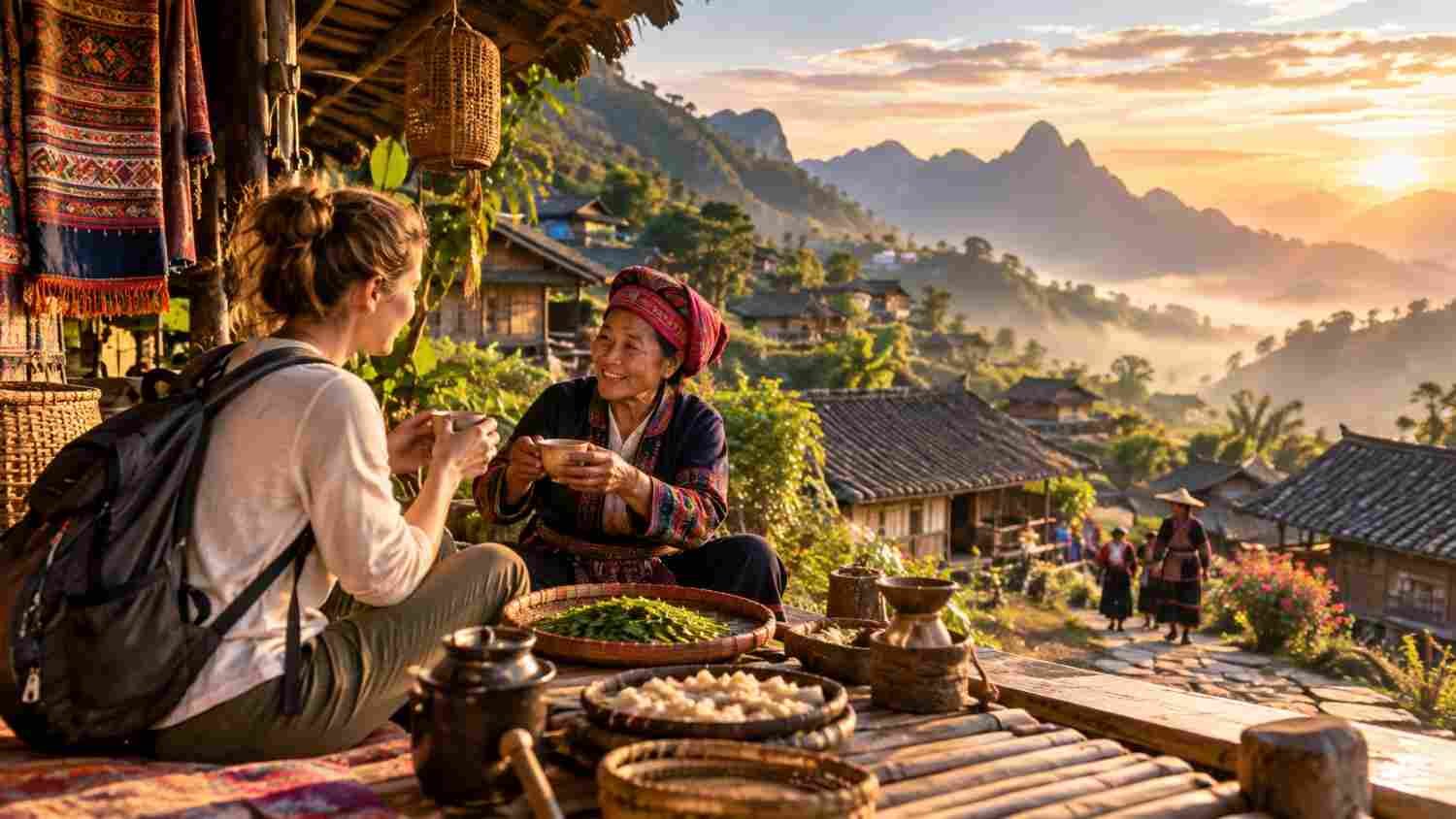
    Homestays are among the clearest examples. In northern Thailand, Karen communities offer stays in mountain villages, sustainable farming lessons, and traditional backstrap loom weaving. Around Sapa in northern Vietnam, homestays can introduce travelers to Hmong and Dao households, terraced agriculture, local foods, and rural routines.

    Food provides another natural entry point. A cooking session in a family home can reveal why ingredients matter, how seasonal produce is used, and how recipes pass between generations. It becomes less about eating a famous dish and more about understanding its setting.

    Crafts can be equally revealing. Weaving, pottery, woodwork, basketry, and metalwork often carry stories about place and identity. Paying for a workshop or buying directly from an artisan connects cultural appreciation with local income.

    Agricultural experiences add another layer. In rural Bali, visitors can learn about subak, the traditional cooperative irrigation system, while seeing how farming connects with community organization and religious life. Other experiences can include tea cultivation, rice farming, or harvests.

    Before joining a community-based activity, practical preparation can also make the experience more comfortable. Knowing what to pack for different climates in Asia helps travelers adapt to rural conditions, seasonal weather, and activity-specific needs without overpacking or overlooking useful essentials.

    Where Community Experiences Stand Out

    Strong opportunities appear away from major tourist centers. Near Siem Reap, Cambodia, community-led agricultural projects and artisan cooperatives offer a different perspective on Khmer culture than a visit focused only on monumental ruins. Travelers can see craft skills and farming alongside a famous destination.

    Laos offers another example. Around Luang Prabang, activities can include textile workshops, craft learning, and village-led ecotourism. Morning alms-giving is especially sensitive because it is a religious practice, not a tourist performance. Observing quietly, dressing appropriately, and keeping distance are essential.

    For travelers interested in communities whose traditions continue to change, how Asian traditions are adapting to modern life provides useful context. A living culture is not a museum. Younger residents may combine inherited skills with new businesses, digital tools, education, and contemporary design while maintaining connections to older practices.

    How to Choose an Experience That Actually Helps Locals

    Research before booking helps. Look for clear information about who runs the experience, where the money goes, and how residents participate in decisions. Community ownership helps, but transparency matters.

    Useful questions include:

    • Is the experience locally owned or operated?
    • Are hosts and artisans paid fairly?
    • Does the activity respect cultural or religious boundaries?
    • Does it encourage small-group interaction rather than mass tourism?

    Be cautious when an experience promises access to private ceremonies, sacred spaces, or vulnerable communities as entertainment. Authenticity should never remove a community’s right to refuse.

    Respect Matters as Much as the Experience

    Respect Matters as Much as the Experience

    Good cultural travel requires curiosity. Ask before photographing people, homes, religious objects, or ceremonies. Follow local dress expectations, especially around temples and sacred sites. If a host does not want something photographed, respect that boundary.

    Learning a few local words helps, but genuine respect goes further. Listen when a host explains a custom instead of comparing it with something familiar. Avoid assuming one community represents an entire region.

    Travelers can also look beyond famous monuments when planning an itinerary. Exploring lesser-known cultural heritage sites in Asia can spread visitor spending more widely and create opportunities to encounter living traditions without putting excessive pressure on a single landmark.

    Why Community-Based Travel Can Keep Culture Living

    Tourism cannot preserve every tradition, and it should not freeze cultures in the past. It can create conditions in which skills, stories, foods, and practices remain economically and socially meaningful.

    When younger generations earn from crafts, guiding, farming, hospitality, or cultural education, traditional knowledge can remain part of contemporary life rather than a demonstration. Strong projects connect heritage with livelihoods while letting residents decide what should be shared.

    What Makes These Experiences Worth Remembering

    The appeal of community-based travel is simple. Instead of collecting sights, travelers gain a better sense of how people live, work, celebrate, create, and adapt. It may involve a meal, weaving lesson, farm path, or evening conversation rather than a spectacular attraction. Those ordinary moments can provide a richer understanding of place.

    When tourism gives communities a fair voice and share of the benefits, cultural exchange becomes more balanced. Travelers leave with memories, while hosts gain income and greater control over how heritage is represented.

    Frequently Asked Questions 

    1. What is community-based cultural tourism?

    It is tourism planned, owned, or meaningfully managed by local residents, allowing visitors to experience traditions while contributing to community livelihoods.

    2. Are homestays a good way to experience local culture?

    Yes, when locally operated and respectful. They can provide insight into food, routines, family life, and traditions that organized sightseeing may not reveal.

    3. How can travelers avoid cultural exploitation?

    Choose transparent, locally led experiences, ask permission before taking photos, respect religious customs, and avoid activities that treat people or ceremonies as attractions.

    4. Does community tourism always benefit local residents?

    Not automatically. Benefits depend on ownership, fair payment, local decisions, visitor management, and revenue sharing.

    A More Thoughtful Way to Travel

    Community-based experiences encourage travelers to slow down and notice the people behind a destination’s familiar images. They make room for conversations, practical learning, and everyday encounters, giving hosts more control over how their culture is shared. That can make a trip feel more personal without turning local life into a performance.

    The best experience is not always spectacular. Often, it leaves both sides with something worthwhile.

  • Traditional Markets and Everyday Culture in Asia: What Travelers Notice First

    Traditional Markets and Everyday Culture in Asia: What Travelers Notice First

    I still remember the first time I walked through a traditional market in Asia. I expected rows of food and handmade goods, but what caught me off guard was how quickly the place felt alive. Vendors called to regular customers, knives struck cutting boards, scooters squeezed through narrow lanes, and unfamiliar aromas changed every few steps. It felt less like a shopping area and more like someone’s everyday routine.

    I also noticed that the most interesting moments were rarely obvious. A grandmother choosing vegetables, a vendor preparing breakfast, or a shopkeeper chatting with a neighbor told me more about local life than a polished attraction sometimes could. That changed how I look at traditional markets and everyday culture in Asia. They can be crowded, noisy, and ordinary.

    Why Traditional Markets Reveal Everyday Culture

    A traditional market is usually a practical place before it becomes a cultural experience. People come to buy ingredients, flowers, clothing, or breakfast. That purpose gives travelers a glimpse into neighborhood life.

    Morning hours can be revealing. Fresh produce arrives, breakfast stalls get busy, and regular customers make familiar stops. These routines show what families cook and how commerce works.

    Markets also operate as social spaces. A vendor may know customers by name or pause for conversation between transactions. Tea, gossip, quick meals, and bargaining can become part of the routine. The market can be a familiar neighborhood meeting point.

    The market can be a familiar neighborhood meeting point. Travelers interested in seeing this community life beyond commercial attractions can also explore local festivals beyond Asia’s tourist hotspots, where regional traditions and local participation offer another window into everyday culture.

    Food Offers a Direct Window Into Local Life

    Food Offers a Direct Window Into Local Life

    Food is usually the easiest cultural clue. Stalls may display herbs, chilies, fruit, noodles, fish, meat, spices, sweets, and unfamiliar ingredients. These products reveal what is seasonal or commonly cooked locally.

    Travelers do not need to recognize every ingredient. Notice what shoppers choose and how vendors clean, cut, wrap, grill, steam, or season food. Breakfast can reveal everyday regional habits.

    Wet markets add another layer. The term generally refers to markets where water is used for cleaning floors, produce, or food areas. Travelers may encounter open displays of seafood, meat, and fresh produce rather than chilled supermarket aisles. It shows how food moves from seller to household.

    Crafts and Skills Tell Another Story

    Traditional markets can reveal practical skills that are difficult to encounter elsewhere. Textiles, baskets, ceramics, jewelry, and handmade kitchen tools may sit beside mass-produced goods.

    Look beyond the finished product. The cultural story can be in techniques passed between generations, weaving patterns, local materials, or methods adapted to conditions. When these skills remain part of commerce, heritage stays connected to working life.

    Here, indigenous traditions and cultural experiences in Asia can add another layer to a trip.

    Travelers can encounter knowledge tied to land, materials, food, craft, and community rather than treating culture as a performance created solely for visitors.

    UNESCO also recognizes traditional craftsmanship as a form of intangible heritage where skills and knowledge are passed through communities.

    Every Region Has Its Own Market Rhythm

    Asia does not have one traditional market experience. Southeast Asian markets may feature floating boats, evening food stalls, narrow lanes, and dense street activity. Thailand and Vietnam show how food preparation and shopping can share compact spaces. Recent coverage of Asian floating markets also highlights early-morning trading, fresh produce, prepared food, and local routines.

    East Asian markets often have a structured rhythm, with covered stalls, organized food sections, prepared dishes, and modern conveniences. Taiwan and South Korea show how older habits adapt to urban life.

    South Asian markets can feel broader and more visually layered. Outdoor bazaars may bring together spices, flowers, textiles, produce, cookware, and street food. In India, the mix is striking, yet people are still buying, selling, eating, and meeting.

    Tourism Is Changing Traditional Markets

    Tourism changes some markets. Popular stalls may sell souvenirs, menus may add English, and spaces once used mostly by residents can become attractions.

    Modernization adds pressure through supermarkets, delivery services, digital payments, rising rents, and redevelopment. Some markets adapt by combining old businesses with newer formats. A market can change and still have cultural value. A stall accepting digital payments can reflect local life.

    The distinction matters because authenticity does not mean freezing a community in the past. Markets evolve alongside the people who use them. What travelers see today can be a mixture of inherited habits and newer realities.

    How to Experience a Market Respectfully

    How to Experience a Market Respectfully

    Enter with curiosity rather than expectations. Exploring local festivals beyond Asia’s tourist hotspots can also offer another perspective on community traditions. Observe first. If you want to photograph a vendor or someone’s close-up portrait, ask permission. Avoid blocking walkways, touching products unnecessarily, or disrupting workers.

    A few habits make the experience easier:

    • Visit during normal local hours and buy something when appropriate.
    • Learn a few polite local phrases.

    The most memorable moments are small: watching breakfast prepared with practiced speed, seeing flowers arranged for an offering, or noticing neighbors greet one another.

    Why Ordinary Market Life Stays With You

    The appeal of traditional markets and everyday culture in Asia is not that every market is exotic. These places are valuable because they reveal ordinary life while it is happening. Food is prepared for today’s customers, vegetables are chosen for tonight’s meal, and crafts support livelihoods. Those small details give travel a sense of place that polished attractions cannot always provide.

    A good market visit leaves you noticing more than what is for sale. You notice people, routines, skills, and relationships. That shift can turn a stop into a human part of a trip.

    Frequently Asked Questions 

    1. What is the best time to visit an Asian traditional market?

    Morning is often ideal for seeing residents shop for fresh ingredients and watching vendors begin the day’s work. Night markets offer a different social atmosphere when families and workers gather after dark. Both reveal distinct routines.

    2. Are traditional markets safe for travelers?

    Most established markets are accessible to visitors, but crowded areas require normal precautions. Keep valuables secure and follow local food and hygiene practices. Use extra care with unfamiliar foods if you have allergies or dietary restrictions.

    3. Should travelers bargain at traditional markets?

    It depends on the location. Bargaining is customary in some markets but inappropriate in others. Watch how local shoppers behave before negotiating.

    4. Can I photograph vendors and shoppers?

    Ask before taking close-up portraits. Wide market scenes are usually less intrusive, but respecting privacy should always come first. In busy spaces, step aside before stopping for a photograph.

    What Travelers Carry Home

    A traditional market can change how a traveler understands a place. Instead of remembering only landmarks, you may remember a particular smell, a vendor’s routine, a breakfast stall, or the sound of a busy morning. Those ordinary details often become the memories that make a place feel real.

    The best souvenir may be understanding local life.