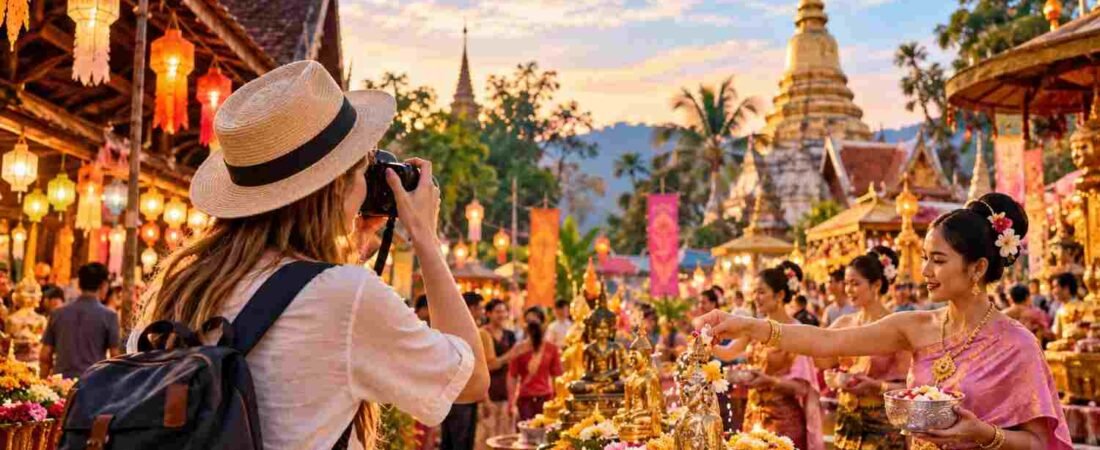
I used to think of Thai festivals mainly through crowded streets splashed with water, glowing lanterns, and colorful processions. Looking closer reveals neighbors preparing offerings, families passing down skills, and communities gathering together around beliefs that shape the year. The public celebration is only the visible part of a much longer process.
A festival can mark the start of a new season, honor elders, bring people back to their hometown, or give young residents a reason to learn an old craft. Preparations often begin weeks ahead, with tasks shared across households and age groups. The celebration’s shared memories strengthen local bonds.
Festivals That Belong to the Community
Thailand’s local festivals reflect a layered cultural history. Buddhist ceremonies sit alongside local spirit beliefs, folklore, and farming customs. Traditions vary by region: some celebrations are nationwide, while others belong to one province or cluster of villages. Local stories and landscapes help explain why customs differ, even when festivals share religious themes.
A local temple, or wat, often provides a gathering place. Temples bring religious practice and social relationships together. Residents may prepare decorations, cook, arrange performances, or welcome returning relatives. These gatherings give people opportunities to make merit, honor elders, and maintain relationships that extend beyond the festival itself.
Celebrations Shaped by the Seasons
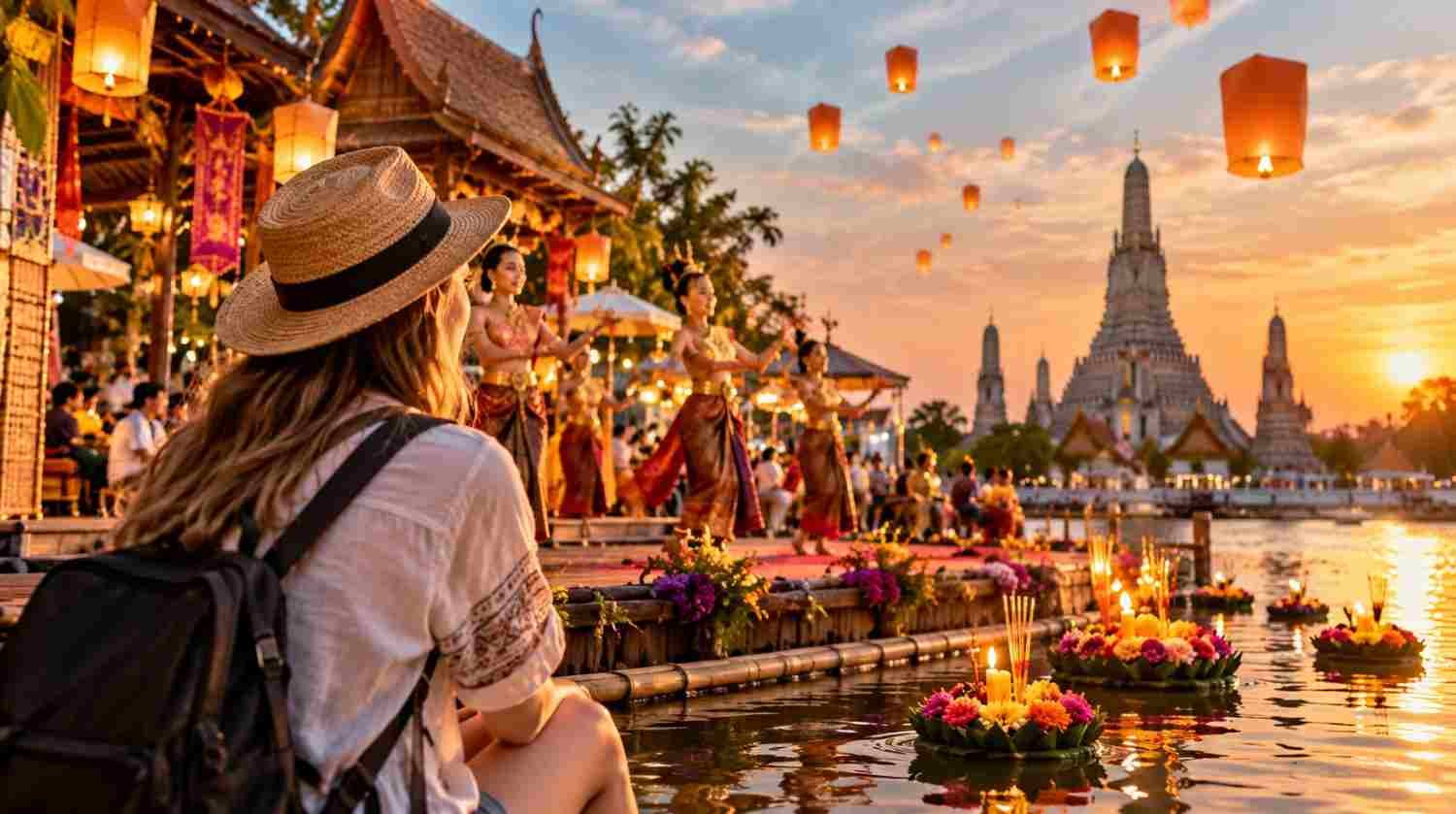
Songkran, held each April, marks the traditional Thai New Year. People visit temples, offer food to monks, pour scented water over Buddha images, and gently pour water over elders’ hands to show respect and receive blessings. The holiday also becomes a chance to travel home, share meals, clean family spaces, and reconnect with relatives who live elsewhere. Water play is only one visible part of a broader period of renewal. These gestures connect renewal with family ties.
Loy Krathong takes place on the full moon of the twelfth lunar month, usually in November. People float decorated baskets as a gesture of respect toward water and a symbolic release of misfortune. In northern Thailand, Yi Peng is associated with illuminated lanterns. Visitors should check local rules before joining lantern activities.
In northeastern Thailand, Bun Bang Fai, or the Rocket Festival, is tied to the approaching rice-planting season. Communities build and decorate rockets, hold processions, and ask for timely rain through traditions linked to local beliefs. Its agricultural roots are serious: rainfall can shape a household’s livelihood.
Masks, Candles, and Skills Passed Down
Phi Ta Khon, held as part of the Bun Luang Festival in Dan Sai, Loei Province, brings Buddhist storytelling and local spiritual beliefs together. Participants wear expressive masks made with traditional materials and join lively processions. Its meaning extends beyond the parade to ceremonies and community participation.
Ubon Ratchathani’s Candle Festival offers another view of living heritage. Before Buddhist Lent begins, artisans carve large wax sculptures that are displayed in processions. Residents, temples, schools, and local groups help younger people learn by doing. The finished sculptures represent more than artistic ability. They reflect the time, coordination, and shared commitment required to maintain a specialized craft.
These practices resemble Indonesia’s village rituals and living cultural heritage, where customs are sustained through participation and shared responsibility. In Thailand, a craft survives when people keep making it, teaching it, and finding a place for it in community life.
Everyday Culture Beyond the Parade
Food, music, clothing, and handmade objects help make a festival feel local. Families prepare dishes for relatives or temple visitors, while musicians and dancers rehearse before the main event. Local markets give artisans a place to sell textiles, decorations, and regional specialties. These exchanges support livelihoods and keep skills visible.
Traditions also change. Some young people leave their hometowns for education or work, making it harder to find time for long preparations. Festivals can create a reason to return, volunteer, and reconnect with local knowledge. Schools and community groups may help keep these skills visible, but the commitment of practicing makers remains essential. Materials may become easier to buy, younger makers may experiment with color or design, and organizers may adapt events for larger crowds. Change does not mean a tradition is lost. What matters is whether local people help decide how it develops.
That concern connects with Vietnam’s disappearing craft traditions and artisan villages, where the survival of handmade skills depends on whether new generations can learn them and earn a living from their work. Preservation works best when it supports tradition-bearers rather than treating customs as displays.
How to Attend With Respect
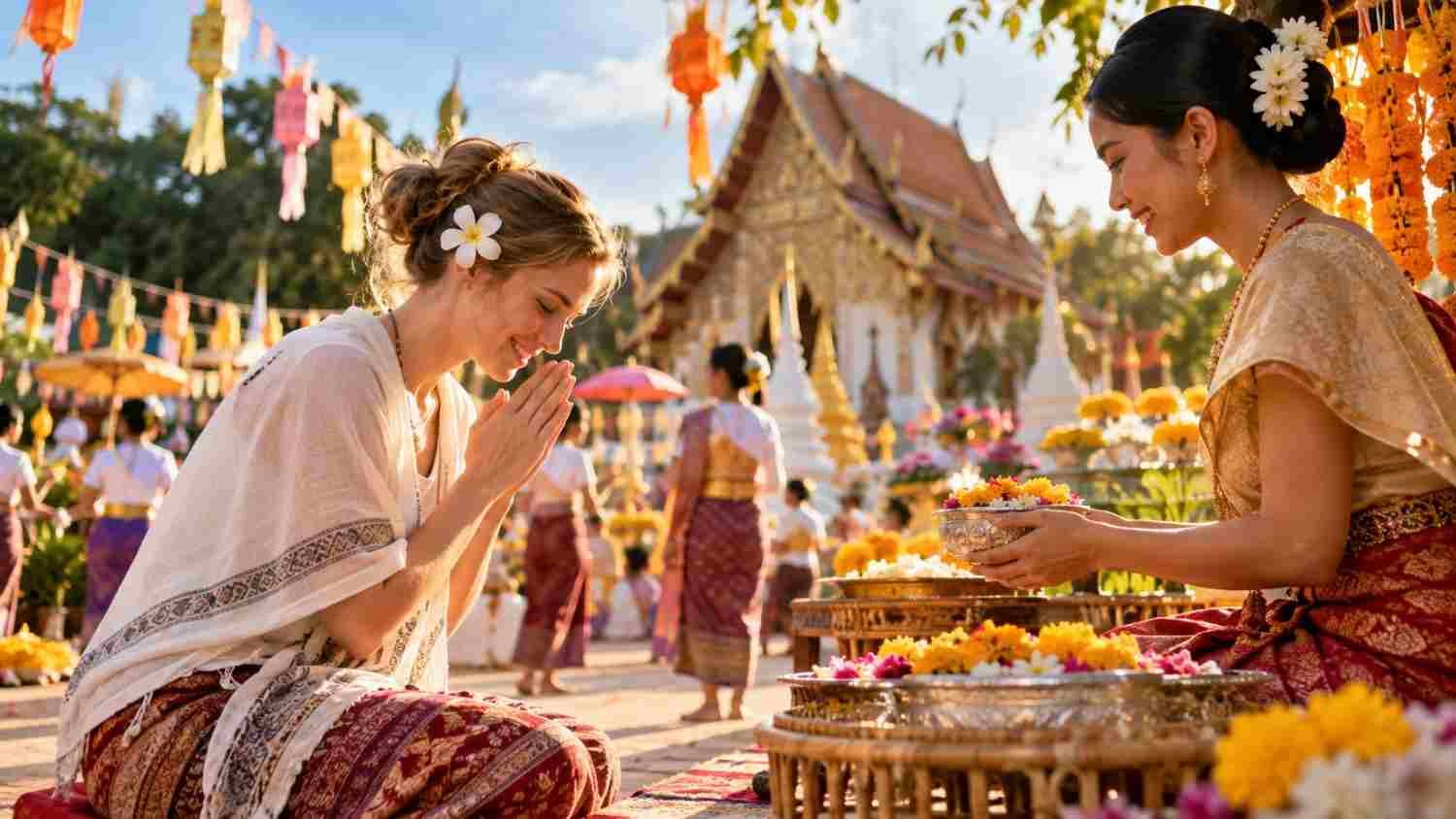
Check dates with local organizers because schedules can change. Dress appropriately, follow ceremony instructions, and ask before close-up photography. Do not touch offerings or religious objects unless invited.
Buy from local makers, eat at neighborhood stalls, and use local services. For rocket launches and lantern events, follow safety rules and avoid releasing anything where it is prohibited. Remember that residents may attend for spiritual, family, or personal reasons, not simply entertainment.
Why These Traditions Continue to Matter
A festival can look spectacular from the outside, yet its lasting value often lies in ordinary acts: someone teaching a child to shape wax, neighbors preparing food together, or an elder explaining why a ceremony happens at a particular time of year. Such moments give traditions a practical place in modern life. They connect people to their surroundings and to one another, even as work, technology, and travel change how communities live.
Memorable celebrations leave room for local life. A little patience and curiosity can reveal the relationships and skills that make each gathering meaningful across generations.
FAQs: Thailand’s Local Festivals and Traditional Community Culture That Keep Traditions Alive
1. Which Thai festivals show local community traditions?
Phi Ta Khon, Bun Bang Fai, and the Ubon Ratchathani Candle Festival highlight regional beliefs, craftsmanship, and community participation. Songkran also includes family and temple customs. Each offers a different view of how local identity is maintained through shared preparation, ceremonies, and skills passed between generations.
2. When is the best time to experience Thai festivals?
April is associated with Songkran, while Loy Krathong usually falls in November. Other festivals follow local or lunar calendars, so confirm dates before traveling. If your dates are flexible, check provincial tourism announcements and ask accommodations about smaller events nearby.
3. Why are temples important during festivals?
Temples often host merit-making ceremonies, food offerings, and gatherings. They connect religious observance with relationships among families, elders, and neighbors. Residents may also use temple grounds to organize activities and teach younger participants the customs behind a celebration.
4. How can visitors support cultural preservation?
Follow local etiquette, ask before taking close-up photographs, buy from local artisans, and respect safety rules. Participate only when community members welcome visitors. Choosing locally run food stalls and services also helps ensure that some festival spending reaches the people who sustain the tradition.