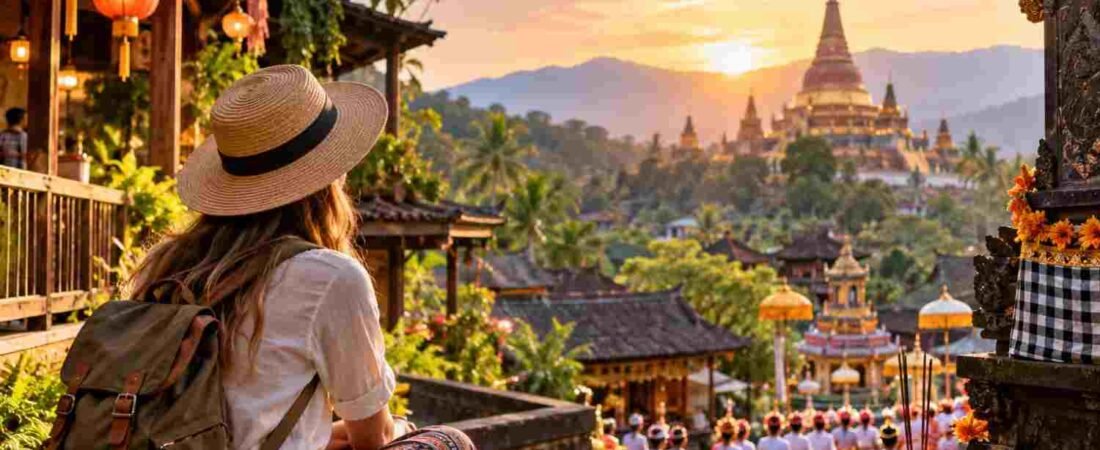
I have found that memorable trips often begin when I stop trying to see everything. A conversation with a shopkeeper, the smell of rice steaming in a family kitchen, or the sound of a loom behind an open doorway can reveal more than rushing between landmarks. These ordinary moments carry stories visitors rarely encounter on a standard sightseeing route.
I also notice that cultural experiences feel more meaningful when local people shape them. Watching a craft demonstration is interesting, but learning why a pattern matters adds another layer. Living heritage experiences across Asia invite travelers to learn through daily customs, traditional skills, food, celebrations, and shared community spaces.
What Makes Heritage Feel Alive?
Living heritage is culture practiced, taught, and adapted by people today. It includes weaving, seasonal festivals, songs, family recipes, religious observances, and knowledge used to build traditional homes. These traditions depend on people using and passing them on.
A historic building shows how a community lived in the past, while an artisan reveals how it continues to change. Traditions are not frozen in time. Makers experiment with materials, younger generations adapt designs, and ceremonies respond to changing circumstances while retaining meaningful elements.
Experiences That Bring Asia’s Traditions Closer
Japan: Craft, tea, and hospitality
In Kyoto, a stay at a traditional inn, or ryokan, introduces travelers to customs surrounding hospitality, seasonal meals, and architecture. A tea ceremony offers another window into Japanese culture. Its careful movements reflect years of practice and ideas about respect and concentration.
Local studios may offer pottery, textile, or other regional craft workshops. Choose sessions led by working craftspeople, and ask before photographing their work. A short class can reveal the patience behind an object.
Indonesia: Batik and carved traditions
Yogyakarta is associated with batik, a textile tradition in which wax resists dye to create intricate patterns. In a workshop, travelers see how designs emerge through repeated steps. Patterns may carry regional meanings, so asking about them can turn a souvenir stop into a real exchange.
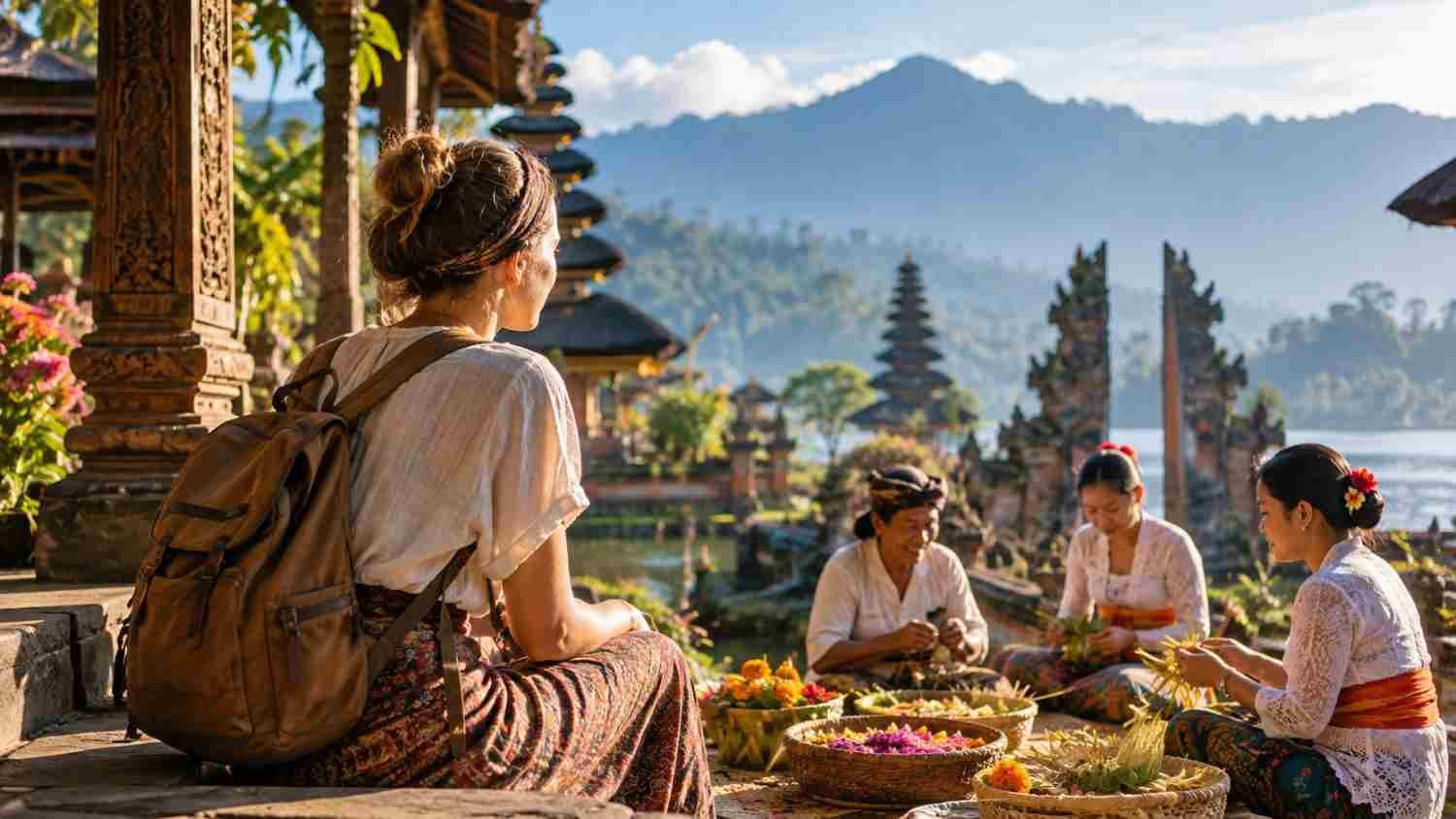
Bali is known for woodcarving and artistic practices connected to local belief. Seek workshops that explain who makes each piece and how skills are learned. Buying directly from an artisan or cooperative can help keep traditional work viable.
Laos: Understanding a sacred morning ritual
In Luang Prabang, the morning alms-giving ceremony, known as Tak Bat, is a Buddhist practice with deep religious significance. It is not a performance staged for tourists. Keep a respectful distance, dress modestly, stay quiet, and avoid flash photography or stepping into the monks’ path. If you do not understand the custom, observe rather than join in.
Vietnam: Skills passed between generations
In Hanoi and Hoi An, travelers can look for workshops involving pottery, silk, lacquer, and other regional crafts. Demonstrations become more rewarding when makers explain the tools and decisions behind each stage. Producing a finished item can require years of practice.
For visitors interested in Vietnam’s disappearing craft traditions and artisan villages, meet craftspeople as skilled professionals, not attractions. Ask whether beginners are welcome and whether the fee supports the maker. Some traditions face pressure from factory goods and fewer apprentices, while communities are finding new audiences and adapting their work.
Bhutan: Festivals and community life
In Bhutan, local festivals may bring together masked dances, music, religious observances, and neighbors dressed for the occasion. Archery matches and rural hospitality offer insight into social life. Dates vary, and some ceremonies have access rules, so check arrangements with local hosts.
How to Travel With Respect
Good cultural travel begins before arrival. Learn a few greetings, check clothing expectations, and ask permission before photographing people, homes, ceremonies, or workshops. A public event does not mean everyone welcomes close-up photography. During religious observances, follow local hosts and avoid interrupting the practice.
Choose small-group experiences where residents set the terms and receive fair payment. Ask what the fee includes and whether the activity supports a community organization. When shopping, find out who made an item and how it was produced. Bargaining aggressively over handmade work can undermine the skills that attracted you.
For travelers drawn to Thailand’s local festivals and traditional community culture, planning around a regional celebration can be rewarding when the visit respects local schedules. Festivals are living events, not guaranteed shows, and dates can change. Follow local guidance and remember that residents attend for reasons beyond tourism.
Why Supporting Living Heritage Matters
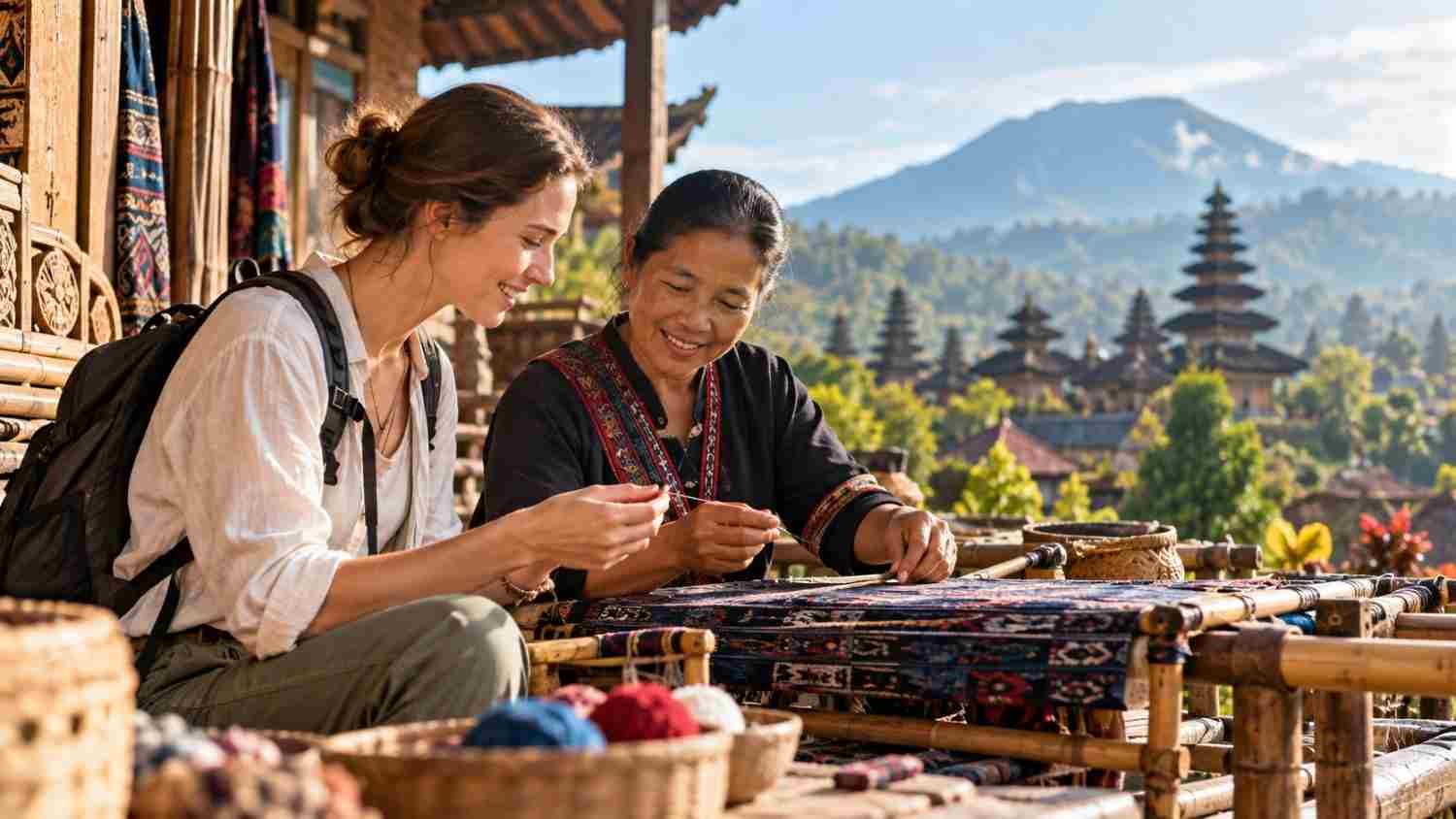
Traditional knowledge survives when people have opportunities to pass it on. Paying for a workshop, buying directly from a maker, or booking a community-run tour can contribute. It does not guarantee a tradition will continue, but it can create demand for skills that take time to learn.
Communities may change traditions, share them selectively, or move them into new settings. Respect means accepting those choices instead of expecting every encounter to match a romantic idea of the past.
The Memories That Travel Home
The strongest cultural encounters leave you noticing details you once overlooked: the labor behind woven cloth, the care involved in preparing tea, or the coordination of a neighborhood festival. These details make a destination more than a collection of sights. They show how people create meaning through shared knowledge and relationships across generations.
You do not need to master a craft or join every ceremony. Arrive thoughtfully, pay fairly, ask good questions, and leave room for local life to unfold without you.
FAQs: Living Heritage Experiences Across Asia for Travelers Seeking Authentic Culture
1. What does living heritage mean?
Living heritage includes traditions practiced and passed between generations, such as crafts, foodways, festivals, music, rituals, and local knowledge. These traditions remain meaningful because communities continue to use and adapt them.
2. How can I find authentic cultural experiences?
Look for community-run tours, working artisan studios, small workshops, and local guides who explain the people and practices behind an experience. Ask who leads the activity and how residents benefit.
3. Is it respectful to photograph ceremonies?
Ask first and follow local guidance. Some ceremonies restrict photography, and visitors should never interrupt participants, block a ritual, or treat worship as a staged performance.
4. How can travelers support traditional artisans?
Book workshops directly when possible, buy items from their makers, and pay fair prices. Ask about materials and production methods, and remember that handmade work reflects time, skill, and knowledge.