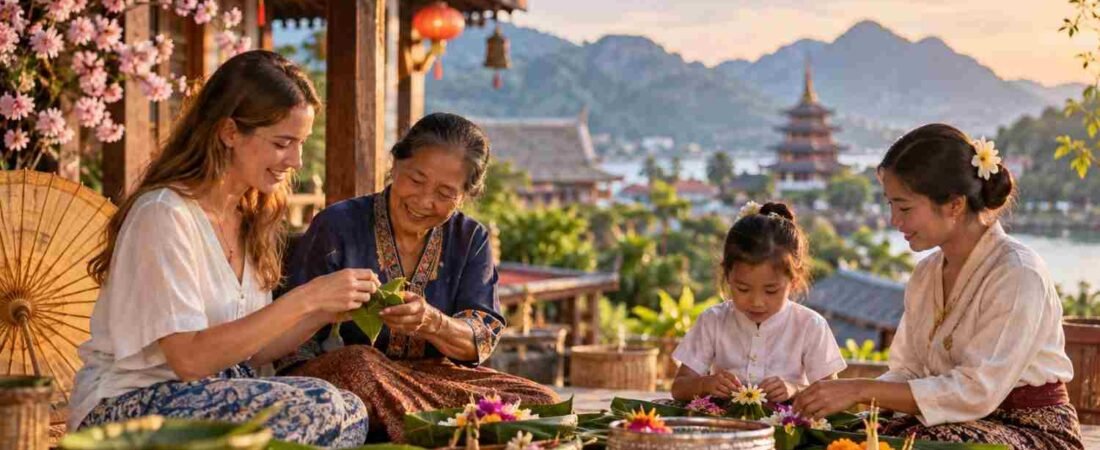
I’ve noticed that some of the most meaningful cultural experiences happen away from famous landmarks nearby. They unfold when relatives gather to prepare a meal, neighbors rehearse an old song, or a grandparent explains why a ceremony follows a particular order. These moments can look ordinary to outsiders, yet they carry memories and values that families have protected for decades.
I’ve also found that a tradition doesn’t need to remain unchanged to stay alive. Young people may move to cities, use phones to record elders, or adapt a craft for new audiences. What matters is whether the knowledge still travels between people, giving the next generation a reason to understand where it came from.
What Makes a Tradition Worth Preserving?
A living tradition is more than an old custom performed on special occasions. It can include music, food, seasonal ceremonies, storytelling, craftsmanship, and the unwritten rules that help a community live together. These practices hold local knowledge that rarely fits neatly into a textbook: how to recognize a season, welcome a guest, honor ancestors, or work as a group.
Traditions also change. Communities may adjust a ceremony to reflect new beliefs, different livelihoods, or changing family roles. That doesn’t automatically make the practice less authentic. The key is that community members continue to recognize its meaning and decide how it should be passed on.
Forgotten Traditions Still Practiced Across Asia
The Amis Harvest Festival in Taiwan
Among Taiwan’s Indigenous Amis people, the annual Ilisin, or Harvest Festival, brings together ceremony, song, dance, feasting, and community responsibilities. The timing and customs vary between villages, but the festival honors ancestors and gives thanks for the harvest. People who live elsewhere may return home to take part.
Age groups have specific responsibilities, and younger participants learn directly by joining the preparations and following the songs and movements of older community members. During circle dances, the order of participation can reflect the community’s age-based social structure. The festival is therefore more than a celebration: it is a way to teach shared history and cooperation.
Visitors should remember that some ceremonies are sacred and not staged for an audience. Local guidance matters, especially around photography and participation.
Mongolian Long Song and Nomadic Memory
Mongolian Urtiin Duu, known as long song, uses extended syllables, ornamented melodies, and a broad vocal range. Its sound is closely connected to the pastoral life of Mongolian communities and the open grasslands where herding has shaped daily routines. The songs are performed at events such as weddings, celebrations, and Naadam.
Traditionally, musical knowledge passes through listening, repetition, and practice. A young singer learns more than a melody: lyrics and performance styles carry images of horses, landscapes, family life, and values associated with nomadic culture. Urbanization and changes in herding life have made some of this knowledge harder to maintain, but performances and contemporary compositions keep the tradition present.
The long song shows how a cultural archive can live in a person’s voice rather than on a page.
Filial Piety in Chinese Family Life
The Confucian idea of xiao, often translated as filial piety, emphasizes respect for parents and elders, family responsibility, and care across generations. Its expression varies among families and regions, but it remains visible in practices such as visiting relatives, supporting aging parents, and gathering for major holidays.
The Spring Festival is one occasion when family ties become visible, as many people travel to reunite with relatives. Families may also remember ancestors through offerings, visits, or shared stories. These practices connect younger relatives with family histories, even when they have grown up in cities far from their ancestral homes.
Filial piety can be interpreted differently by different generations. Some families balance traditional expectations with independence, work demands, and changing ideas about caregiving. That conversation is part of how the custom continues to evolve.
Lanna Lantern Craft in Northern Thailand
In northern Thailand, Lanna cultural traditions include making decorative lanterns from materials such as bamboo and paper. Lanterns are associated with seasonal celebrations and local craft knowledge, although customs vary by place and event. In some communities, artisans and apprentices keep the techniques alive through hands-on workshops.
Making a lantern involves more than decorating its surface. The maker must understand the frame, balance, folds, and how the material responds during construction. When an experienced craftsperson demonstrates each step, younger learners gain skills that are difficult to absorb from photographs alone.
Thoughtful celebrations can also consider environmental effects. Reusable or managed decorations and locally organized events may preserve the visual tradition without treating mass releases as the only way to participate. For travelers, a community workshop can offer an experience rather than watching a festival from the sidelines. Thailand’s local festivals and traditional community culture offer a useful starting point for understanding how celebration and everyday heritage connect.
Why Traditions Can Be Hard to Pass On

Migration, long working hours, changing land use, and fewer opportunities to learn from elders can interrupt cultural transmission. A craft may become difficult to sustain if it no longer provides a reliable income. A song may fade when younger people rarely hear it outside formal performances. Sacred customs can also be misunderstood when presented without context.
Preservation works best when communities lead it. Recording songs, teaching crafts in schools, supporting local practitioners, and creating opportunities for young people to participate can all help. Documentation is valuable, but it cannot replace the relationships through which a tradition is learned.
Experiencing Living Heritage Respectfully
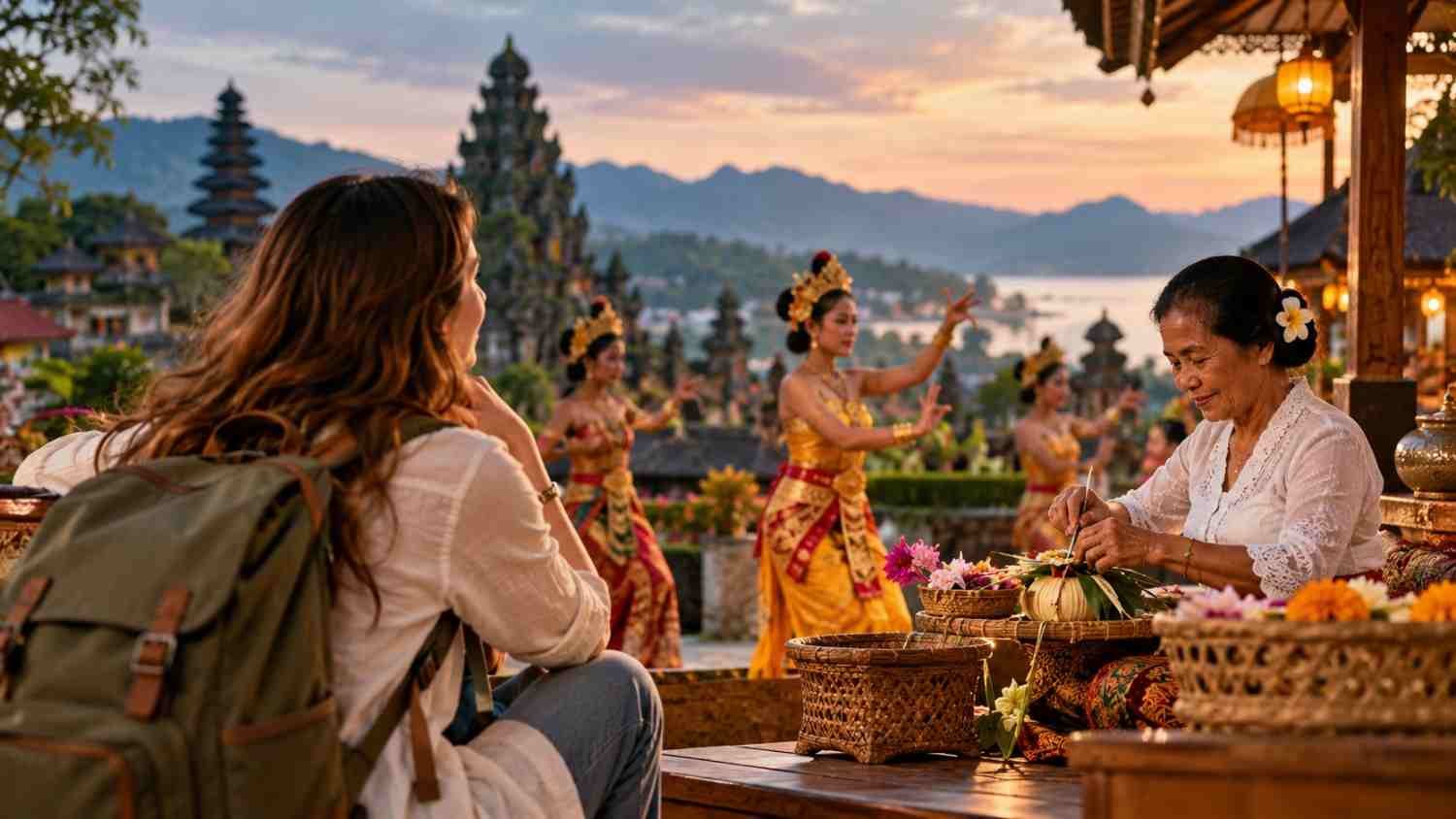
Travelers can support cultural continuity by choosing community-led experiences, buying crafts directly from makers, and asking before photographing ceremonies or people. It helps to learn what a practice means locally instead of assuming that every ritual is open to visitors. Living heritage experiences across Asia are most meaningful when visitors approach them with curiosity and respect rather than treating culture as a performance arranged for them.
The Connections That Remain
These traditions differ in language, setting, and purpose, yet each depends on people showing up for one another. A dance teaches social roles through movement. A long song carries landscapes and memories in its melody. Family rituals make care and belonging visible, while a handmade lantern passes a skill from practiced hands to curious ones. None is frozen in the past; each survives through choices made in the present.
Lasting heritage is not simply what people remember. It is what they continue to share.
FAQs: Forgotten Traditions Still Alive in Asia That Connect Generations
1. What are some forgotten traditions still alive in Asia?
Examples include the Amis Harvest Festival in Taiwan, Mongolian long singing, family ancestor rituals, and traditional lantern craftsmanship in northern Thailand.
2. Why are traditional customs important to younger generations?
They connect young people with family history, community values, local knowledge, and cultural identity. Taking part also creates opportunities to learn directly from older generations.
3. Are Asian traditions disappearing because of modernization?
Some practices face pressure from urbanization, migration, and changing lifestyles. Others adapt through workshops, schools, community events, and digital documentation.
4. How can travelers experience traditional Asian culture respectfully?
Choose community-led activities, purchase authentic local crafts, follow photography rules, and ask permission before joining ceremonies. Respect practices that are private or sacred.