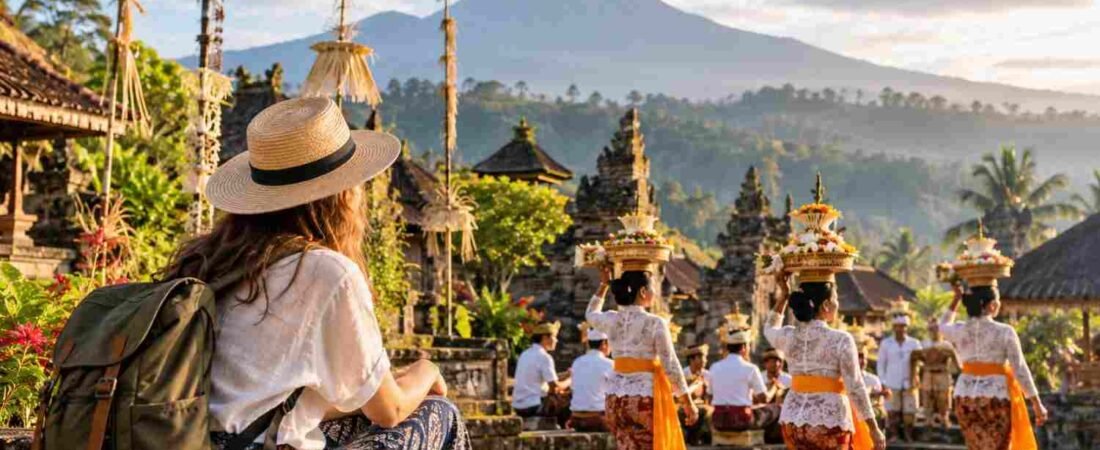
I have always found rural traditions fascinating because they reveal how people build a sense of belonging through ordinary routines. In Indonesia, village life often connects farming, family responsibilities, ancestral beliefs, and community celebrations. What looks like a simple ceremony to an outsider may carry generations of memories, local knowledge, and obligations that still shape how people live.
I also noticed that Indonesia’s cultural identity becomes more complex when you look beyond its famous beaches and busy cities. In remote communities, traditional houses, shared land, customary rules, and seasonal rituals remain closely connected. These practices are not simply reminders of the past. For many villagers, they continue to influence relationships, livelihoods, and the way communities respond to change.
How Customary Traditions Shape Village Life
One important foundation of rural Indonesian culture is adat, a broad term for customary practices, traditions, and community rules. Depending on the region, adat can influence marriage, inheritance, dispute resolution, land use, and ceremonies. Elders and community leaders often help interpret these customs, while collective discussion can play an important role in resolving disagreements.
Communal land is another significant part of customary life. Known in some communities through the term tanah ulayat, it refers to territory held under the customary rights of an Indigenous community. Such land can support farming, forests, water access, and shared livelihoods. Indonesia’s land administration framework recognizes customary land rights, although their legal recognition and management depend on applicable requirements.
These arrangements demonstrate that cultural heritage involves more than clothing, dance, or festivals. It can also include systems for managing resources and maintaining relationships between neighbors.
Tana Toraja and the Importance of Ancestral Connections
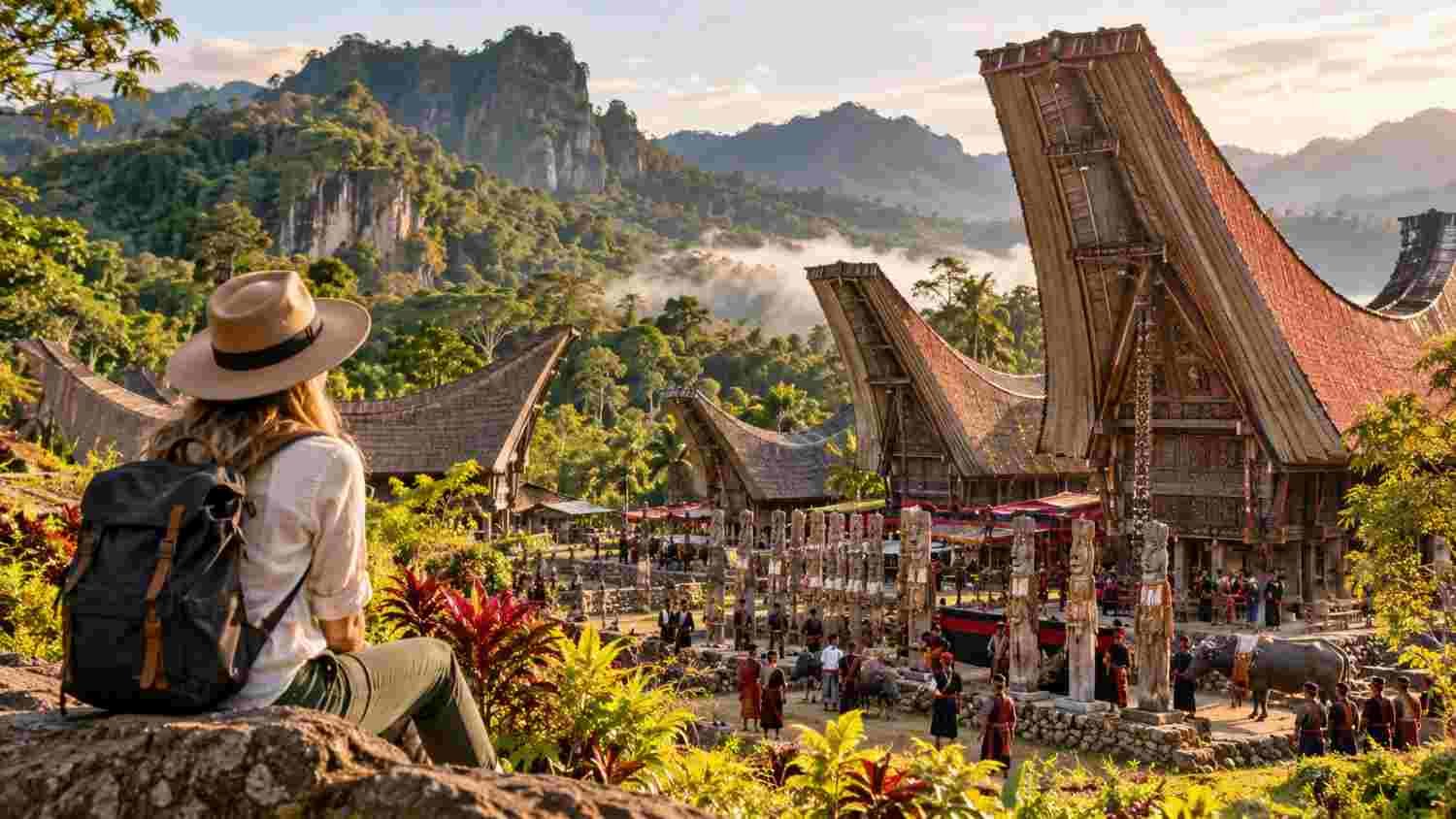
In South Sulawesi, the Toraja people are known for distinctive architecture, elaborate funeral traditions, and strong connections between family identity and ancestral memory. Traditional tongkonan houses have sweeping roofs and carved decorations that communicate family history and social identity.
Funeral ceremonies hold particular significance because death is understood through a wider network of family relationships, beliefs, and responsibilities. Preparations may involve relatives traveling from elsewhere, contributions from extended families, and gatherings that require considerable planning. The scale and details of ceremonies vary according to family circumstances and local customs.
Traditional burial sites, including cliffside graves and rock-cut tombs, also reflect the relationship between landscape and cultural belief. These places should not be treated merely as unusual sightseeing stops. They hold meaning for families and deserve the same respect visitors would offer any sacred site.
Sumba’s Traditional Houses and Sacred Landscapes
On the island of Sumba, traditional villages preserve distinctive houses with tall, steeply pitched thatched roofs. In communities following the ancestral Marapu belief system, architecture can express relationships between the living, ancestors, and the spiritual world.
Some villages also feature megalithic stone graves that serve as important markers of family history and ceremonial life. The placement of houses, communal spaces, and burial structures reflects local social organization as well as spiritual beliefs.
Ceremonies may involve livestock offerings, gatherings, and ancestral observances. Their meaning extends beyond the event itself, bringing relatives together and reaffirming responsibilities within the community. Practices differ between communities, so it would be misleading to describe every Sumbanese village as following identical customs.
Wae Rebo and Rituals Tied to the Agricultural Year
High in the mountains of Flores, Wae Rebo is known for its traditional Mbaru Niang houses, circular buildings with distinctive conical roofs. Their architecture reflects local knowledge, available materials, and the importance of shared village spaces.
One significant tradition is Penti, a thanksgiving ceremony associated with the agricultural cycle. The celebration expresses gratitude for the previous harvest and hopes for a prosperous growing season. Rituals, traditional songs, offerings, and community gatherings connect agricultural work with spiritual beliefs and collective identity.
The ceremony also illustrates how seasonal traditions can organize a community’s understanding of time. Farming is not merely an economic activity when harvests influence celebrations, relationships, and hopes for the coming year.
Similar connections between place, belief, and seasonal life appear elsewhere in Asia, including Japan’s lesser-known seasonal traditions and local festivals, where regional communities also maintain celebrations linked to nature and changing seasons.
Community Cooperation in West Sumatra
In West Sumatra, Minangkabau communities maintain traditions that emphasize cooperation, shared responsibilities, and collective identity. The practice of batobo, associated with cooperative work, reflects the value of people helping one another with agricultural tasks.
Another tradition, bakaua, is an agricultural thanksgiving ritual documented in Nagari Sijunjung. It brings together ritual, collective memory, and hopes for agricultural well-being. Research into the practice shows how traditions can persist while communities respond to modernization and changing social conditions.
These customs demonstrate that living heritage does not survive through ceremonies alone. It also depends on everyday participation, shared labor, storytelling, and the willingness of younger generations to learn from older community members.
The same broader principle appears in India’s regional traditions beyond major tourist cities, where local customs often remain closely connected to agriculture, community relationships, and regional identity.
Preserving Heritage While Village Life Changes
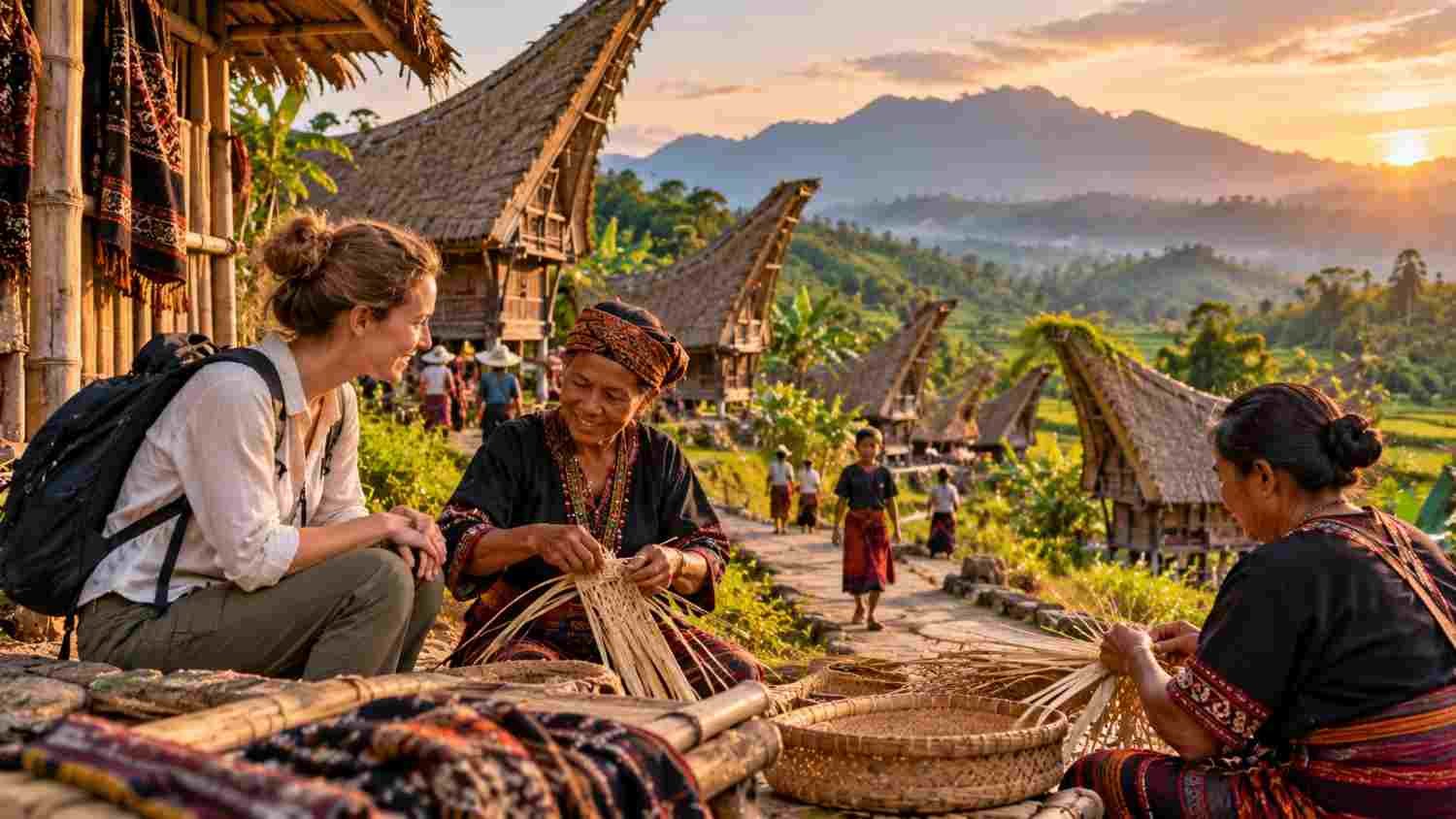
Traditional communities are not frozen in time. Education, migration, technology, new employment opportunities, and changing religious practices all influence village life. Some families adapt older customs, while others maintain selected traditions and allow different practices to fade.
Kampung Naga in West Java offers an example of a community known for maintaining customary architecture and environmental practices. However, it is more accurate to describe its approach as selective cultural preservation than to assume every resident rejects modern technology.
Tourism can provide income for local households and encourage the maintenance of traditional buildings. It can also create pressure when sacred ceremonies become performances designed around visitor expectations. Community control over access, photography, and cultural interpretation matters.
Visitors can help by asking permission before photographing residents, following local instructions, dressing appropriately, and hiring local guides when available. During ceremonies, observe quietly rather than assuming every activity is open to outsiders.
Why These Traditions Continue to Matter
Indonesia’s village rituals reveal how heritage remains connected to practical life. Shared land can support livelihoods, customary rules can guide relationships, and seasonal ceremonies can bring dispersed families together. Architecture and oral histories preserve knowledge that might otherwise disappear, while community participation gives traditions meaning beyond their appearance.
The most valuable way to understand these places is to recognize that they belong first to the people who maintain them. Their customs can evolve without losing their significance, and their future depends partly on whether communities retain the freedom to decide what should be preserved.
Cultural heritage stays alive when people continue to find meaning in it, not simply when visitors come to see it.
FAQs: Indonesia’s Village Rituals and Living Cultural Heritage in Remote Rural Communities
1. What is adat in Indonesia?
Adat refers to customary traditions, social norms, and community practices. Depending on the community, it may influence family relationships, ceremonies, land use, and dispute resolution.
2. What is Penti in Wae Rebo?
Penti is a traditional thanksgiving ceremony associated with the harvest and the agricultural year. It includes rituals and communal activities rooted in Manggarai cultural traditions.
3. Why are traditional villages important in Indonesia?
They preserve architectural knowledge, oral histories, customary practices, and community relationships. Many also maintain traditional approaches to agriculture and environmental stewardship.
4. Can travelers attend village ceremonies?
Access varies by community and ceremony. Visitors should ask permission, follow local guidance, respect restrictions, and avoid treating sacred practices as entertainment.