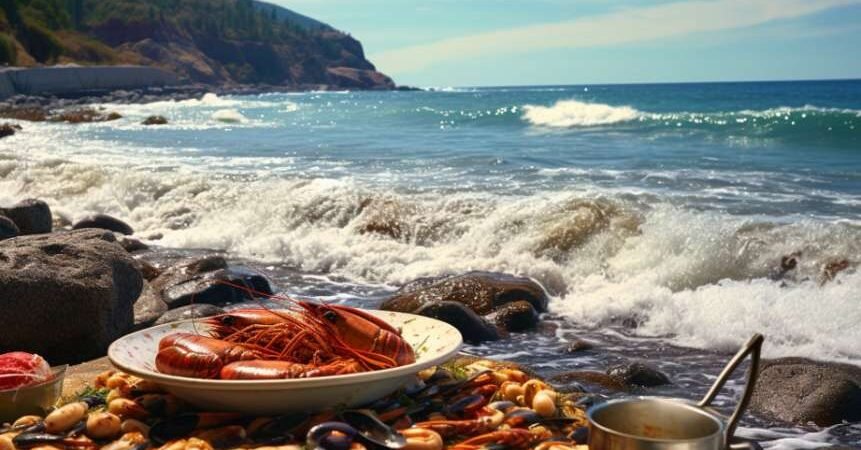
Some road trips are about mileage. This one is about what happens when the Atlantic coastline changes the food on your plate.
I would start in Connecticut’s tidal shoreline, follow the coast through Rhode Island’s shellfish country and Massachusetts’ historic fishing towns, then keep moving north toward Maine’s rocky peninsulas and working lobster piers. A carefully planned New England seafood road trip reveals that New England seafood is far more diverse than a single lobster roll. Every state brings its own traditions, from buttery lobster and clear clam chowder to whole-belly fried clams and classic Maine lobster bakes.
For travelers in the U.S. looking for a coastal food trip that combines scenery, maritime culture, and regional specialties, this route delivers all three.
Where Should You Start a New England Seafood Road Trip?
Connecticut: Start With the Hot-Buttered Lobster Roll
Connecticut is the logical starting point, especially around Mystic, Noank, Clinton, and the eastern shoreline.
Local tourism sources trace the lobster roll’s Connecticut roots to Milford, where hot lobster meat with melted butter became the defining preparation. Today, the Connecticut-style lobster roll usually arrives warm rather than chilled and mayonnaise-based.
I would order one simply prepared, ideally with freshly cooked lobster, melted butter, and a toasted roll. The lack of heavy dressing allows the sweetness of the lobster to remain the focus.
Mystic also makes a useful base because you can combine seafood with a historic waterfront, maritime attractions, and short drives to small shoreline communities.
What Seafood Should You Eat in Rhode Island?
Try Clear-Broth Chowder and Traditional Stuffies
Once I cross into Rhode Island, I would shift away from lobster and focus on clams, oysters, and quahogs.
Rhode Island’s clear clam chowder stands apart from creamy New England chowder and tomato-based versions. It leaves out both cream and tomato, allowing a clear broth and clam flavor to take center stage.
Another essential dish is the stuffie. These baked stuffed quahogs typically combine chopped clam meat with breadcrumbs, herbs, seasonings, and, in some preparations, sausage such as chorizo. Rhode Island tourism describes quahogs as hard-shell clams closely tied to the state’s food traditions.
Newport makes an easy road-trip stop, but I would also look beyond the city’s polished waterfront and seek smaller coastal communities where shellfish and clam-shack culture still feel closely connected to the water.
Where Can You Find Classic Fried Clams in Massachusetts?
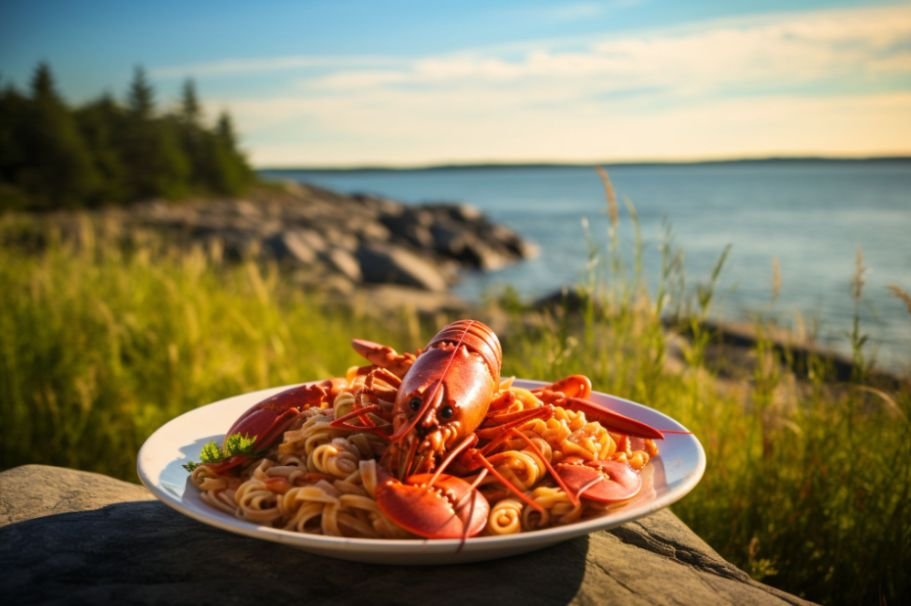
Head for Essex, Ipswich, and Gloucester on the North Shore
North of Boston, the Massachusetts North Shore becomes one of the most important sections of the trip.
Essex and Ipswich are particularly famous for whole-belly fried clams. Unlike clam strips cut from larger sea clams, whole-belly clams retain the soft belly and deliver a much richer, brinier flavor.
Woodman’s of Essex is closely associated with the history of the fried clam, while the Clam Box in Ipswich remains another well-known stop in the region. Traditional preparation can involve dipping shucked clams in milk or evaporated milk, coating them in corn flour, and frying them until crisp while keeping the clam itself tender.
Gloucester adds another dimension. Its working fishing-port atmosphere reminds me that this food culture developed around an industry, not simply tourism.
If you have additional days, Cape Cod can add scallops, chowder, raw bars, and another layer of coastal New England dining, although summer traffic can make the detour much longer than it looks on a map.
Is New Hampshire Worth Adding to the Seafood Route?
New Hampshire’s coastline is short, but I would not skip it.
A drive along coastal Route 1A through Hampton and Rye provides a pleasant break between Massachusetts and Maine. Seafood shacks, fried fish, clams, and lobster rolls fit naturally into the journey without requiring a major detour.
Portsmouth also works well as an overnight stop before crossing into Maine.
Why Is Portland Essential for Seafood Lovers?
Mix Traditional Maine Lobster With a Modern Seafood Scene
Portland offers something different from the classic roadside clam shack.
Along the city’s working waterfront, lobster remains central, but visitors can also find oysters, mussels, scallops, locally landed fish, and modern interpretations of traditional Maine seafood. Maine’s official tourism site specifically highlights Portland’s working waterfront and its many lobster-focused experiences.
This is where I would intentionally change the pace of the New England seafood road trip. After several casual seafood shacks, a more contemporary seafood restaurant helps showcase how New England coastal cooking continues to evolve.
Where Should You Stop Along Midcoast Maine?
Follow Route 1 Toward the Working Lobster Piers

From Portland, I would head north toward Boothbay Harbor, Wiscasset, Rockland, Camden, and eventually Mount Desert Island.
This stretch delivers the classic image many travelers have in mind when they imagine a Maine seafood road trip: narrow coastal roads, fishing boats, wooded peninsulas, lobster traps, rocky coves, and simple waterfront dining.
Working lobster piers provide one of the most memorable experiences. At places such as Boothbay Lobster Wharf and Beal’s Lobster Pier, visitors can dine close to active fishing operations where boats unload their catch nearby.
I would choose a whole steamed lobster at least once rather than eating lobster rolls throughout the entire trip.
Traditional lobster-bake experiences add another layer. Lobster, potatoes, corn, and other accompaniments may be steamed together, turning the cooking process into part of the meal itself.
When Is the Best Time to Take This Coastal Food Trip?
Late spring through early fall is the easiest window.
Many classic seafood shacks, lobster docks, and waterfront restaurants operate seasonally, so I would verify opening dates before driving a long distance for a particular stop.
June and September are especially appealing because they can offer pleasant coastal weather without the heaviest peak-summer crowds.
Should You Carry a Cooler on the Road?
I would.
A cooler becomes useful if you buy smoked fish, fresh seafood, oysters, or other local products during the trip. Some small seafood establishments also have limited beverage offerings, although policies vary by business, so travelers should always check before bringing outside drinks.
If you enjoy road trips built around regional food traditions, a Texas BBQ road trip itinerary offers another way to explore local specialties, iconic food stops, and distinct culinary communities across a single route.
If you enjoy planning road trips around regional food traditions, the Louisiana Cajun food road trip offers another example of how a food-focused route can connect local specialties, small-town stops, and distinctive culinary traditions.
The bigger lesson is not to stay glued to the highway.
Some of the most memorable seafood experiences are located down side roads near working harbors, marinas, docks, and the ends of coastal peninsulas.
How Many Days Do You Need?
I would allow seven to ten days for the full route.
Seven days works if you keep moving steadily from Connecticut to Maine. Ten days gives you room for Cape Cod, more time in Portland, and slower exploration of Midcoast Maine.
Trying to complete the route in three or four days would mean spending too much time behind the wheel and not enough time exploring the communities that give the food its character.
If you enjoy building trips around regional cuisine, culinary road trips in the USA offer plenty of other routes where local dishes, food traditions, and distinctive communities shape the journey.
Frequently Asked Questions
1. What are the must-try foods on a New England seafood road trip?
I would prioritize a Connecticut-style warm lobster roll, Rhode Island clear clam chowder and stuffies, Massachusetts whole-belly fried clams, local oysters and scallops, and a whole steamed Maine lobster.
2. Where does the lobster roll road trip begin?
Connecticut makes a natural starting point because the state is closely associated with the hot-buttered lobster roll, particularly along its shoreline.
3. Is Maine the best state for lobster?
Maine offers an exceptional concentration of lobster wharves, seafood shacks, fishing communities, and working waterfront experiences, making it an essential destination for lobster-focused travelers.
4. Are seafood shacks open year-round in New England?
Not always. Many traditional coastal shacks and lobster piers operate seasonally, commonly from late spring into early or mid-fall. Always confirm hours before visiting.
Following the Flavor of the Atlantic Coast
What makes this route memorable for me is not any single restaurant. It is the way the food changes as the coastline changes.
Connecticut introduces warm buttered lobster, Rhode Island brings quahogs and clear chowder, Massachusetts delivers fried-clam traditions, and Maine finishes the journey with working lobster piers and dramatic coastal scenery.
That progression is what turns a collection of seafood meals into a genuine New England seafood road trip. Instead of racing between famous restaurants, I would leave time for harbor roads, unexpected docks, small fishing towns, and those quiet peninsula stops where the Atlantic is only a few feet from the picnic table.