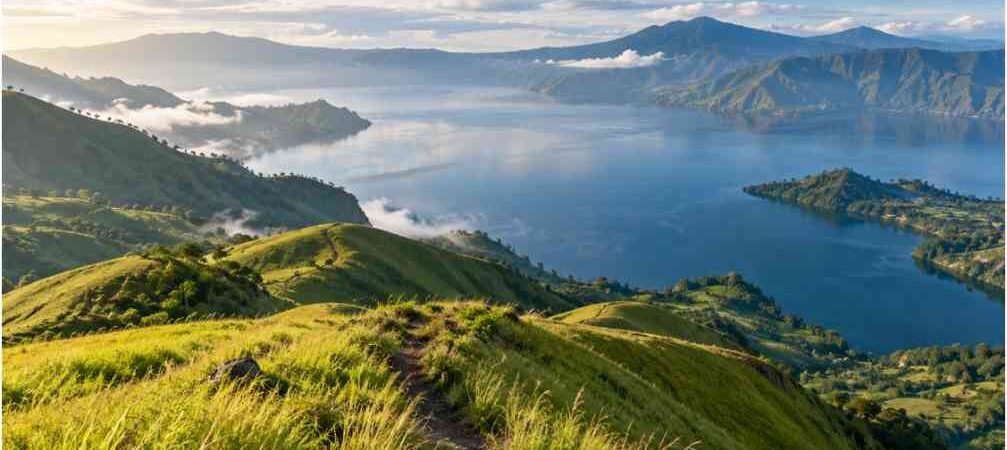
When I planned my journey through western Indonesia, I wanted untamed landscapes, rare wildlife, and deep cultural roots. Finding the top places to visit in north sumatra indonesia changed how I view adventure travel. This province combines primary equatorial rainforests with the largest volcanic crater lake on Earth.
From the quiet shores of Lake Toba to the misty canopies of Mount Leuser, North Sumatra delivers raw beauty without mass-market crowds.
The Wild Rainforest: Bukit Lawang and Tangkahan
The northern stretch of Sumatra houses one of the most biodiverse ecosystems on our planet. Stepping into the jungle here feels like entering a prehistoric world.
[Medan Gateway]
|
(3.5 hrs by car)
|
[Bukit Lawang Trailhead]
|
(Dense Jungle Trek)
|
[Gunung Leuser Canopy]
Trekking with Orangutans in Bukit Lawang
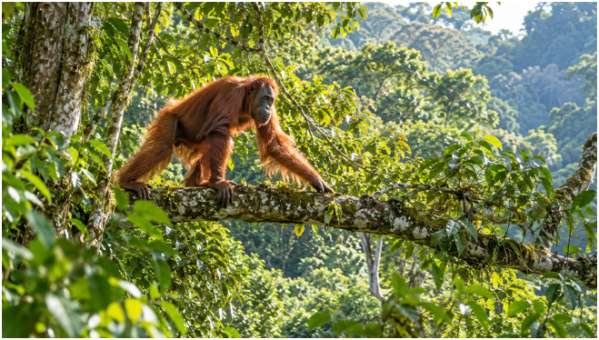
Bukit Lawang sits alongside the Bohorok River on the border of Gunung Leuser National Park, a protected UNESCO World Heritage site. This rainforest is one of the last places where critically endangered Sumatran orangutans roam free in their natural habitat.
During my two-day trek through the park, I spotted three wild orangutans swinging effortlessly across the 100-foot canopy. The trails are steep, slick with clay, and humid.
Local Field Tip: Skip expensive imported hiking boots that take days to dry. Stop at a local village shop and buy Sepatu Getah (flexible rubber cleated shoes) for about $3. Their studded soles grip wet clay better than any luxury trail runner.
Guides here strictly enforce ethical boundaries. Maintain a 30-foot distance from all primates and pack out every scrap of rubbish. To return to the village, hop into a linked chain of large inner tubes and float down the Bohorok River rapids directly to your eco-lodge.
Low-Impact Sanctuary Life in Tangkahan
Two hours over rough gravel from Bukit Lawang lies Tangkahan, an eco-village founded on community-led conservation. Once threatened by illegal logging, the village transitioned to sustainable forestry and tourism.
Tangkahan is far quieter than Bukit Lawang. You can swim in clear natural rivers fed by hidden hot springs, walk across suspension bridges, and watch rescued elephants bathe in the river shallows alongside their mahouts. It is remote, peaceful, and refreshingly devoid of tourist crowds.
Ancient Calderas and Volcanoes: Lake Toba to Mount Sibayak
Moving south into the central highlands, the landscape transforms from humid lowland rainforests to cool volcanic plateaus.
Samosir Island and Batak Culture at Lake Toba
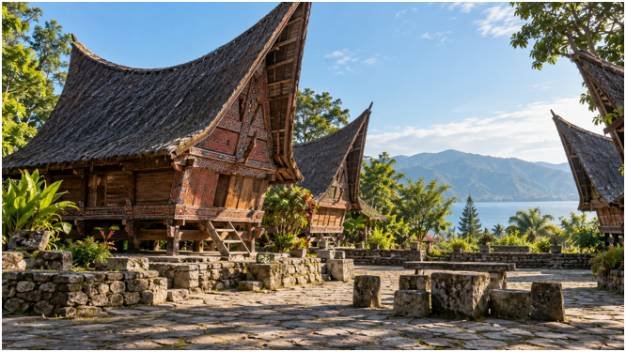
Lake Toba is a geological titan. Formed by a supervolcanic eruption roughly 74,000 years ago, it remains the largest volcanic lake on Earth. In the center sits Samosir Island, an island roughly the size of Singapore.
I based myself in Tuk Tuk, a tranquil peninsula on Samosir Island. The best way to explore is to rent a scooter and ride along the caldera perimeter:
- Batak Architecture: Admire the horn-shaped, boat-like roofs of traditional Batak houses in villages like Tomok and Ambarita.
- Cultural History: Visit the ancient stone chairs of King Siallagan, where tribal justice and royal councils occurred centuries ago.
- Panoramic Vistas: Hike up Holbung Hill for unobstructed views across the shimmering blue water framed by mountain ridges.
The water is clean, warm, and perfect for afternoon swims after a long day in the saddle.
Sunrise Climbs up Mount Sibayak in Berastagi
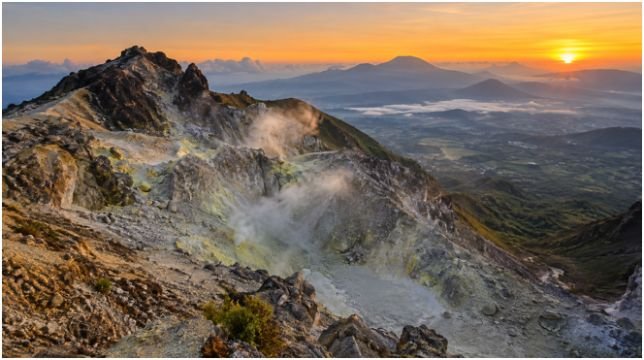
Berastagi is a crisp mountain town nestled between two active volcanoes: Mount Sinabung and Mount Sibayak. While Sinabung remains unpredictable, Mount Sibayak is accessible for independent hikers.
I started my trek at 4:30 AM from the Jaranguda trailhead. The trail climbs through mossy cloud forest before breaking onto an open volcanic landscape. By 6:00 AM, I reached the summit crater rim.
Steam vents hiss underfoot, filling the air with sulfur clouds as the morning sun illuminates the Karo highlands below. Afterward, head down the western flank to soak in the geothermal pools of Semangat Gunung to soothe your joints.
Cultural Gateways and Coastal Breaks: Medan to Nias Island
Beyond the central mountain spine, North Sumatra offers rich urban architecture and legendary coastal surf.
Culinary Stops and Colonial Heritage in Medan
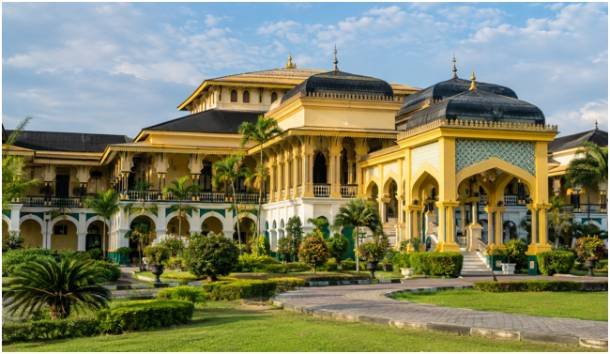
Medan is Sumatra’s commercial capital and main international transit gate. Travelers often rush through it, but spending a full day here reveals incredible culinary culture and architecture reminiscent of classic historic cities to visit.
Visit the 19th-century Maimun Palace to admire Malay, Islamic, and European design motifs. Walk through the 35-room mansion of merchant Tjong A Fie to explore Chinese-Peranakan heritage.
Before leaving, stop at an open-air cafe for a warm bowl of Soto Medan—a rich, spiced coconut soup infused with lemongrass and galangal. For comprehensive city maps and heritage schedules, check the Indonesia Travel Official Portal.
Megaliths and World-Class Surf on Nias Island
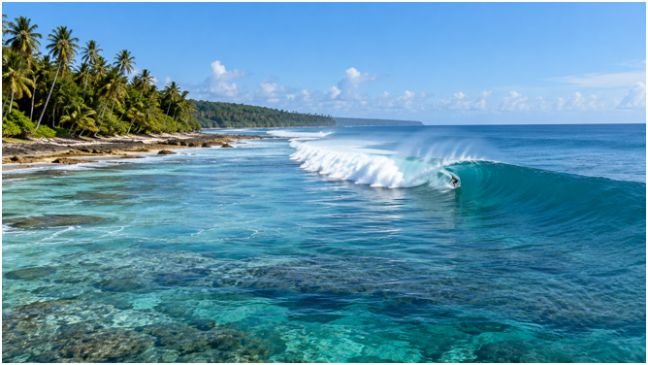
Located off the western coast in the Indian Ocean, Nias Island is famous among surfers for the legendary right-hand reef break at Sorake Beach.
Away from the waves, Nias preserves a megalithic tribal culture. In mountain villages like Bawomataluo, young men continue the tradition of Fahombo—leaping barefoot over two-meter-high stone towers to prove their courage.
North Sumatra Transit and Route Efficiency Breakdown
Navigating the province requires patience. Mountain roads wind through steep topography, making point-to-point transit longer than straight-line map distances suggest.
| Route | Distance | Typical Drive Time | Best Transit Mode | Road Condition |
| Kualanamu Airport (KNO) to Bukit Lawang | 130 km | 3.5 – 4.5 hours | Private car / Shared tourist van | Paved highway, narrowing to bumpy secondary roads. |
| Bukit Lawang to Berastagi | 140 km | 4.5 – 5.5 hours | Private driver | Scenic, winding mountain passes; occasional roadwork. |
| Berastagi to Lake Toba (Parapat) | 110 km | 3.5 – 4 hours | Tourist shuttle or private taxi | Paved; passes Sipiso-Piso waterfall viewpoint. |
| Medan to Nias Island (Gunungsitoli) | Island transfer | 1 hour flight | Regional turboprop flight | Flights depart daily from Kualanamu Airport. |
To maximize your time, plan an open-jaw overland route: Medan Bukit Lawang Berastagi Lake Toba Silangit Airport (DTB). Flying out of Silangit saves you the grueling six-hour drive back to Medan. If you love discovering remote archipelagos like the island destinations in the philippines, Sumatra should be at the top of your list.
North Sumatra Travel FAQs
1. What is the single best month to explore North Sumatra?
July is the driest and clearest month for both jungle trekking and crater climbs.
2. Do I need a licensed guide for trekking in Bukit Lawang?
Yes, national park regulations require certified local guides to protect both wildlife and visitors.
3. How do I reach Samosir Island from the mainland?
Take the regular passenger or car ferry from the lakeside town of Parapat directly to Tuk Tuk or Tomok.
4. Is North Sumatra safe for independent solo travelers?
Yes, locals are exceptionally welcoming, though booking private drivers makes remote transit far simpler.
Ditch the Tourist Trail and Head Inward
North Sumatra rewarded me with wild encounters and genuine cultural hospitality. Instead of rushing between sights, give each stop the time it deserves. Pack light, lace up a pair of rubber trekking shoes, and hit the jungle trail.