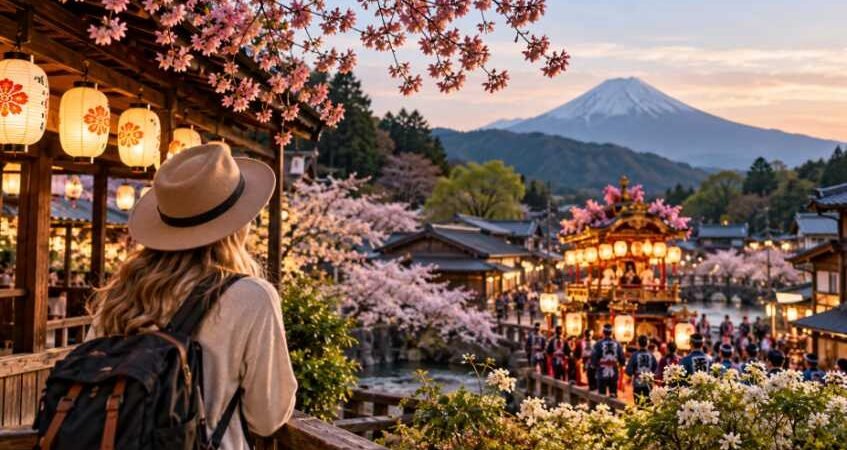
I used to think of Japan’s festival calendar in terms of its biggest spectacles: packed streets, towering floats, and famous summer fireworks. Looking more closely at regional celebrations changed that picture. Some of the most memorable traditions happen in small towns, where a few lanterns, a familiar folk song, or a ritual repeated for generations can say more about local life than a grand parade.
I’ve come to appreciate how closely these customs follow the seasons. Japan’s lesser-known seasonal traditions and local festivals grew from local concerns and beliefs, making them more than smaller versions of major events.
Spring Traditions That Welcome Renewal
Spring is often associated with cherry blossoms, but it also brings quieter religious observances. At temples and shrines, ceremonies welcome renewal, honor local deities, or ask for health and a good growing season.
Hana Matsuri is a Buddhist celebration of the Buddha’s birth, commonly observed on April 8. At participating temples, visitors pour sweet tea over a small statue of the infant Buddha in a flower-decorated pavilion. The name means “flower festival,” offering a spring experience centered on a shared religious ritual rather than blossom viewing.
Summer Festivals Built Around Community
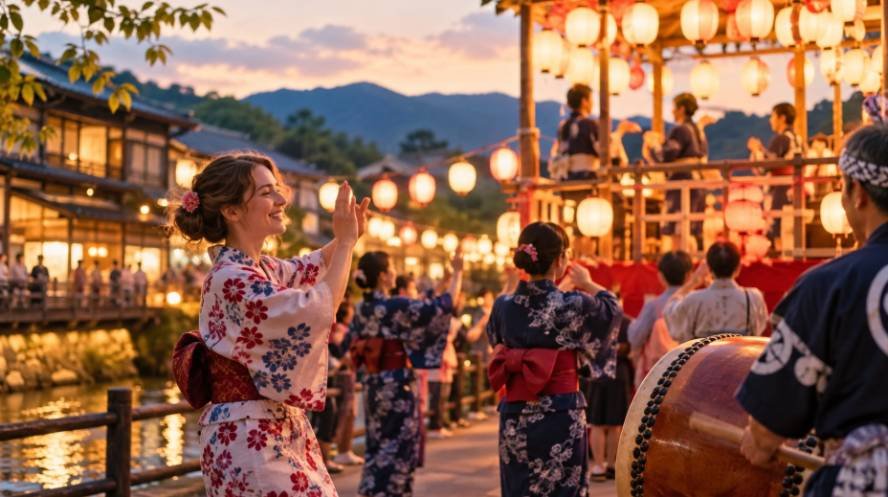
Summer matsuri bring neighborhoods together through music, dancing, food stalls, and rituals to protect people or honor the dead. During Bon, families remember ancestors and gather for traditional dancing. Local music and costumes vary by town.
In Yanai, Yamaguchi Prefecture, the Kingyo Chochin Festival turns historic streets into a glowing display of goldfish-shaped paper lanterns. The lantern, known as a kingyo chochin, is a local folk craft, not just seasonal decoration. The festival is held on August 13, around the Obon period, when many people return to their hometowns. Lanterns, a parade float, and traditional dancing make the evening festive, while the familiar craft gives it a strong sense of place.
Explore the old streets before the evening events, and check the official schedule before making a special trip.
Autumn’s Quiet Prayers for a Safe Harvest
Early autumn brings the Owara Kaze no Bon festival to Yatsuo, in Toyama Prefecture, from September 1 to 3. Under paper lanterns, dancers wearing woven hats and traditional clothing move through narrow streets to the restrained sounds of shamisen, kokyu, and drums. The mood is graceful rather than noisy, and the procession feels closely tied to the town itself.
The festival grew from prayers against destructive winds and for a successful harvest. Storms could damage crops just before harvest, so the ritual had practical meaning. Each of Yatsuo’s districts has its own music, dress, and movements.
Notice the music, lantern light on old wooden buildings, and precise movements. Crowds gather at popular viewing points, so follow local instructions and keep residents’ routes clear.
Winter Rituals Shaped by Snow and Belief
On New Year’s Eve in the Oga Peninsula of Akita Prefecture, the Namahage tradition brings masked figures in straw garments to local homes. They call out to children and households, challenging laziness and misbehavior while also offering blessings for health and good fortune. The figures can look frightening, but the custom is more complex than a simple scare ritual. It connects folklore, household well-being, and the passing of the year.
Practices vary, and some events are staged for visitors. Do not assume you can enter private neighborhoods or photograph household visits. Follow local rules and remember that the tradition belongs to the community.
Further south, the Yunishigawa Kamakura Festival in Tochigi Prefecture transforms a snowy hot-spring village with small snow huts illuminated by candlelight. The main festival period usually runs from late January into early March, though dates and lighting schedules change each year. At night, the warm points of light against the snow create an intimate scene quite different from a large city illumination.
Kamakura means snow houses here. Activities and access vary by venue, so check opening details and riverside lighting dates before visiting. Winter weather can affect roads and local transport, so leave room in your schedule for delays. Warm footwear matters, too, because visitors may spend time outdoors on snow or icy paths while waiting for the lights to come on before departure.
For travelers planning longer journeys between regions, understanding how to use night trains when traveling in Asia can also help when an evening departure or overnight journey fits better than adding another daytime travel connection.
How to Experience Local Festivals Respectfully
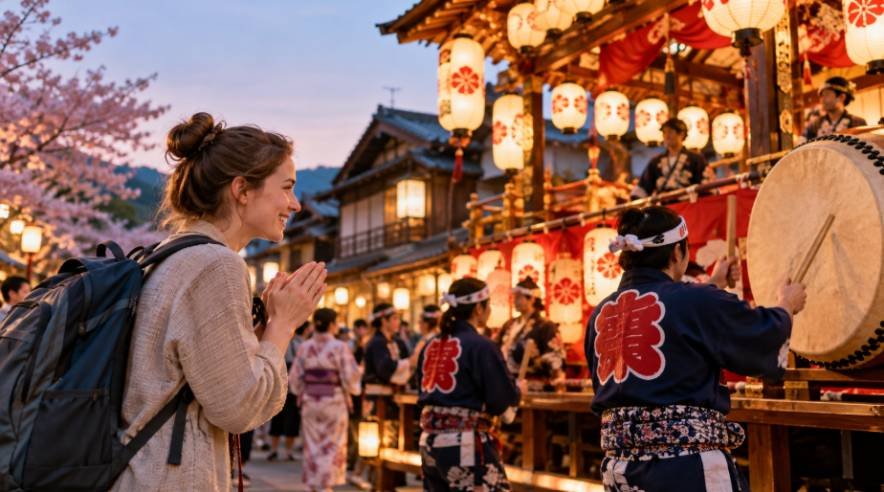
Plan ahead by confirming dates with the local tourism association or municipality. Some events use fixed dates; others change schedules or access. In rural areas, check the last train or bus before evening events.
Because smaller festivals may take place in rural areas where payment options can be more limited, it is also worth knowing how to manage cash and card payments while traveling in Asia before you arrive. Carrying a practical backup payment method can make it easier to buy local food, crafts, or transport without disrupting your plans.
During ceremonies, follow photography rules. Do not touch offerings, enter restricted areas, or treat performers as props. Buying local food or crafts can support tradition-bearers, but do not assume participation is welcome.
The Traditions That Stay With You
A small festival is memorable because of the relationship between a place and the custom it protects. A handmade lantern, a dance passed between generations, or a snowy winter figure visiting homes can hold stories about work, weather, family, and belief. These traditions are not frozen in the past; communities adapt them while deciding what to preserve. Curiosity and respect help visitors see the people behind the spectacle.
For travelers interested in discovering more regional culture beyond Japan’s most familiar destinations, the best places to visit in Kyushu Japan offer another way to experience distinctive local landscapes, communities, and traditions.
A festival can last only a few hours, yet reveal how a town understands its history and its place in the year. Sometimes that quiet glimpse is the part of a journey you remember longest.
Frequently Asked Questions
1. What does matsuri mean in Japan?
Matsuri is the Japanese word for a festival, often connected with a shrine, local deity, seasonal event, or community tradition. The meaning and customs differ by place.
2. When is the best time to see local festivals in Japan?
There is no single best season. Spring has temple ceremonies, summer brings many neighborhood festivals, autumn features harvest-related events, and winter offers snow and New Year traditions.
3. Are lesser-known festivals suitable for international visitors?
Many welcome visitors, but some rituals are intended mainly for residents. Check local guidance, respect photography rules, and avoid entering private or restricted spaces.
4. Do festival dates change each year?
Some festivals take place on fixed dates, while others vary according to the calendar, weather, or local arrangements. Confirm the current schedule with official local tourism sources before traveling.