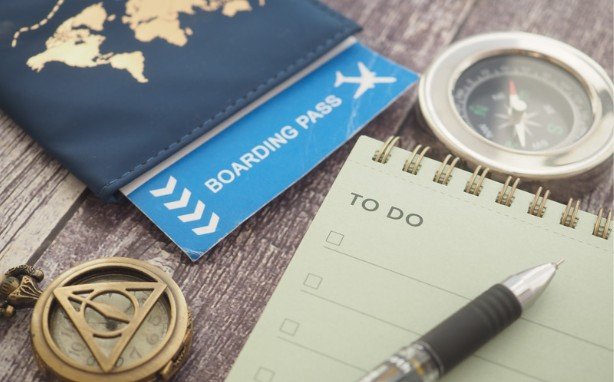
I find that an exciting travel wishlist becomes much less appealing when every second morning involves packing a suitcase. When planning how to create a two week asia travel itinerary, I start with the time available between arrival and departure, then choose destinations that fit comfortably inside it.
A rewarding trip needs more than famous landmarks. It needs sensible connections, manageable costs, and space to enjoy unexpected discoveries. The following approach helps you turn scattered ideas into a practical fourteen-day journey.
1. Count Your Actual Travel Days
First, decide whether two weeks means fourteen days away from home or fourteen days in Asia. International flights, overnight connections, and time-zone changes can make these very different schedules.
Write down your expected arrival and departure times before allocating sightseeing days. An evening arrival leaves little room for exploring, while an early departure effectively removes your final day.
Distinguish Days From Nights
Count hotel nights separately. Arriving on day one and leaving on day fourteen normally means thirteen nights. This simple check prevents accommodation gaps and sample schedules that accidentally exceed your holiday.
Keep the arrival day light, especially after a long flight.
2. Choose a Region Before Choosing Countries

Asia is too extensive to treat as one compact destination. Start by identifying the experiences you want: historic neighborhoods, food markets, mountain scenery, beaches, or contemporary cities.
Then select a region that supports those interests. Southeast Asia offers combinations of temples, tropical landscapes, and lively cities. East Asia can suit travelers interested in urban exploration, cultural landmarks, and rail journeys.
Match Your Route to Your Travel Month
Check seasonal conditions for each intended stop. Weather patterns vary within countries, particularly between coastlines, islands, mountains, and inland cities.
Avoid assuming that neighboring destinations share identical conditions. Research regional rainfall, extreme heat, major holidays, and seasonal closures before committing to accommodation.
3. Limit Your Overnight Bases
For a balanced starting point, consider three or four bases across fourteen days. A single-country trip can offer plenty of variety, while a carefully chosen two-country pairing adds contrast.
Each move includes checkout, transport, waiting, arrival, and finding your next hotel. A short flight can still consume much of a day.
Choose additional countries only when their connections support your priorities. Geography alone does not guarantee convenient transport.
Use day trips to expand your experiences without repeatedly changing hotels. Staying longer also gives you more flexibility when weather interrupts an outdoor activity.
4. Build a Budget Around the Whole Journey

Set your total spending limit before selecting hotels and activities. Separate international airfare from accommodation, regional transport, meals, attractions, insurance, and entry-related expenses.
As you plan your first trip to Asia, accommodation calculations should reflect whether you are paying alone or sharing a room. Activity costs should include transfers and equipment when these are charged separately.
Allow for Easily Missed Expenses
Baggage fees, airport transfers, mobile data, laundry, and booking charges can noticeably increase spending. Set aside a contingency amount rather than allocating every available dollar in advance.
Compare complete transport costs. A cheaper flight may become less attractive once baggage and distant airport transfers are included.
5. Arrange Transport Before Filling Your Days
Sketch your route in a logical direction. Compare arriving in one city and departing from another with returning to your starting point.
Check available connections for your actual dates. Include the journey from your hotel to the station or airport, check-in requirements, and onward transport after arrival.
Avoid placing expensive, time-sensitive activities immediately after a transfer. Delays can turn a tightly scheduled afternoon into a costly disappointment.
Choose accommodation near the areas you expect to explore. A convenient location can save substantial time across several days.
6. Choose a Sample Route That Fits Your Pace

A Single-Country Journey
A Thailand example could allocate days one through four to Bangkok, day five to travel, days six through eight to Chiang Mai, day nine to another transfer, and days ten through thirteen to one beach base. Day fourteen is departure.
Choose the beach region after checking seasonal conditions and connections.
A Neighboring-Country Pairing
For Vietnam and Cambodia, consider days one through four in Hanoi, day five transferring to central Vietnam, and days six through eight around Hoi An. Reserve day nine for reaching Siem Reap, days ten through thirteen for temples and downtime, and day fourteen for departure.
Verify connections before adopting this outline.
A Faster City-Focused Alternative
Singapore, Kuala Lumpur, and Bangkok provide another possible combination. Allocate four days to each city, two transfer days, and include arrival and departure within those city blocks.
This option prioritizes urban experiences over countryside or beach time.
7. Add Flexibility and Check Booking Requirements
Schedule one main experience each day, with optional activities nearby. Leave room for meals, rest, and spontaneous discoveries.
Before paying, check passport validity, entry requirements, transit conditions, cancellation terms, and insurance coverage. Save booking confirmations offline.
Frequently Asked Questions
1. How to create a two week Asia travel itinerary without feeling rushed?
Choose three or four overnight bases, keep transfer days light, and allow time for rest. Explore nearby attractions through day trips instead of changing hotels frequently.
2. How many countries should I visit in two weeks?
One or two countries is a practical starting point. A third may work with convenient connections, but fewer destinations give you more time to explore each place.
3. Should I book my entire itinerary before departure?
Book essential flights, accommodation, and activities requiring reservations first. Keep some sightseeing flexible so you can adjust for weather, energy levels, and unexpected discoveries.
4. Should my fourteen-day itinerary include international travel days?
Yes, if your holiday allowance is fourteen days in total. Count outbound and return journeys before assigning sightseeing days, and check local arrival dates carefully.
Make Room for the Journey
I prefer an itinerary that gives each destination enough time to feel memorable, with space to explore beyond the main attractions. When I balance transport, budget, and breathing room, planning becomes easier and the journey feels much richer.
I also leave room for a quiet afternoon, an unexpected food stop, or a neighborhood that catches my attention. For me, a rewarding trip means returning with meaningful memories and enough energy to enjoy every part of the experience.