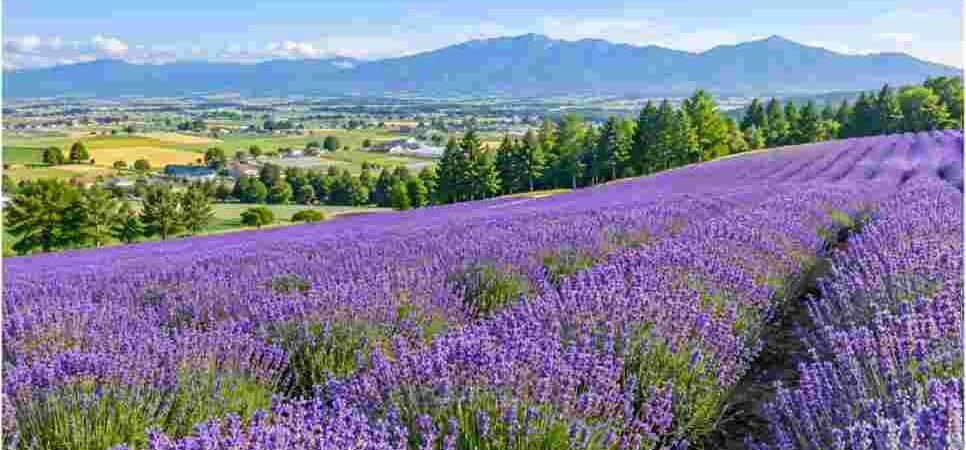
Stepping out of New Chitose Airport into a crisp 72°F breeze instantly washed away the memory of Tokyo’s suffocating July humidity. Most travelers associate northern Japan with powdery winter slopes, yet the island delivers its best adventures under bright sunshine. If you want pristine wilderness, open roads, and endless floral valleys, these hokkaido summer travel destinations provide the ultimate seasonal blueprint.
Why Summer in Hokkaido Beats the Honshu Heat
While mainland Japan suffers through the muggy tsuyu rainy season, Hokkaido remains largely untouched by monsoon fronts. According to the Japan Meteorological Agency, daytime highs here hover between 68°F and 77°F (20°C to 25°C) from late June through August.
The dry mountain air creates ideal conditions for outdoor exploration. You can drive with the windows down, hike active caldera rims, and wander outdoor food markets without drenched shirts.
The Central Plains: Chasing Blooms in Furano and Biei
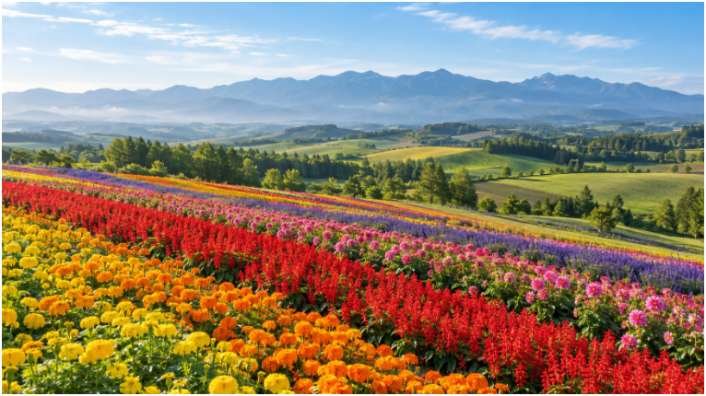
Central Hokkaido serves as the postcard image of a northern summer. Rolling hills run straight into the Daisetsuzan mountain range, split by agricultural plains and lavender terraces.
Farm Tomita and Shikisai-no-oka
I arrived at Farm Tomita in Nakafurano just past 7:30 AM. Arriving early is essential. By 9:30 AM, tour buses pack the parking lots. The purple lavender rows peak between mid-July and early August. Walking the hillside trails early allows you to take in the scent of blooming English lavender and sample purple soft-serve ice cream in quiet serenity.
Ten miles north lies Shikisai-no-oka in Biei. Here, locals cultivate fifteen hectares of hills into striped bands of marigolds, dahlias, and salvia. Renting a small electric cart makes traversing the steep contours effortless.
Shirogane Blue Pond and Shirahige Falls
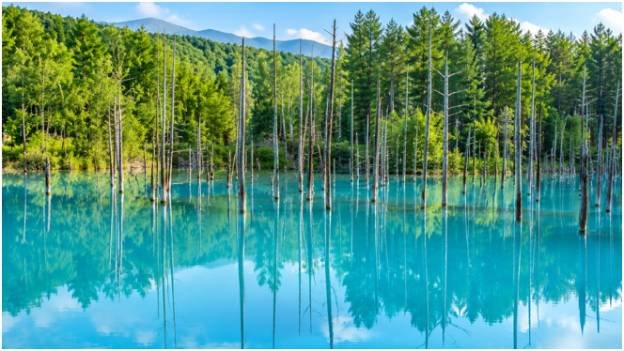
A short drive from Biei brings you to the Shirogane Blue Pond (Aoiike). Submerged Japanese larch trees poke through bright turquoise water, an illusion created by natural aluminum hydroxide mixing with river minerals under direct sunlight. Walk three minutes upriver to Shirahige Waterfall, where subterranean cobalt water gushes through craggy cliff crevices into the river gorge below.
Urban Nights and Coastal Escapes: Sapporo and Otaru
Urban Hokkaido operates differently in the summer. Cities shed their enclosed winter habits for massive open-air gatherings.
Sapporo centers around Odori Park. From late July through mid-August, the city transforms several city blocks into an open-air beer garden for the Sapporo Summer Festival. Locals sit elbow-to-elbow eating grilled corn rubbed with sweet butter and soy sauce.
Thirty miles west sits Otaru, an old trading port lined with stone warehouses. During the day, walking the canal is standard, but the best experience is offshore. Local operators run small skiffs to the Otaru Blue Cave along the Shakotan coastline, where clear green-blue sea shelves reflect off dramatic sea cliffs.
Volcanic Waterways: Lake Toya and Noboribetsu
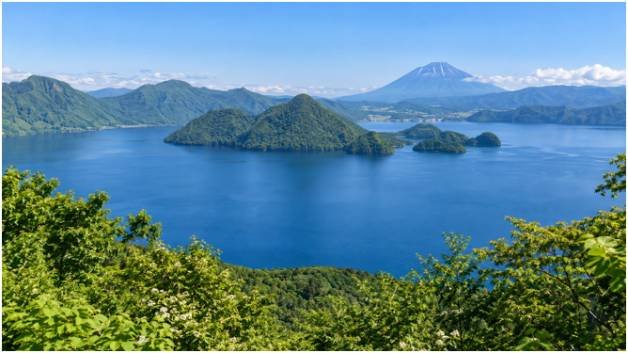
Traveling southwest leads straight into the geothermal engine of Shikotsu-Toya National Park.
Noboribetsu Jigokudani (Hell Valley) greets visitors with sulfur plumes venting from red rock canyons. Wooden boardwalks snake over the canyon floor, leading to the Oyunumagawa footbath. Soaking tired feet in a warm, natural volcanic stream deep inside a hardwood forest is unmatched.
Further south, Lake Toya fills a massive volcanic caldera. Summer evenings here feature nightly fireworks launched from moving boats across the water between April and October. Clear mornings reveal Mount Yotei, a volcanic peak known locally as “Ezo Fuji” due to its symmetry.
Logistics That Matter: Trains or Rental Car?
Public transit on Japan’s northern island requires deliberate planning. While limited express trains run reliably between Hakodate, Sapporo, and Asahikawa, rural branch lines are sparse. Catching buses between Biei, the Blue Pond, and Furano often means enduring two-hour gaps between departures.
For maximum freedom across the island, rent a car at New Chitose Airport. Driving on the left feels natural within an hour, and rural roads feature wide lanes with modest traffic.
The Hokkaido Expressway Pass (HEP) Reality Check
Foreign drivers can purchase the NEXCO East Hokkaido Expressway Pass (HEP), an add-on loaded onto an ETC toll card. It provides unlimited expressway driving for a flat rate. However, calculate your route before blindly buying it.
If you spend four days circling Furano and Biei, skip the HEP. Furano is served almost entirely by scenic, toll-free national highways like Route 237. The pass only delivers substantial savings when you drive long highway stretches, such as New Chitose down to Lake Toya, Noboribetsu, and Hakodate.
If your broader Japan itinerary includes the southern islands, researching scenic places to visit in kyushu japan will show you a dramatic contrast between southern subtropical peaks and Hokkaido’s vast northern valleys.
Wild Frontiers: Shiretoko and the Sea of Clouds
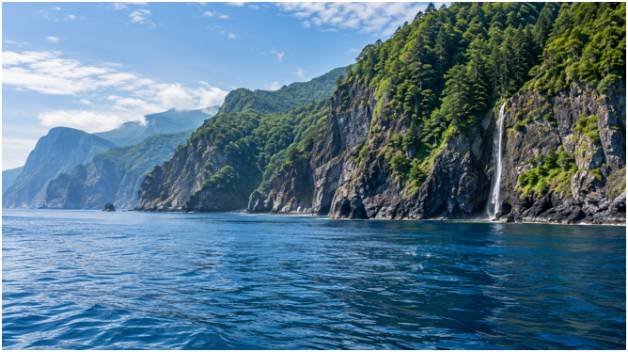
For travelers willing to push east, Hokkaido gets truly wild.
At the Tomamu Unkai Terrace, a gondola lifts visitors above 3,500 feet at dawn. On crisp summer mornings with the right wind conditions, cold ocean air flows inland, forming a rolling blanket of white clouds beneath the viewing decks.
Further east lies the Shiretoko Peninsula, a protected UNESCO World Heritage Site. Summer opens the coastal boat lanes from Utoro, granting direct views of coastal cliffs where wild brown bears, sea eagles, and Ezo sika deer roam undisturbed.
Pack Smart, Leave Late: Final Practical Rules
- Layer for rapid shifts: A 75°F sunny afternoon can plunge into the mid-50s as soon as coastal fog rolls in. Bring a packable windbreaker.
- Secure reservations months ahead: Domestic flights and rental cars book up quickly for the late-July summer vacation window.
- Watch for wildlife: Sika deer frequently jump into rural roadways at dusk. Keep headlights sharp on mountain passes.
Frequently Asked Questions About Hokkaido Summer Travel
1. What is the best month to visit Hokkaido in summer?
Mid-July through early August offers the best combination of blooming lavender fields and warm, rain-free weather.
2. Do I need a car to travel around Hokkaido in summer?
A rental car is highly recommended for visiting Furano, Biei, and remote national parks, though cities like Sapporo and Otaru are easily reached by train.
3. How warm does Hokkaido get during July and August?
Daytime temperatures average between 68°F and 77°F (20°C to 25°C), remaining far cooler and less humid than Tokyo.
4. Can I see lavender in Furano during late August?
Most lavender fields are harvested by early August, though late-blooming flowers like sunflowers and cosmos remain vibrant through autumn.