
An empty afternoon on my travel calendar feels like an invitation. I would rather spend it exploring a pottery workshop or lingering over a local meal than squeezing in another rushed attraction.
When considering how to include smaller towns in your asia travel itinerary, I start with the journey already planned. A worthwhile addition should offer something distinctive, fit the route, and leave enough time to enjoy being there.
Start With Your Existing Route
Mark your arrival airport, departure airport, and essential destinations on a map. Then investigate smaller places along those connections. This helps you distinguish a convenient stop from a detour that consumes an entire travel day.
Geographic proximity alone does not guarantee easy access. Two towns may look close but require several transfers. Compare actual connections before choosing accommodation or rearranging your schedule.
Travelers with accessibility needs can also use this guide on how to plan an accessible trip to Asia to consider transportation, accommodation, and practical route requirements before adding a smaller town to the itinerary.
Choose an Experience Before Choosing a Town
Decide what you want the stop to contribute. Traditional crafts, regional cooking, historic streets, countryside walks, and coastal scenery offer different reasons to leave a major city.
Choose somewhere with activities you genuinely want to experience. A small population does not automatically mean fewer visitors, lower prices, or a peaceful atmosphere.
Decide Between a Day Trip and an Overnight Stay
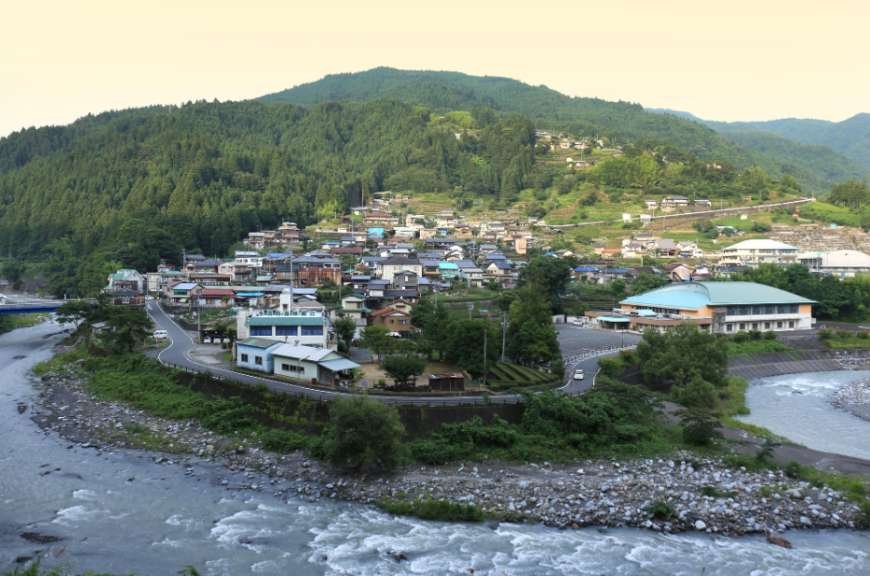
A day trip works when connections are straightforward and your main interests fit comfortably between arrival and departure. Staying in your existing accommodation also avoids packing, checking out, and carrying luggage.
An overnight visit makes sense when evening activities, early walks, or a leisurely meal form part of the appeal. It can also reduce pressure when returning transport is limited.
Calculate Your Usable Exploring Time
Count the complete journey, including reaching the terminal, waiting, changing services, and getting from the arrival station to town.
Imagine arriving at noon and needing to leave at four. Lunch and local transfers could leave little time for exploring. An overnight stay might provide better value, even with the additional accommodation cost.
Check Transport in Both Directions
Confirm your arrival connection and onward journey before committing. Check the operator’s current timetable, whether reservations are necessary, and whether services differ on weekends or holidays.
If your smaller-town visit falls during a busy travel period, it is also worth reviewing how to avoid crowded holiday periods when visiting Asia before finalizing transport and accommodation.
The final bus matters as much as the first train. Save the return departure time and identify a realistic alternative if you miss it.
Plan the Final Journey to Your Accommodation
A station bearing the town’s name may sit outside its historic center. Ask your host about walking distance, local buses, taxis, and luggage storage.
Download useful maps and save the property’s address in the local language. If you expect a late arrival, confirm check-in arrangements and nearby food options beforehand.
Replace Something Instead of Adding More
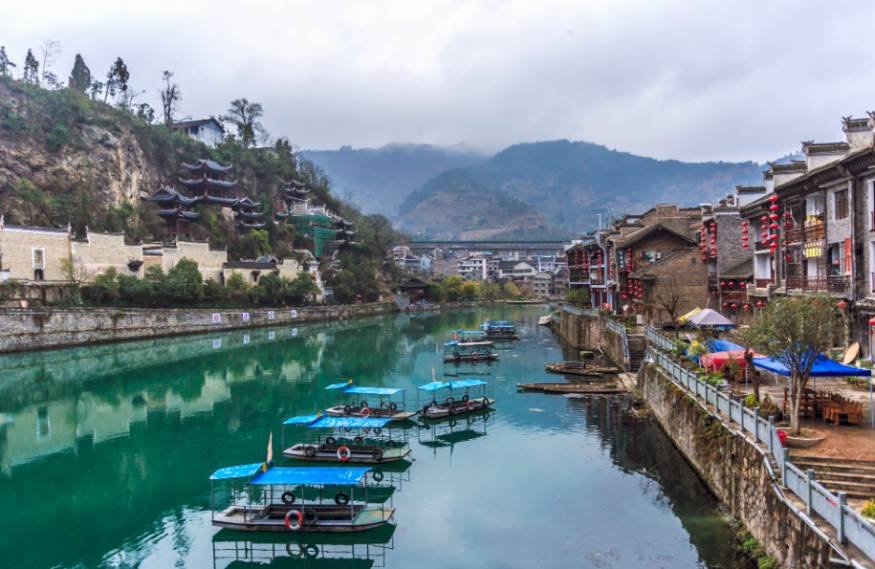
The practical answer to how to include smaller towns in your asia travel itinerary often involves removing another commitment. Move a night from an existing destination, shorten a repetitive sightseeing day, or replace an inconvenient stop.
If you are traveling independently, it also helps to review how to prepare for your first solo trip to Asia before finalizing these changes, especially when adjusting transport, accommodation, arrival plans, and daily schedules.
For an illustrative ten-night trip, you could change two five-night city stays into four nights in each city and two nights in a smaller town. This works only when the transport connections support it.
Protect some unscheduled time. A delayed connection should not force you to abandon everything that follows.
Use Regional Examples to Understand What Fits
Add Arita to a Northern Kyushu Journey
Arita offers a focused reason to explore beyond larger destinations: porcelain heritage. Consider it when planning around Fukuoka, Saga, or Nagasaki, then check the connections for your particular starting point.
Treat nearby villages as additional excursions requiring their own transport research. Reaching Arita does not mean every pottery attraction is equally accessible.
Consider Kakegawa Along a Central Japan Route
Kakegawa illustrates how a smaller destination can complement a journey between major cities. Its central castle-town attractions and tea experiences offer a different pace.
Distinguish exploring the town center from visiting surrounding tea fields. The countryside experience may require extra transport and more time.
Give the Kiso Valley a Clear Purpose
Historic post towns and walking routes make the Kiso Valley appealing for travelers seeking heritage and scenery. Choose the specific town or walk first.
Plan around local connections, luggage arrangements, and your walking ability. An overnight stay can create more breathing room than a hurried excursion.
Frequently Asked Questions
1. What matters most when learning how to include smaller towns in your Asia travel itinerary?
Choose a town with a clear purpose, workable arrival and departure connections, and enough exploring time. Adjust your existing schedule to accommodate it.
2. How many smaller towns should I add?
Start with one that complements your route. Add more only when transfers and available nights leave sufficient time at each destination.
3. Can I visit without renting a car?
Often, but check access to your specific attractions. A train connection may still leave you needing a bus, bicycle, or taxi.
4. Should I book accommodation ahead?
Book when options are limited, arrival is late, or local events increase demand. Confirm cancellation terms and check-in instructions before paying.
My Final Take
I would judge a smaller-town stop by the experience it adds and the time it leaves me to enjoy it. Clear transport plans and sensible overnight choices would help me arrive feeling ready to explore. I would keep room for spontaneous discoveries while protecting my essential connections. That balance would make the journey feel more personal and less hurried.