
A hotel checkout and a train departure can leave an awkward gap in a travel day. I prefer planning that gap before choosing an overnight journey: somewhere to leave luggage, an evening meal, and enough time to reach the station.
Understanding how to use night trains when traveling in Asia starts with these details. A sleeper can combine transport with accommodation, but the right ticket, realistic expectations, and a morning arrival plan determine whether that convenience actually works.
Decide Whether an Overnight Journey Fits
Choose a service that leaves enough uninterrupted time for sleep. A late departure followed by a predawn arrival may provide less rest than expected, especially with boarding, ticket checks, and intermediate stops.
Compare complete costs rather than ticket prices alone. Include booking fees, station transfers, meals, and possible hotel early check-in charges. An overnight train may replace accommodation, but premium compartments do not automatically beat budget flights on price.
Check the Route and Stations Carefully
Confirm the exact departure station, destination station, train number, and arrival date. Large cities can have several terminals, and an overnight ticket spans two calendar days.
For Bangkok’s main long-distance sleeper services, check whether your ticket specifies Krung Thep Aphiwat Central. Avoid relying on an old itinerary naming another terminal.
Likewise, trains advertised for Sapa arrive at Lao Cai, where travelers continue by road. Check onward transport before booking, particularly when arrival falls before sunrise.
Choose Accommodation You Can Sleep In

Seats, Berths, and Compartments
An overnight service does not necessarily provide a bed. Select a sleeper berth explicitly if lying flat matters to you.
Open carriages offer individual bunks, sometimes with curtains. Shared compartments contain several beds behind a door. A compartment ticket usually purchases one berth unless the booking clearly states exclusive occupancy.
Upper or Lower Berth?
When you plan an Asia trip without renting a car, choosing the right train berth can make overnight journeys more comfortable. Lower berths generally make getting up easier, while upper berths require climbing. Dimensions, window access, and prices depend on the carriage.
Anyone with mobility concerns should verify access, toilets, and assistance before paying. Do not assume that a first-class label guarantees a suitable layout.
Book Early and Confirm Your Ticket
Booking windows differ between countries, operators, and routes. Check the release date for your specific service rather than applying one Asia-wide rule. Popular departures can fill quickly around major holidays.
Use the railway’s booking channel or an established intermediary, comparing fees and cancellation conditions. Enter passenger names and identification details exactly as required.
A payment receipt or reservation request may not mean a berth has been issued. Check the final ticket for the service, travel date, accommodation class, and assignment where applicable. Read any instructions about collecting tickets or exchanging vouchers.
Save everything offline and carry the identification required for boarding.
Pack a Small Overnight Bag
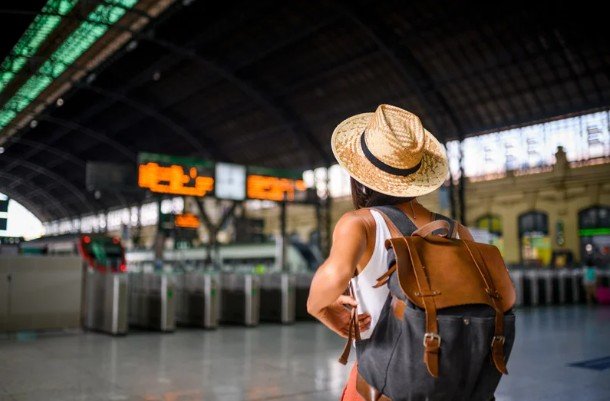
Keep sleep essentials accessible so you can avoid opening your main suitcase after lights dim. Bring earplugs, an eye mask, a warm layer, drinking water, snacks, tissues, hand sanitizer, and a power bank. Bedding provision varies, so check before adding a compact liner or blanket.
Pack toothbrushes and other toiletries together. Slip-on footwear helps with bathroom visits, while loose clothing makes resting easier. Download books, music, or shows before departure. Use headphones, and keep entertainment quiet enough for sleeping neighbors.
Board With Time to Spare
Allow time for the station approach, security checks where required, and finding the platform. Follow the operator’s boarding guidance rather than assuming every station works alike.
Match the carriage and berth details to your ticket. Ask railway staff if signs are unclear, especially when carriage numbers differ from platform markers.
Keep luggage within permitted storage areas without blocking doors or aisles. Tell the attendant your destination if you are uncertain about nighttime stops, but set your own alarm too.
Sleep Comfortably and Keep Belongings Secure
Keep your passport, phone, payment cards, and essential medication close while sleeping. Secure larger luggage where practical and use compartment locks as instructed.
Check where the toilets and exits are before settling down. Carry water and tissues rather than assuming supplies will remain available throughout the journey.
Eat before boarding if meal service is uncertain. Follow local onboard rules, including restrictions on smoking and alcohol. Avoid leaving the train during brief stops unless staff confirm there is time.
Account for Country Differences

Learning how to use night trains when traveling in Asia means checking each service separately. Thailand’s curtain-separated berths differ from Vietnam’s shared sleeper compartments.
China and India use their own accommodation categories and reservation systems. Read the class description carefully rather than treating familiar words as equivalent facilities.
Japan’s limited regular sleeper options need specific planning. Across all destinations, verify bedding, charging outlets, meals, and luggage rules for the actual train.
Plan Your Morning Arrival
Arrange transport and ask your accommodation about luggage storage or early check-in. Leave room for breakfast and recovery rather than scheduling an immediate tour. Allow generous buffers before flights, ferries, or separately booked connections.
Frequently Asked Questions
1. What should beginners prioritize?
When learning how to use night trains when traveling in Asia, prioritize a confirmed sleeper berth, correct stations, accessible documents, and an arrival plan.
2. Will I share my compartment?
Usually, unless exclusive occupancy is explicitly booked. Check the fare description.
3. Is bedding always included?
No. Confirm what your accommodation class provides before packing.
Arrive Ready for the Day
I would choose a sleeper only when its timing and accommodation support the next day’s plans. Before booking, I would check the berth type, arrival time, and transport options from the station.
A small overnight bag and a relaxed morning schedule would help me travel more comfortably. With these details arranged, I could enjoy the journey without rushing into the day ahead.