
A swimsuit and thermal socks can belong in the same suitcase. When I plan a journey through Asia, that combination reminds me to check individual stops before choosing clothes. A coastal afternoon, rainy city walk, and mountain sunrise can demand completely different outfits.
My approach to what to pack for different climates in asia starts with a versatile base wardrobe, then adds protection for the conditions along my route. The goal is to stay comfortable without carrying a separate wardrobe for every destination.
How Should You Check the Weather Before Packing?
Research each city and overnight stop for your travel dates. Countrywide averages can hide differences between coastal areas, inland cities, and higher elevations.
Look at typical daytime temperatures, overnight lows, rainfall, and humidity. Check the forecast again shortly before departure. Mountain excursions deserve separate attention because conditions can differ considerably from the city where your trip begins.
Your activities matter, too. Museum visits, beach afternoons, and exposed hiking trails require different protection, even during the same week.
What Should You Pack for Hot and Humid Weather?
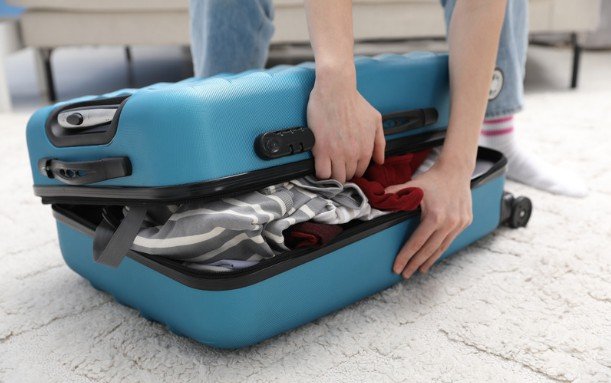
For tropical destinations, prioritize loose clothing that allows airflow. Lightweight shirts, breathable trousers, underwear, and comfortable sandals form a useful starting wardrobe.
Cotton and linen can feel comfortable during relaxed sightseeing, but they may dry slowly after washing or heavy rain. Lightweight synthetic blends often suit active days when drying speed matters.
Which Extras Help in Tropical Conditions?
Bring a sun hat, sunglasses, sunscreen, and a refillable water bottle. Include swimwear if your itinerary involves beaches or pools.
A thin cardigan or long-sleeved shirt also helps in air-conditioned transport. Pack clothing that covers your shoulders and knees for religious sites, checking individual dress requirements beforehand.
What Do You Need for Monsoon and Rainy Conditions?
Rain preparation involves more than an umbrella. Pack a lightweight waterproof jacket with ventilation, quick-drying clothing, and protection for electronics.
A waterproof pouch keeps your phone protected during boat trips or downpours. A sealed inner bag adds protection inside a backpack, even when its outer fabric resists water.
Should You Bring Waterproof Shoes?
Choose footwear according to your activities. Walking sandals that drain quickly can suit warm, rainy sightseeing, while muddy hikes require secure shoes with dependable grip.
Waterproof footwear may help in cooler conditions, but it can feel hot in tropical humidity. Avoid relying on slippery flip-flops for long walks. Carry spare socks and separate damp clothing until you can dry it properly.
What Should You Wear in Cool Spring and Fall Weather?
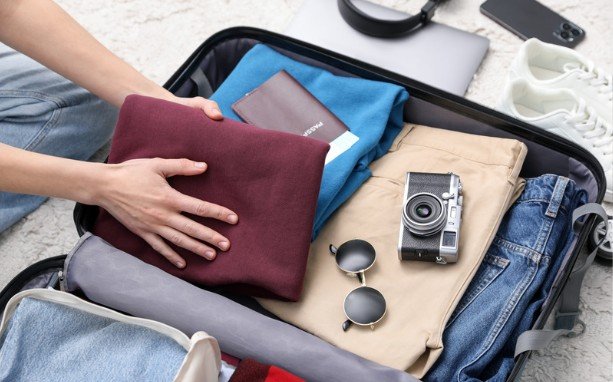
Transitional weather calls for removable layers. Start with a comfortable shirt, add a light sweater or fleece, and finish with a wind-resistant or waterproof outer layer.
Long trousers and closed walking shoes work well for city exploration. A compact scarf adds warmth without taking much space.
As you check visa requirements for travel across Asia and prepare for your journey, avoid assuming every spring or fall day will feel mild. Coastal winds, evening temperatures, and elevation can change your comfort quickly. Keep your outer layer accessible during day trips.
What Should You Pack for Winter and Mountain Destinations?
Cold-weather packing needs insulation rather than simply more shirts. Bring thermal base layers, an appropriate insulated jacket, warm socks, gloves, and a hat when your route includes freezing conditions.
Choose boots suited to expected snow, moisture, and terrain. Check that they fit comfortably with your warmer socks.
For mountain trips, confirm equipment requirements with your trekking provider. A light fleece suitable for city evenings may be insufficient for an exposed trail or an unheated overnight stay. Protect insulating layers from rain inside your luggage.
How Can You Pack for Multiple Climates in One Bag?
The simplest way to decide what to pack for different climates in asia is to build one base wardrobe and add a small climate-specific kit.
For a route combining warm cities and cool mountain stops, start with four or five tops, two versatile bottoms, underwear, walking shoes, and modest coverage. Add a rain shell, fleece, and thermal layers according to the coldest stop.
Plan laundry around availability and drying time. Wear bulky shoes during transfers. Before departure, test your outfit combinations and check each airline’s baggage allowance.
Frequently Asked Questions
1. How Do I Decide What to Pack for Different Climates in Asia?
Match your wardrobe to each stop’s temperatures, rainfall, elevation, and activities. Build reusable outfits, then add essential rain protection or insulation.
2. How Many Clothes Should I Bring?
Pack around your laundry schedule. Four or five tops and two bottoms can provide a starting point, with extra underwear where drying is slow.
3. Is One Jacket Enough?
A waterproof shell works across several conditions, but cold destinations may also require a fleece or insulated jacket underneath.
4. Can I Use the Same Shoes Throughout My Trip?
Comfortable walking shoes can cover many activities. Snow, demanding hikes, or frequent water exposure may require additional footwear.
Leave Room for the Journey
I pack more confidently when every item has a clear purpose. By checking local conditions and choosing layers that work together, I can prepare for changing weather without filling every corner of my bag. That leaves space for discoveries along the way—and makes moving between destinations easier.