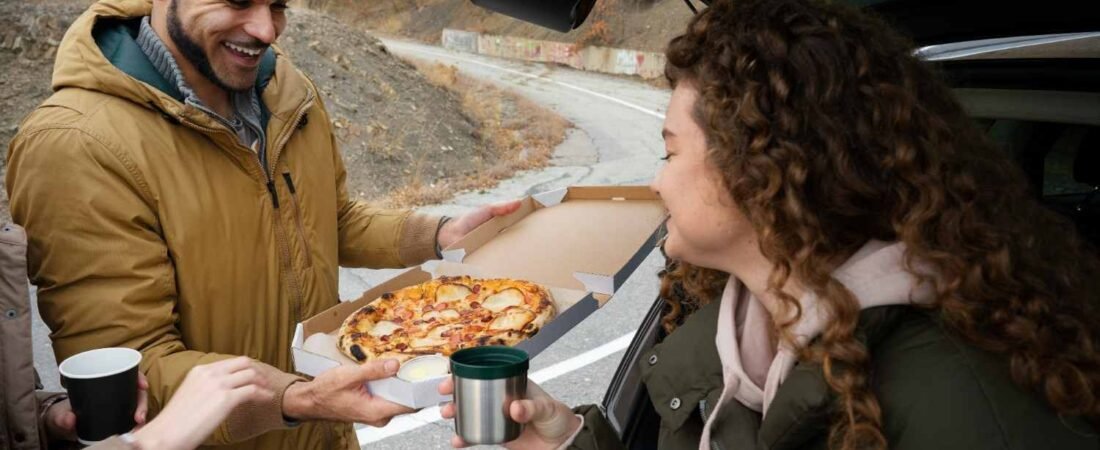
Whenever I want to understand a destination beyond its landmarks, I start with its food. Food road trips in the USA make that especially rewarding because crossing one state line can completely change what appears on the plate.
Smoky Memphis ribs give way to Mississippi Delta tamales, while coastal South Carolina brings rice and seafood traditions that feel entirely different from Texas barbecue or New England lobster.
Instead of building a trip around random restaurants, I prefer routes where each stop reveals something about local history, agriculture, immigration, or regional cooking. These seven American culinary road trips combine memorable drives with foods worth planning a vacation around.
1. Where Should You Drive for a Delta and Soul Food Road Trip?
The route from Memphis to New Orleans is one of the most flavorful journeys in the South. I would follow Memphis → Clarksdale → Vicksburg → New Orleans, tracing the Mississippi River toward Cajun and Creole country.
Memphis is the place to begin with barbecue. Central BBQ is associated with Memphis-style smoked meats, while Charlie Vergos’ Rendezvous has built its reputation around seasoned ribs cooked over charcoal.
In Clarksdale, switch from barbecue to Mississippi Delta hot tamales. Hick’s Famous Hot Tamales has served the local specialty for decades, continuing a regional tradition of seasoned meat wrapped in cornmeal and husks.
Continue to Vicksburg for Southern comfort food and homemade dessert at Walnut Hills, then finish in New Orleans with shrimp po’boys, crawfish étouffée, pralines, and powdered-sugar beignets at Café du Monde. Walnut Hills highlights Southern cooking and pies, while Café du Monde remains closely associated with beignets and café au lait.
2. What Is the Best Route for Hot Chicken and Southern Barbecue?
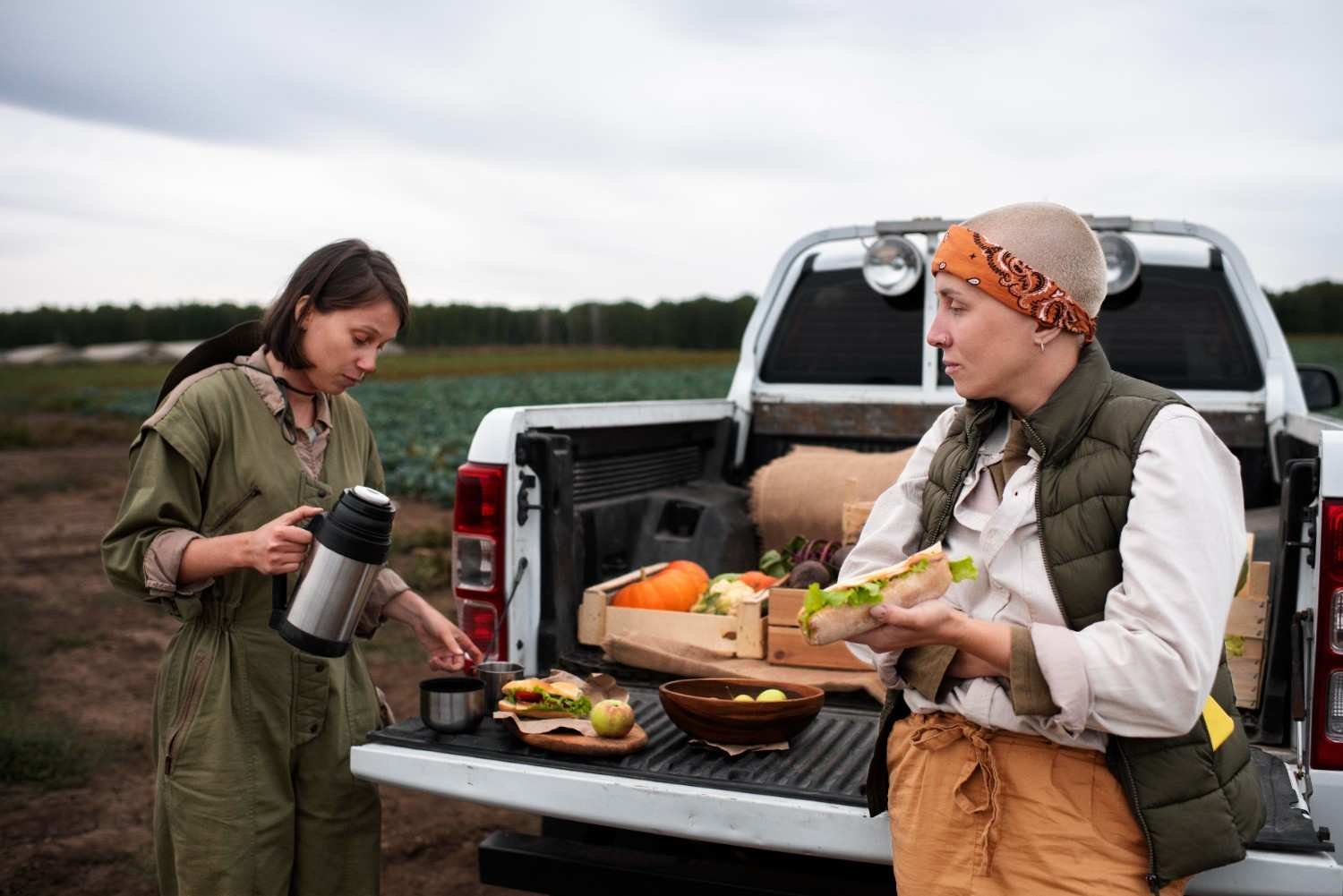
For fiery fried chicken, biscuits, barbecue, and soul food, I would drive Nashville → Huntsville → Birmingham → Atlanta.
Nashville should begin with the city’s signature hot chicken. Prince’s describes itself as Nashville’s original hot chicken restaurant, while the Loveless Cafe has been serving scratch-made biscuits and Southern favorites since 1951.
Moving into Alabama introduces one of the South’s most distinctive barbecue traditions: white barbecue sauce. Big Bob Gibson Bar-B-Q traces its tangy, peppery white sauce back to 1925 and traditionally pairs it with smoked poultry and pork.
Atlanta makes a natural finish. I would look for a classic meat-and-three meal—one protein accompanied by Southern sides such as collard greens, macaroni and cheese, fried okra, or field peas—before exploring the city’s newer interpretations of soul food.
3. Where Can You Experience Lowcountry and Gullah-Geechee Food?
The Charleston → Beaufort → Savannah route combines coastal scenery with one of America’s most distinctive regional food traditions.
Charleston is where I would look for red rice, fried chicken, shrimp and grits, she-crab soup, oysters, and other dishes shaped by Lowcountry and Gullah-Geechee influences. Bertha’s Kitchen remains known for soul-food dishes including red rice, fried chicken, seafood, and traditional sides.
In Beaufort, a Lowcountry boil fits the setting perfectly: shrimp, sausage, corn, and potatoes cooked together and served communally.
Then continue beneath the Spanish moss into Savannah. Mrs. Wilkes’ Dining Room still serves Southern home cooking family-style at communal tables, with dishes that can include fried chicken, sweet potato soufflé, black-eyed peas, collard greens, okra, and cornbread.
4. Which Texas Route Is Best for Serious Barbecue Fans?
No list of food road trips in the USA feels complete without Central Texas.
I would connect Austin, Lockhart, Luling, and Taylor, allowing two or three days rather than attempting several heavy barbecue meals in one afternoon.
Brisket should be the centerpiece, but smoked sausage, pork ribs, beef ribs, turkey, pickles, onions, and simple sides are part of the experience. What makes this trip memorable is how individual pitmasters treat smoke, seasoning, wood, and cooking time differently.
Lockhart is particularly useful as a road-trip stop because several established barbecue businesses sit within a relatively compact area.
5. Where Should Chile Lovers Road-Trip in New Mexico?

For Southwestern flavors, drive Albuquerque → Santa Fe → Hatch → Las Cruces.
Along this route, I would look for green and red chile, stacked enchiladas, breakfast burritos, sopaipillas, and dishes shaped by Native American, Spanish, and Mexican influences.
Hatch gives the journey a clear agricultural connection because the surrounding region is closely associated with chile production. In restaurants across New Mexico, travelers may also encounter the familiar question of red or green chile; asking for “Christmas” usually means getting both.
This route works particularly well for travelers who want regional cuisine without separating food from landscape and local history.
6. What Is a Great Midwest Food Road Trip?
Wisconsin provides a very different culinary experience.
Start in Milwaukee with bratwurst, cheese curds, frozen custard, and tavern food before heading toward Madison and nearby dairy country. From there, I would continue to Door County for cherry products, fish boils, waterfront dining, bakeries, and supper clubs.
The supper-club experience is an important part of this route because it turns dinner into a local social tradition rather than simply another restaurant reservation.
7. What Food Road Trip Combines Seafood and Coastal Scenery?
For seafood, I would choose either the California coast or New England depending on the season.
California allows travelers to move from San Francisco through Monterey, the Central Coast, and Santa Barbara while sampling sourdough, seafood, farmers-market produce, wine-country cooking, artichokes, strawberries, and Mexican-American flavors.
New England offers a completely different coastal trip. A Boston-to-Maine journey can revolve around lobster rolls, clam chowder, fried clams, oysters, scallops, and small harbor seafood shacks.
How Do You Plan a Food-Focused Road Trip Without Overdoing It?
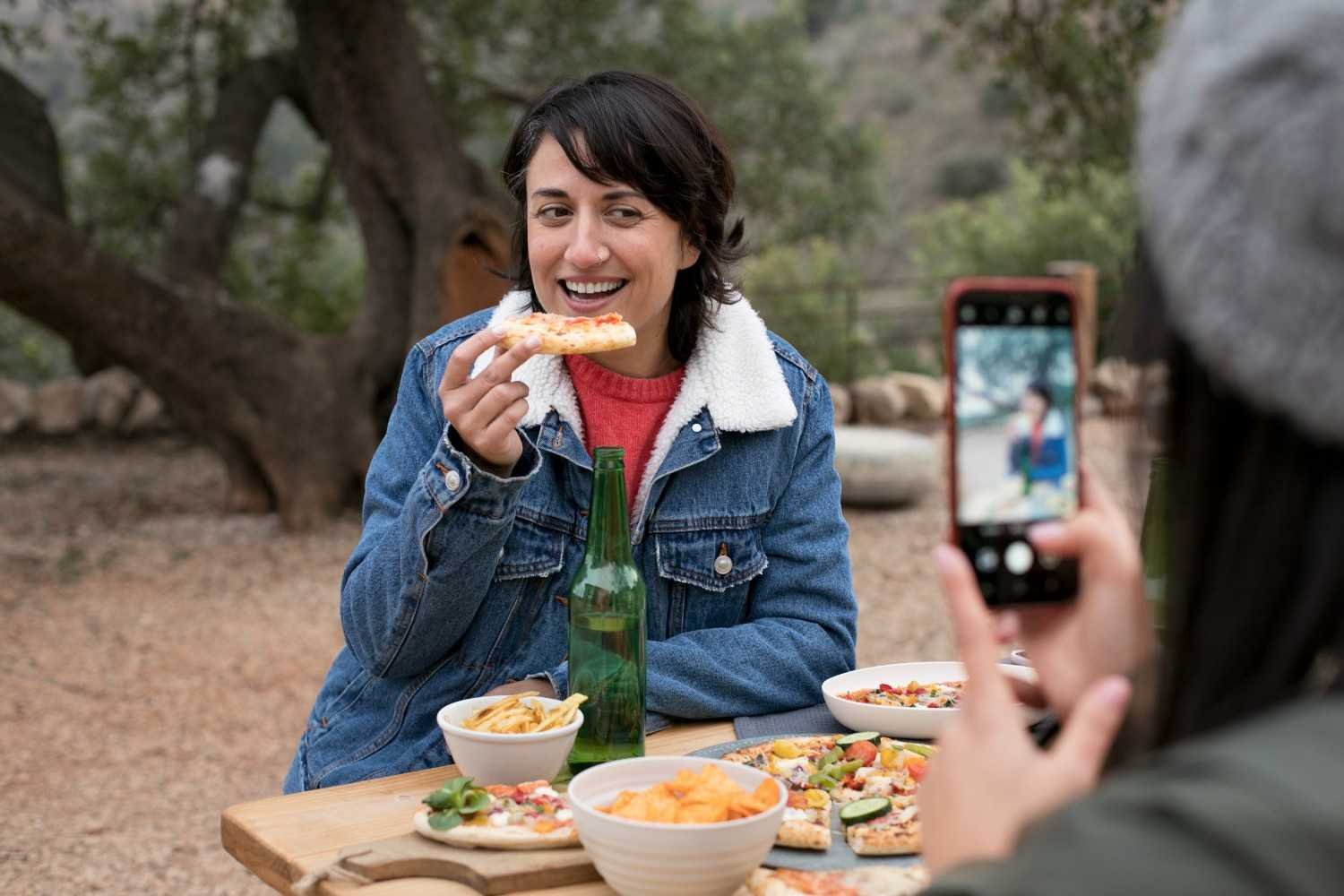
The biggest mistake I avoid is scheduling three destination restaurants in a single day. One major meal is usually enough. I fill the remaining time with bakeries, farmers markets, roadside stands, coffee shops, or smaller regional snacks.
I also check opening days before driving. Some long-running restaurants operate limited hours, close on particular weekdays, or sell out of signature dishes. Current hours can change, so confirming directly before departure is essential.
Seasonality matters too. Crawfish, lobster, oysters, cherries, farmers markets, and regional food festivals can transform the experience.
Frequently Asked Questions (FAQs)
1. What are the best food road trips in the USA?
Some of the most memorable routes include the Mississippi Delta and New Orleans, Nashville to Atlanta for hot chicken and barbecue, the Lowcountry coast from Charleston to Savannah, Central Texas barbecue country, New Mexico’s chile route, Wisconsin’s cheese and supper club trail, and coastal seafood routes in New England and California.
2. How many days should I plan for a food road trip?
Most regional food road trips work well over two to five days. Shorter routes such as Charleston to Savannah can fit into a long weekend, while longer California or New England itineraries may need a week.
3. What should I eat on a Southern food road trip?
Look for regional specialties such as Memphis ribs, Delta hot tamales, Nashville hot chicken, Alabama white barbecue sauce, shrimp and grits, Lowcountry boil, po’boys, gumbo, crawfish étouffée, and traditional meat-and-three meals.
4. How do I plan food road trips in the USA without eating too much?
I recommend planning one major restaurant meal per day and using the rest of the schedule for bakeries, markets, food stands, coffee shops, and smaller regional specialties. This makes the trip more comfortable and gives you more variety.
Final Thoughts
What I enjoy most about food road trips in the USA is that the meals explain the places. Delta tamales tell a different story from Alabama white barbecue sauce, just as Lowcountry rice dishes differ from Wisconsin supper-club cooking or New Mexico chile. That variety is exactly what makes culinary road trips in the USA such a rewarding way to explore the country.
When I slow down enough to connect the drive, the community, and the food, I get much more than a collection of restaurants. I get a flavorful map of how different parts of America developed their own culinary identity.