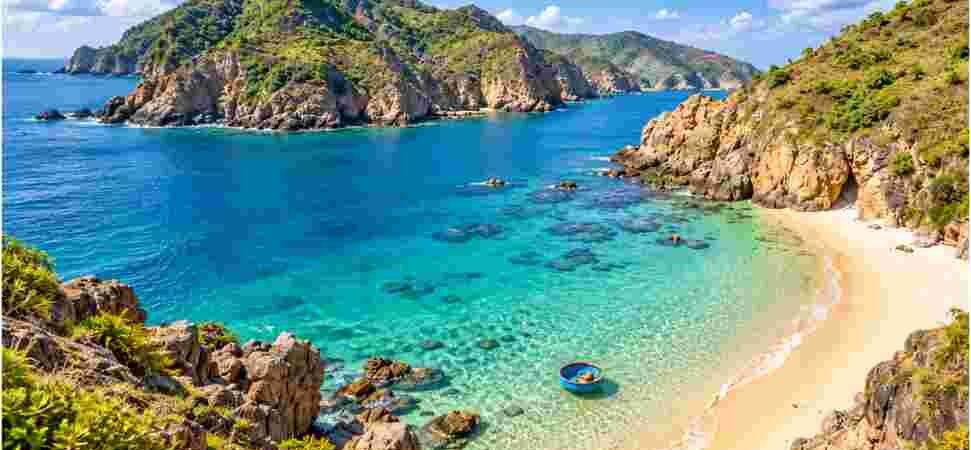
I spent months exploring Vietnam’s coastline, waking up to sea mist along limestone cliffs and watching wooden basket boats haul in the morning catch. If you want to experience the top coastal destinations in central vietnam, you will find far more than just standard sunbathing spots. This shoreline stretches between dramatic jungle passes and turquoise bays, combining ancient trading ports with quiet, secluded coves.
The Northern Arc: Surf Breaks and Timeless Shorelines
The upper stretch of Central Vietnam’s coast centers around Da Nang and Hue province, framed by towering headlands and historical river valleys.
Da Nang: Urban Sand and Consistent Pacific Swells
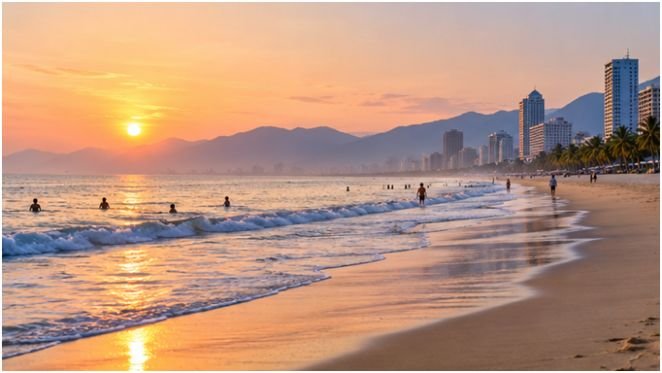
Da Nang is Central Vietnam’s coastal powerhouse. The city curves around My Khe Beach, a broad expanse of white sand lined with casuarina trees and modern high-rises.
When I first walked My Khe at dawn, the entire city was already outside. Locals gather by the thousands at 5:30 AM to swim, jog, and play beach soccer before the tropical sun climbs too high. The surf here remains clean and predictable.
Between October and February, winter swells bring consistent breaks that draw longboarders from around the world. In the summer months, the water flattens out, offering clear, calm swimming. Across the boulevard, open-air seafood houses serve steamed razor clams and grilled squid straight off regional day boats.
An Bang Beach: Bohemian Living Outside Hoi An
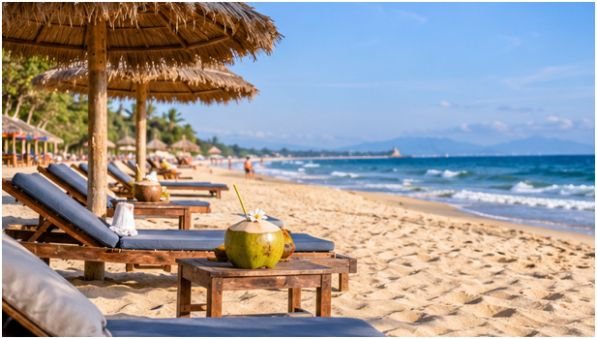
Just four miles north of the UNESCO World Heritage Centre registered port of Hoi An lies An Bang Beach. It feels like an entirely different planet compared to Da Nang’s glass towers.
Renting a single-speed cruiser bicycle and pedaling through the emerald rice paddies out to An Bang became my daily ritual. Thatch-roof palapas line the sand, owned by family-run beach shacks that offer free loungers if you order a cold Saigon beer or fresh coconut.
The shoreline slopes gently into warm water. It carries a slower rhythm reminiscent of the laid back towns to visit in laos tucked along the Mekong. Come late afternoon, beachfront bistros set wooden tables right in the sand, serving tamarind tiger prawns as acoustic guitars take over the evening air.
Lang Co Bay: Mountain Passes and Silent Lagoons
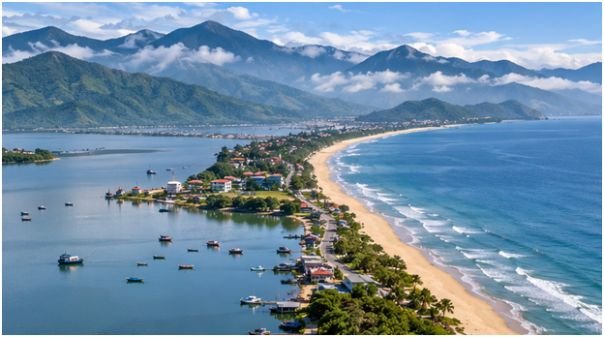
Lang Co sits right at the northern foot of the celebrated Hai Van Pass, roughly an hour north of Da Nang. It remains one of Vietnam’s most breathtaking geological formations.
A narrow strip of pale sand separates the open sea from Lap An Lagoon, framed by mist-covered rainforest peaks. Most travelers only look down at Lang Co from car windows high up on the mountain highway. Staying overnight reveals an authentic fishing community completely untamed by commercial mass tourism.
I spent an afternoon paddling a wooden canoe across the lagoon alongside oyster farmers, followed by dinner at a stilt restaurant serving local oysters dipped in roasted salt and fresh lime.
The Wild South-Central Coast: Untouched Bays and Shallow Waters
Heading south into Binh Dinh and Khanh Hoa provinces trades lush rainforest headlands for dry, boulder-strewn headlands and striking clarity.
Ky Co Beach (Quy Nhon): Hidden Turquoise Coves
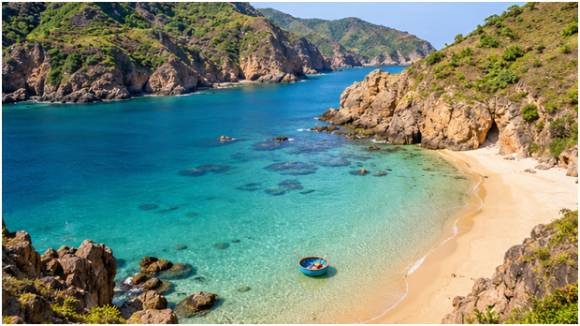
Quy Nhon remains one of the country’s best-kept coastal secrets. Ky Co Beach sits carved into the craggy headlands of the Phuong Mai Peninsula, accessible primarily by local speedboats departing from the fishing settlement of Nhon Ly.
The visual contrast here is remarkable. Sheer cliffs plunge into a protected amphitheater of bright turquoise water and bright, powdery sand. The sea floor drops off cleanly, creating fantastic conditions for snorkeling around nearby coral reefs.
Because tour boats depart by mid-afternoon, visitors who arrange private road transport can experience the cove in near-total solitude before sunset.
Doc Let Beach: Shallow Quartz Sands and Salt Plains
Located thirty miles north of energetic Nha Trang, Doc Let Beach delivers total tranquility. A detailed field guide from Rough Guides highlights Doc Let’s unusually high quartz sand composition, giving the shoreline a bright white glow that squeaks softly beneath your bare feet.
What makes Doc Let distinctive is its ultra-gradual shelf. The clear ocean remains waist-deep up to 300 feet offshore, creating a serene, natural saltwater wading pool sheltered from aggressive currents.
Just behind the tree line sit the Hon Khoi salt fields, where workers rake gleaming white salt pyramids into baskets in the early dawn light.
Central Vietnam Beach Logistics: Microclimates and Seasonal Tides
One critical factor travelers overlook is the climatic divide created by the Annamite Mountain Range. The coastal weather does not behave uniformly from north to south.
| Coastal Destination | Best Visiting Window | Sea Conditions | Standout Feature |
| Da Nang (My Khe) | March to August | Calm summer seas; winter surf breaks | Urban beachfront with world-class dining |
| Hoi An (An Bang) | April to August | Gentle swimming; moderate shore breaks | Bohemian cafes and historic port proximity |
| Lang Co Bay | April to July | Peaceful marine bay backed by brackish lagoon | Dramatic mountain-pass backdrop and fresh oysters |
| Quy Nhon (Ky Co) | February to August | Crystal-clear, deep turquoise water | Dramatic cliffside coves and marine life |
| Doc Let Beach | January to August | Shallow, flat waters protected from big surf | Fine quartz sand and traditional salt flats |
Northern Central areas (Lang Co, Da Nang, and Hoi An) experience heavy autumn rainfall from late September through December due to the northeast monsoon. In contrast, southern spots like Doc Let and Quy Nhon enjoy a significantly longer dry season running from late January through August.
Before heading south to these shores, many travelers ask where to go in northern vietnam beyond hanoi to pair misty mountain valleys with tropical beaches. Once you head south of the Annamite Range, the maritime landscape completely shifts.
Pack Your Bags: The Central Coast Awaits
Central Vietnam’s coastline escapes the one-size-fits-all resort mold found elsewhere in Southeast Asia. You can carve morning waves along Da Nang’s city skyline, sip cold brews under An Bang’s thatched umbrellas, or hike the rocky headlands of Quy Nhon without another tourist in sight.
For an ideal five-day trip, split your base: spend two nights soaking up Hoi An’s bohemian coast, and then cross the Hai Van Pass to spend three quiet days along the wild waters of Lang Co and Quy Nhon.
Frequently Asked Questions About Central Vietnam Beaches
1. What is the best month to visit central Vietnam beaches?
March through July provides the sunniest skies, calmest sea conditions, and highest water visibility across the region.
2. Is Da Nang or Hoi An better for a beach vacation?
Da Nang offers expansive city beaches with active surfing and nightlife, while Hoi An provides relaxed, bohemian shorelines adjacent to its historic village.
3. Can you surf on the central coast of Vietnam?
Yes, Da Nang’s My Khe Beach features reliable seasonal surf breaks between September and March.
4. How do I get to Ky Co Beach in Quy Nhon?
You can book a 20-minute local speedboat transfer from Nhon Ly village or hire a private vehicle across the mountain road.