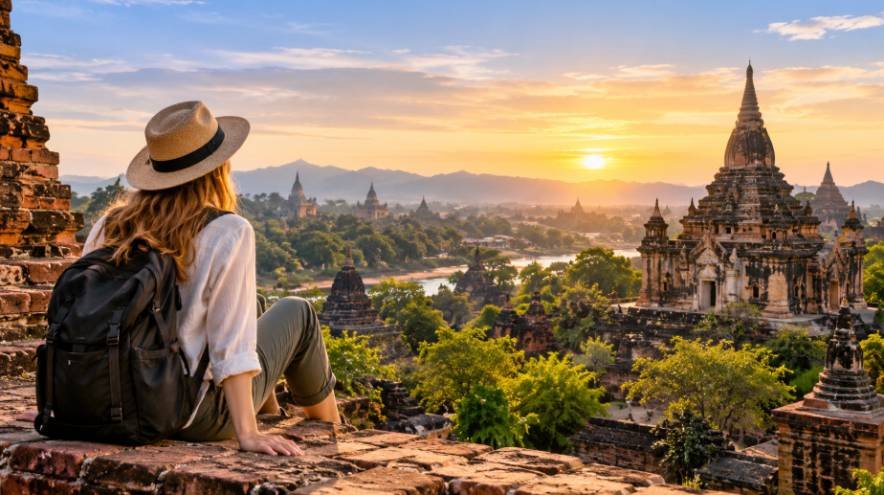
I used to think the best way to understand Asia’s history was to start with its most famous landmarks. I noticed something different when I started exploring less crowded heritage places. Smaller sites make it easier to notice how temples fit landscapes, how old cities were organized, and why places still matter to nearby communities.
I realized that “lesser-known” does not mean insignificant. Some meaningful heritage places receive far less attention than major attractions. They reveal ancient religions, royal dynasties, architecture, and living customs without following the same itinerary.
Why lesser-known heritage places can feel more meaningful
Heritage becomes easier to understand when the setting is part of the story. A forested temple tells a different story from a city monument. Historic neighborhoods show how people lived, traded, worshiped, and adapted.
Strong destinations combine monuments with landscape and community. Markets, pilgrimage routes, homes, crafts, and archaeology can deepen sightseeing.
The experience becomes even richer when travelers seek living heritage experiences across Asia, where traditional crafts, food, rituals, and community practices continue alongside historic sites. Seeing these traditions in their present-day context can make the history of a place feel more tangible and connected to everyday life.
Lesser Known Cultural Heritage Sites in Asia
My Son Sanctuary, Vietnam
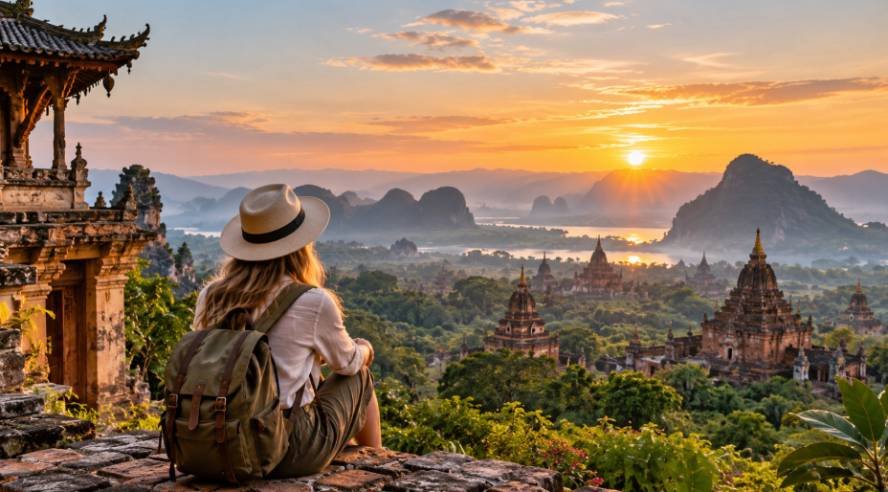
Hidden among hills in Quang Nam, My Son Sanctuary preserves the remains of a Champa religious center. Its towers reflect centuries of Champa Hindu influence.
The landscape makes the moss-covered structures compelling. Carved figures and tower shapes provide clues about religious life and architecture. The valley feels calm early.
Historic Town of Sukhothai, Thailand
Sukhothai offers a different experience. The remains of Thailand’s first Siamese kingdom spread across a historical park of temples, Buddha images, ponds, trees, and monuments.
Travelers can appreciate how the ancient city was arranged. Water, architecture, sculpture, and open space give Sukhothai a slower rhythm.
Rani-ki-Vav, India
At Patan in Gujarat, Rani-ki-Vav turns a practical water structure into extraordinary architecture. Built in the eleventh century, the seven-level stepwell descends deep into the ground, with hundreds of sculptures covering its walls and pillars.
The site shows how water management, symbolism, craftsmanship, and patronage intersected. Each level reveals new carvings, making it worth studying smaller sculptures rather than only photographing the overall structure.
Kathmandu Valley, Nepal
Kathmandu Valley is less a single attraction than a cultural landscape containing historic cities, temples, stupas, and sacred spaces. Its heritage reflects Buddhist and Hindu traditions alongside distinctive Newar architecture and craftsmanship.
Swayambhunath and the valley’s historic squares show how religion and daily life overlap. Travelers can notice carved windows, shrines, courtyards, rituals, and neighborhood activity.
Namhansanseong, South Korea
Namhansanseong brings history into a mountain setting. The fortress was developed and expanded during the Joseon period, with defensive walls following the terrain through forests and steep slopes.
Its fortress routes reveal why geography mattered to Korean military history. Pine-covered hills, stone walls, gates, and views make the site feel connected to its environment. It shows that heritage can preserve political and military history as vividly as religious architecture.
Look beyond the monument
Rewarding heritage trips involve details missing from a landmark’s headline description. Food, crafts, festivals, shrines, building techniques, and oral histories can explain cultural importance.
Modern life does not automatically erase these traditions. Communities may adapt ceremonies, crafts, architecture, and foodways while keeping their underlying meaning. Travelers interested in how Asian traditions are adapting to modern life can therefore learn as much from contemporary neighborhoods as from ancient monuments.
A heritage site may be sacred, archaeological, communal, or part of everyday life. That perspective changes how a destination should be visited.
Choosing a heritage experience
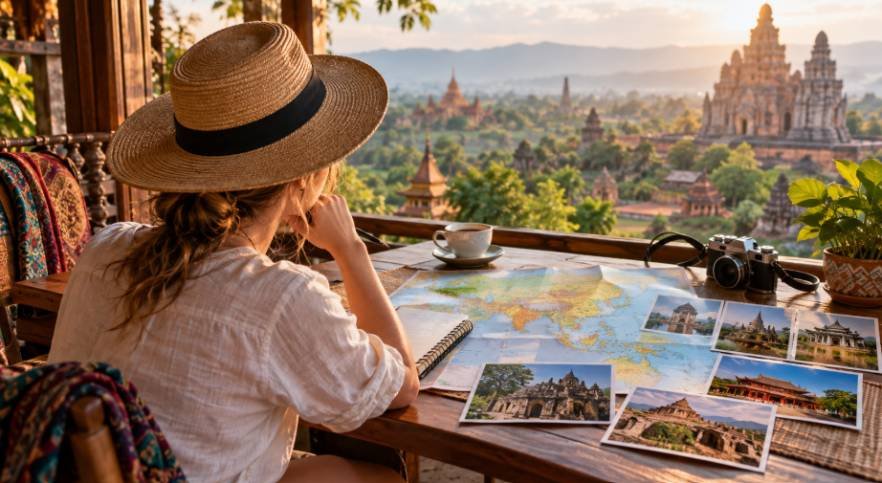
Sites suit different interests. History enthusiasts may prefer archaeological complexes and old capitals, while architecture lovers might choose stepwells, fortress walls, temples, and historic homes. Religious travelers can seek pilgrimage landscapes and sacred complexes.
Planning matters. Check opening times, seasonal weather, local rules, dress expectations, photography restrictions, and transportation before visiting. A local guide can add context, while eating locally and buying regional crafts can support communities that help keep heritage alive.
For travelers searching for lesser-known cultural heritage sites in Asia and Asian heritage experiences beyond famous landmarks, the goal should not be collecting obscure destinations. A place becomes memorable when its history explains the culture around it.
Why quieter heritage places stay with you
Their appeal is about attention. Without a packed itinerary, travelers have more room to notice landscape, craftsmanship, and connections between past and present. A weathered brick tower, a carved stepwell wall, or a fortress path can become more interesting when its purpose and cultural setting are understood.
Asia’s heritage is too diverse to fit into a handful of famous landmarks. Less visited places can offer an invitation to slow down, look closely, and understand how history continues to shape everyday life.
Frequently Asked Questions
1. What makes a heritage site lesser-known?
It usually receives less attention than major landmarks, even when it has substantial historical or cultural importance. It may still be nationally protected, well documented, and deeply valued by local communities.
2. Are lesser-known heritage sites worth visiting?
Yes. They can offer deeper cultural context, quieter surroundings, architecture, and opportunities to understand local traditions. They also encourage slower observation and often reveal connections between heritage and everyday life.
3. Are these sites suitable for first-time Asia travelers?
Many are. However, travelers should research transport, opening times, entry rules, and cultural expectations before visiting. Some remote locations may require more planning, especially when public transportation is limited or seasonal conditions affect access.
4. How can visitors support heritage conservation?
Respect site rules, avoid damaging structures, use local guides when appropriate, support community businesses, and purchase local products rather than mass-produced souvenirs. Ask before photographing people or ceremonies, and leave sacred spaces exactly as you found them.
The places worth slowing down for
The best heritage experiences do not always come from the most recognizable name on an itinerary. Sometimes they emerge when a traveler has enough time to notice the relationship between a structure, its landscape, and the people who give it meaning.
Quiet heritage does not mean unimportant heritage. It simply asks visitors to pay closer attention.
Leave a Reply