
Maine has a way of turning hunger into a navigation system. I can start the morning in a tiny 1920s diner, follow the coast for oysters and duck-fat fries, debate two famous lobster rolls in Wiscasset, and finish near Acadia with a warm popover and blueberry ice cream.
That is why I prefer building a food road trip through Maine around dishes and experiences rather than simply drawing a line between Portland and Bar Harbor. This route moves north through some of coastal Maine’s most appealing food towns while mixing historic diners, local shellfish, lobster shacks, scenic waterfronts, and distinctly Maine desserts.
How Long Do You Need for a Maine Food Road Trip?
I would give this Maine coastal food road trip at least three days, although four or five makes the experience much more relaxed. The basic journey runs from Biddeford through Portland and Cape Elizabeth, then follows the Midcoast toward Wiscasset and Spruce Head before ending around Bar Harbor and Acadia National Park.
Summer provides the widest choice of seasonal seafood spots, but it also brings the biggest crowds. Early fall can be especially appealing for cooler driving weather and changing foliage. Restaurant schedules along the coast often change seasonally, so I always recommend checking current hours before setting out.
Stop 1: Where Should You Eat Breakfast in Biddeford?
My first stop would be Palace Diner, before the road trip reaches Portland.
The setting alone gives breakfast a sense of occasion. Palace occupies a Pollard diner car built in 1927 and has only 15 counter seats. The restaurant operates on a walk-in, first-come basis, so arriving early makes sense if you want one of those coveted stools.
Flapjacks are an obvious way to begin, but I would also look for the crispy Palace Potatoes and brown-butter banana bread when available. This is exactly the type of stop that improves a Maine foodie road trip: historically interesting, locally distinctive, and memorable before you’ve even reached the state’s largest city.
Stop 2: What Should You Eat in Portland and Cape Elizabeth?
Roughly 30 minutes north, Portland changes the pace completely. Rather than choosing one restaurant, I would turn the city into a mini food crawl.
Start at Duckfat, where Belgian-style hand-cut fries are twice fried in duck fat. The restaurant has served its signature frites in downtown Portland since 2005 and remains first-come, first-served. A milkshake alongside the fries makes this deliberately indulgent, which is exactly what I want from a road-trip lunch.
Next, head toward the East End and The Shop by Island Creek Oysters. The raw bar serves a rotating selection of Maine oysters and other shellfish, making it an easy place to taste how dramatically oysters can differ depending on where they’re grown.
Then make the short detour south of downtown to Cape Elizabeth. Bite Into Maine operates a food truck at Fort Williams Park, home of Portland Head Light. The stop combines one of coastal Maine’s most recognizable views with lobster rolls, including a warm butter preparation.
For me, that combination of fries, oysters, lobster, and ocean scenery explains why Portland belongs near the center of any Maine culinary road trip.
Stop 3: Red’s Eats or Sprague’s Lobster in Wiscasset?

Continue northeast on Route 1, and eventually you’ll reach Wiscasset, where the road-trip question becomes less about whether to eat lobster and more about which side of the street to choose.
Red’s Eats is the town’s nationally recognizable lobster-roll landmark. Its roadside location and generously packed rolls regularly attract lines during busy travel periods. The restaurant emphasizes Maine lobster and operates seasonally.
If you’d rather spend less time standing in line, cross over to Sprague’s Lobster. The town itself lists both Red’s Eats and Sprague’s among Wiscasset’s dining destinations, while the local chamber highlights Sprague’s outdoor waterfront dining.
I like having both options because a road trip shouldn’t fall apart. After all, one famous restaurant is crowded.
Stop 4: Where Can You Find a Classic Maine Waterfront Lobster Shack?
For a more atmospheric lobster experience, leave Route 1 and drive down the peninsula toward Spruce Head Island.
McLoons Lobster Shack sits across from a working lobster wharf, with views over the harbor and nearby islands. The restaurant describes itself as a family-owned lobster shack where visitors can watch local lobstermen bring in their catch.
I would order the lobster roll and add a cup of lobster stew, made with lobster stock, fresh lobster, cream, tarragon, and spices. McLoons also serves steamed Maine lobster, chowders, crab rolls, local oysters, and seasonal desserts.
This stop adds something Portland cannot: the feeling of eating seafood right beside the working waterfront that supports it.
Stop 5: What Should You Eat Near Acadia National Park?
The final stage brings the route to Mount Desert Island and Bar Harbor, where mountains, forest, and ocean finally meet.
After hiking or driving Acadia’s Park Loop Road, I would stop at Jordan Pond House. Tea and popovers have been associated with the site since the 1890s, and enjoying them overlooking Jordan Pond remains one of Acadia’s enduring food traditions.
Then head into Bar Harbor for dessert at Mt. Desert Island Ice Cream. A Maine blueberry-inspired scoop makes an appropriate ending after days of seafood, while flavors such as sea-salt caramel provide another option for anyone who has reached their blueberry limit.
It is a much better finale than racing back to the hotel after dinner.
What Foods Should You Try on a Maine Coastal Road Trip?
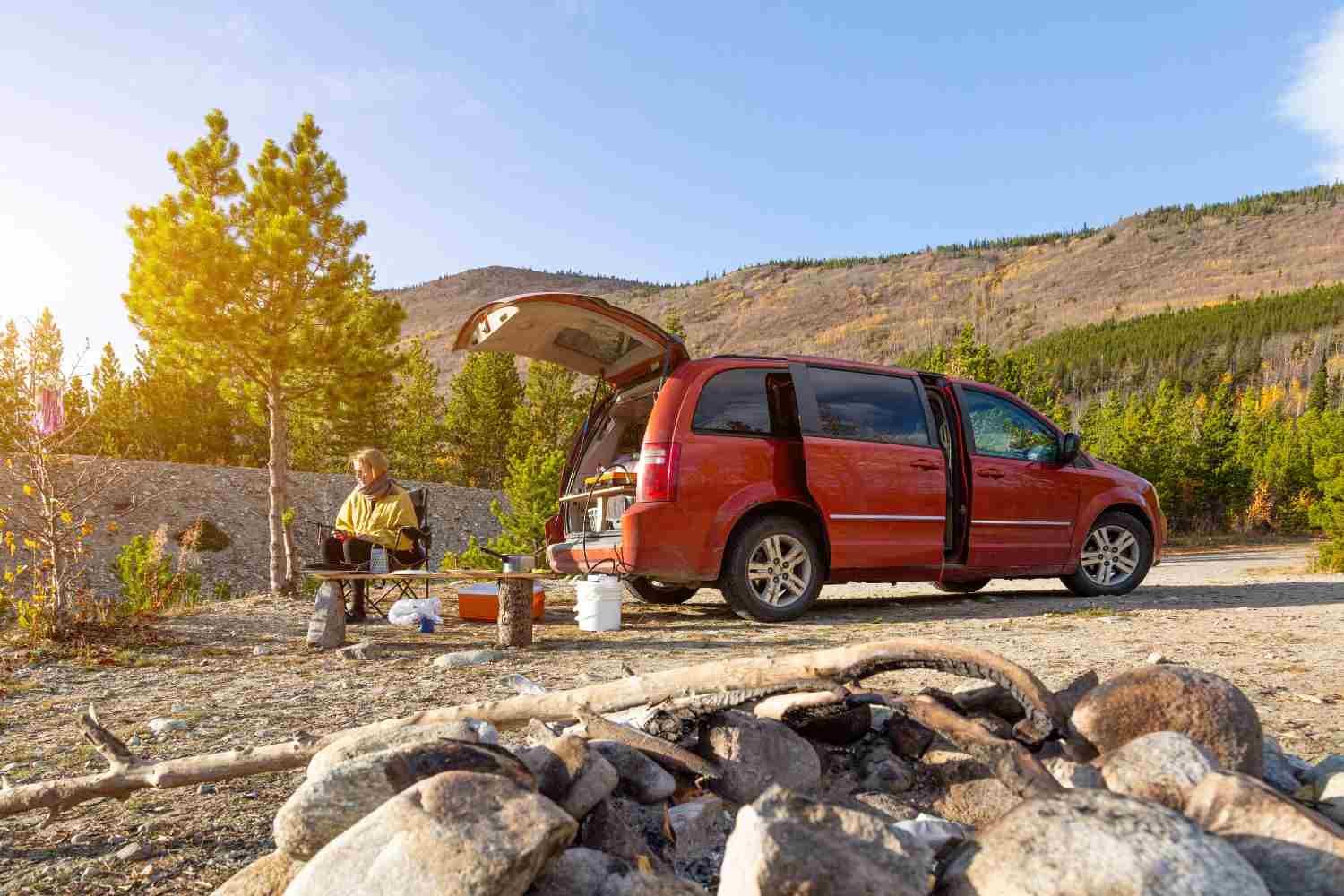
Lobster may dominate the photographs, but I wouldn’t build an entire food road trip through Maine around one ingredient. Travelers who also enjoy southern food road trips will find Maine offers a very different regional food experience shaped by cold-water seafood, coastal towns, and New England farming traditions.
Fried clams, oysters, scallops, chowder, haddock, potatoes, wild blueberries, whoopie pies, craft beer, bakery goods, and seasonal farm ingredients all help explain Maine’s regional food culture. Moving slowly up the coast lets those foods change naturally with the landscape.
FAQs About a Maine Food Road Trip
1. What is the best route for a Maine food road trip?
A practical route starts in Biddeford, continues through Portland and Cape Elizabeth, follows Route 1 toward Wiscasset, detours to Spruce Head, and finishes on Mount Desert Island near Bar Harbor and Acadia National Park.
2. How many days should I spend on a Maine foodie road trip?
Three days can cover the major stops, but four or five days gives you more time for coastal towns, Acadia, local bakeries, breweries, and unplanned seafood stops.
3. When is the best time to take a Maine seafood road trip?
Summer provides the widest restaurant selection, while September and early fall can offer cooler temperatures and fewer peak-season crowds. Always confirm seasonal restaurant hours before driving.
4. Is Portland worth an overnight stay on a Maine culinary road trip?
Yes. Portland has enough restaurants, oyster bars, bakeries, breweries, and seafood destinations to justify at least one night, especially if you want to explore beyond a single lobster roll.
Is This Maine Foodie Road Trip Worth the Drive?
Absolutely. What makes this itinerary work for me is the contrast between its stops. Breakfast takes place inside a 1927 diner car. Lunch in Portland can move from duck-fat fries to raw oysters. Wiscasset provides the lobster-roll rivalry, Spruce Head delivers the working-waterfront experience, and Mount Desert Island closes the journey with popovers and ice cream after Acadia.
A successful food road trip through Maine shouldn’t feel like a race between famous restaurants. I would leave gaps in the schedule, stop when a harbor or bakery catches my attention, and allow enough time to actually enjoy the communities behind the food.
That is when this stretch of New England becomes more than a collection of places to eat. The meals become the route itself.