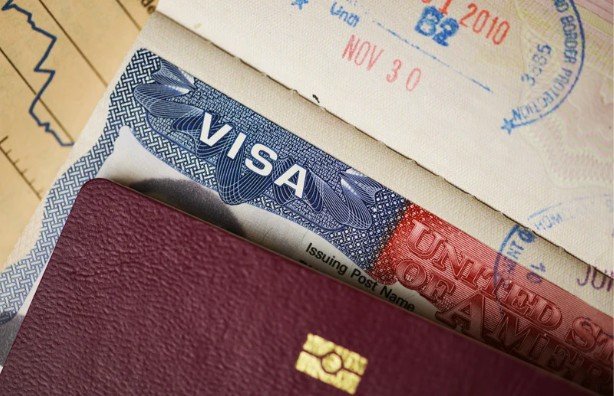
The cheapest flight on my screen can become the most expensive choice if its connection creates a paperwork problem. Before comparing hotels or saving restaurants, I want to know whether every border on my route is workable. Learning how to check visa requirements for travel across asia starts with matching official entry rules to my passport, travel dates, and actual itinerary.
The simplest approach is to check each destination separately, include connecting airports, confirm the appropriate entry permission, and save the requirements. Neighboring countries can have completely different immigration procedures.
What Should You Know Before Checking Visa Requirements?
Start with the nationality shown on the passport you will use. Your departure country does not determine your visa eligibility, and residence permits only matter where specific exemptions recognize them.
Record your travel purpose, arrival dates, departure dates, and planned entry points. Tourism, business, study, volunteering, and remote work may involve different permissions. Never assume a tourist exemption covers every activity.
If traveling with friends or family who hold different passports, check each person individually. One traveler’s visa-free eligibility does not establish another’s.
Where Can You Find Reliable Entry Requirements?

Start With Official Immigration and Embassy Websites
Search for the destination’s immigration authority or embassy, then find its tourist entry requirements. Follow application links from those pages rather than choosing the first sponsored result.
Check that the information applies to your nationality and passport type. Read the conditions attached to exemptions, including stay limits and supporting documents.
Save the page address and date you checked it. A publication date alone does not prove every rule on a travel website remains current.
Cross-Check With Your Airline
An airline document checker can help identify passport, visa, and transit conditions for your journey. Enter your details carefully and include connections.
If an official page and a checker disagree, contact the destination’s embassy or immigration authority and your airline. Explain your exact route and passport details instead of asking a broad question.
How Do You Check Every Stop on a Multi-Country Trip?
Create a simple travel note with a separate entry for each border crossing. Include the destination, dates, entry point, required permission, application deadline, and official link.
Imagine a route from Japan to Vietnam, onward to Singapore, and back to Japan. The final arrival deserves its own check because returning to a country is another entry.
This route-based method makes how to check visa requirements for travel across asia easier to manage. It also reveals where your itinerary depends on approval, a particular crossing, or permission to enter again.
Which Entry Permission Do You Actually Need?

Visa-Free Entry, Arrival Visas, and Electronic Visas
Visa-free entry means eligible travelers do not need a visa for the specified visit. Other entry conditions can still apply.
A visa on arrival is obtained at an eligible entry point. Confirm your nationality qualifies, the crossing offers it, and which documents and payment methods are accepted.
An electronic visa requires an online application and approval. Check permitted entry points and carry the approval in the required format.
An embassy-issued visa may require an appointment or passport submission. As you plan an Asia trip around monsoon seasons, allow enough time for visa processing before finalizing your travel dates. Follow the relevant consulate’s instructions for your application location.
Arrival Forms and Travel Authorizations
An arrival declaration is different from a visa. An electronic travel authorization may also be required for certain visa-exempt travelers.
Singapore, for example, lists visa conditions and its arrival card separately. This shows why checking visa eligibility alone can leave your preparations incomplete.
Can Connections and Land Borders Change Your Requirements?
Check transit rules even when you intend to remain inside an airport. Nationality, connection arrangements, and whether you clear immigration can affect the requirements.
A self-transfer may involve collecting luggage and checking in again. Confirm with your airline and airport whether that process requires entering the country.
For overland travel, verify the exact checkpoint. Do not assume an electronic visa accepted at an airport works at every land crossing. Check opening arrangements before committing to transportation.
What Documents and Deadlines Should You Confirm?
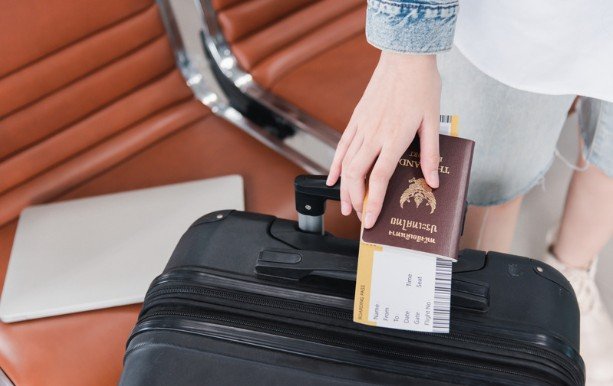
Review passport validity, blank-page requirements, accommodation details, onward travel evidence, and financial documentation. Requirements differ, so avoid treating six months of passport validity as a universal rule. Distinguish visa validity from permitted stay. The deadline for entering a country may differ from the date by which you must leave.
Check application windows, processing estimates, fees, and single-entry or multiple-entry conditions. Allow room for document corrections. After approval, inspect your name, passport number, dates, and entry conditions. Recheck requirements before departure and before later crossings. Save accessible copies of approvals and supporting documents.
Frequently Asked Questions
1. What Is the Safest Way to Learn how to check visa requirements for travel across asia?
Match each destination’s official requirements to your passport, purpose, dates, and entry point. Cross-check flights and transit arrangements with your airline.
2. Is There One Tourist Visa for All Asian Countries?
Do not assume one permission covers your itinerary. Check every destination separately and verify any regional arrangement through official authorities.
3. Does Visa-Free Entry Guarantee Admission?
No. Travelers must still meet applicable entry conditions and satisfy immigration checks.
4. When Should I Start Checking Visa Rules?
Start while choosing your route, before making nonrefundable bookings. Apply within official windows and check again closer to travel.
Make Paperwork Part of the Journey
I prefer resolving entry questions while my itinerary is still flexible. Checking each crossing, saving official instructions, and reviewing approvals gives me a clearer plan. Once those details are settled, I can focus on enjoying the journey.