
I have noticed that the cultural details I remember most are often the ordinary ones: a pattern on a piece of cloth, a song an older relative knows by heart, or a handmade object brought out for a festival.
I also find it striking how quickly a tradition can become difficult to practice when the materials cost more, the work pays less, or families move away from home. Across Asia, many cultural practices still survive, but some are losing practitioners and everyday relevance.
Why Asia’s Cultural Traditions Are at Risk
Traditions rarely disappear for one reason. Urbanization and migration can separate younger generations from elders who hold specialist knowledge. Factory-made goods often cost less than handmade alternatives, while long training periods make traditional crafts hard to turn into a stable career. In some communities, younger people may also feel pressure to choose work that seems more secure or modern.
Language loss adds another challenge. A story, chant, or ritual phrase may carry meanings that are difficult to translate. When a language is used less often at home, the cultural knowledge embedded in its expressions can fade with it. Recording a performance helps, but a recording cannot replace the relationships and shared context through which people learn what a tradition means.
Traditions That Need Greater Attention
Mabal Tabih weaving in the Philippines
Among the Blaan people of South Cotabato, Mabal Tabih weaving uses abaca fibers, natural dyes, and an intricate ikat process. Making it requires patience and knowledge of materials, patterns, and techniques passed between generations. When fewer young weavers learn the process, both the craft and the stories carried by its designs are at risk.
Traditional brass bell making in Japan
Japanese bellmaking includes specialist techniques refined over centuries. Large standing bells have roles in Buddhist temples and meditation, and their sound is shaped by careful decisions about casting, metal, and form. Such work depends on experienced craftspeople and lengthy apprenticeships. Modern production methods, changing demand, and an aging workforce can make it harder for workshops to sustain these skills.
Wayang kulit in Malaysia
Wayang kulit uses flat, intricately cut leather puppets to create shadow performances accompanied by music and storytelling. The tradition brings together visual art, performance, language, and local narratives. In Malaysia, practitioners face the challenge of keeping audiences interested as entertainment habits change. Youth workshops, school programs, and thoughtful contemporary adaptations can help new audiences connect with the form while respecting its cultural roots.
Damarkurung lanterns in Indonesia
In Gresik, East Java, damarkurung lanterns are decorated with scenes that tell stories through images. Their handmade character is part of their appeal, but cheaper mass-produced substitutes can undercut the time and skill needed to make them. When a craft becomes less financially viable, fewer makers may continue it.
Oral traditions in Yunnan, China
In parts of Yunnan, elders from communities including the Pumi, Nu, and De’ang preserve songs, stories, and ancestral knowledge in their own languages. If younger speakers no longer understand the language, the stories become harder to pass on. Community-led recordings, language classes, and occasions for elders and young people to share stories can support transmission without taking ownership away from the communities.
What Communities Lose When Traditions Fade

The loss is not limited to an old technique or a performance. Traditions can hold a community’s history, values, humor, and ways of understanding the world. A woven pattern may connect a family to its ancestors; a song may preserve a place name or a memory absent from written records. When a practice disappears, people can lose a source of belonging as well as practical knowledge.
The question is whether communities can guide cultural changes themselves, keep the knowledge accessible, and decide what should be carried forward.
How Travelers Can Help Preserve Cultural Heritage
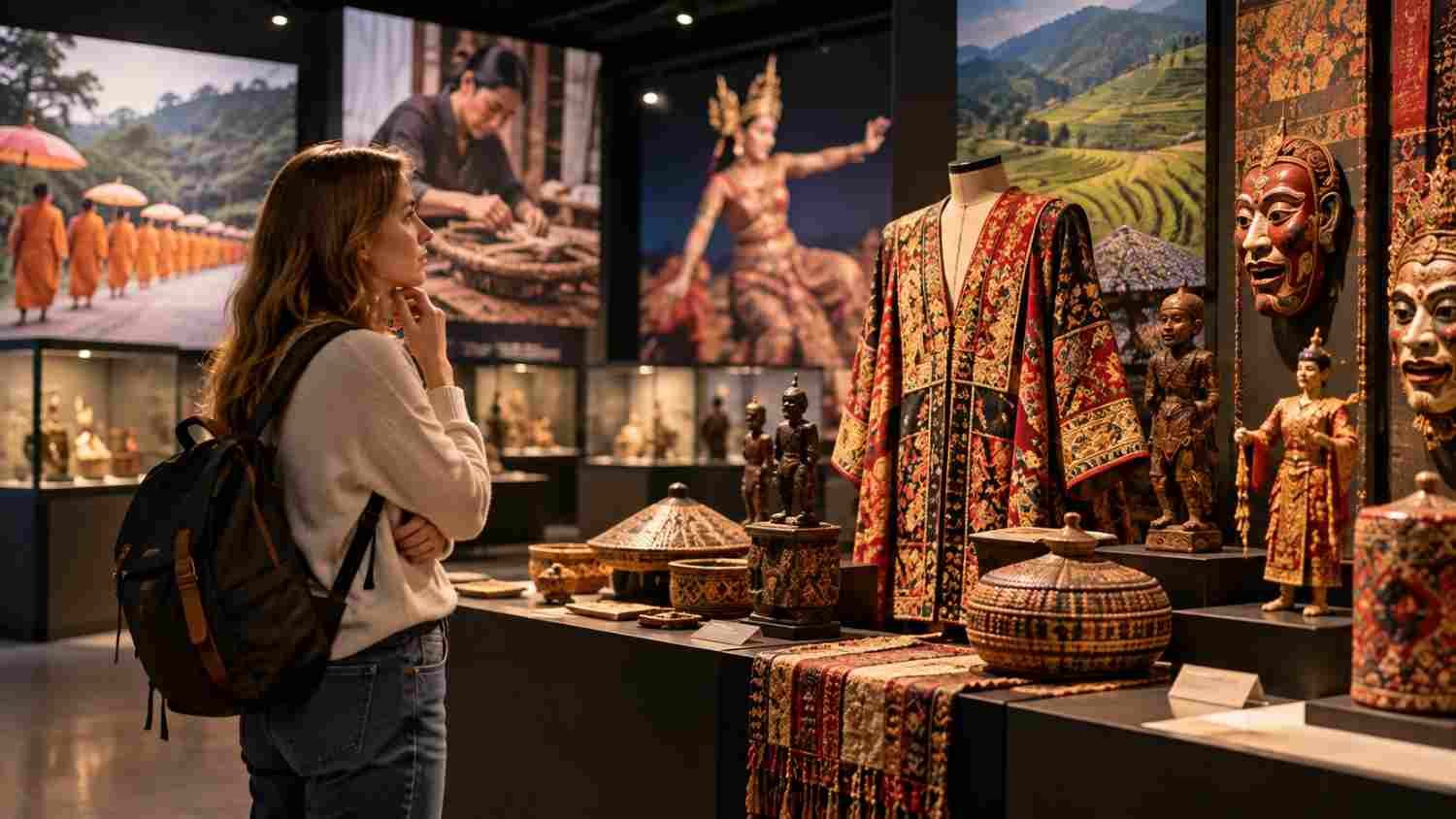
Visitors can support living traditions by learning directly from local practitioners, attending performances where guests are welcome, and buying work from makers at a fair price. Ask before photographing people or sacred activities, and follow local guidance about what should remain private.
Travelers interested in hidden village traditions in Asia can seek community-led experiences that explain a practice in its local context. For traditional craftsmanship experiences in Asia, choose workshops where artisans demonstrate their skills, explain the time involved, and receive fair compensation. Avoid treating handmade goods as souvenirs without considering the labor and cultural knowledge they represent.
FAQs: Asia’s Disappearing Cultural Traditions Worth Preserving for Future Generations
1. Why are some Asian cultural traditions disappearing?
Economic pressure, migration, changing lifestyles, language loss, and declining demand can make traditions harder to practice and pass on. Often, several pressures occur together.
2. Which traditions are at risk?
The risks vary by community. Examples include specialist weaving, traditional performance, handmade lantern production, metalworking, and oral storytelling in endangered languages.
3. How can young people help preserve traditions?
Young people can learn from elders and skilled practitioners, use heritage languages, join workshops, document family stories with permission, and adapt traditions respectfully for new audiences.
4. Can tourism help keep traditions alive?
Yes, when it is community-led and fairly paid. Visitors should respect local rules, avoid intrusive photography, and support practitioners rather than expecting free demonstrations.
Keeping Cultural Heritage Alive for the Next Generation
The future of a tradition depends on more than public recognition. It needs time for apprentices to learn, customers willing to pay for skilled work, spaces where languages and stories can be shared, and communities with the freedom to decide how their heritage develops. Practitioners should remain central to decisions about representation and preservation.
A tradition stays alive when people have reasons and opportunities to practice it. Supporting those conditions helps cultural knowledge remain part of everyday life, ready to be passed on and reshaped by the next generation.
Leave a Reply