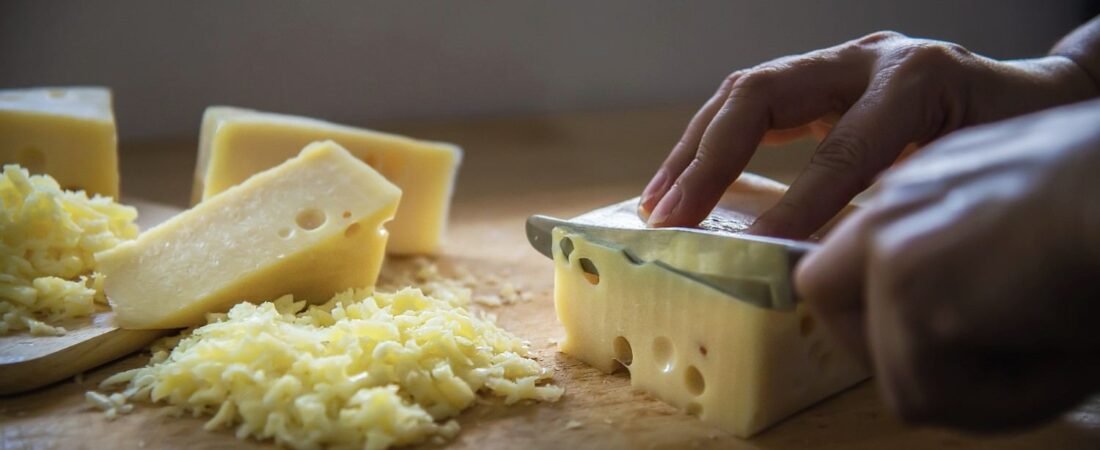
A wheel of cheddar in Vermont, a soft-ripened Brie in California, and a bowl of spicy beer cheese in Kentucky may seem unrelated, yet together they reveal how differently America expresses its dairy traditions.
That variety is what makes cheese trails in the USA worth traveling for. Each route connects flavor with place, giving travelers a chance to move beyond supermarket shelves and experience the farms, creameries, aging rooms, and regional customs behind the cheese.
What I find most interesting is that no two routes deliver the same experience. California blends artisan cheese with vineyards and coastal farmland, Vermont leans into small-scale farmstead production, Wisconsin showcases generations of dairy heritage, and Kentucky turns one distinctive regional spread into a culinary attraction of its own.
These journeys are not simply about tasting cheese; they are a way to understand how geography, farming traditions, and local culture shape what ends up on the plate.
Which American Cheese Trails Are Worth Planning a Trip Around?
California, Vermont, Wisconsin, and Kentucky offer some of the most distinctive cheese-focused travel experiences, while Oregon, New York, Maine, Massachusetts, and Washington add even more variety. The best routes combine local cheesemakers with regional scenery, farm visits, tastings, heritage, and distinctive cheese styles.
California Cheese Trail: Where Should You Stop?
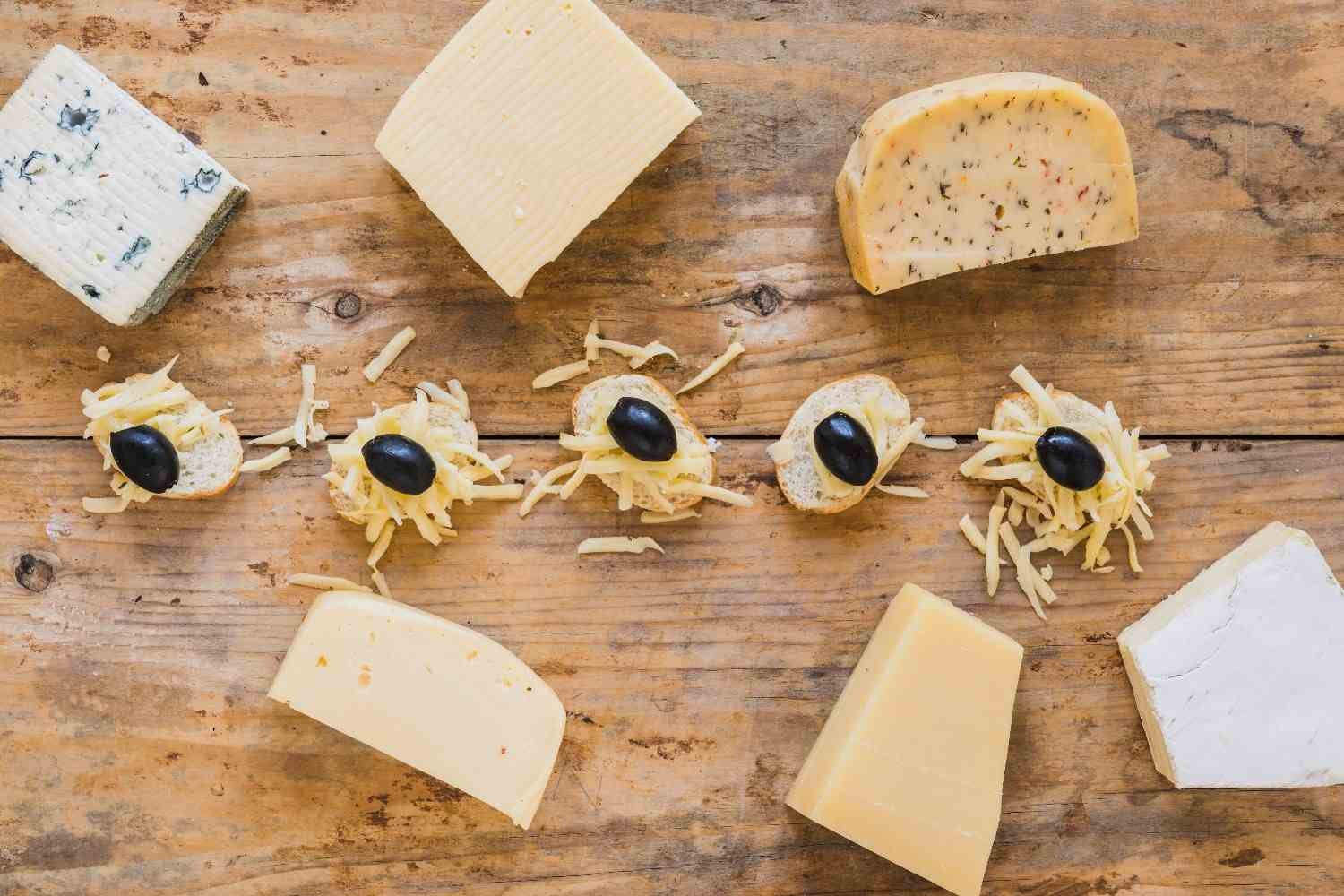
California’s artisan cheese scene stretches across the state, but Marin and Sonoma Counties are especially rewarding for travelers who want to combine cheese tasting with wine-country scenery and coastal landscapes.
Marin French Cheese Co. near Petaluma should be high on the list. Founded in 1865, the company describes itself as the country’s oldest cheese company and continues making small-batch soft-ripened cheeses inspired by Brie and Camembert. Visitors can stop at its shop, cafe, picnic grounds, and historic ranch.
Point Reyes Farmstead Cheese Co. adds a distinctly Northern California experience. Its original creamery sits beside the dairy operation near Tomales Bay, where the company produces its flagship Original Blue from milk sourced from its own herd. Its lineup also includes Toma, Bay Blue, Gouda, Brie, and other varieties.
Nicasio Valley Cheese Company provides another worthwhile Marin County stop. The creamery uses 100% organic farmstead cow’s milk and produces artisan cheeses based on traditional recipes connected to the family’s Swiss heritage.
Vermont Cheese Trail: Which Farms Give You the Best Experience?
Vermont is one of the easiest states in which to turn artisan cheese into a complete road trip. The Vermont Cheese Council currently highlights more than 40 cheesemakers and provides a trail map showing which producers welcome visitors, offer tours, or have on-site sales. Its members collectively produce more than 150 varieties of artisan and farmstead cheese.
Shelburne Farms is one of my favorite examples of cheese tourism because visitors can connect the finished product directly with the farm. Its raw-milk farmstead cheddar comes from pasture-raised Brown Swiss cows, and seasonal visitors can watch cheesemaking and join its Sun to Cheese tour.
Plymouth Artisan Cheese adds history to the route. Its factory dates to 1890, and the company still connects its present-day cheesemaking with the original granular-curd cheddar tradition associated with the historic Plymouth site.
Farther north, von Trapp Farmstead produces organic European-style cheeses including Oma and Mt. Alice. The farm’s current lineup also includes Mad River Blue and Savage, adding washed-rind, bloomy-rind, blue, and Alpine-style cheeses to a Vermont tasting itinerary.
Wisconsin Cheese Country: Where Can You Combine Cheese and a Real Trail?
Wisconsin deserves more than a quick tasting stop. America’s Dairyland combines traditional cheesemaking, historic factories, local cheese curds, and an actual recreational trail named for the state’s dairy identity.
Widmer’s Cheese Cellars in Theresa preserves one of the most unusual traditional methods in American cheesemaking. The company says it still uses the same bricks once used by the founder’s family to press whey from its Brick cheese, maintaining a technique that has largely disappeared elsewhere.
Travelers looking for a literal trail can head toward southwest Wisconsin. The Cheese Country Recreation Trail runs roughly 47 miles between Monroe and Mineral Point through the Driftless Area. It is a multi-use rail trail that crosses rural landscapes and former mining communities, although Travel Wisconsin notes that portions receive heavy motorized use.
Monroe makes a logical food stop along the way because of its deep Swiss cheesemaking heritage and long association with Wisconsin dairy culture.
Kentucky Beer Cheese Trail: Why Is It Different From Other Cheese Routes?

Kentucky offers a completely different interpretation of a cheese trail.
Winchester and Clark County celebrate beer cheese, the savory regional spread traditionally made with cheese, beer, garlic, spices, and varying levels of heat. The official Beer Cheese Trail currently connects 15 stops and uses a digital passport that rewards travelers as they visit participating locations.
The annual Beer Cheese Festival in downtown Winchester adds another reason to time a trip carefully. Rather than touring dairy farms, travelers move between restaurants, shops, and specialty food businesses while sampling different versions of one Kentucky favorite.
That diversity is exactly why cheese trails in the USA are more interesting than a simple list of creameries.
Where Else Can Cheese Lovers Take a US Road Trip?
Oregon works especially well for travelers who want to combine artisan creameries with coastal drives, breweries, vineyards, farmers’ markets, and farm stands.
New York’s Finger Lakes region offers another natural pairing because wineries, orchards, dairy farms, and small food producers sit within a scenic road-trip network.
Maine provides a more intimate farmstead experience, with small producers making cow, goat, and sheep milk cheeses alongside coastal food traditions.
Western Massachusetts, particularly the Berkshires, combines artisan food, small towns, farm stores, cultural attractions, and rural scenery.
Washington State also deserves attention because its cheese producers can be incorporated into itineraries involving wineries, islands, orchards, seafood, and Pacific Northwest farm country.
How Should You Plan an Artisan Cheese Road Trip?
I prefer planning three or four meaningful stops per day instead of trying to visit every producer on a map.
Working farms do not operate like conventional tourist attractions. Some welcome walk-ins, while others require reservations or restrict visitor access completely. The Vermont Cheese Trail, for example, distinguishes between producers open to visitors, those that ask travelers to call ahead, and farms that do not offer tours or retail sales.
Always check current hours directly before driving, especially for seasonal farms. I also carry an insulated cooler when I expect to buy fresh or soft cheeses.
When Is the Best Time for a Cheese Trail Road Trip?

Late spring through early fall usually provides the easiest combination of open farm stores, scenic driving, markets, and agricultural experiences.
Vermont becomes particularly attractive during fall foliage season, while Northern California works well when travelers want to combine farm visits with wine country. Wisconsin can be enjoyable throughout much of the year, although outdoor trail conditions vary by season.
The right season ultimately depends on whether your priority is farm tours, festivals, fall scenery, outdoor recreation, or simply tasting as much local cheese as possible.
Frequently Asked Questions (FAQs)
1. What are cheese trails in the USA?
Cheese trails in the USA are mapped or informal travel routes connecting cheesemakers, dairy farms, artisan creameries, shops, tasting rooms, and regional food attractions.
2. Which state has the most famous cheese road trips?
Wisconsin is one of America’s most recognizable cheese destinations, while Vermont and California have especially strong artisan cheese trail networks.
3. Can visitors tour working cheese farms?
Some farms offer tours, tastings, viewing areas, farm stores, or seasonal events, while others do not allow public access. Always check with the producer before visiting.
4. What should I bring on a cheese trail?
A cooler is useful for purchases, especially during warm weather. I also recommend comfortable shoes and enough time between stops to avoid rushing farm visits.
My Final Take on America’s Cheese Roads
What I enjoy most about cheese-focused travel is that every region tells a different story. California connects artisan cheesemaking with coastal agriculture and wine country. Vermont pairs farmstead cheese with New England landscapes. Wisconsin preserves generations of dairy heritage, while Kentucky turns a regional spread into an entire culinary trail. Pairing these routes with visits to ethnic food neighborhoods can add even more cultural variety to a food-focused trip.
Instead of trying to cover the whole country in one trip, I would choose one region, pick a few distinctive cheesemakers, and leave enough time for farm stores, scenic roads, local restaurants, and unexpected discoveries along the way.